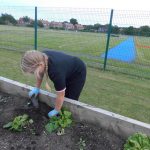
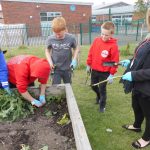
Children in Y3W took a trip to the allotment on Friday to replant some cabbages. We have been learning lots about plants in our Science lessons, including what they need to grow. We are ready to water them regularly and watch them flourish!
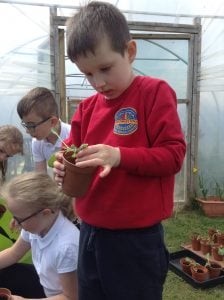
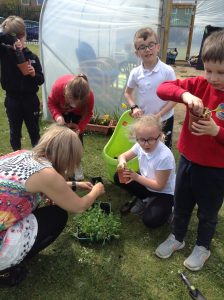
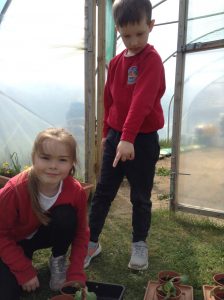
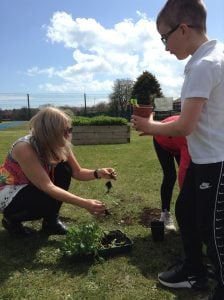
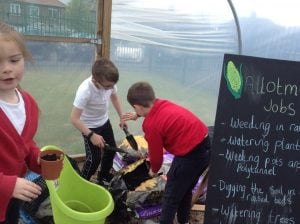
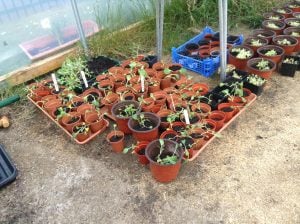
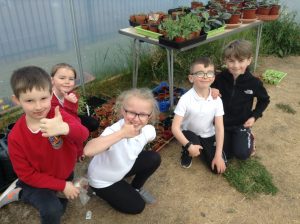
Children in Y3W took a trip to the allotment on Friday to replant some cabbages. We have been learning lots about plants in our Science lessons, including what they need to grow. We are ready to water them regularly and watch them flourish!
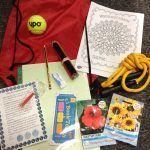
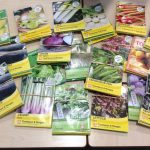
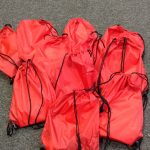
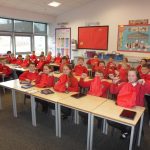
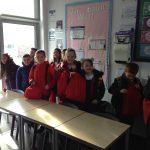
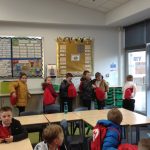
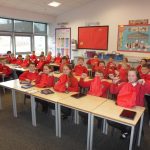
We all know how important mental health and wellbeing are, so a big thank you to the NEU Help a Child to Learn Foundation, and to Thompson and Morgan for their support. Their donations have enabled us to give a Wellbeing Bag, complete with a range of resources to support wellbeing, to all of our pupils.
There’s something for everyone inside. Welcome back!
We have seen lots of fabulous examples of Health, Wellbeing and Relationships work across school, from our pupils engaged in remote learning and those pupils in school.
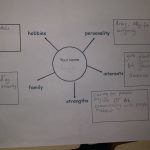
Some pupils in KS1 have been practising mindfulness by joining in with online story yoga, and also learning about what makes them special. Others have been learning about money, and having an awareness of saving money for something they need or would like.
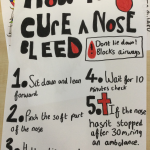
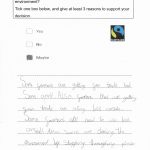
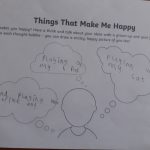
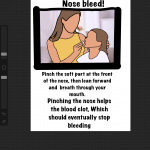
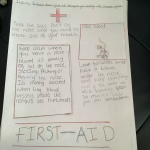
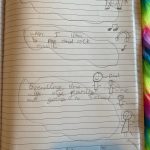
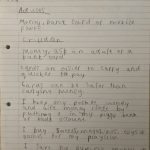
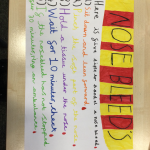
In KS2, some classes have been thinking about what makes them happy, and their thoughts on this are all very unique. Researching issues facing cocoa farmers in Ghana and how organisations like Fairtrade are trying to improve working conditions and environment, has produced some interesting debate from some classes. Other pupils have created very informative posters based upon their awareness of basic first aid to do with nose bleeds.
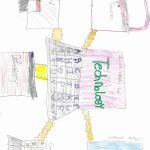
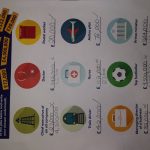
Our Year 6 pupils have been looking at careers and potential jobs for the future, discussing things that might lead them to choose a certain job or career.
Fantastic!
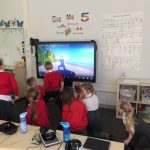
Some of our KS1 pupils have been preparing the allotment for Spring, by tidying up, and planting bulbs. They’ll be checking on their progress as they grow.
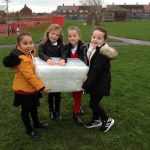
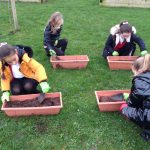
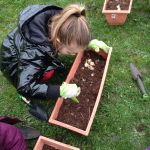
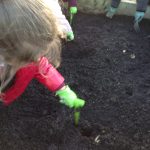
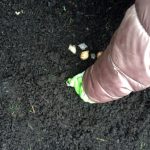
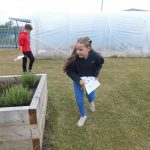
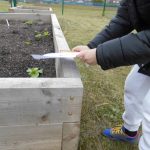
Some of our Year 1 pupils were having fun in the allotment yesterday. They enjoyed using the gardening tools to tidy the raised beds. Next week they should be ready to plant some bulbs for the Spring.
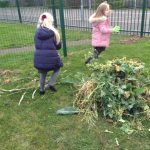
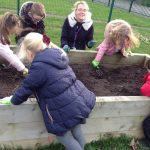
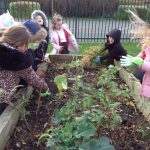
The rain has been good for the plants, trees and animals in the allotment.
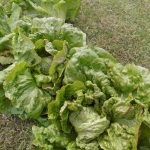
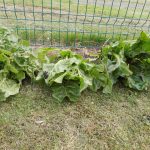
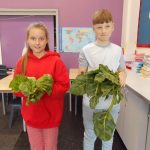
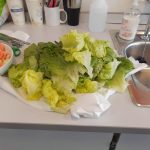
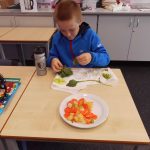
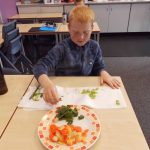
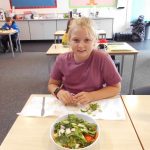
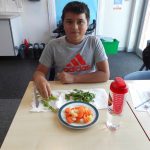
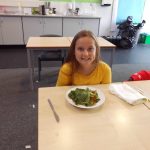
We harvested our first crop of spring green cabbages and lettuces and had a taste of the lettuce – some of our staff had it with their lunch. Back in class, we prepared the cabbage and mixed it with other vegetables to make soup. Yum!
It’s a great feeling knowing that we helped to grow our own food.
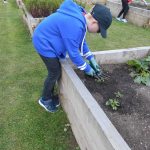

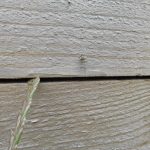
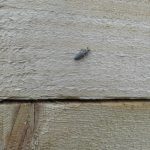
In our allotment we noticed that there seemed to be a lot of strange looking ladybirds on our raised beds! After a bit of research, we discovered that many of them were in fact stages in the life cycle of a ladybird. We didn’t see any eggs, but we spotted lots of larva, pupa, and adult ladybirds. We had a little ladybird spotters guide and found that the most common ladybird in our allotment is the adult 7- spot ladybird, its larva and pupa. Apparently there are 46 different species of ladybird in the UK. We learnt quite a bit about them. They are great for our allotment ecosystem.
As you know, pets and other animals are so important to us and to our world. Here are some suggestions to help out our animal friends:
Being kind to animals
Have a kind play time with your pet. Even if it’s just 10 minutes to play, your pet should enjoy it.
Help to tidy up the area your pet sleeps in.
Create a corner for nature
A leaf pile – A leaf pile provides a place for worms, gives shelter to other creatures, and will also supply valuable compost that will naturally fertilise your garden’s soil.
Long grass and nettles – Long grassy areas will attract insects, provide shelter for animals, and give food for predators.
Logs – Logs provide an excellent hiding place for all sorts of amphibians, frogs and ground beetles.
Herbs and flowers – attracts pollinating minibeasts and birds.
A spoonful of water and sugar – a simple mixture of sugar and water will help revive an exhausted bee. Simply mix two tablespoons of white, granulated sugar with one tablespoon of water, and leave some on a spoon.
Bird feeder – recycle a plastic bottle.
Kindness is choosing to do something that helps others or yourself, motivated by genuine warm feelings. Kindness, or doing good, often means putting other people’s needs before our own. Another way of being kind is being kind to the world.
Here are some suggestions to be kind to the world.
Plant a tree or a plant.
https://www.rainforest-alliance.org/kids
Take a look at the games and activities on the above website.
https://schools.fairtrade.org.uk/resource/a-fair-story/
Watch the video on the story of Fairtrade and then try out the activities.
Make a list of all the things you can do at home and at school to look after the environment.
https://www.bbc.co.uk/bitesize/topics/zdyycdm/resources/1
Check out the videos about the environment and how we can look after it.
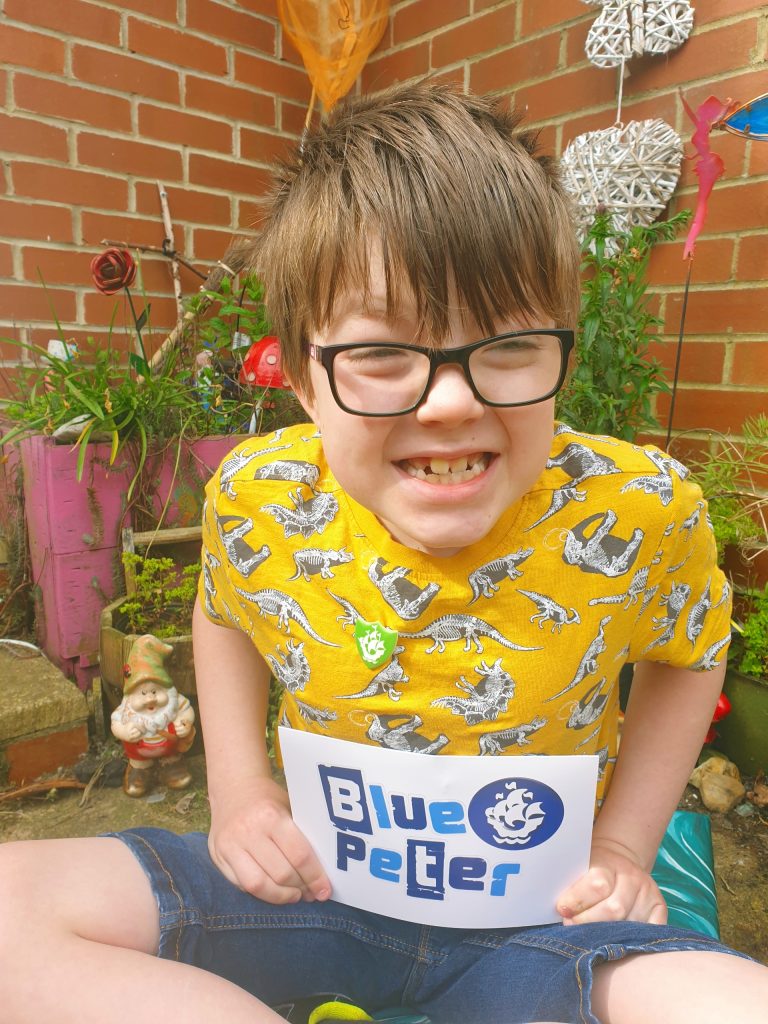
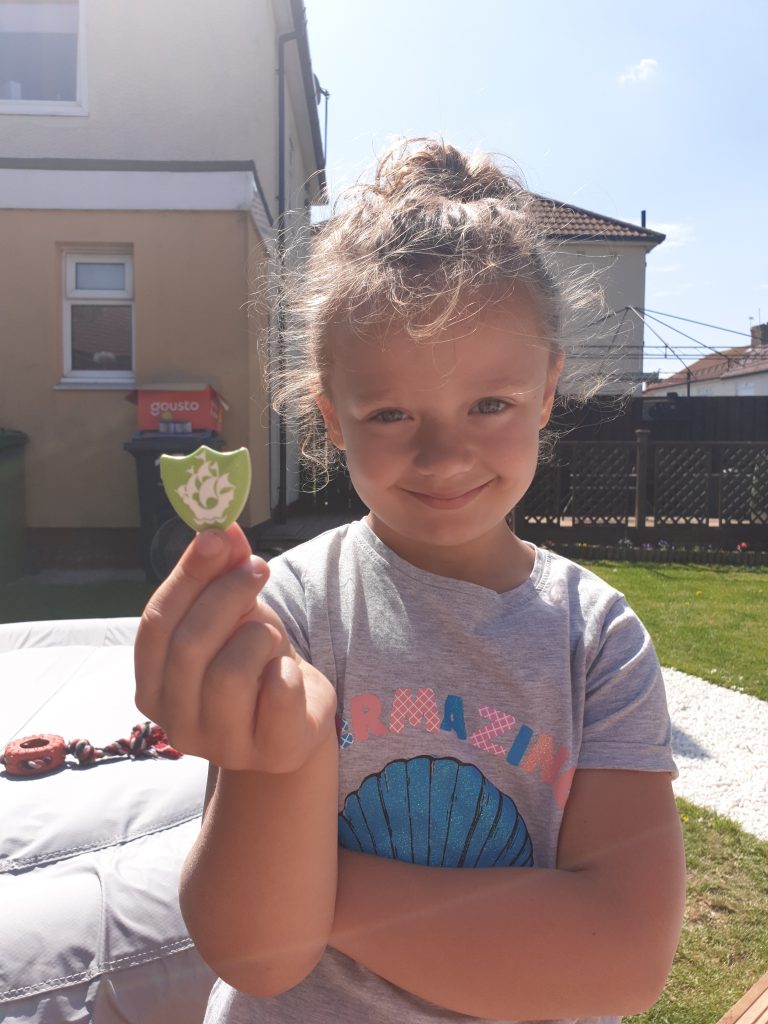
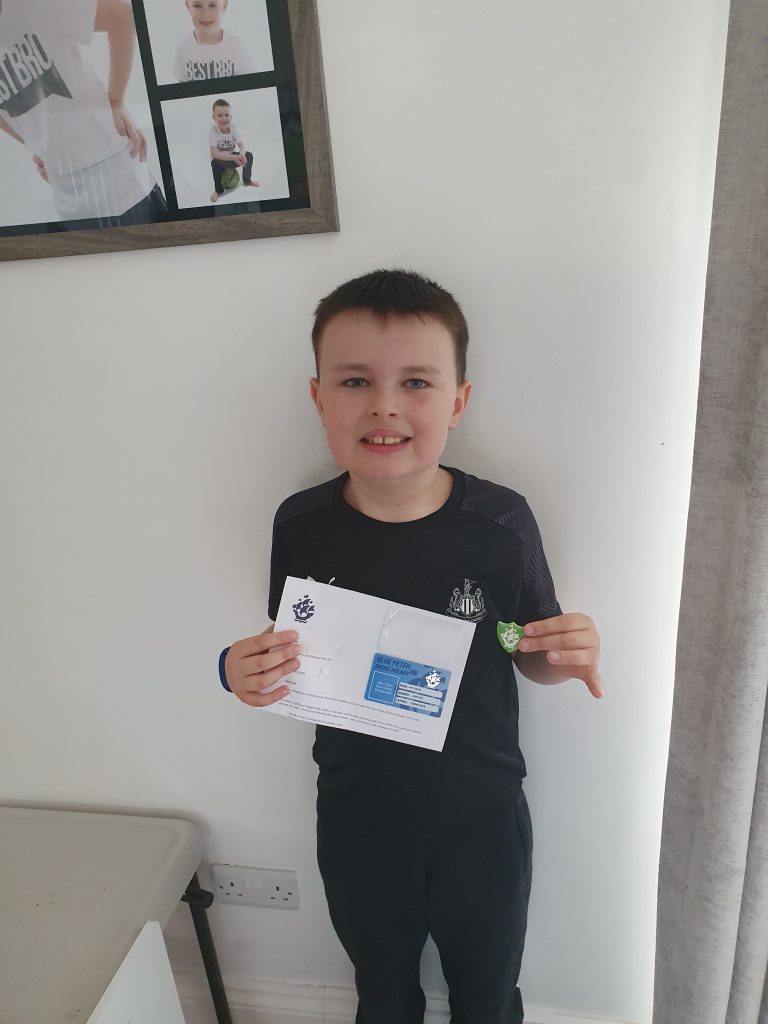
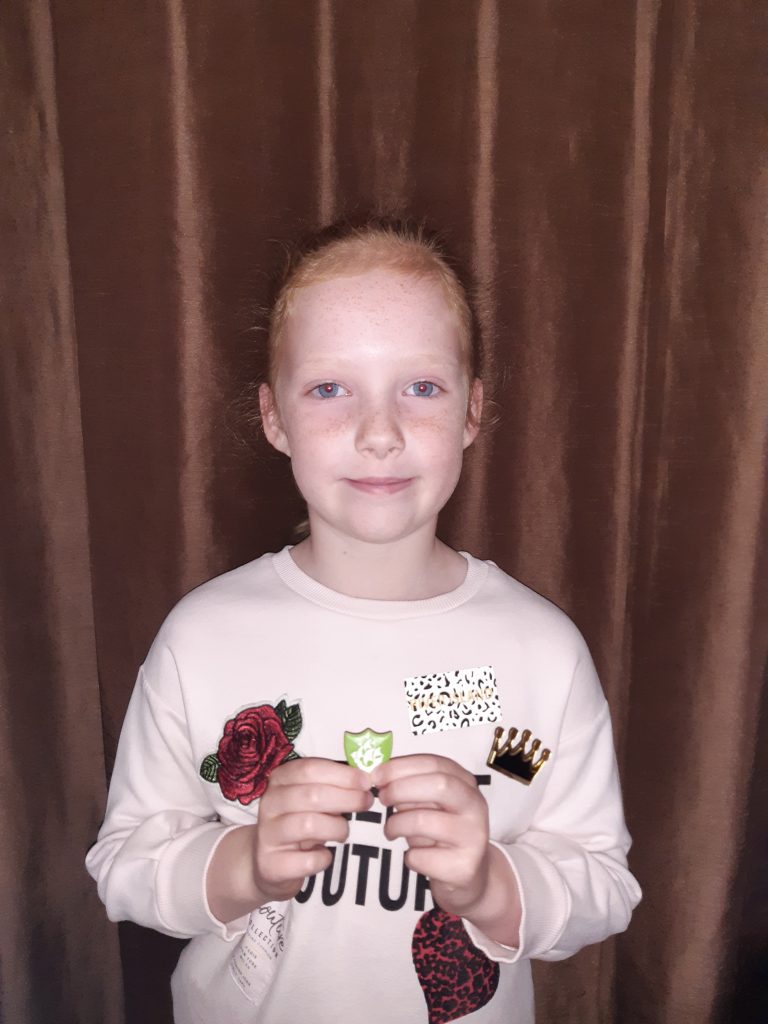
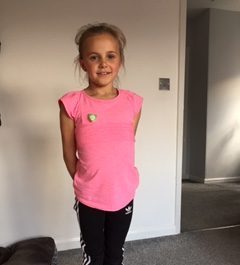
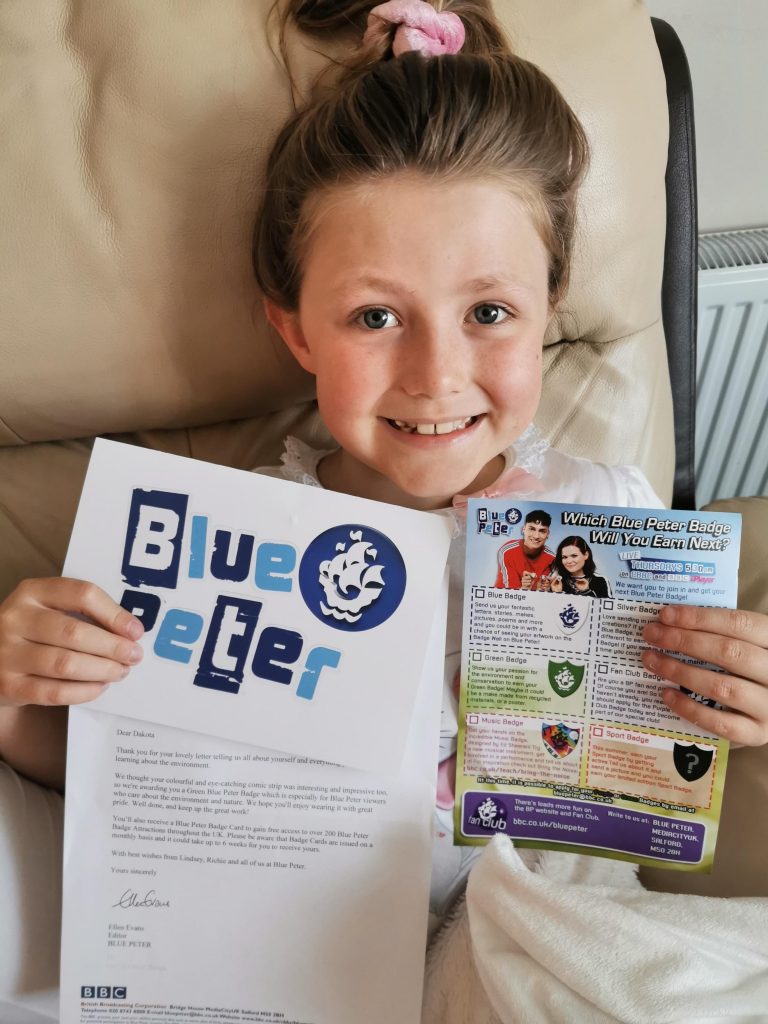
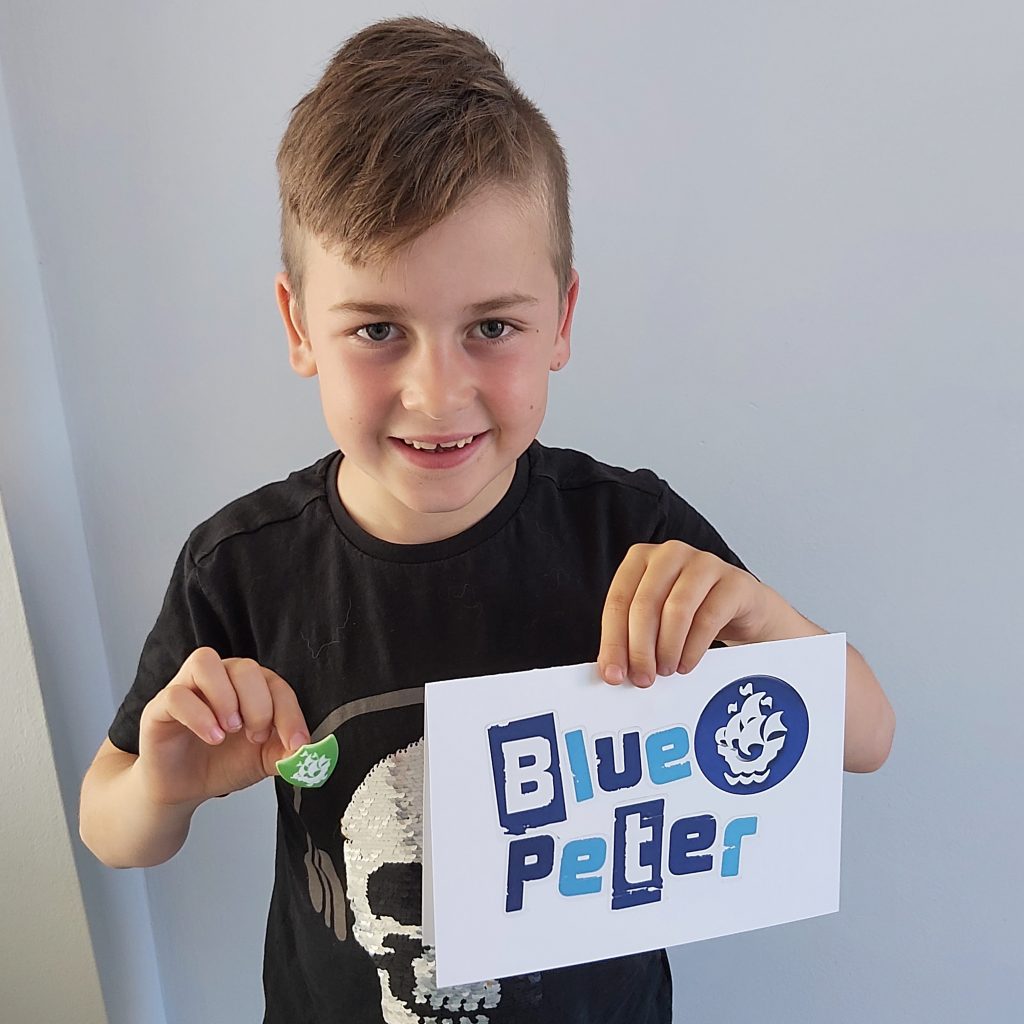
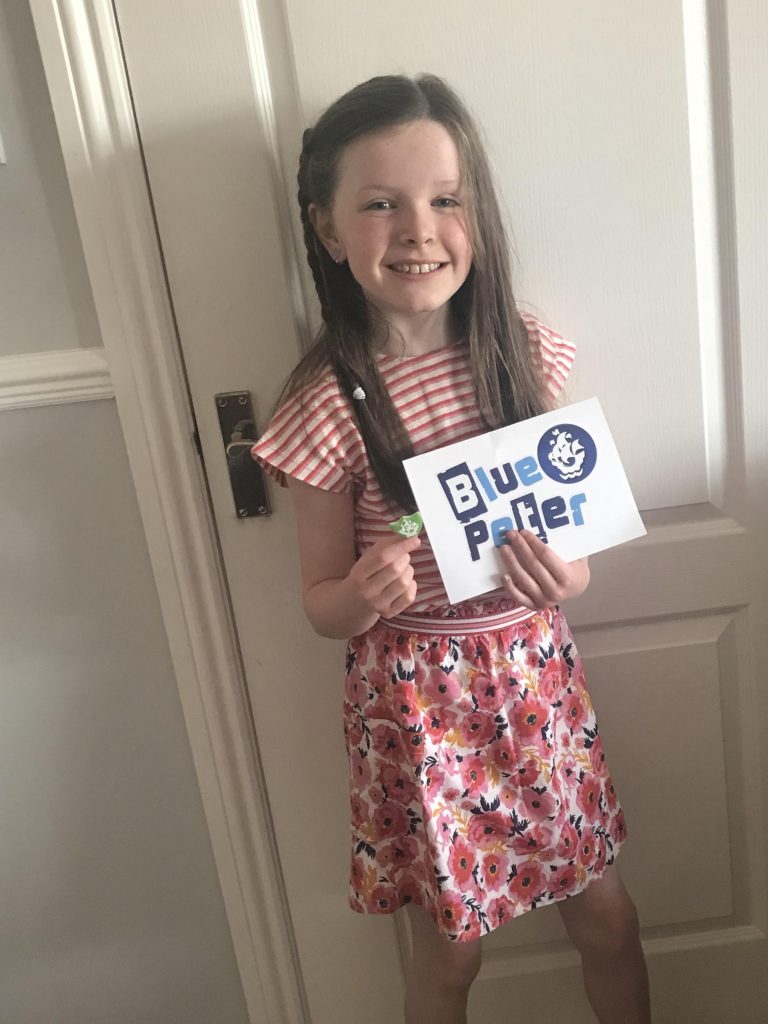
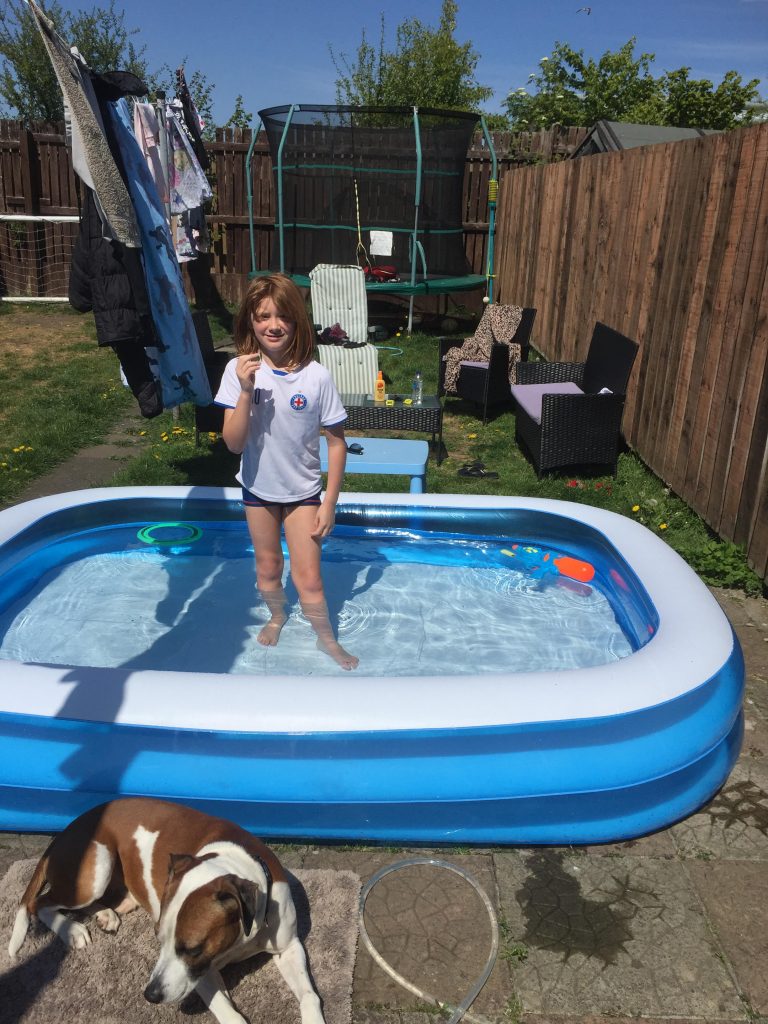
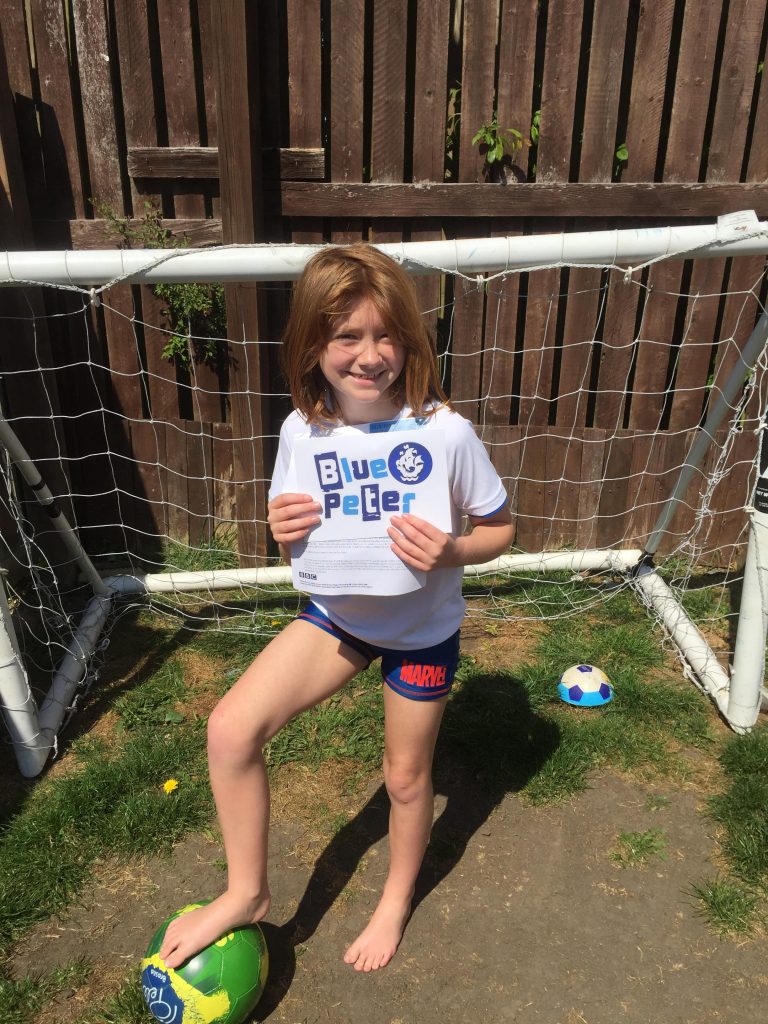
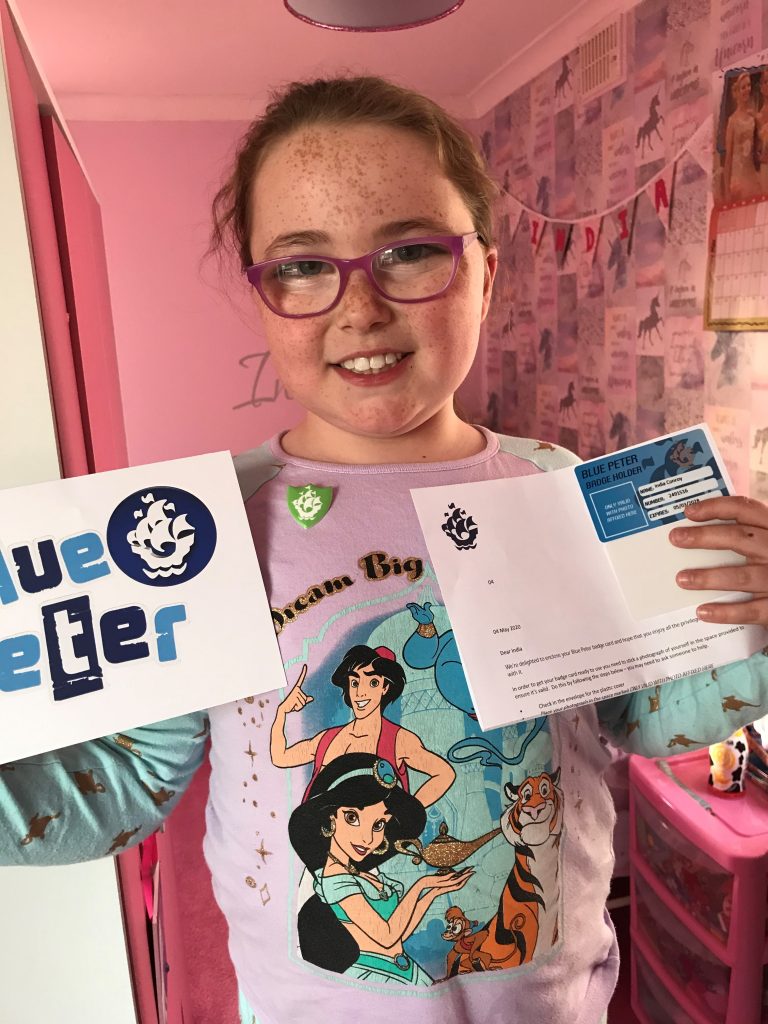
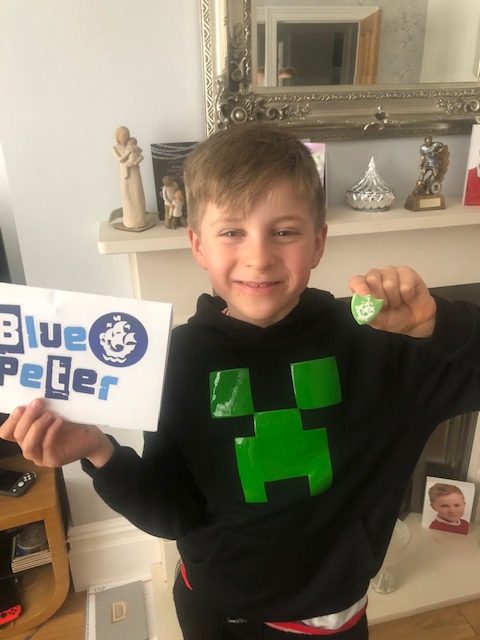
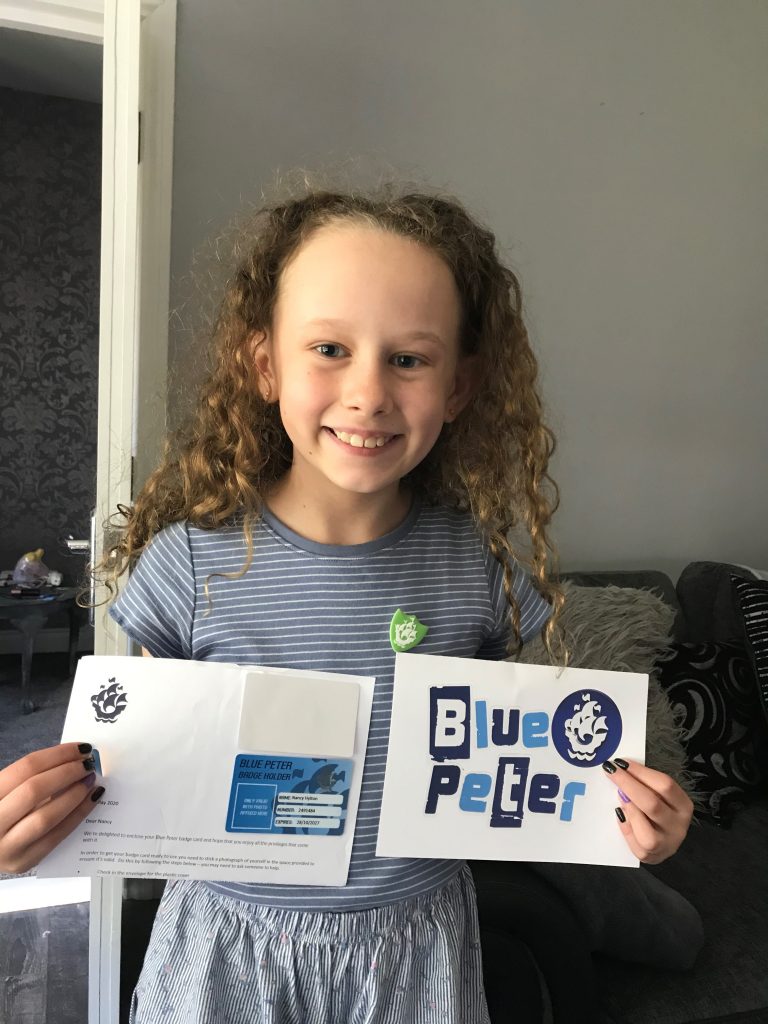
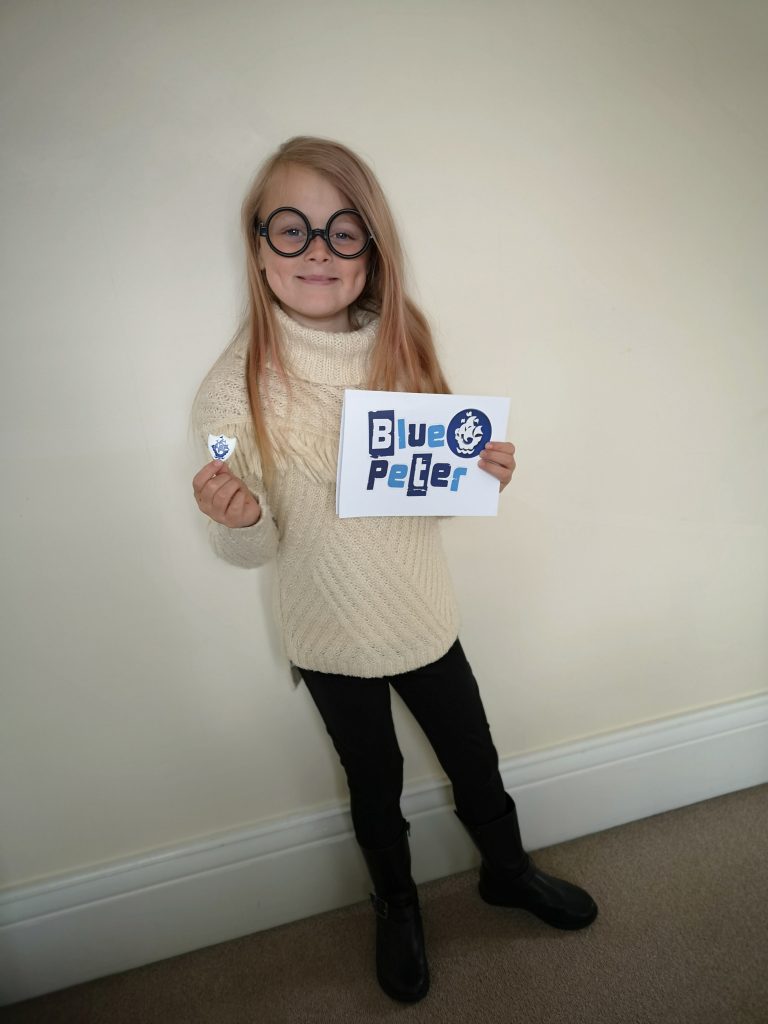
During Science week, Year 3 completed a comic strip with a message relating to saving our environment. Our children chose to focus on either; littering, chopping trees or recycling. As their comics were so brilliant, we decided to post them to Blue Peter. Over the past few days, lots of children have been emailing us with fantastic news that they have received an Eco (green) Badge. We are so proud of their achievements, Well done Year 3!


rpt