
Two school nurses visited Nursery today. They taught us how to wash our hands and how to keep our teeth healthy.


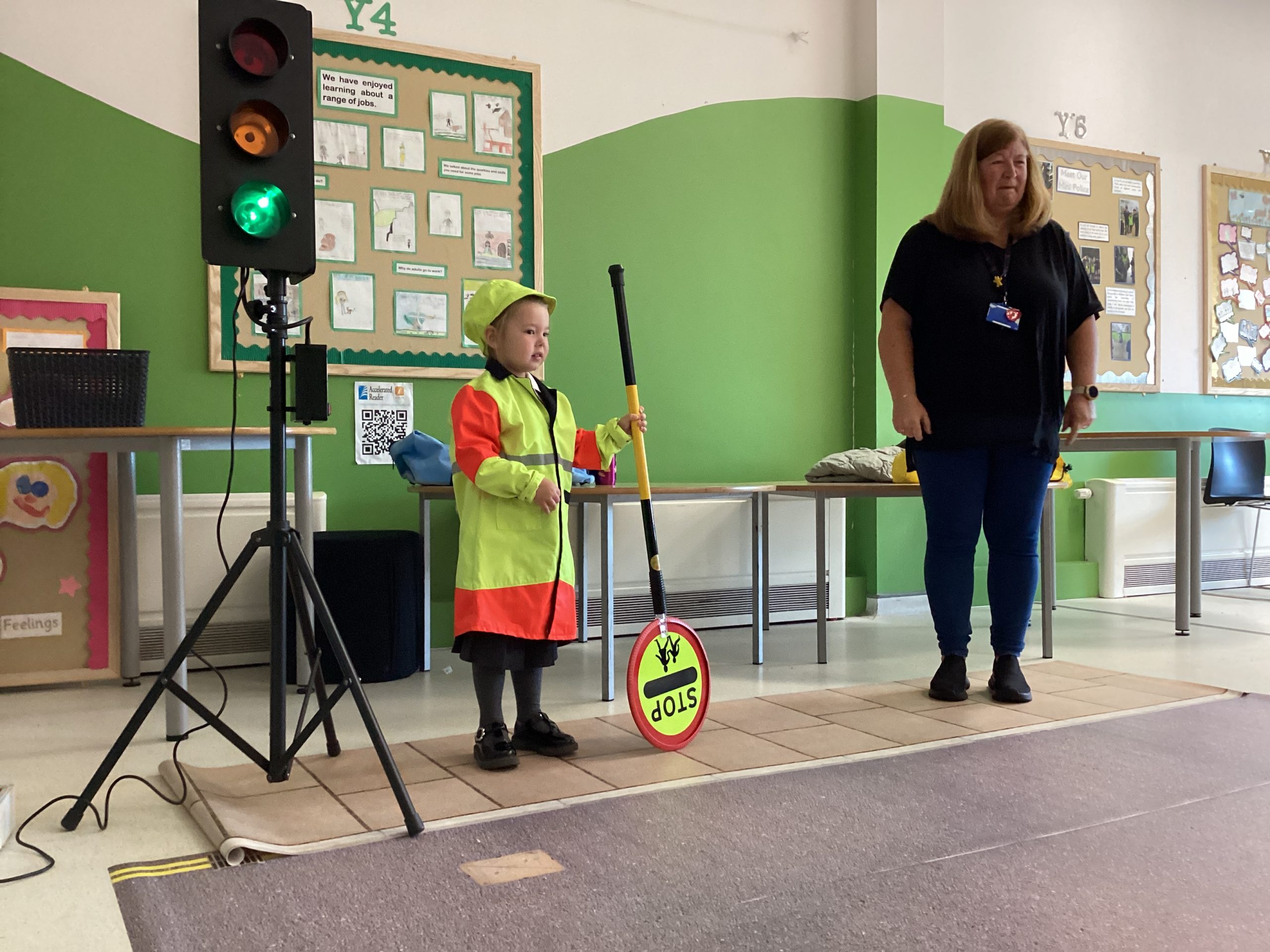
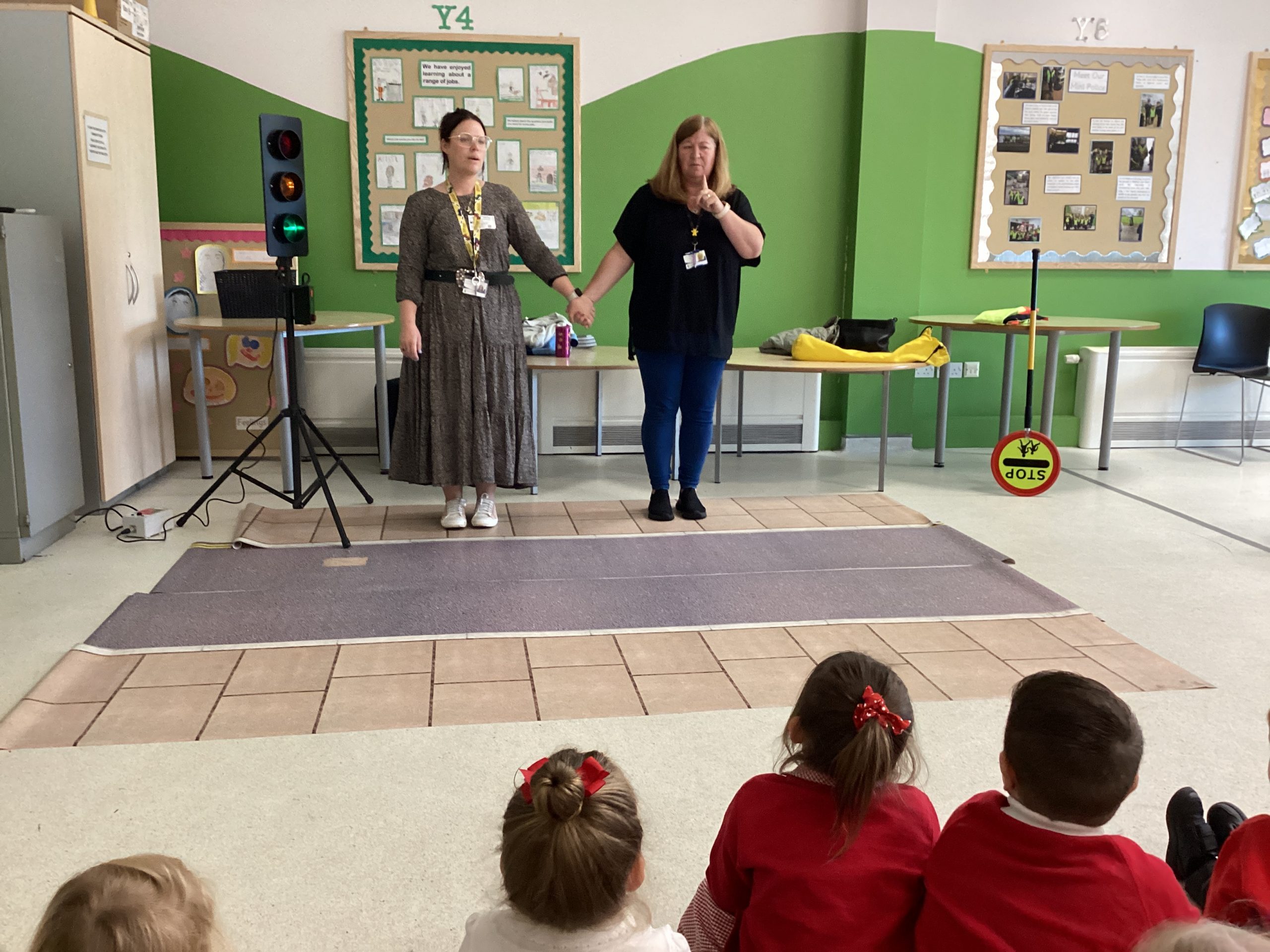
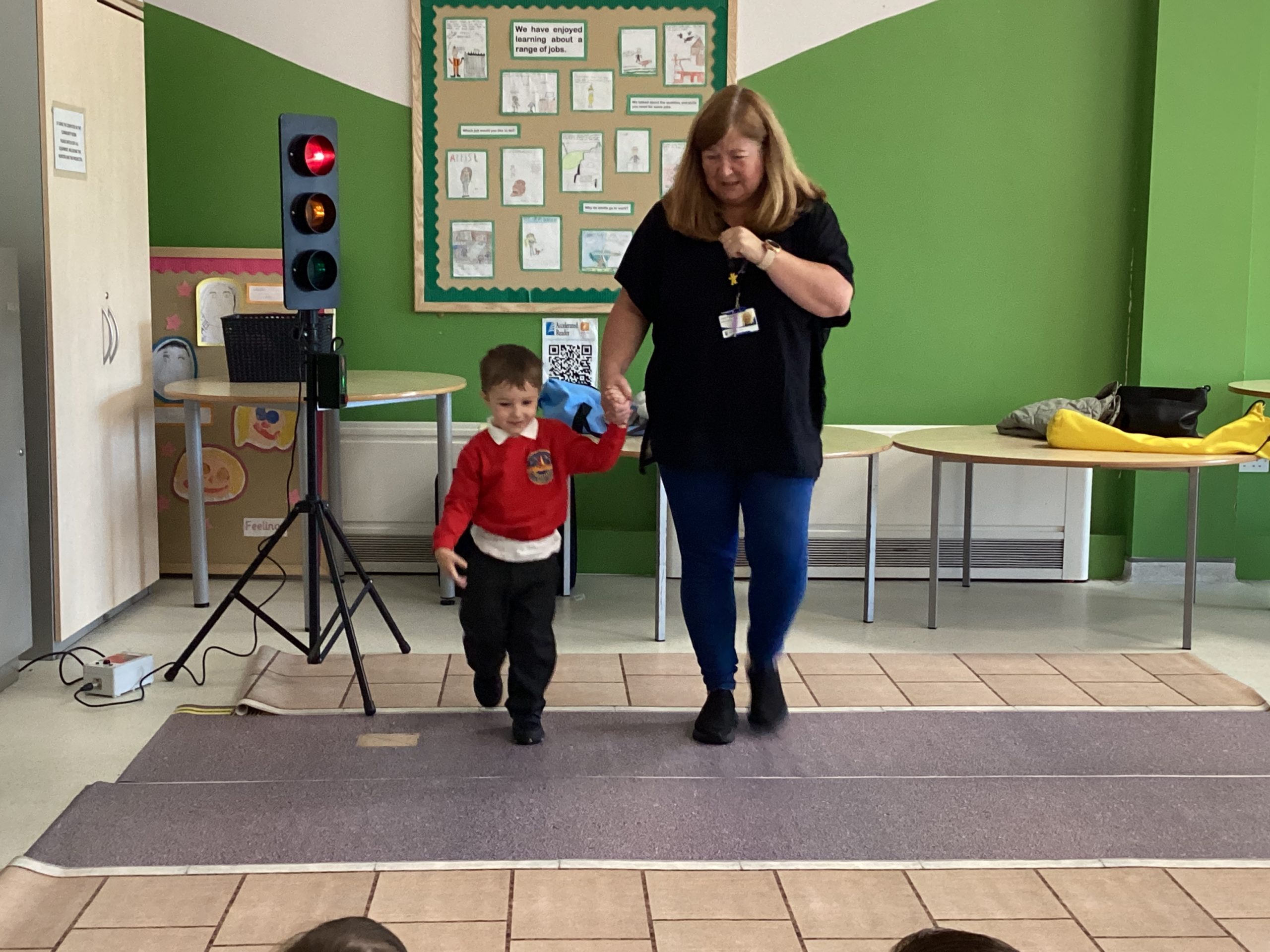
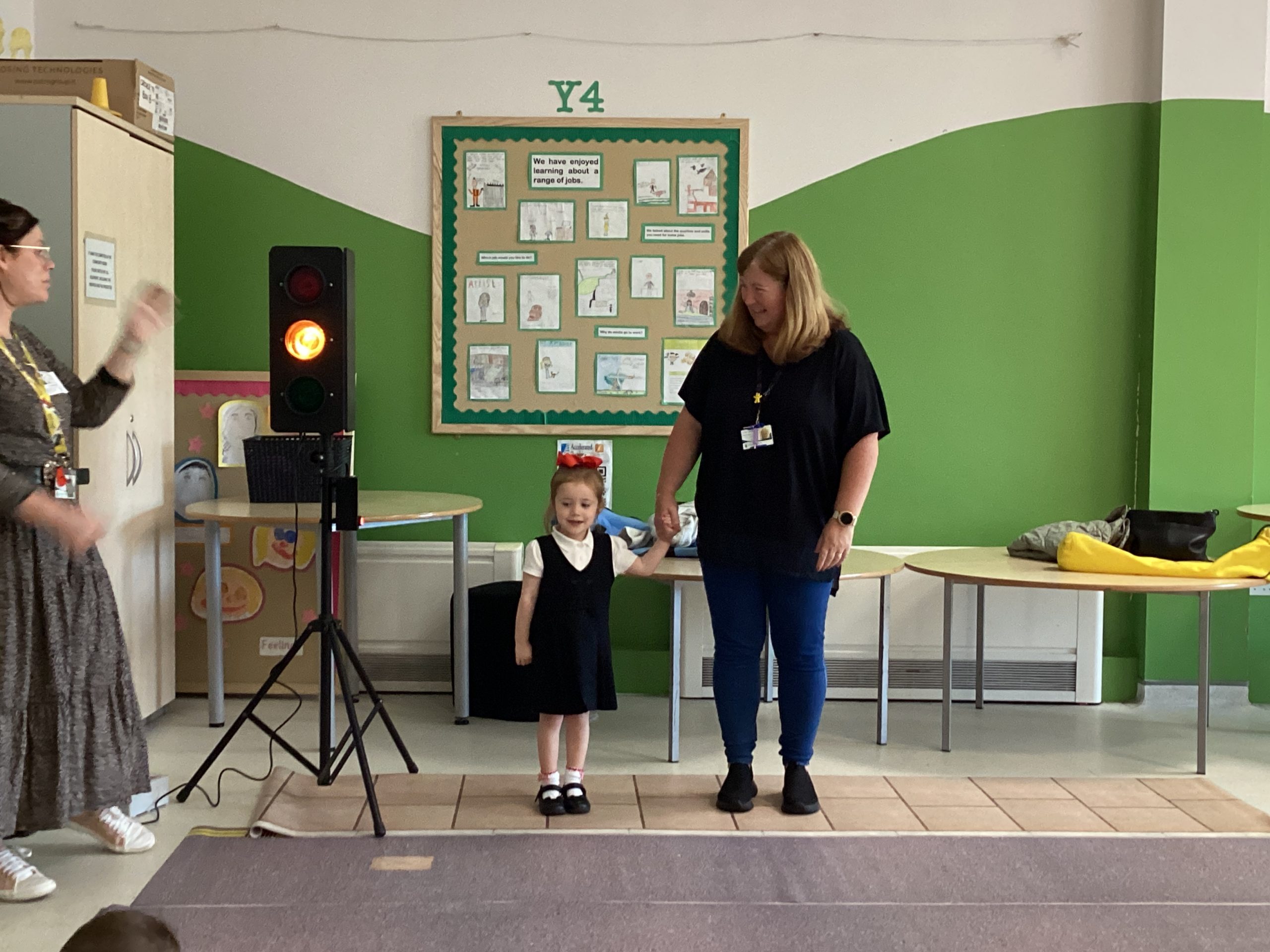
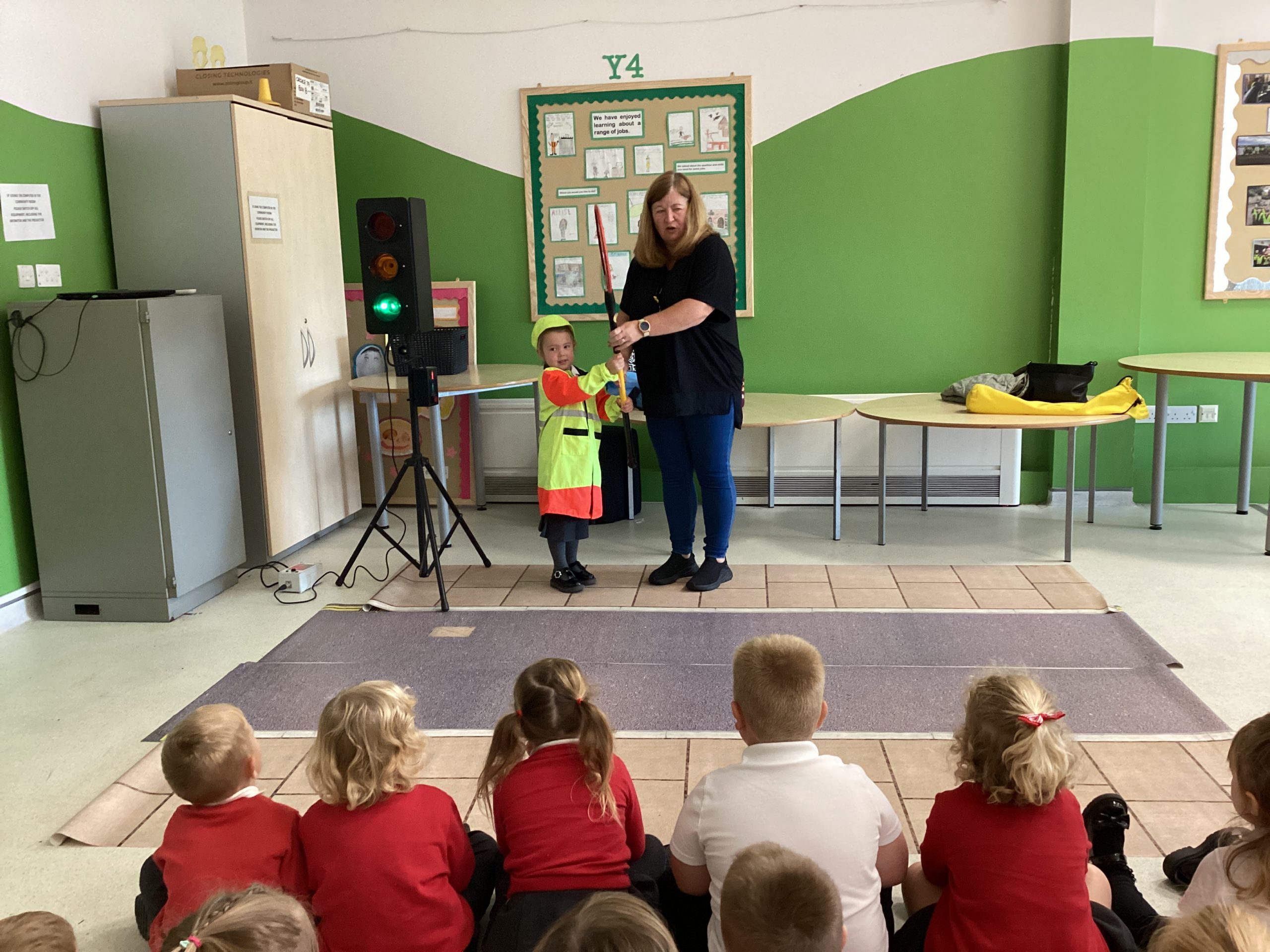
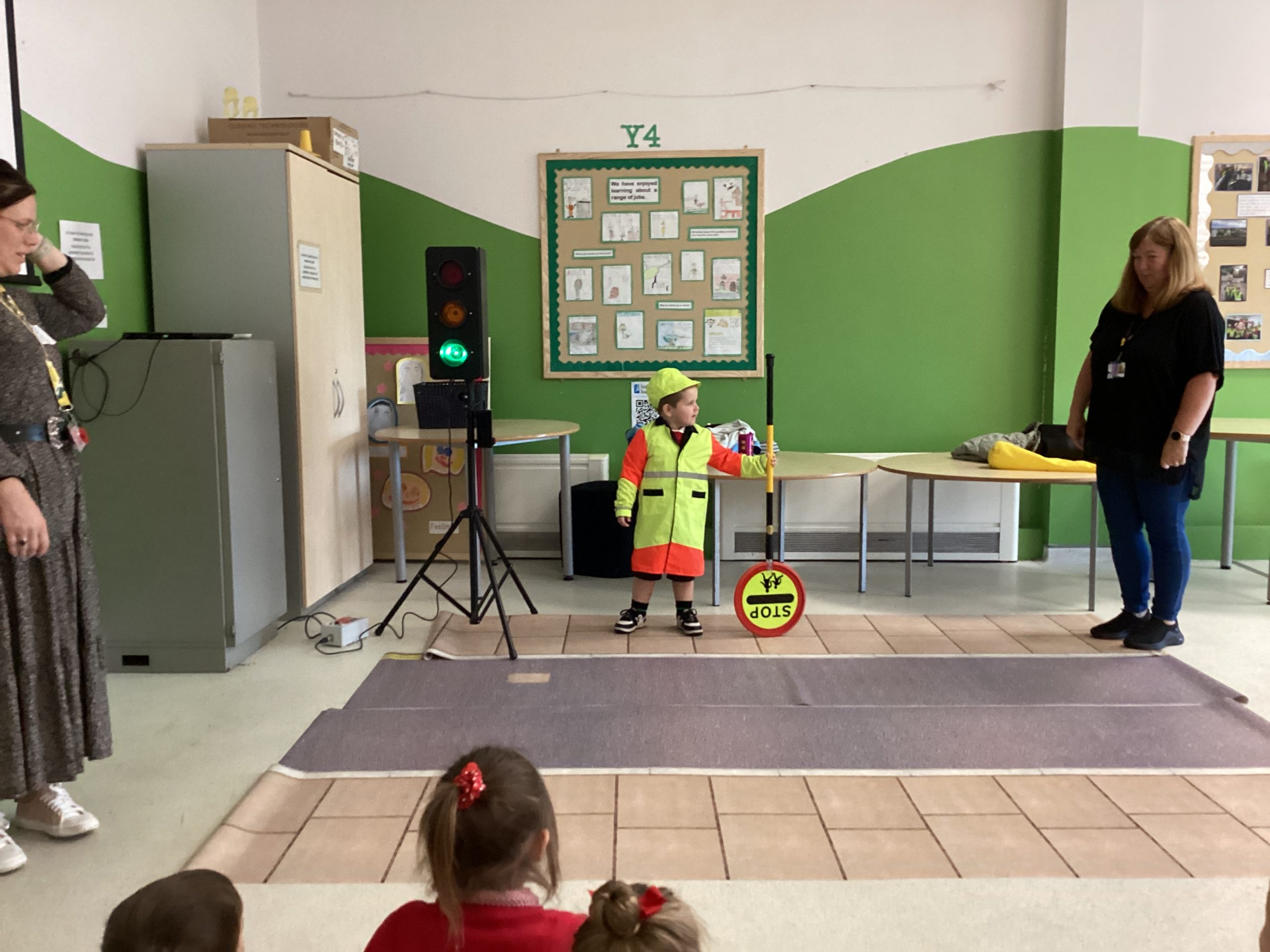
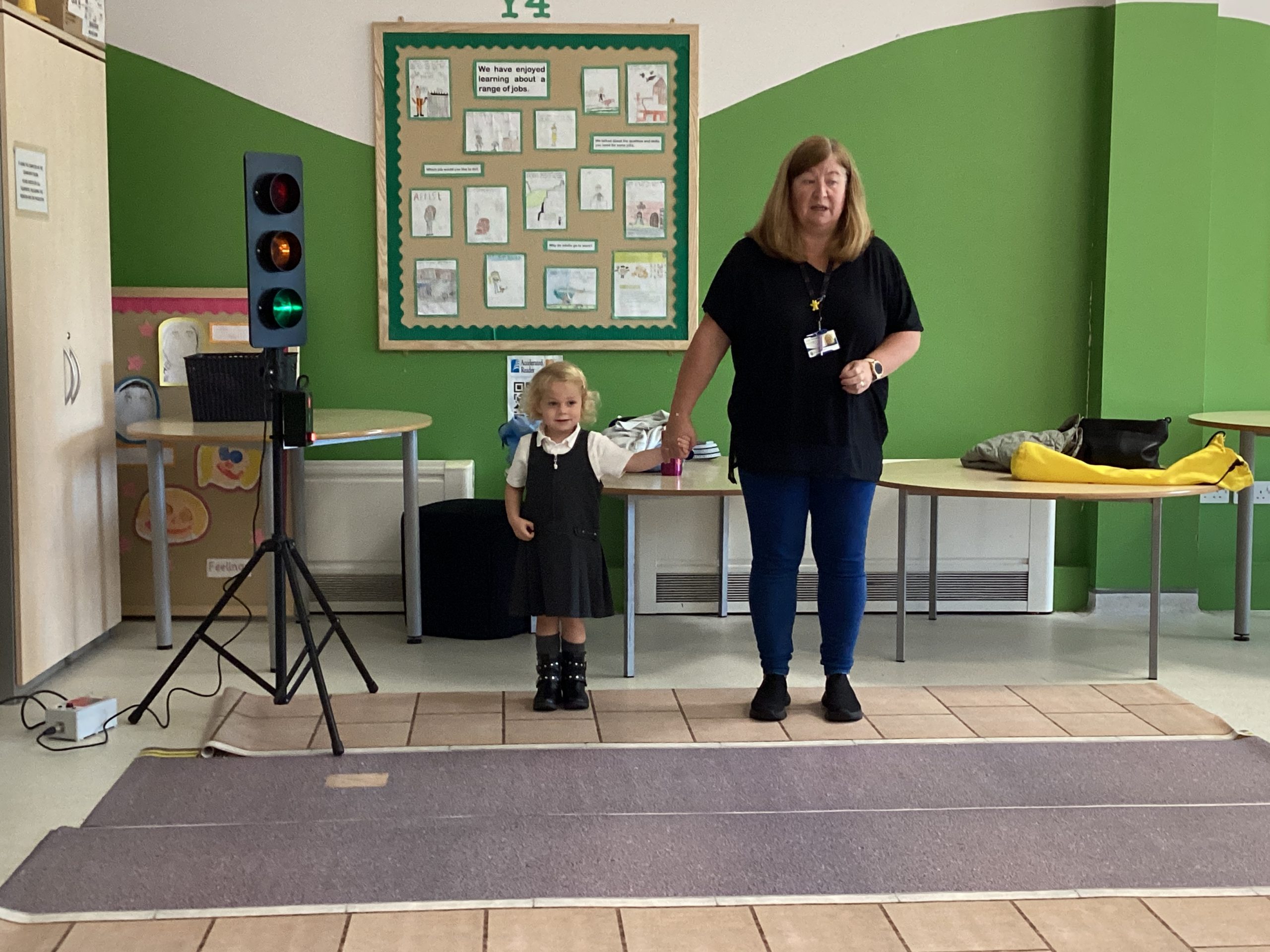
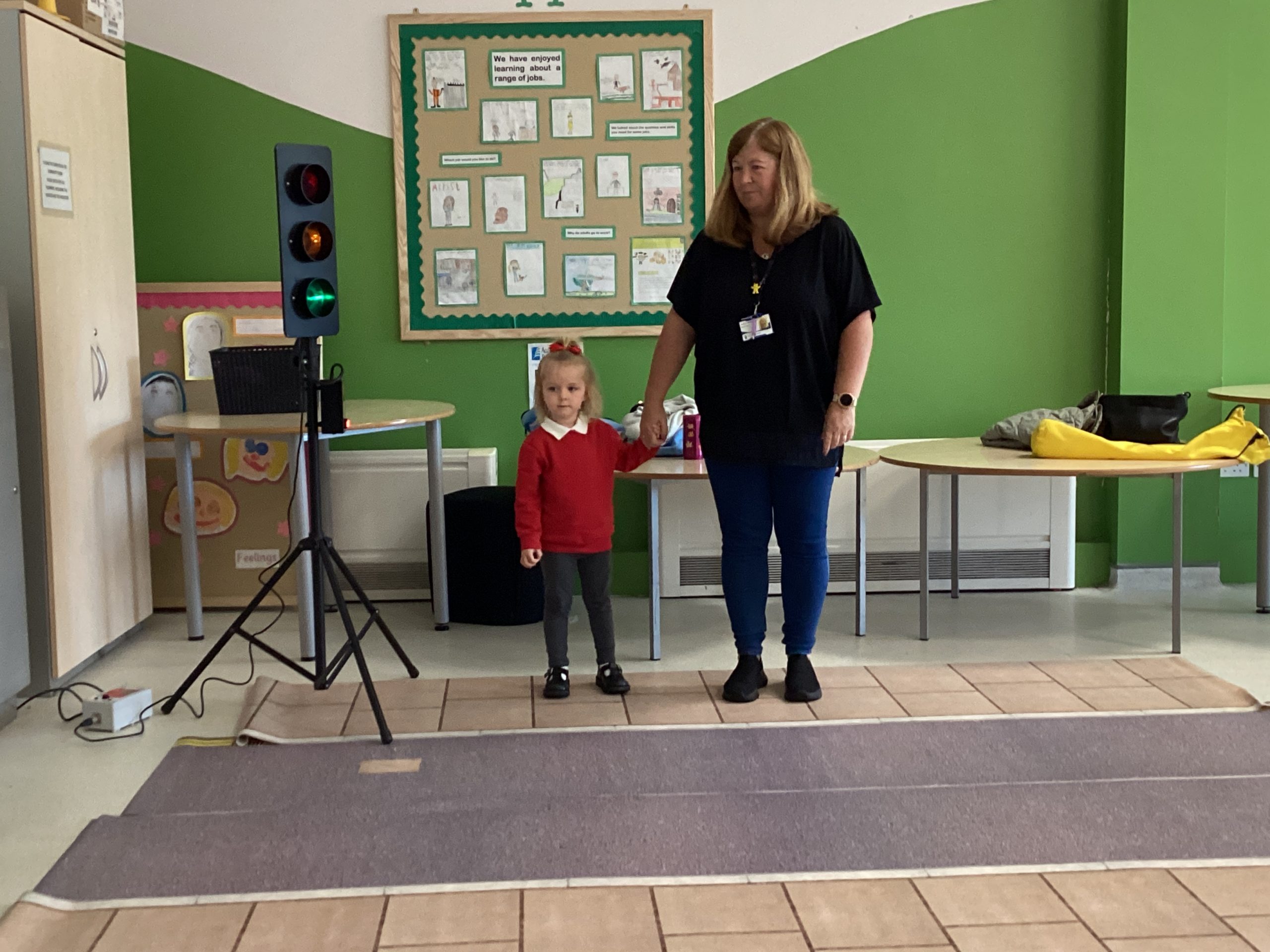
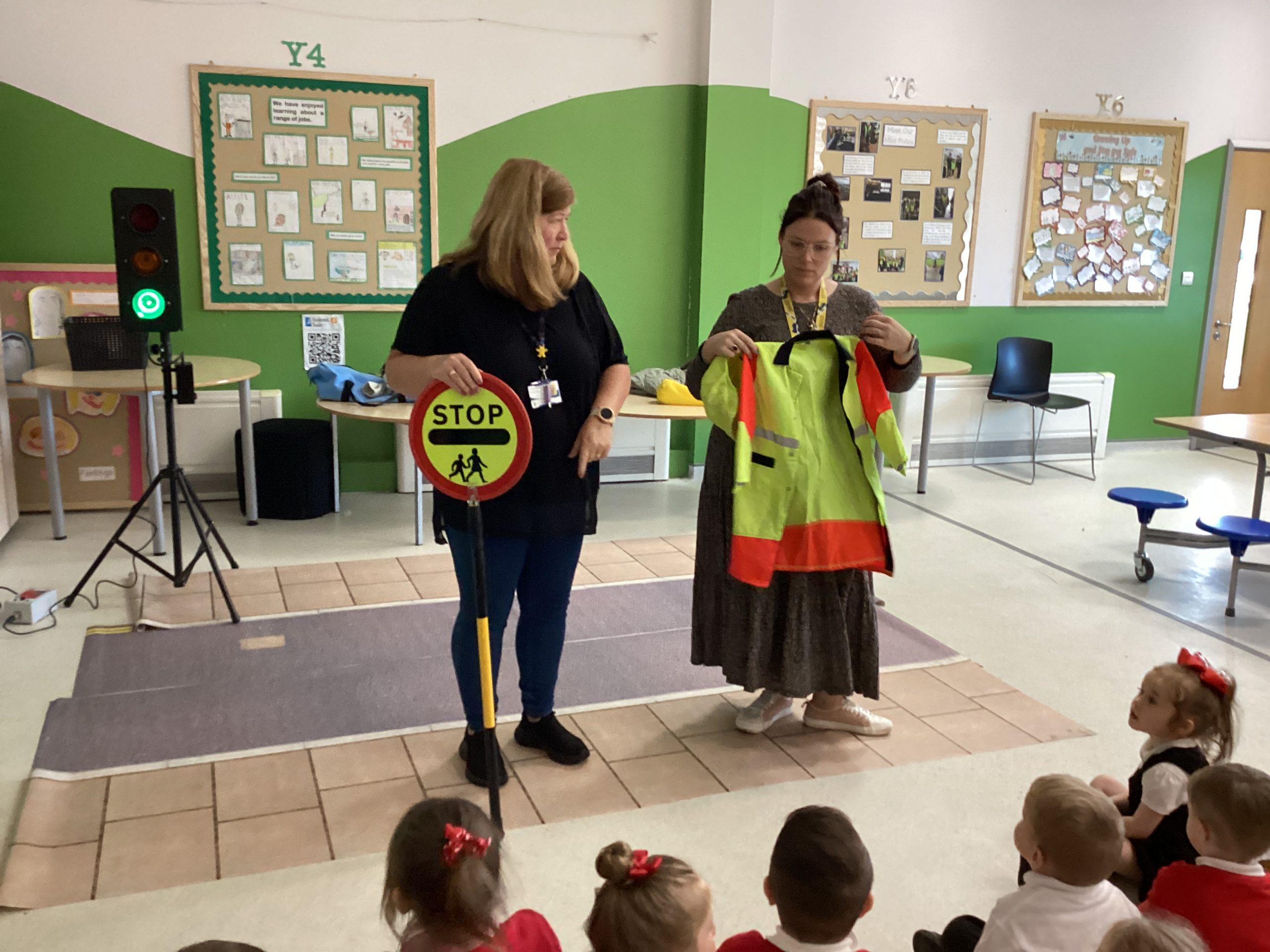
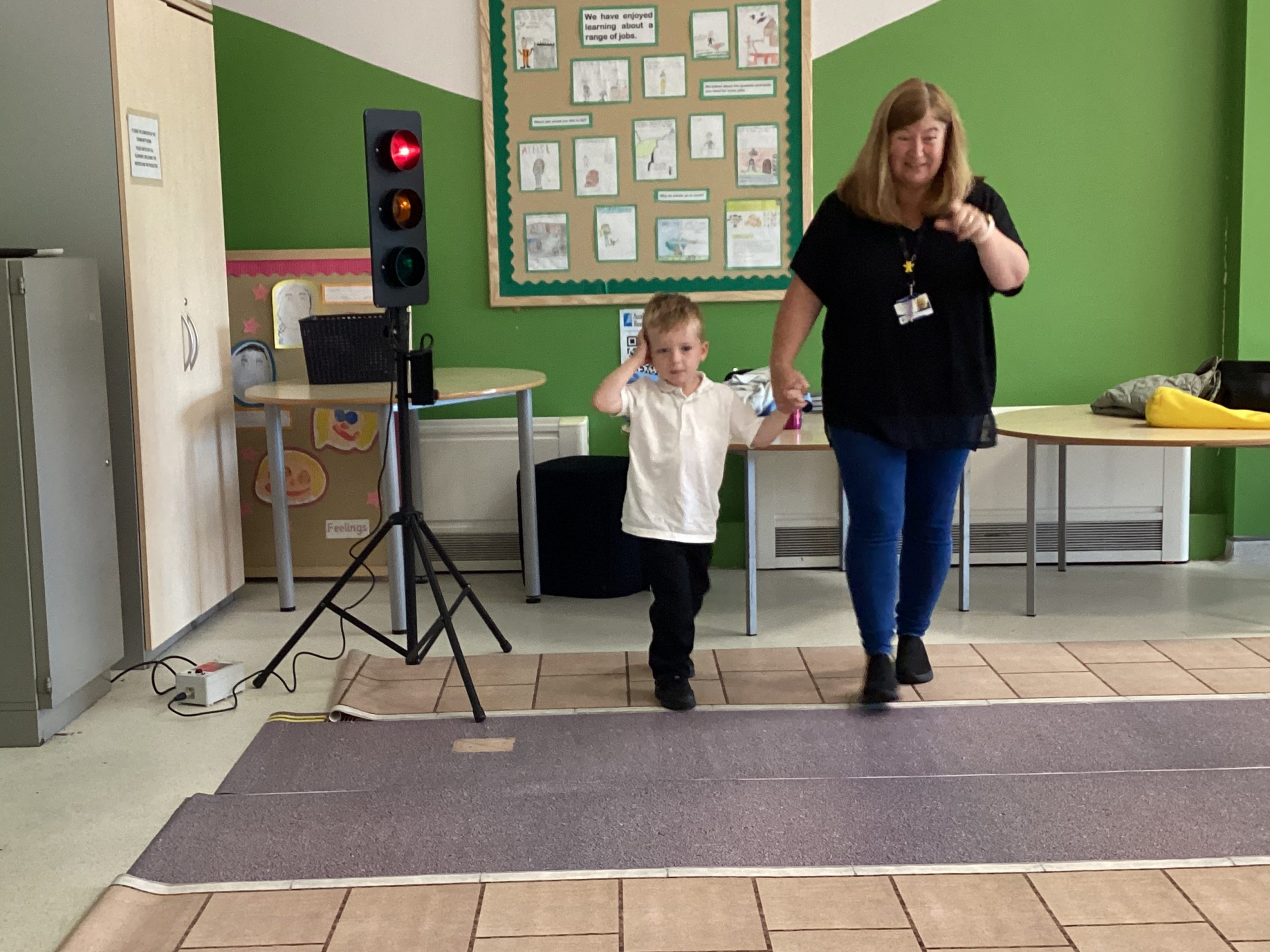
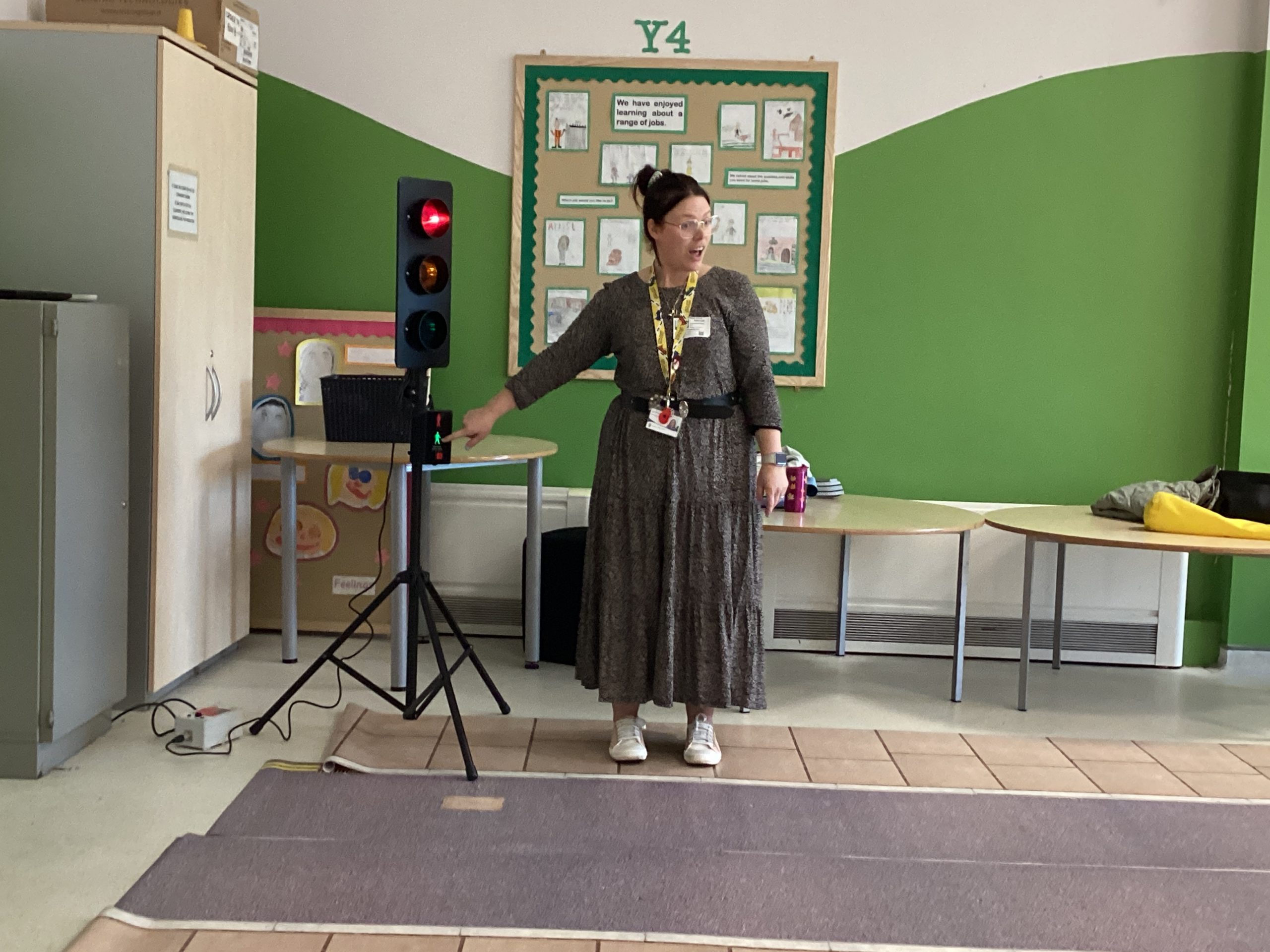
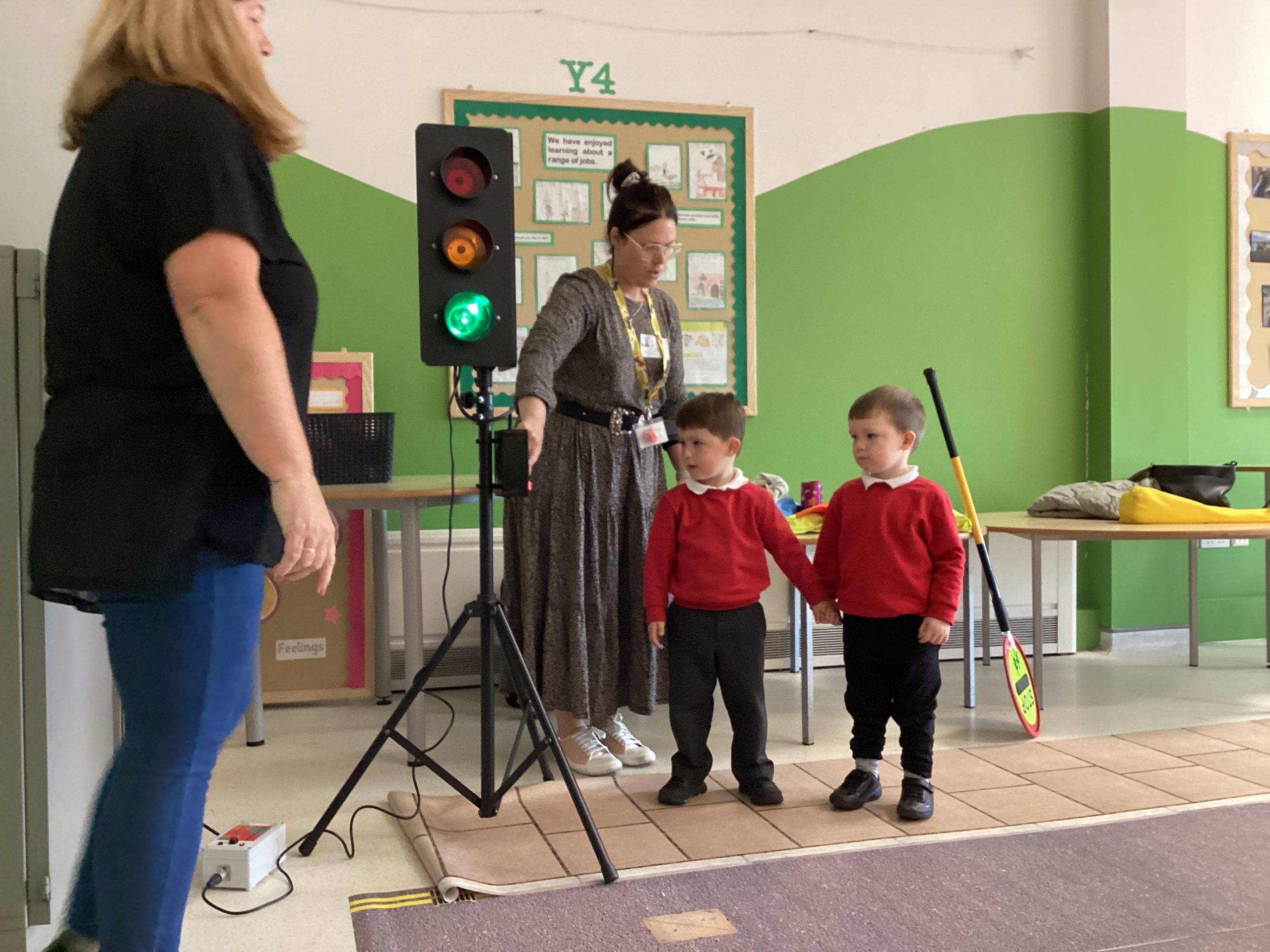
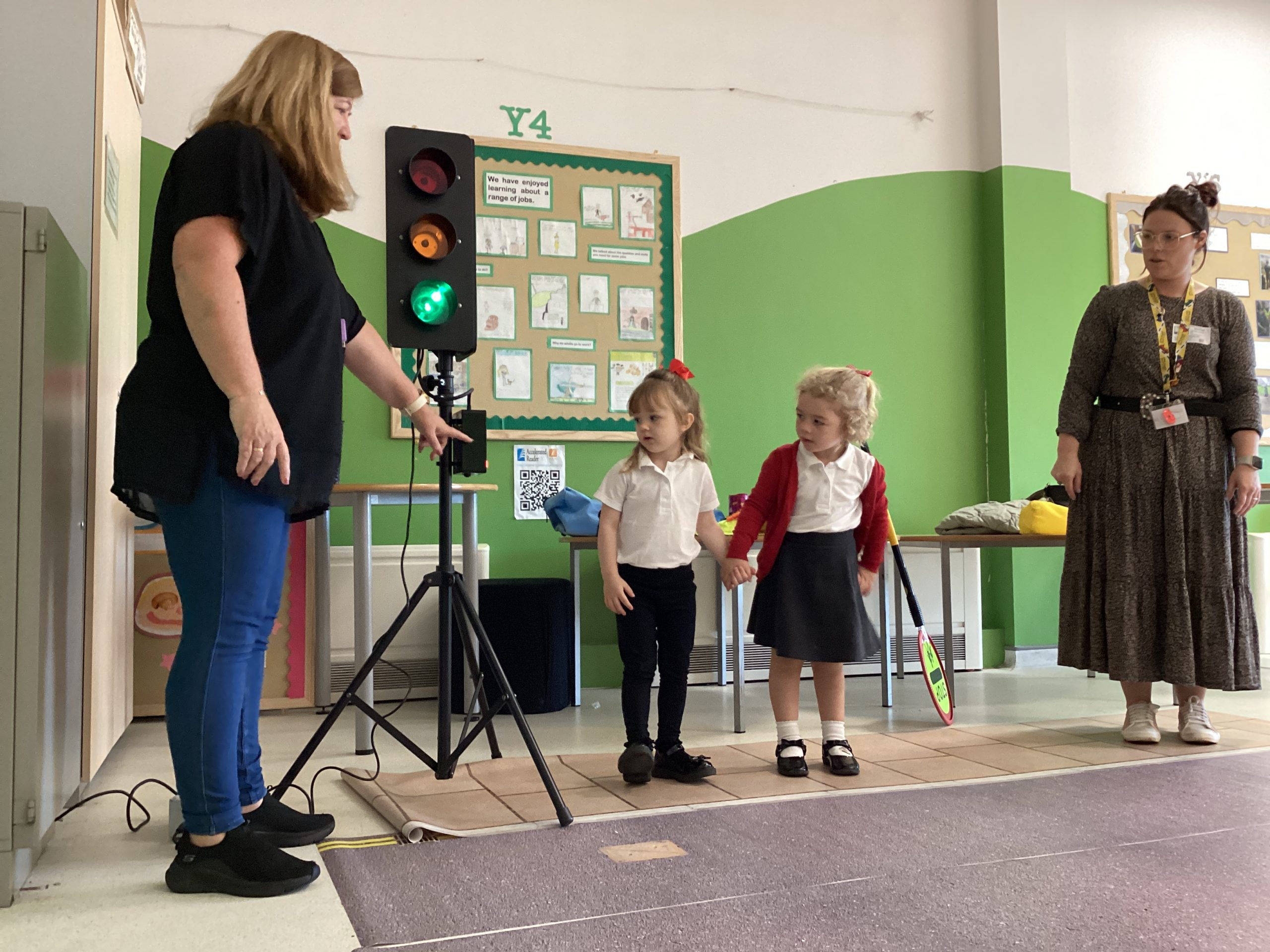
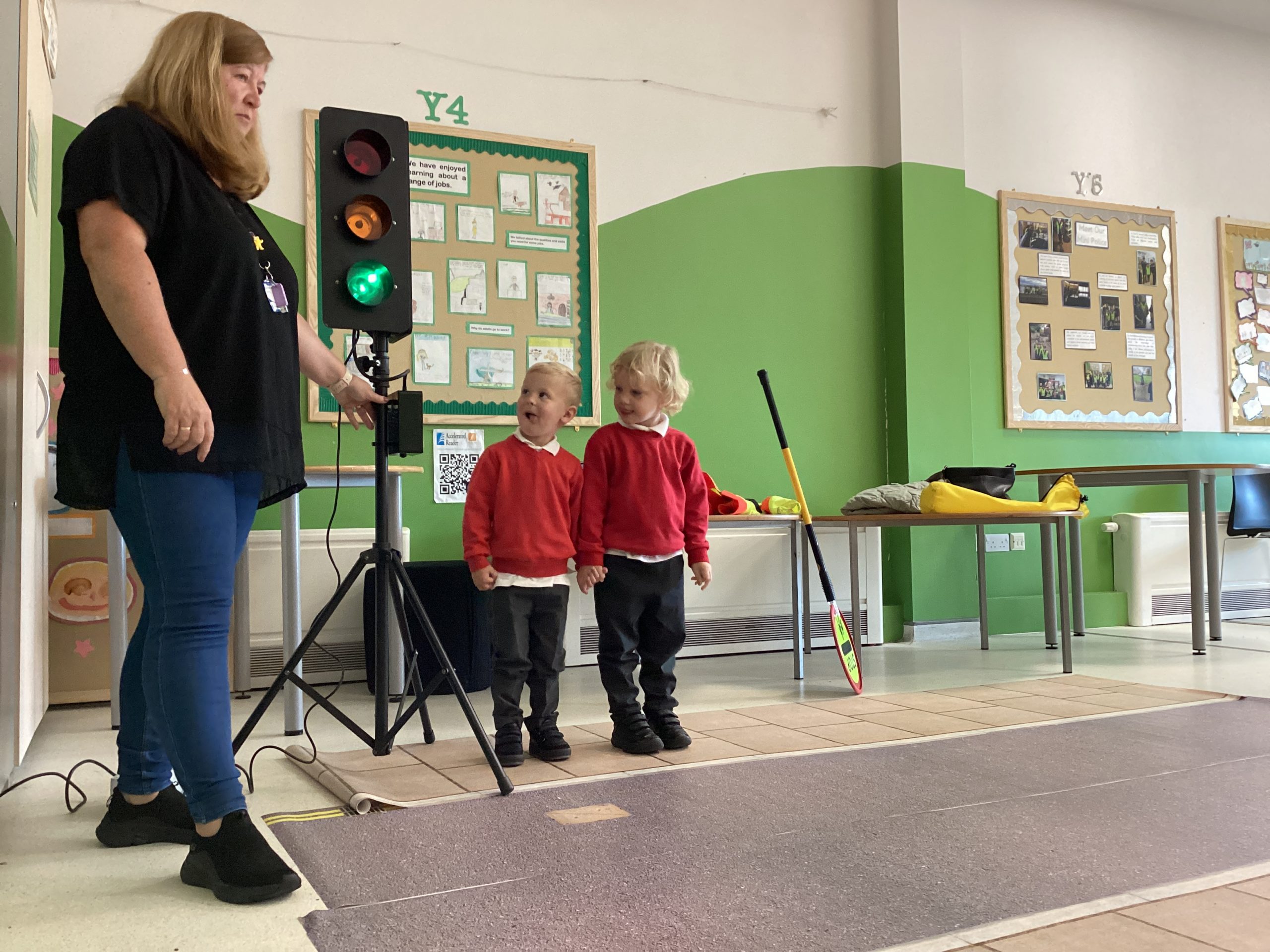
The children in Nursery took part in a road safety workshop. We now know how to cross the road safely by waiting for the green person and holding the hand of an adult.
It’s a description of encryption proscription! 
 The world’s most popular instant messaging service, WhatsApp has been appearing in the headlines even more often than usual recently over its opposition to aspects of the UK government’s Online Safety Bill
Encrypting messages to protect users’ privacy has undeniable merit, but it also poses obvious risks – especially to young people. Updated to reflect the newest version of WhatsApp, today’s #WakeUpWednesday guide brings trusted adults the latest essential info.
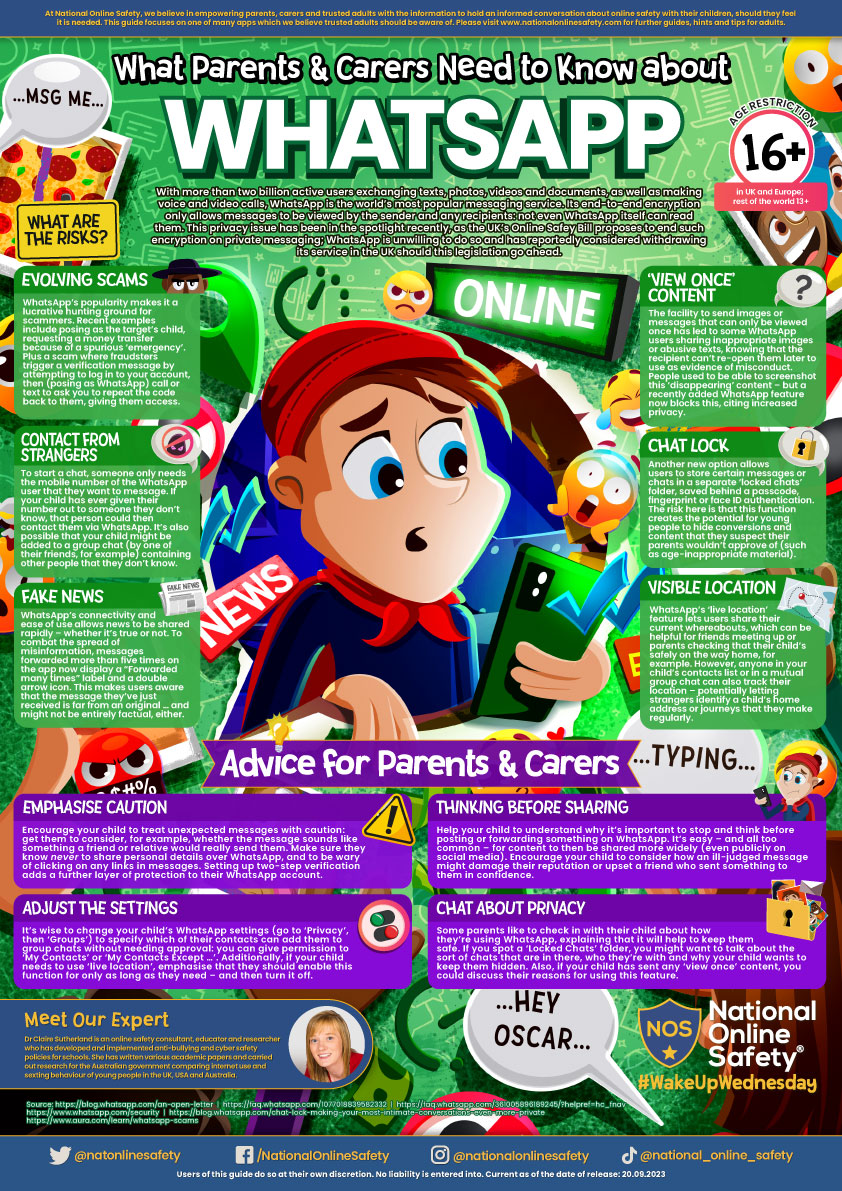
WhatsApp is the most widely used messaging platform on the planet, with over two billion users (forecast to become three billion by 2025), across more than 180 countries. The majority of those people (70%) open the app at least once a day – but what exactly are they seeing? Contact from strangers, fake news and convincing scams are all among the service’s well-documented hazards.
According to Ofcom, WhatsApp is used by more than half of 3- to 17-year-olds in the UK (including one in three from the 8–11 bracket), despite its 16+ age restriction. If your child hops onto WhatsApp to stay in touch with friends or family, our updated #WakeUpWednesday guide to the service contains the key details you’ll need to support them in doing it safely.
Almost half (46%) of 8- to 11-year-olds in the UK play online video games with people that they don’t necessarily know 
 While 55% of parents of young gamers worry that their child might be pressured into making expensive in-game purchases
Most children find gaming immensely enjoyable, but its volume of potential risks – and capacity to influence behaviour – often make it problematic for parents.
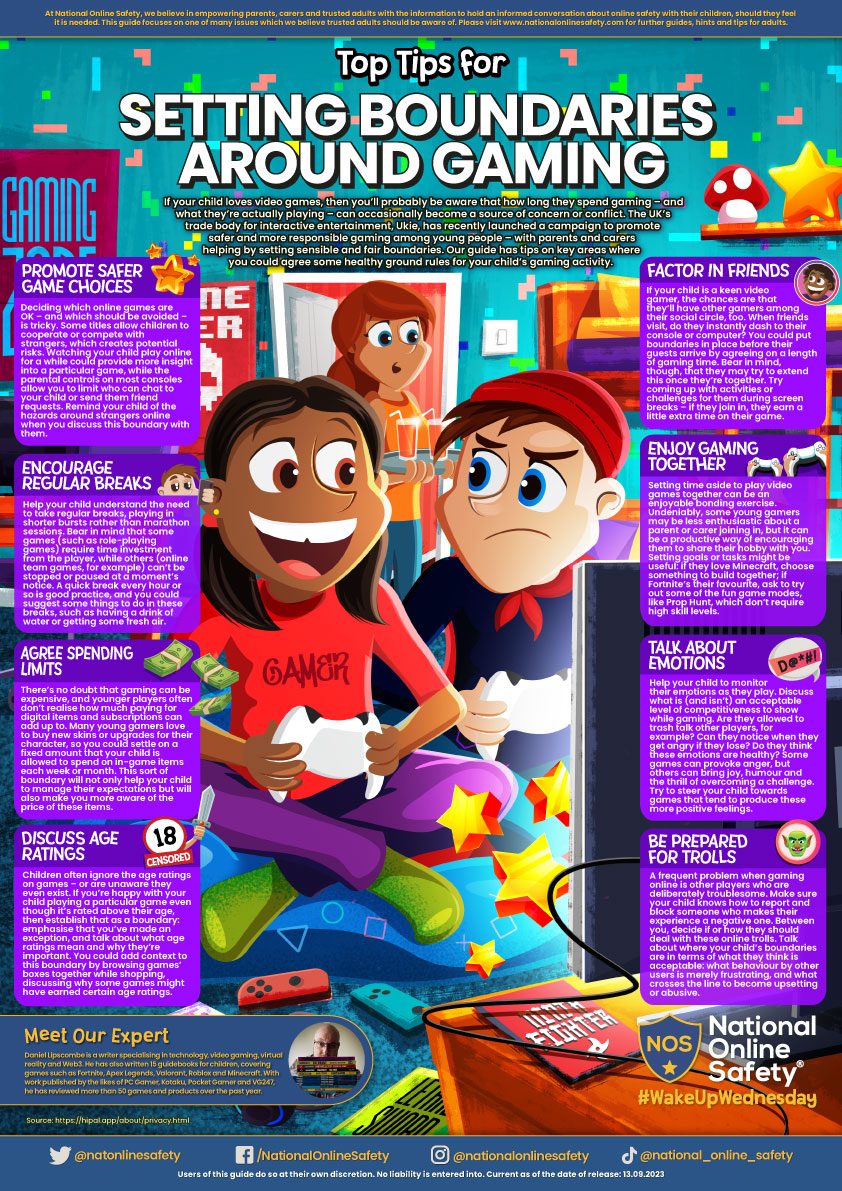
Behind video-sharing platforms (like YouTube) and streaming TV shows and movies, gaming is the third most popular online activity for children in the UK. In fact, according to recent data from Ofcom, an overwhelming 89% of children aged 3 to 17 play video games. Of those, more than one in five (22%) talk to other players online who they don’t know outside the game.
The risk of contact from strangers is just one of the reasons that many parents are concerned about their child’s gaming: increased screen time, inappropriate content and in-game spending also figure among the most frequent fears. Agreeing on some rules around your child’s gaming activities can certainly help, and our guide has some useful tips for establishing these boundaries.
Millennials are Messenger’s largest audience group, with the 25–34 age bracket comprising around a third (32%) of the app’s user-base. That’s not to say it’s unpopular with youngsters, however. Back in 2017, Facebook tried to launch a version for under-12s – Messenger Kids – but it was met with negative feedback: particularly in the UK, where it remains unavailable.
Users as young as 13 (and in all probability, many who are even younger) having access to an app which lets them chat privately with each other, exchange photos and potentially be contacted by older people who they don’t know brings its own obvious issues.
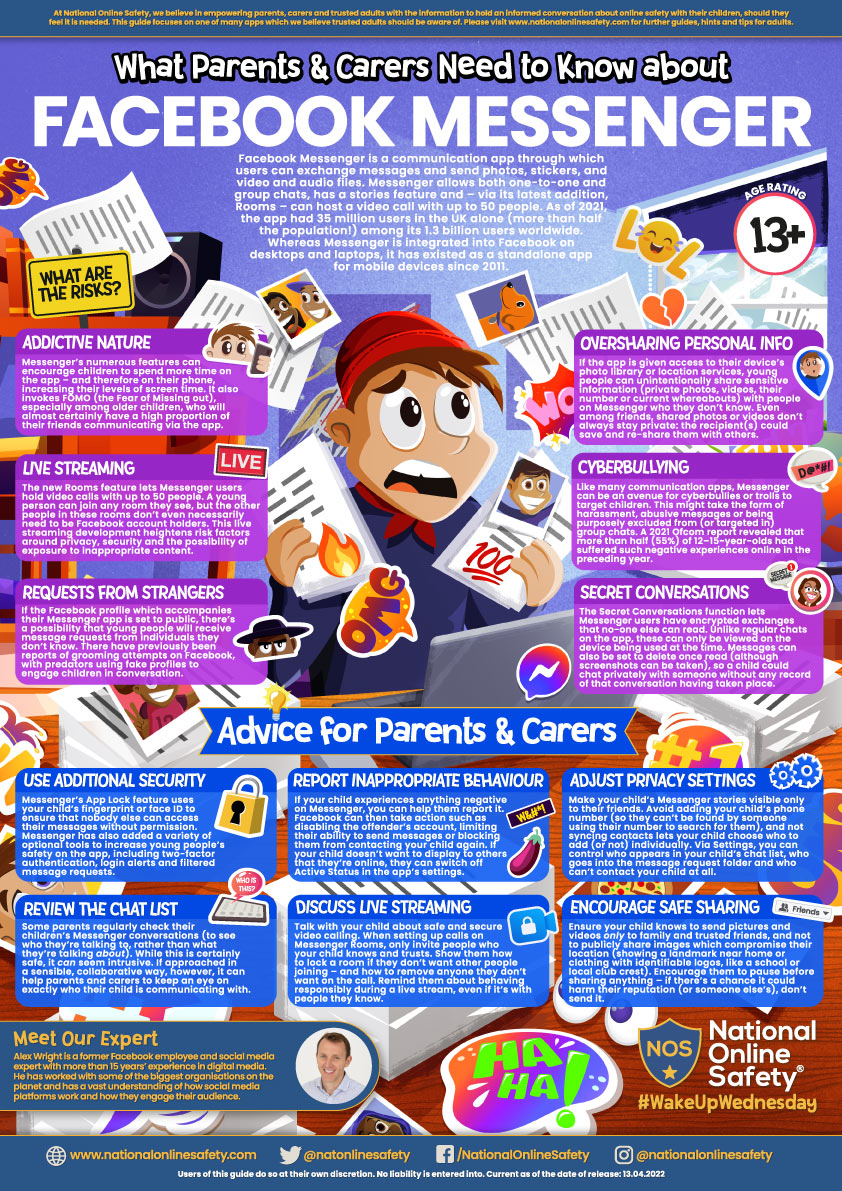
Facebook Messenger is a communication app through which users can exchange messages and send photos, stickers, and video and audio files. Messenger allows both one-to-one and group chats, has a ‘stories’ feature and – via its latest addition, Rooms – can host a video call with up to 50 people. As of 2021, the app had 35 million users in the UK alone (more than half the population!) among its 1.3 billion users worldwide. Whereas Messenger is integrated into Facebook on desktops and laptops, it has existed as a standalone app for mobile devices since 2011.
In the guide, you’ll find tips on a number of potential risks such as addiction, strangers and secret conversations.
Currently, group chatting is most popular among Millennials. Data from the USA, for example, reports that – whether they’re using WhatsApp, Snapchat, Facebook Messenger or any other platform – almost half (44%) of that 18–34 age bracket take part in at least one collective online conversation every day.
This is relevant because, of course, the schoolchildren of today are the 18–34s of tomorrow. Just like the current crop, online group communication will facilitate their blossoming social lives and expanding friendship networks.
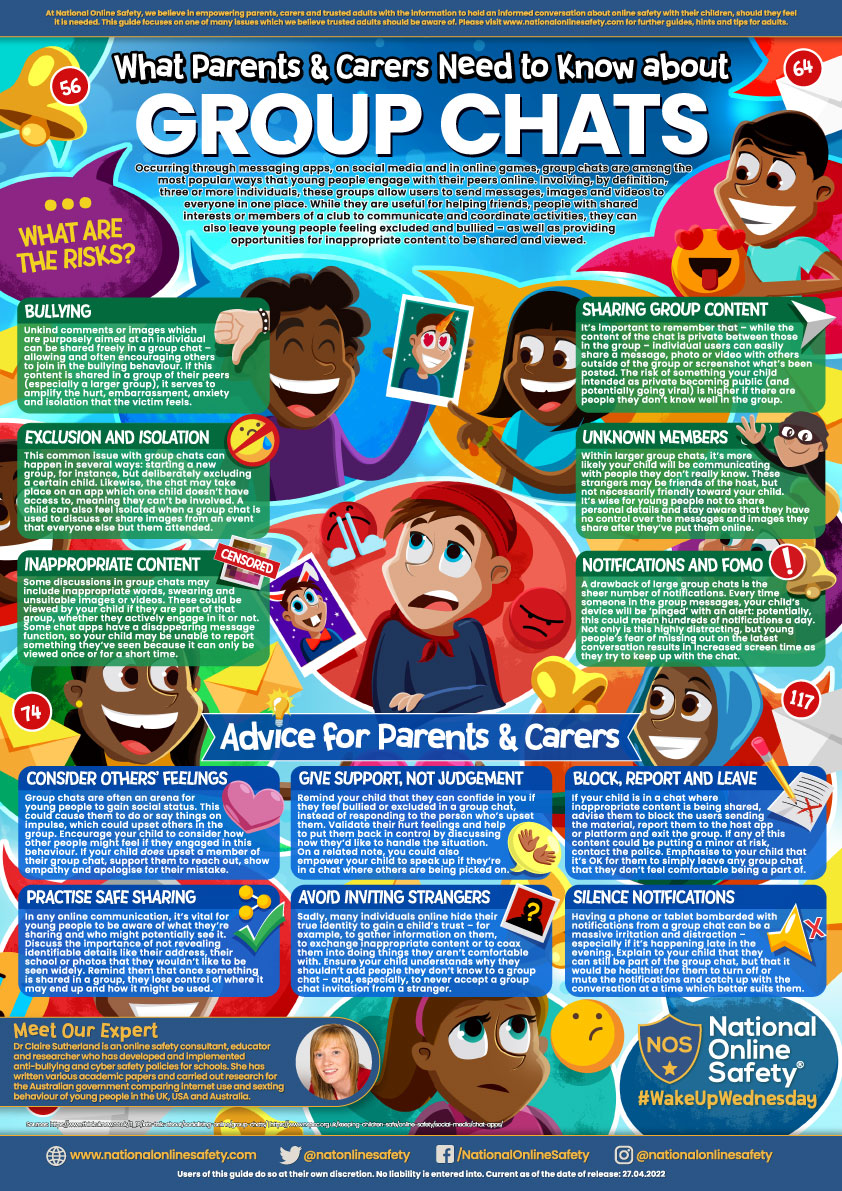
Occurring through messaging apps, on social media and in online games, group chats are among the most popular ways that young people engage with their peers online. Involving, by definition, three or more individuals, these groups allow users to send messages, images and videos to everyone in one place. While they are useful for helping friends, people with shared interests or members of a club to communicate and coordinate activities, they can also leave young people feeling excluded and bullied – as well as providing opportunities for inappropriate content to be shared and viewed.
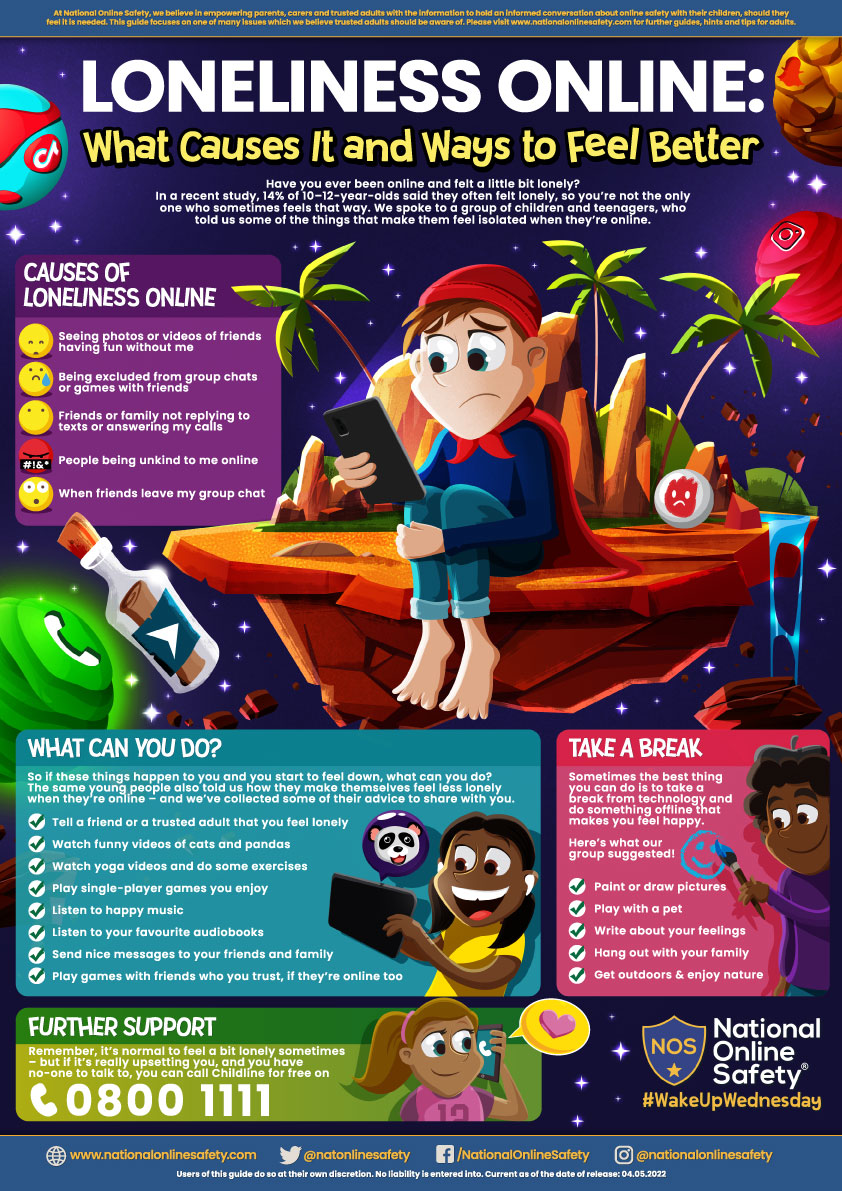
Does a child you know ever feel lonely when they’re online? In a study by the UK’s Office for National Statistics, 14% of 10–12-year-olds said that they DID often feel lonely – so any child experiencing those feelings is, sadly, far from unusual. To support Mental Health Awareness Week – which this year has the theme of ‘loneliness’ – we spoke to a group of children and teenagers, who told us some of the things that make them feel isolated when they’re online. They also suggested some ways they use technology to make themselves feel better when that happens, and we’ve compiled their ideas into a loneliness-busting #WakeUpWednesday guide.
In the guide, you’ll find tips such as taking breaks, playing single-player games and listening to your favourite audiobooks.
Research by the Mental Health Foundation found that loneliness has been exacerbated by the Covid pandemic, with more people experiencing it to an even more severe degree. This increased loneliness has contributed to higher levels of distress, resulting from people’s heightened feelings of isolation and diminished ability to connect with others.
The online world can help us feel more connected to people – but it can also leave us feeling even more cut off. For this week’s special #WakeUpWednesday guide, we canvassed the opinions of a group of young people, who told us what makes them feel lonely online … and how they use their digital devices to lift their spirits
In Year 2, as part of our work in Health, Wellbeing and Relationships, we’ve been learning about ways to be healthy. Last week, we were learning about the benefits of exercise so we decided to create our own Joe Wicks inspired fitness video. We hope you enjoy it!
Y2L were one of the lucky winners of a competition to design a milkshake. As our prize, we go to visit Embleton Hall Dairy Farm to find out how milk gets from the cow to the cartons we drink every day in school. We had a session with Animal Encounters, a tour of the farm’s fields and cow sheds to complete an activity trail, saw the milking robots milking cows, visited the nursery to see the calves and visited the dairy’s production plant to see the milk getting put into cartons! We had such an amazing day and learnt so much.


Children in Year 2 from across South Tyneside were invited to enter a competition to design a milkshake. We were the lucky winners and today Y2W visited Emblton Dairy Farm to find out how milk gets from the cow to the cartons we drink every day in school. We had a session with Animal Encounters, a tour of the farm’s fields and cow sheds, saw the milking robots milking cows, visited the nursery to see the calves and visited the dairy’s production plant to see the milk getting put into cartons! We had such an amazing day and learnt so much…even if we did get a little bit wet!


