Reception performed their final stay and play. We sang songs, decorated cakes, biscuits and created a hanging decoration. We ended our stay and play by showing our amazing dance moves. We had so much fun!!!
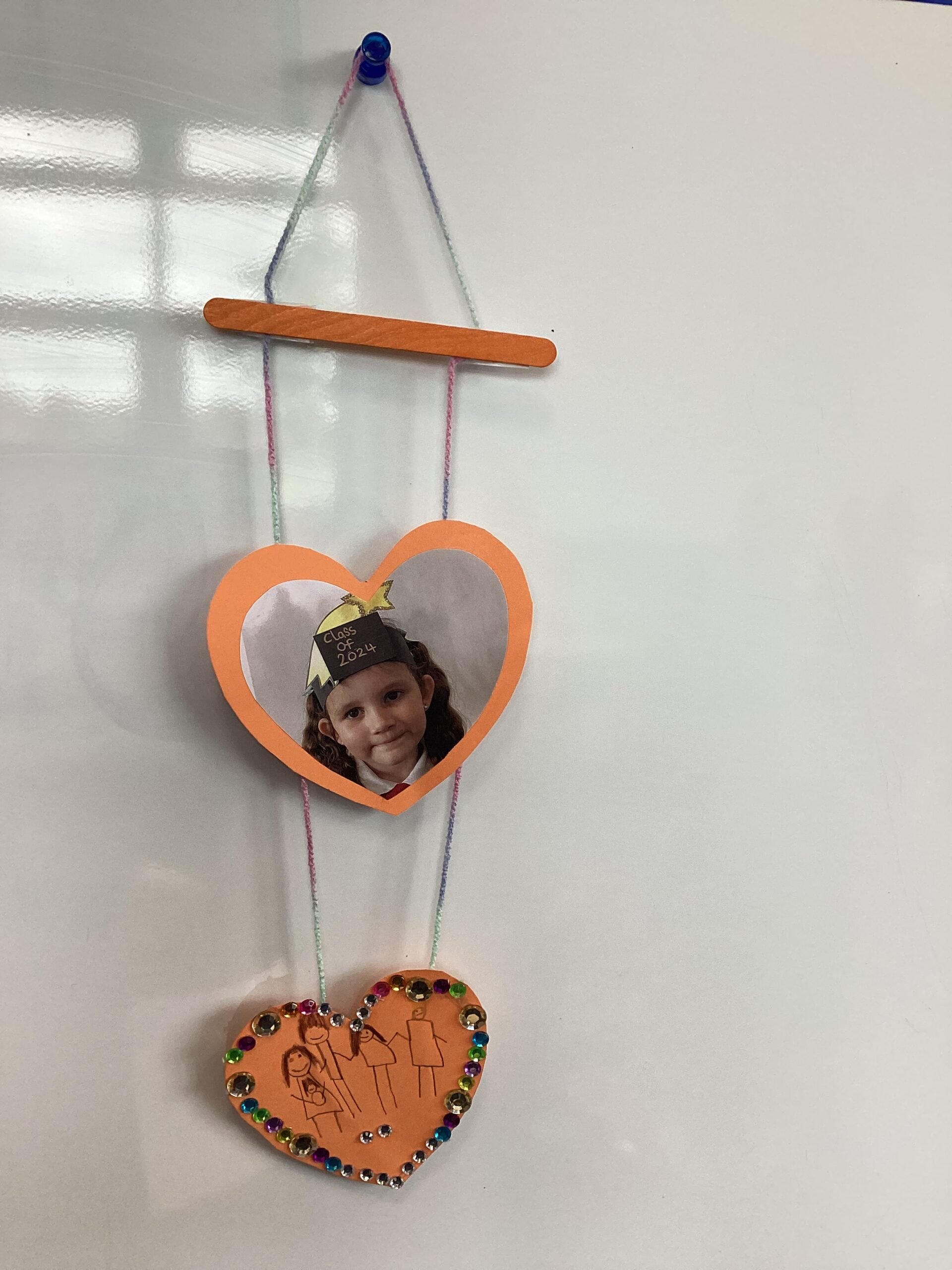































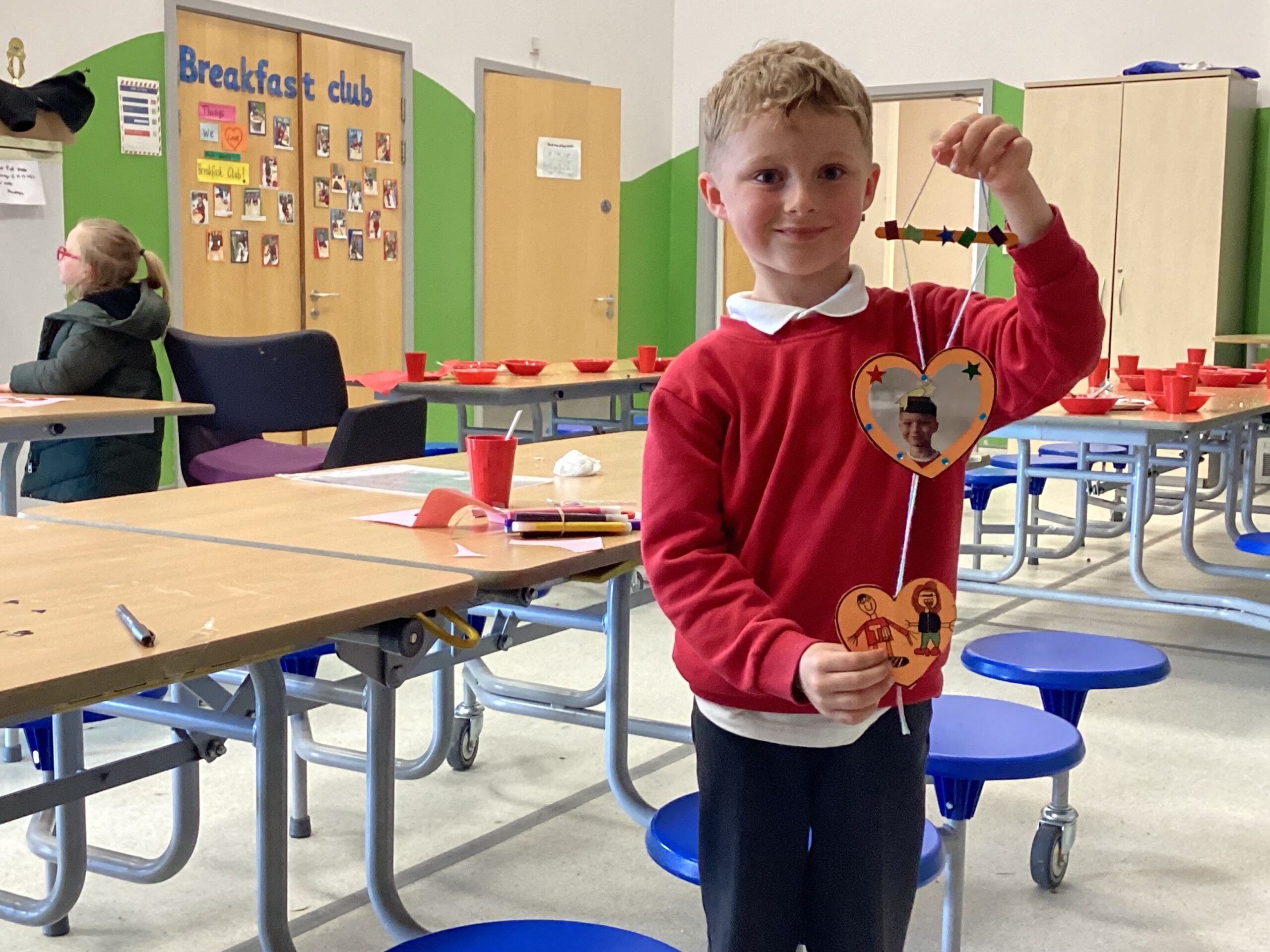

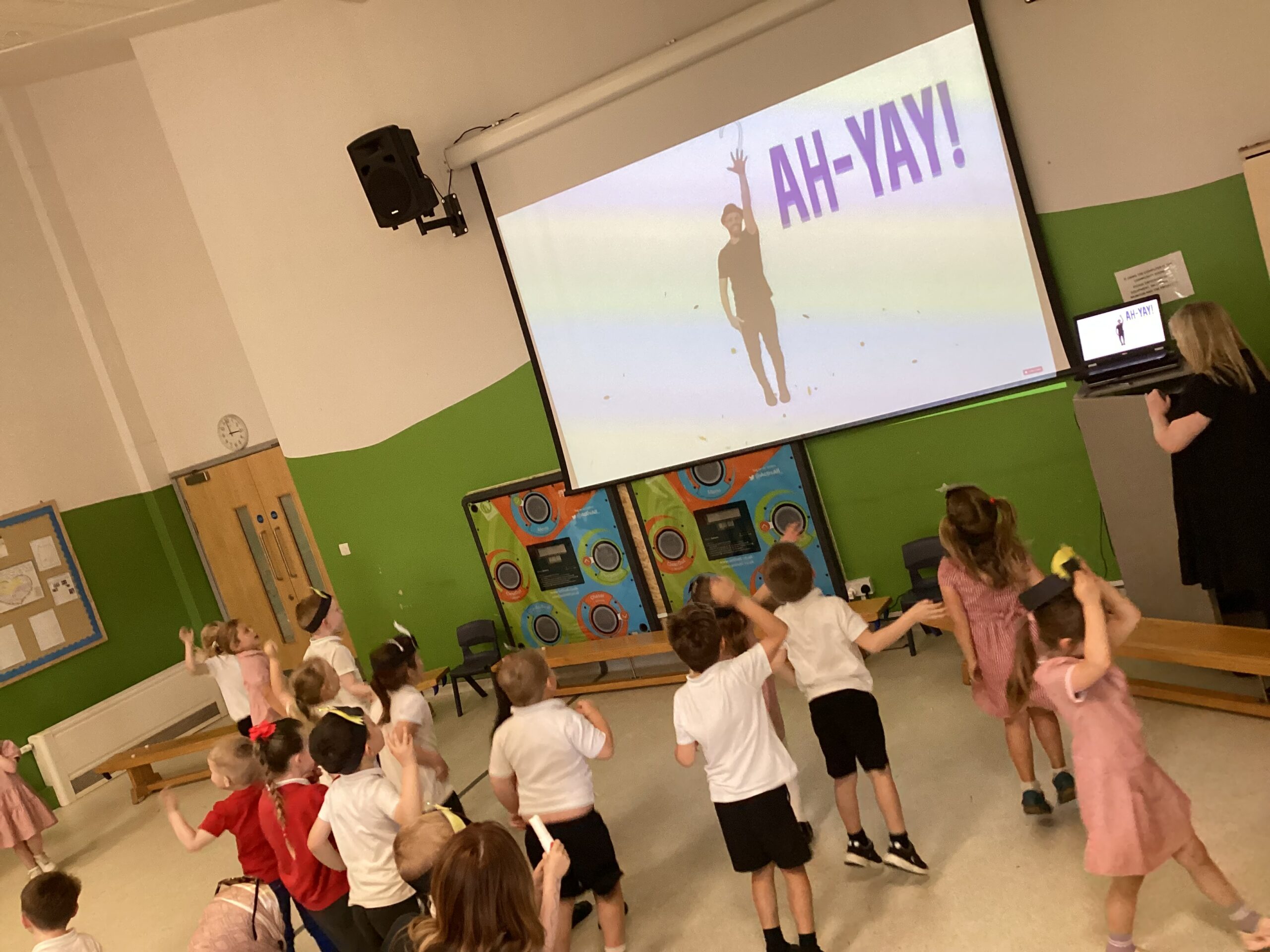














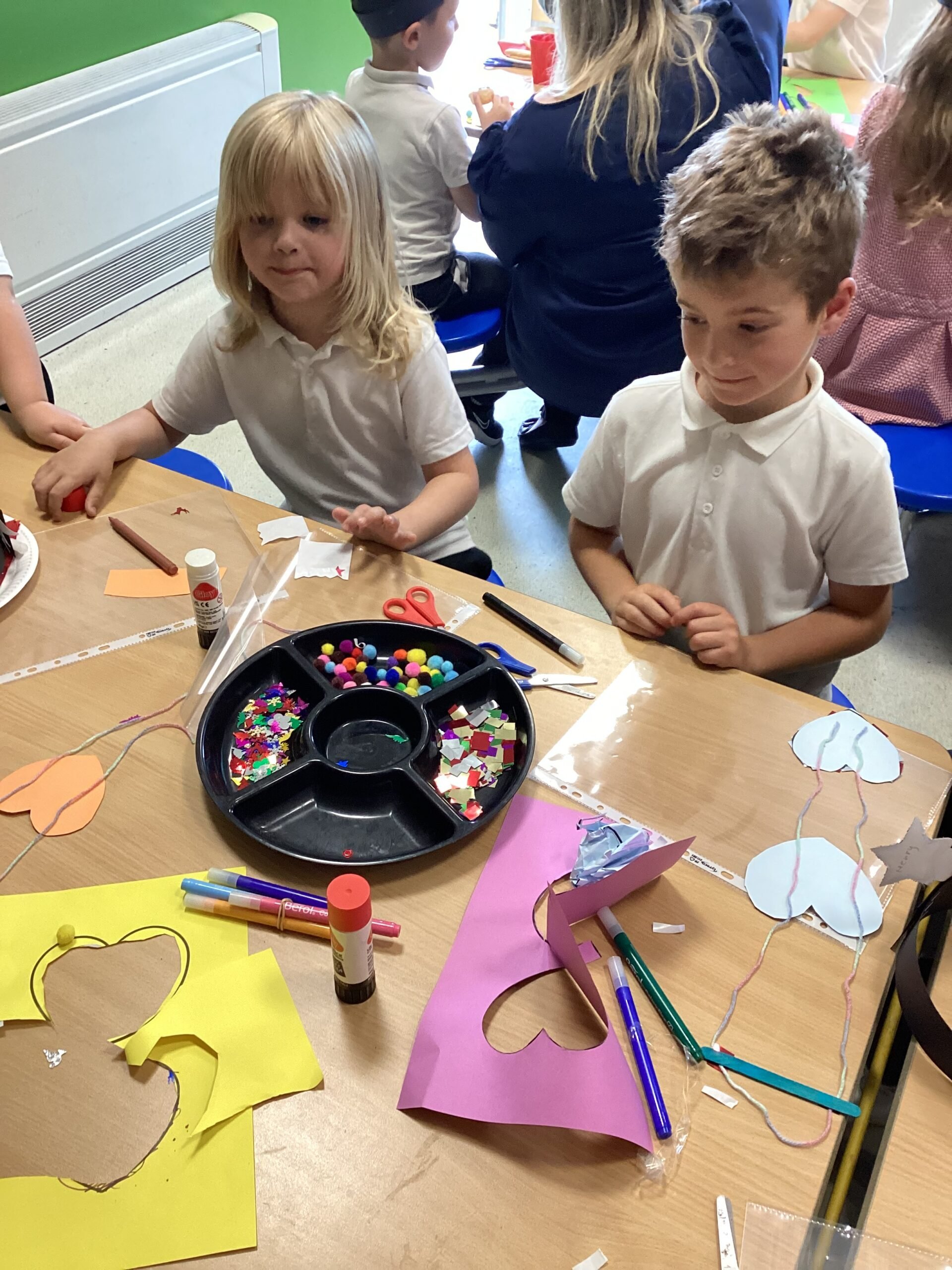








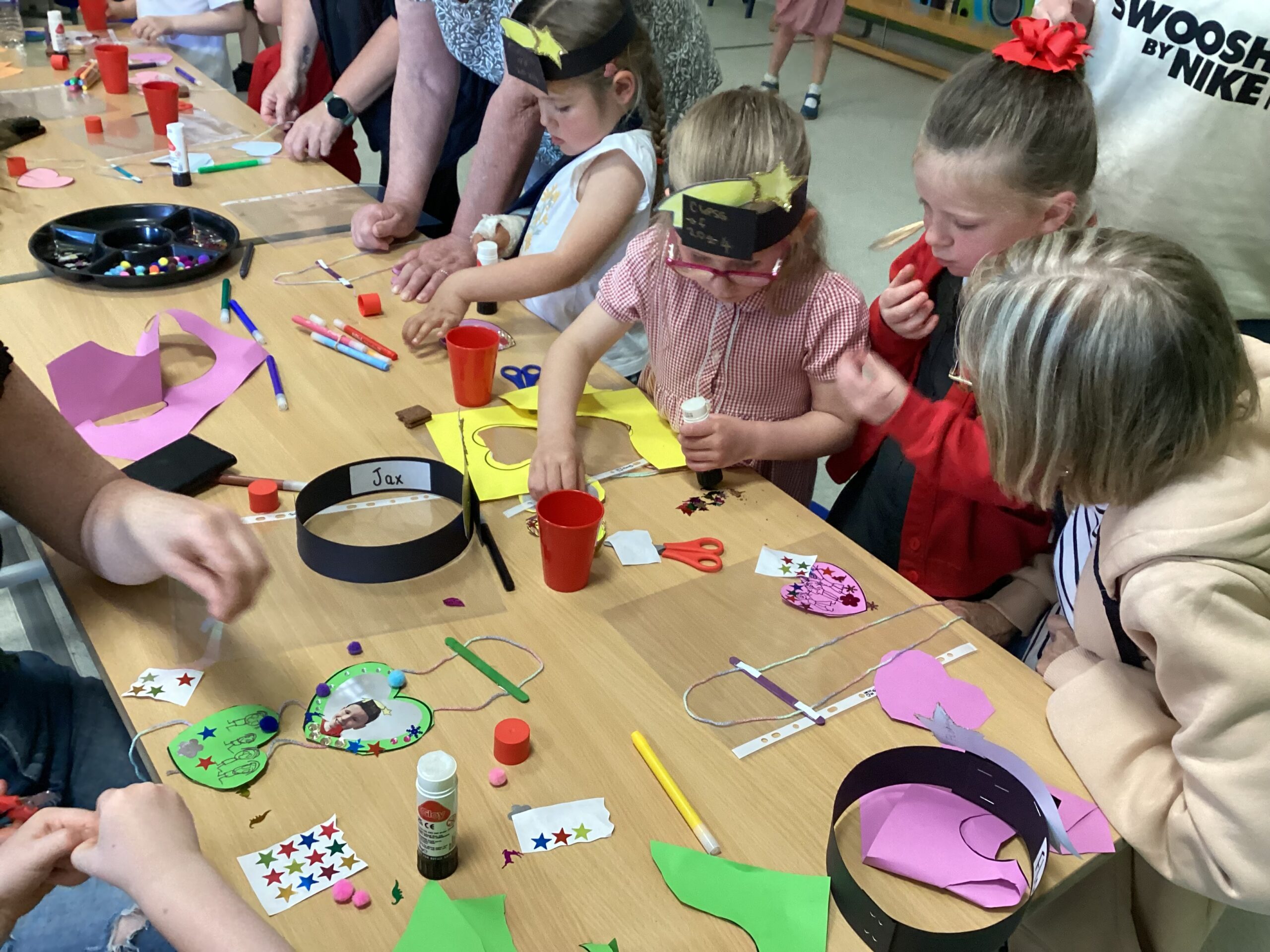
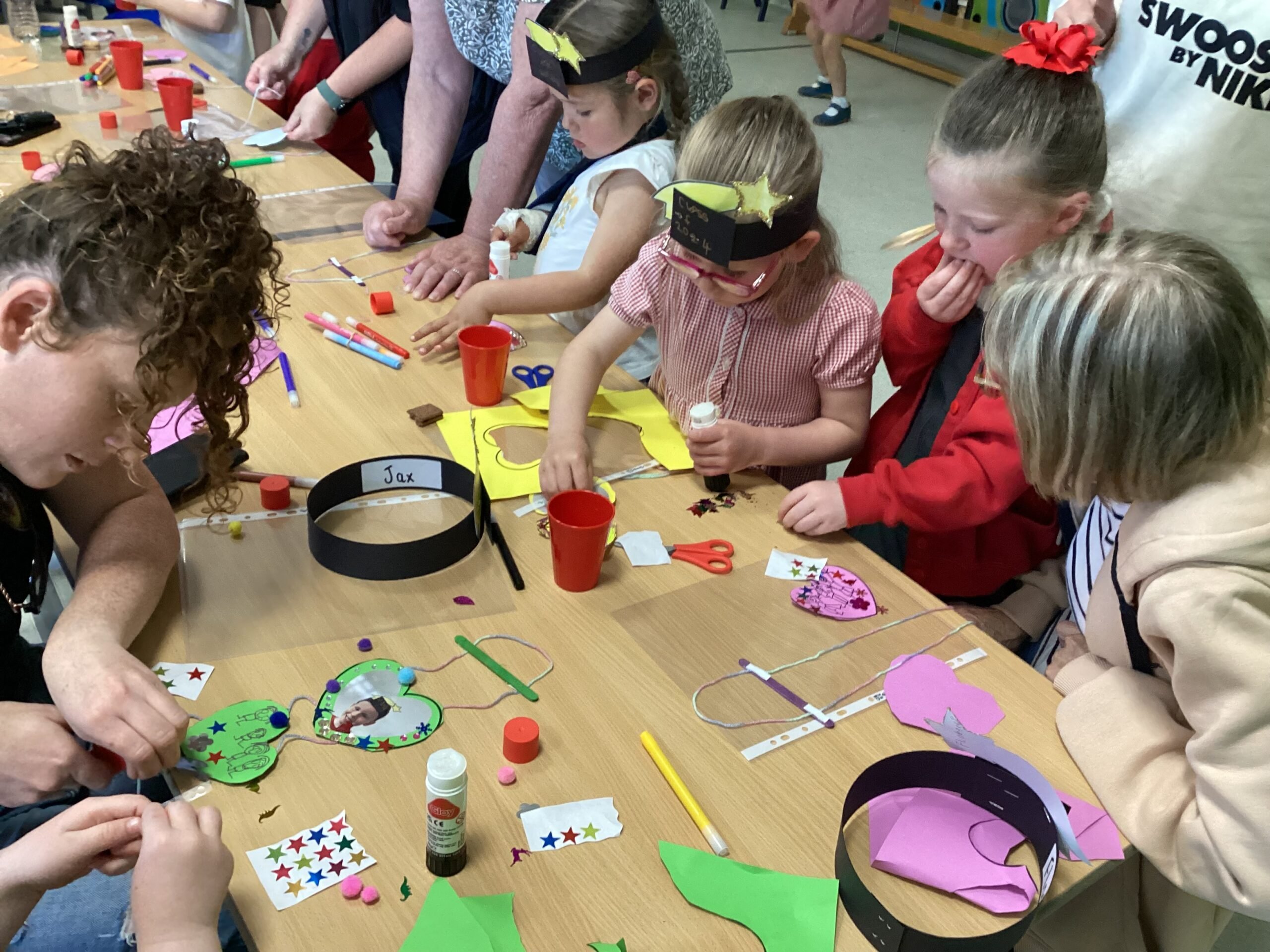


















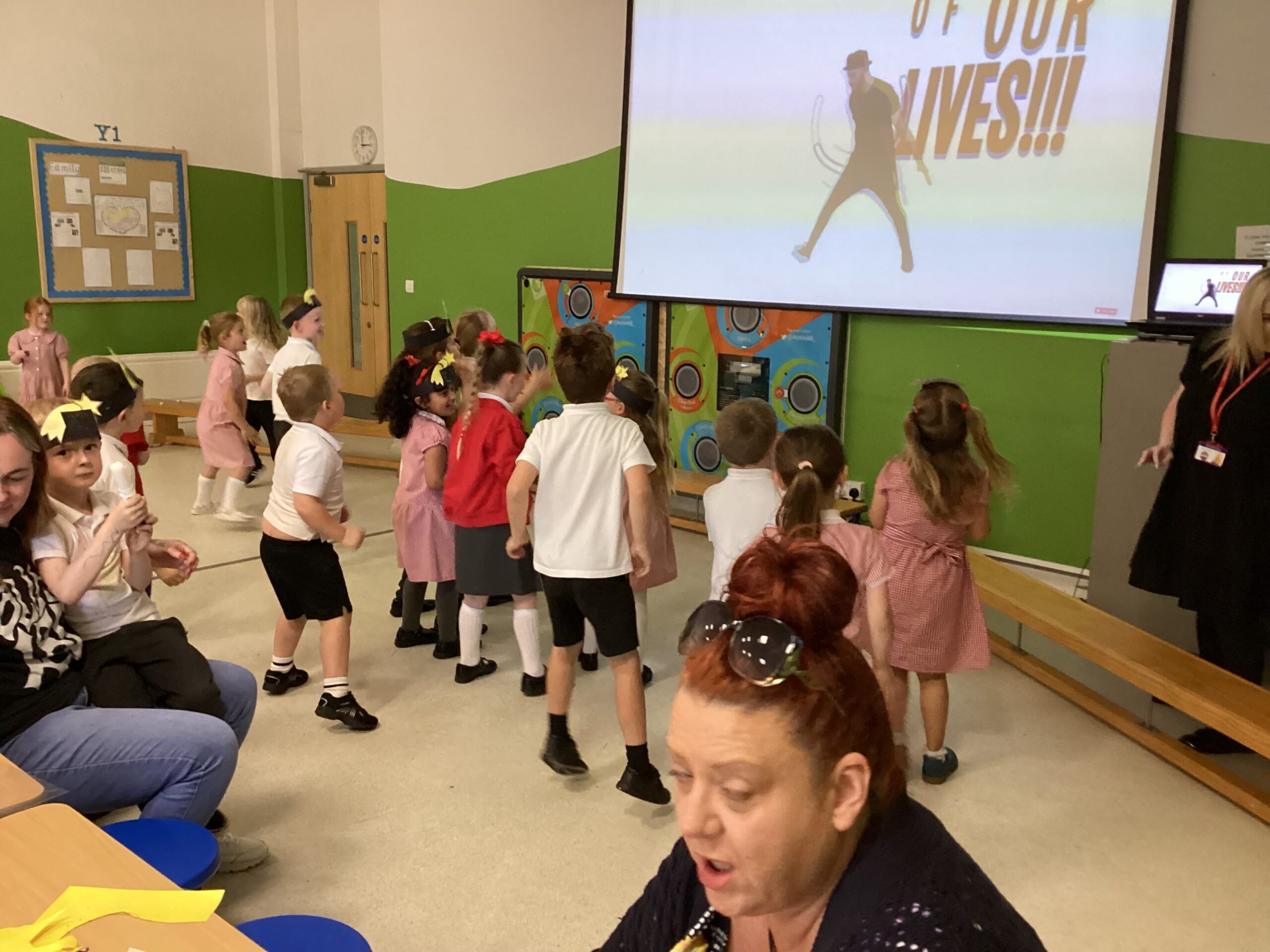

Reception performed their final stay and play. We sang songs, decorated cakes, biscuits and created a hanging decoration. We ended our stay and play by showing our amazing dance moves. We had so much fun!!!
The sharing of nudes, semi-nudes and other explicit material is a prominent issue in today’s digital landscape: both their distribution and their misuse. In fact, the National Crime Agency has issued an alert to hundreds of thousands of education professionals after a study found that 26,718 cases of “sextortion” had been reported in 2023 – more than doubling from the year before.
It’s vital for parents and educators to be aware of how they can safeguard children from exposure to, or involvement in, sharing intimate images – especially given that the sharing of such material featuring under-18s is a serious criminal offence. This week’s guide offers expert insight into the risks of sharing intimate images online, as well as tips on implementing measures to shield children from encountering inappropriate digital content of a sexual nature.
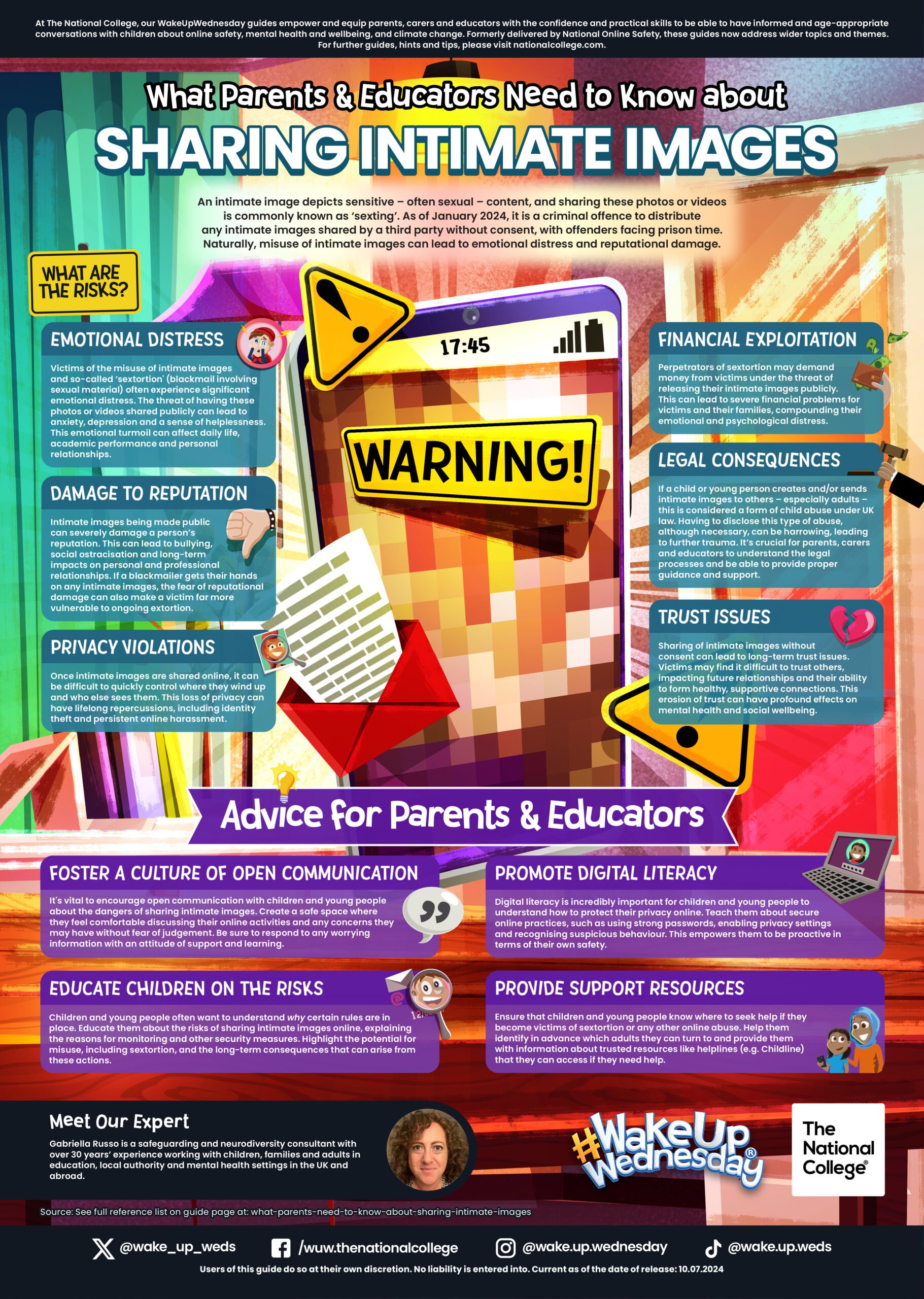
The sharing of intimate images online can be a dangerous avenue through which abusers seek to exploit children and young people, forcibly exposing them to explicit material, coercing them into sharing self-generated intimate images, and extorting them with the threat of sharing such images more widely. From reputational impact to potential blackmail or emotional distress, and even legal consequences, exposure to this harmful behaviour can have a severe impact.
It’s important to remember that the creation and distribution of explicit material featuring under-18s – even by the child themselves – is illegal under UK law. Our guide looks at the serious concerns associated with this behaviour, and lets parents and educators know how best to address these issues and protect young people.
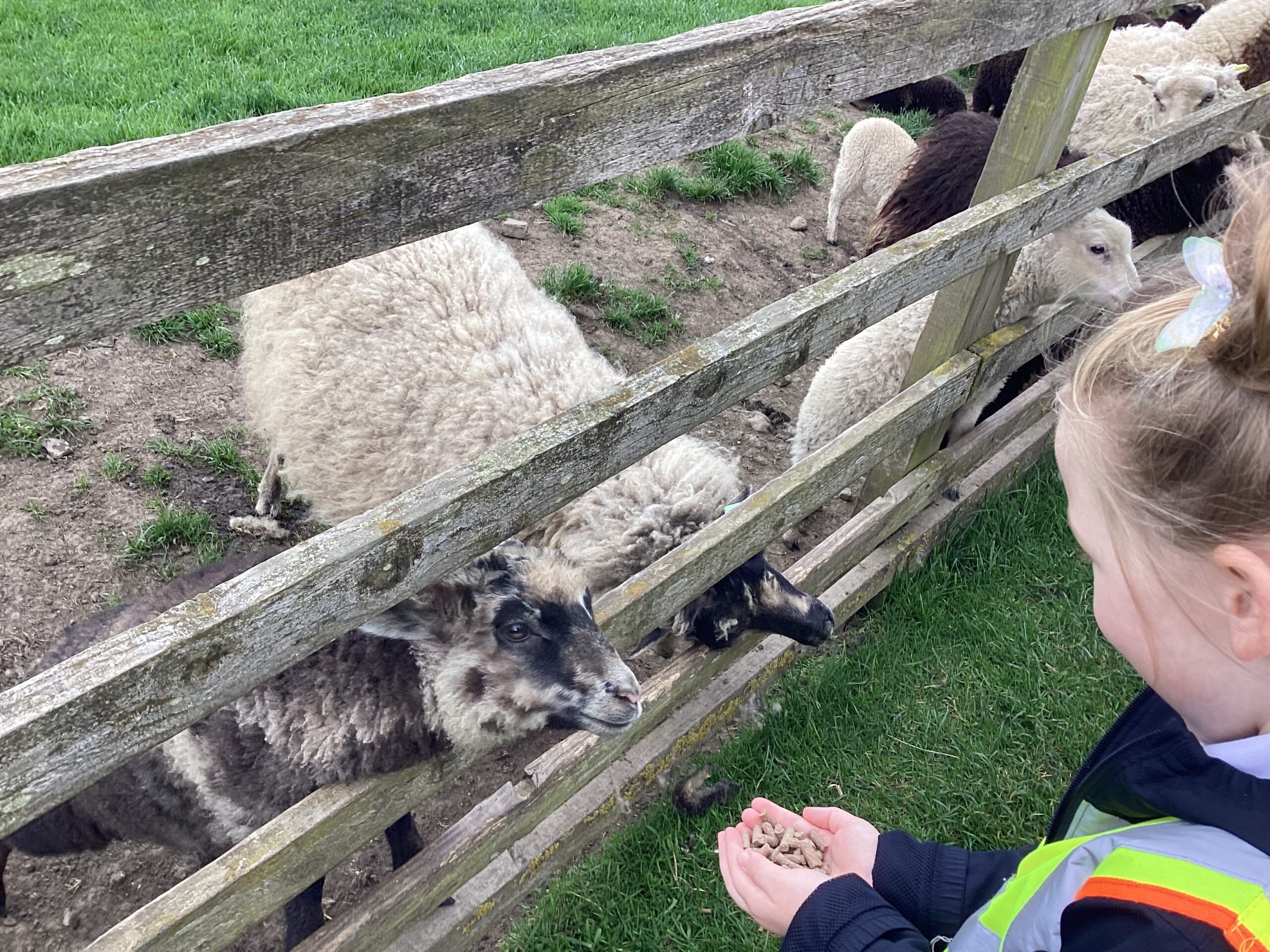
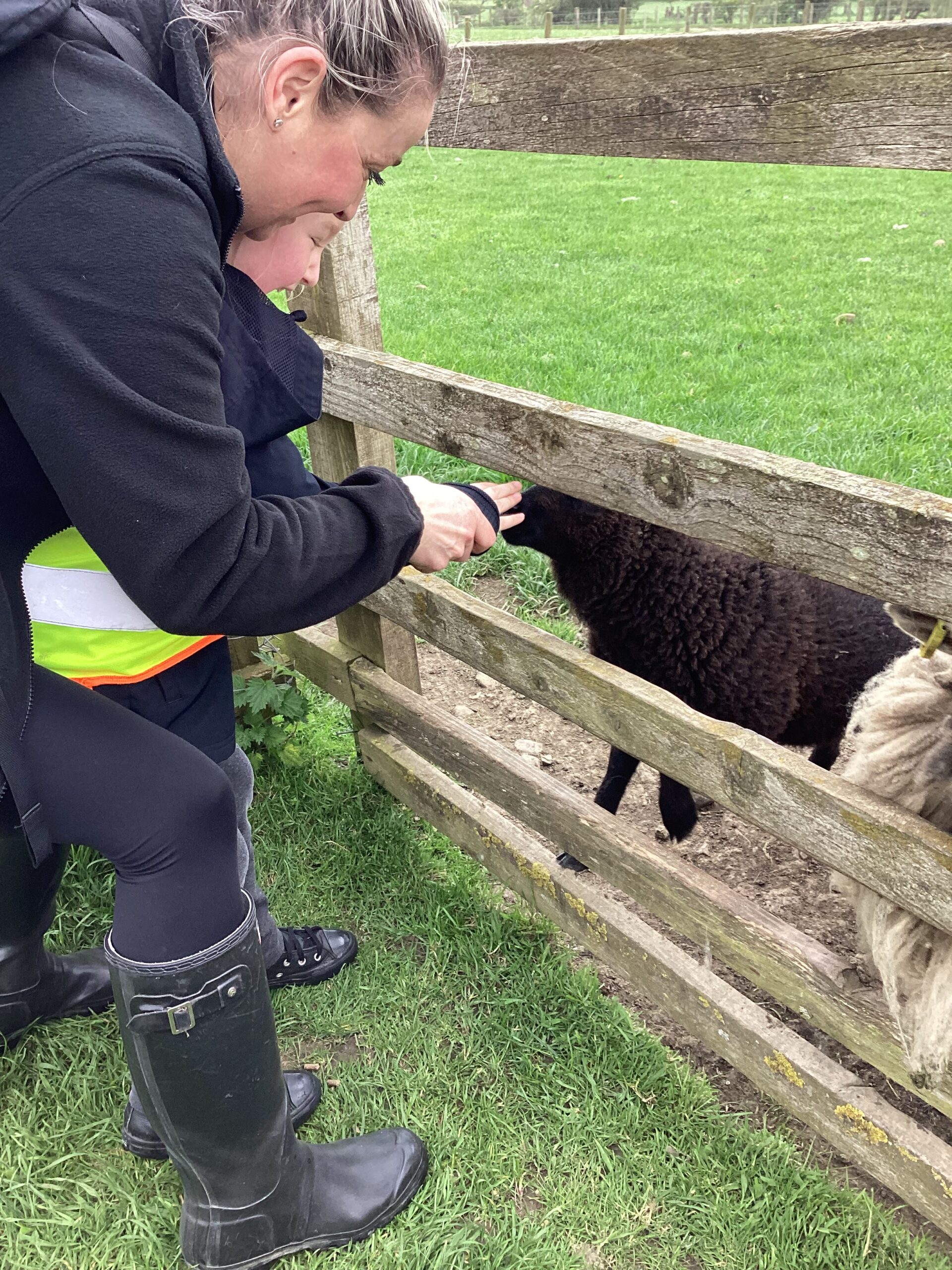
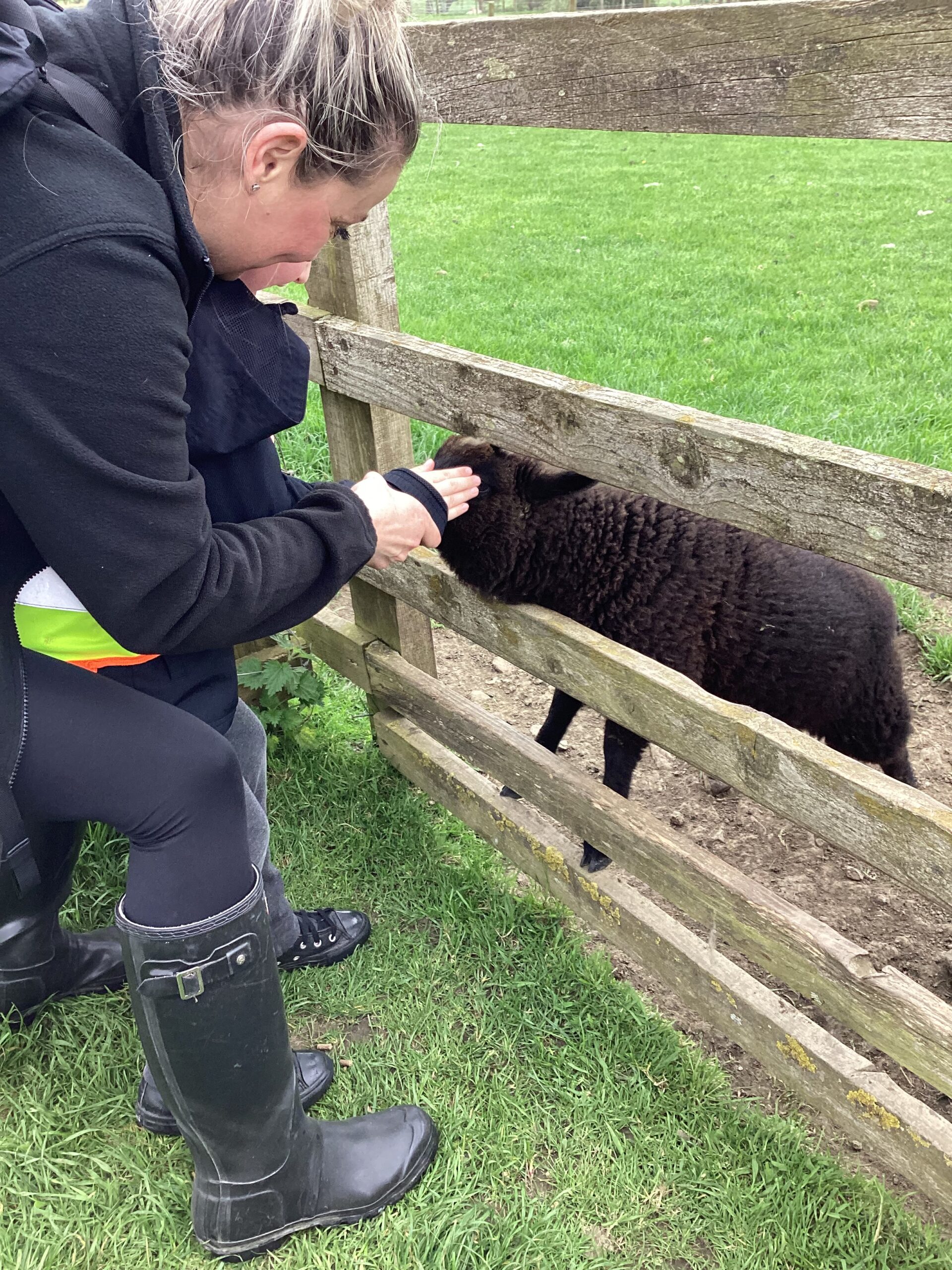
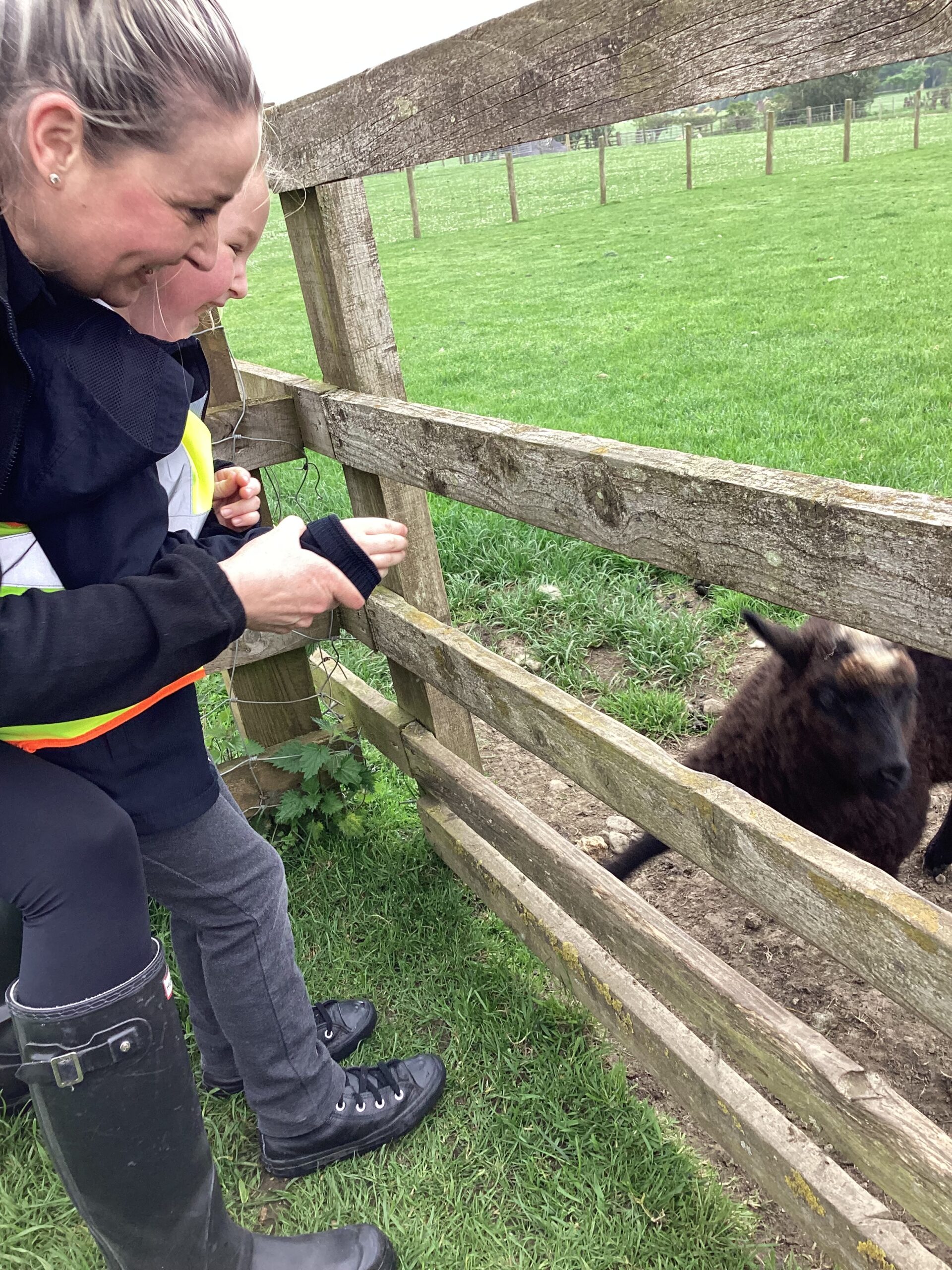
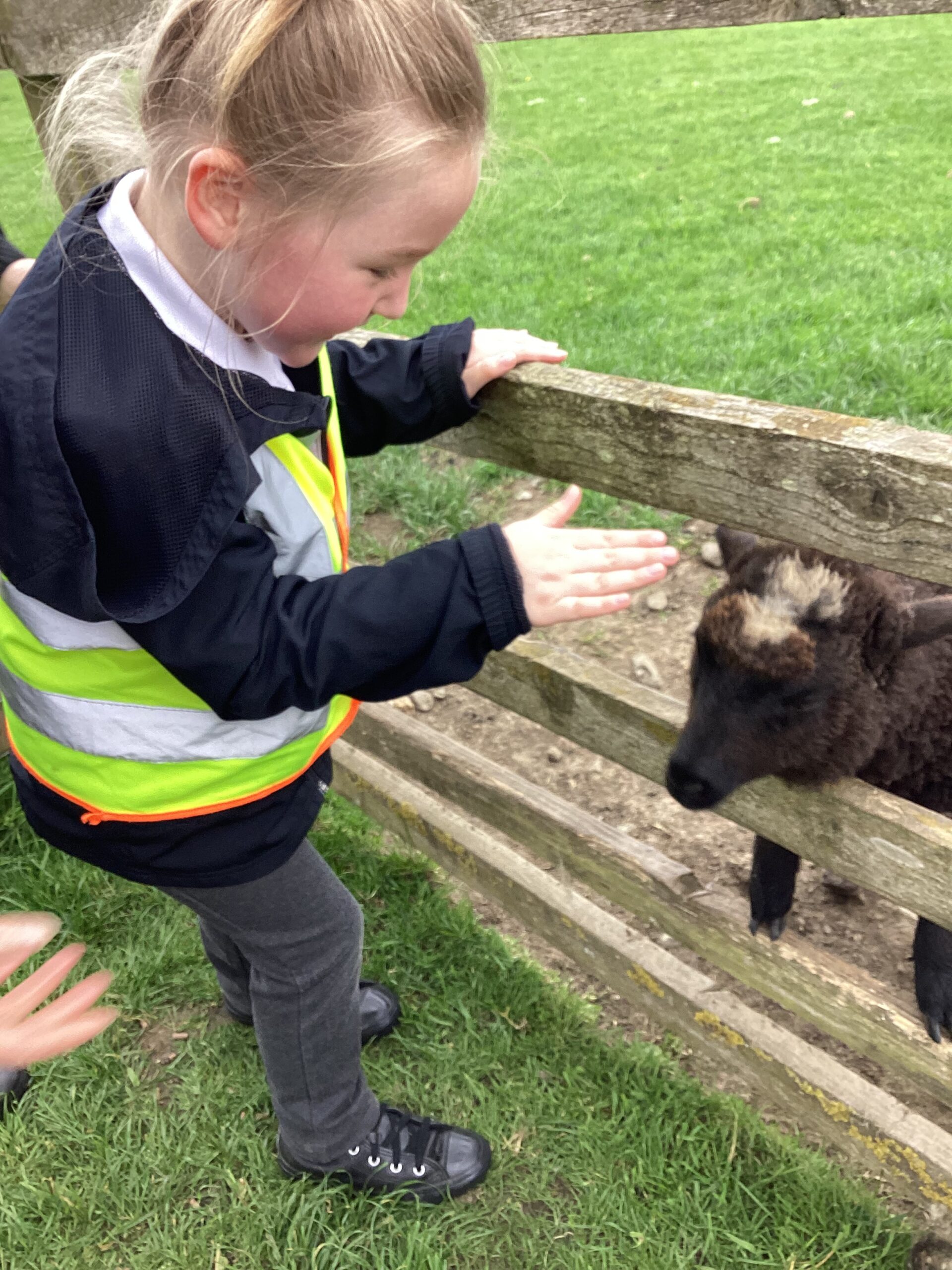
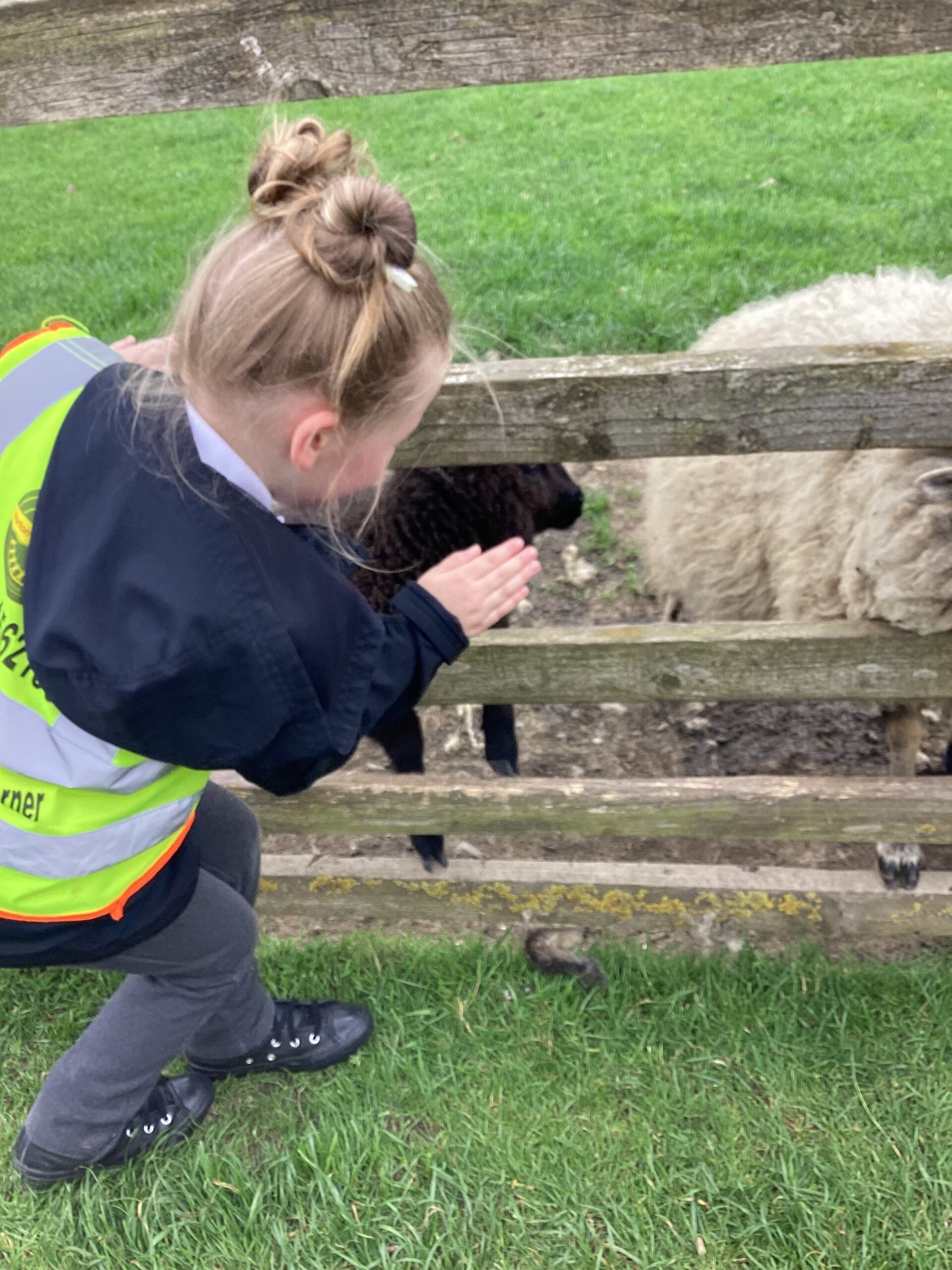
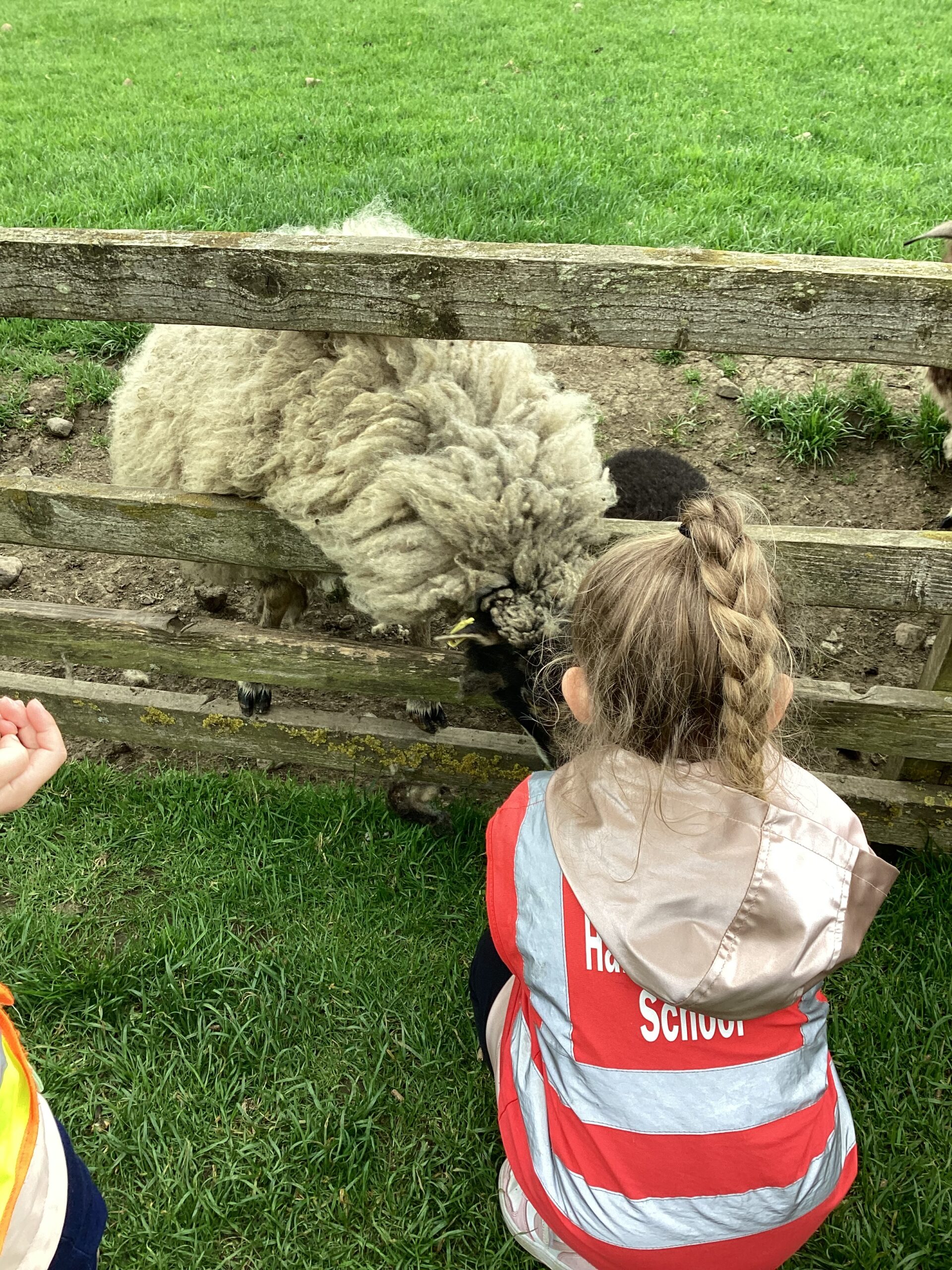
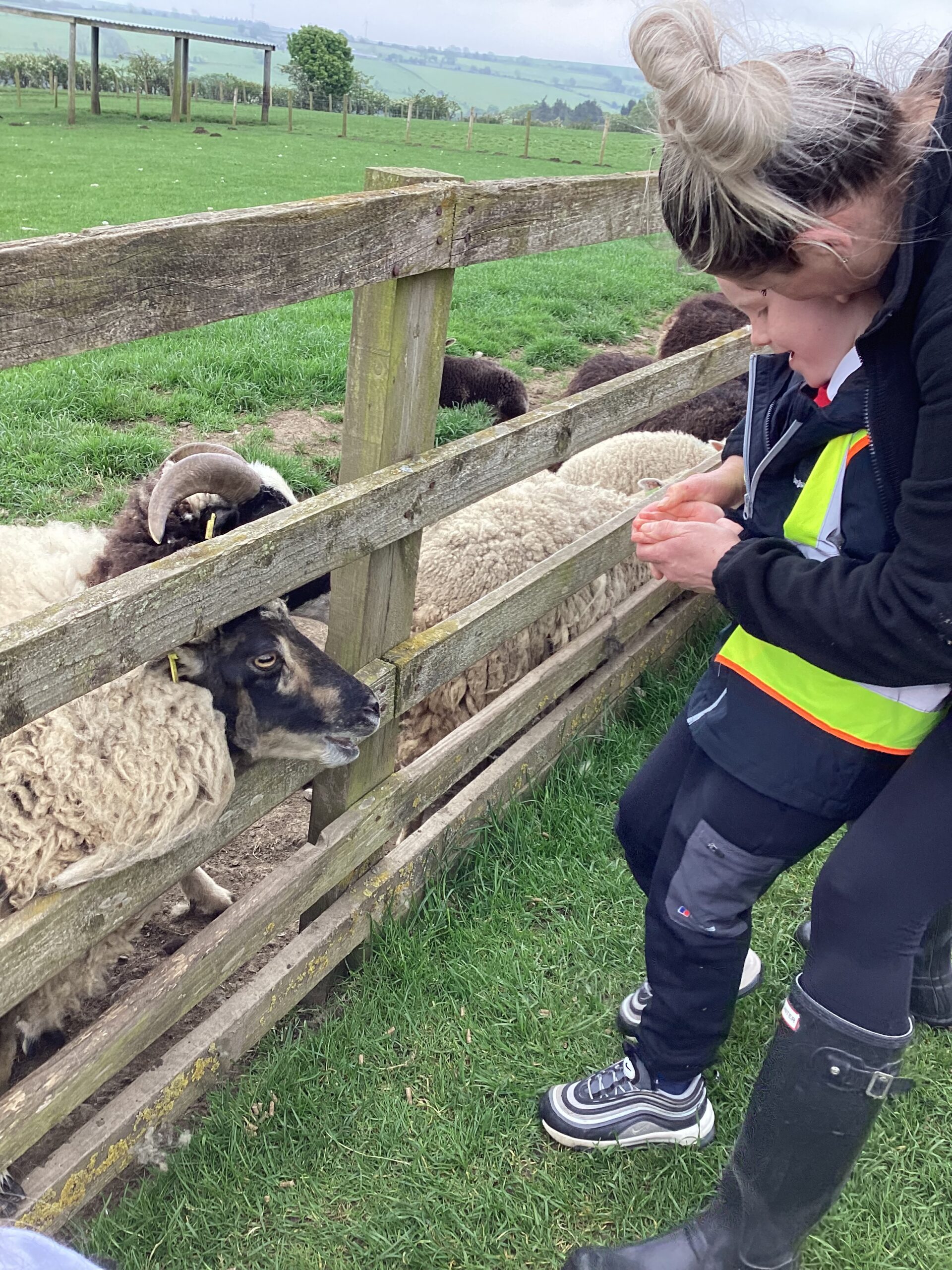
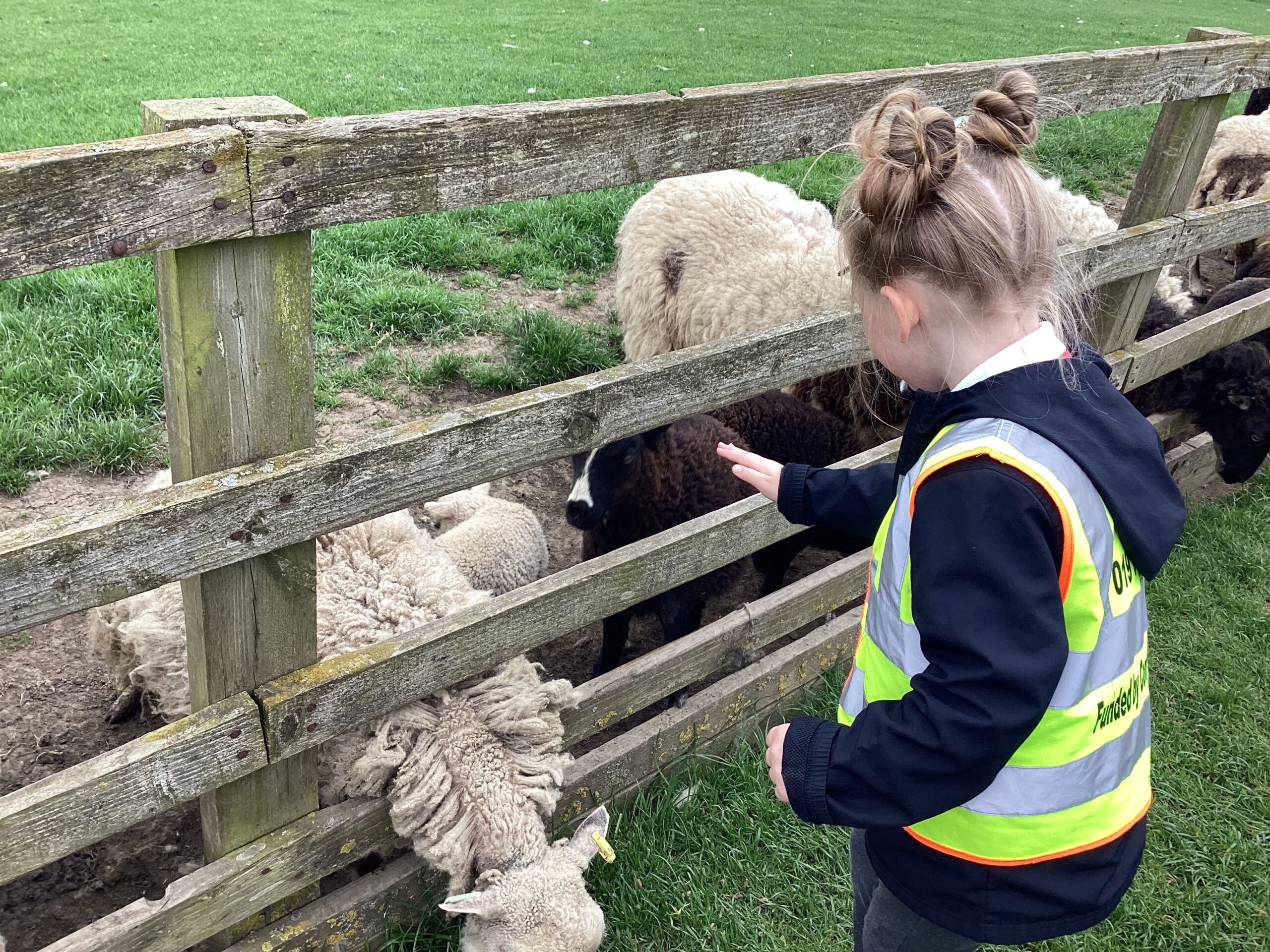
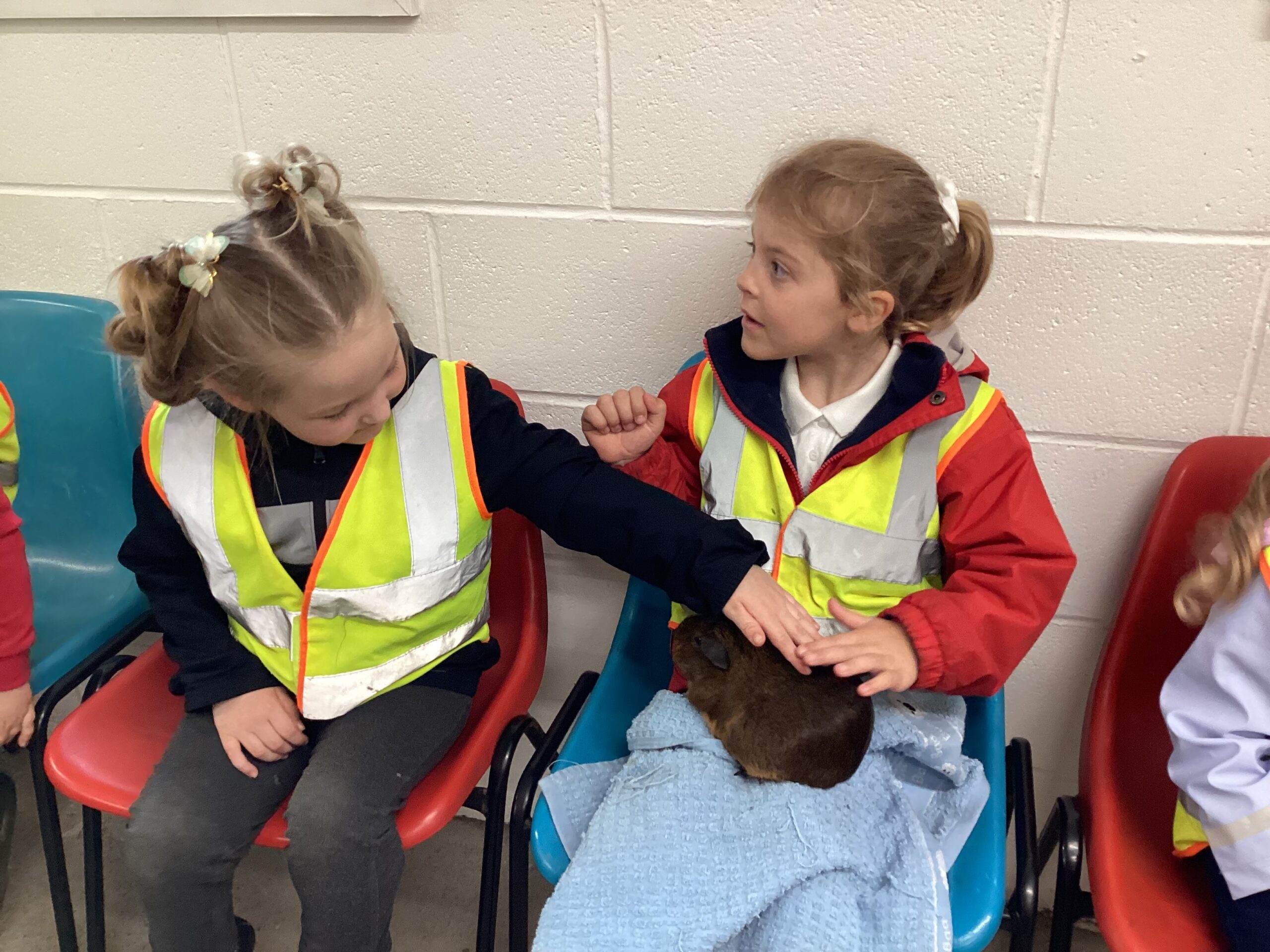
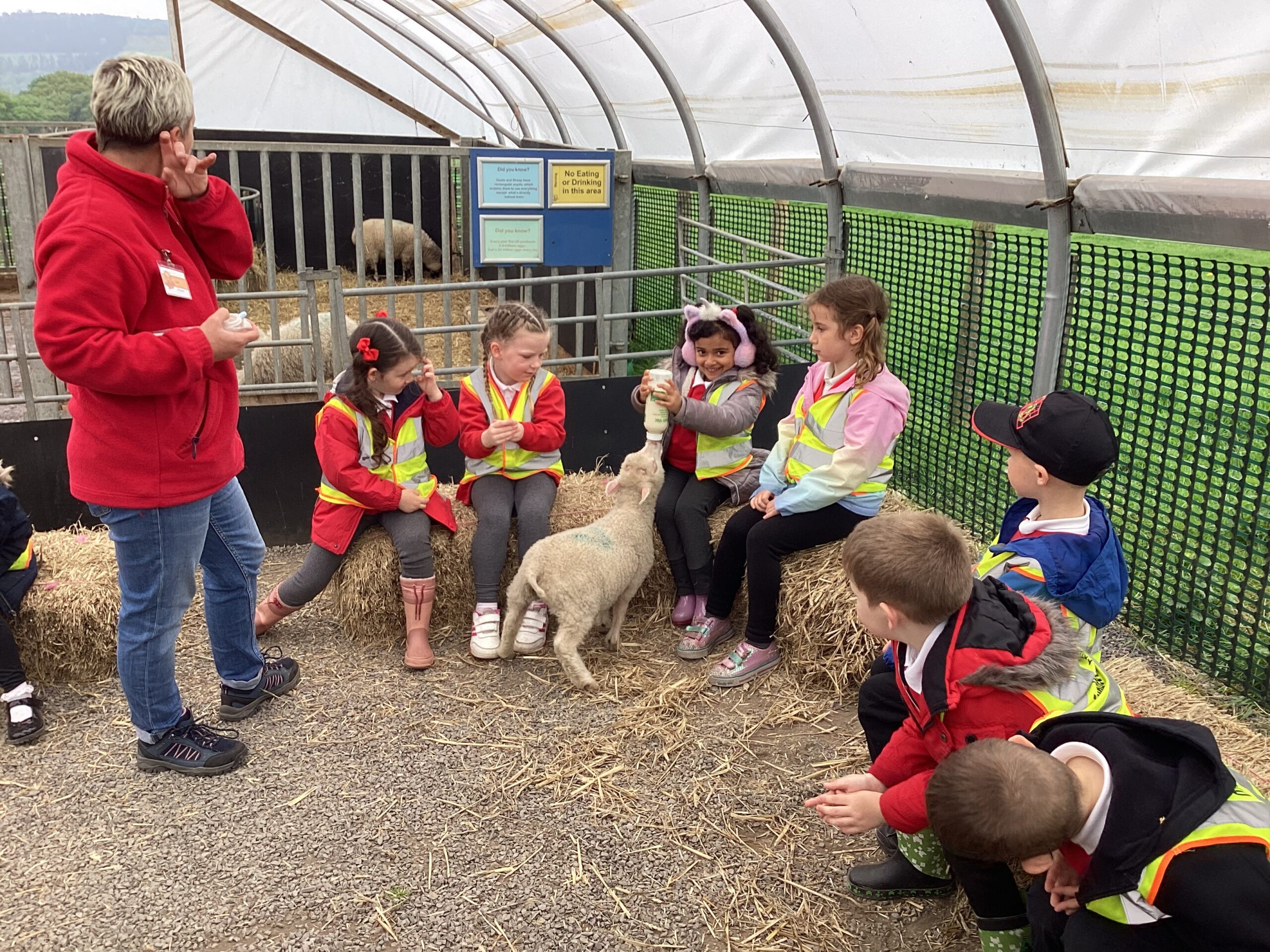
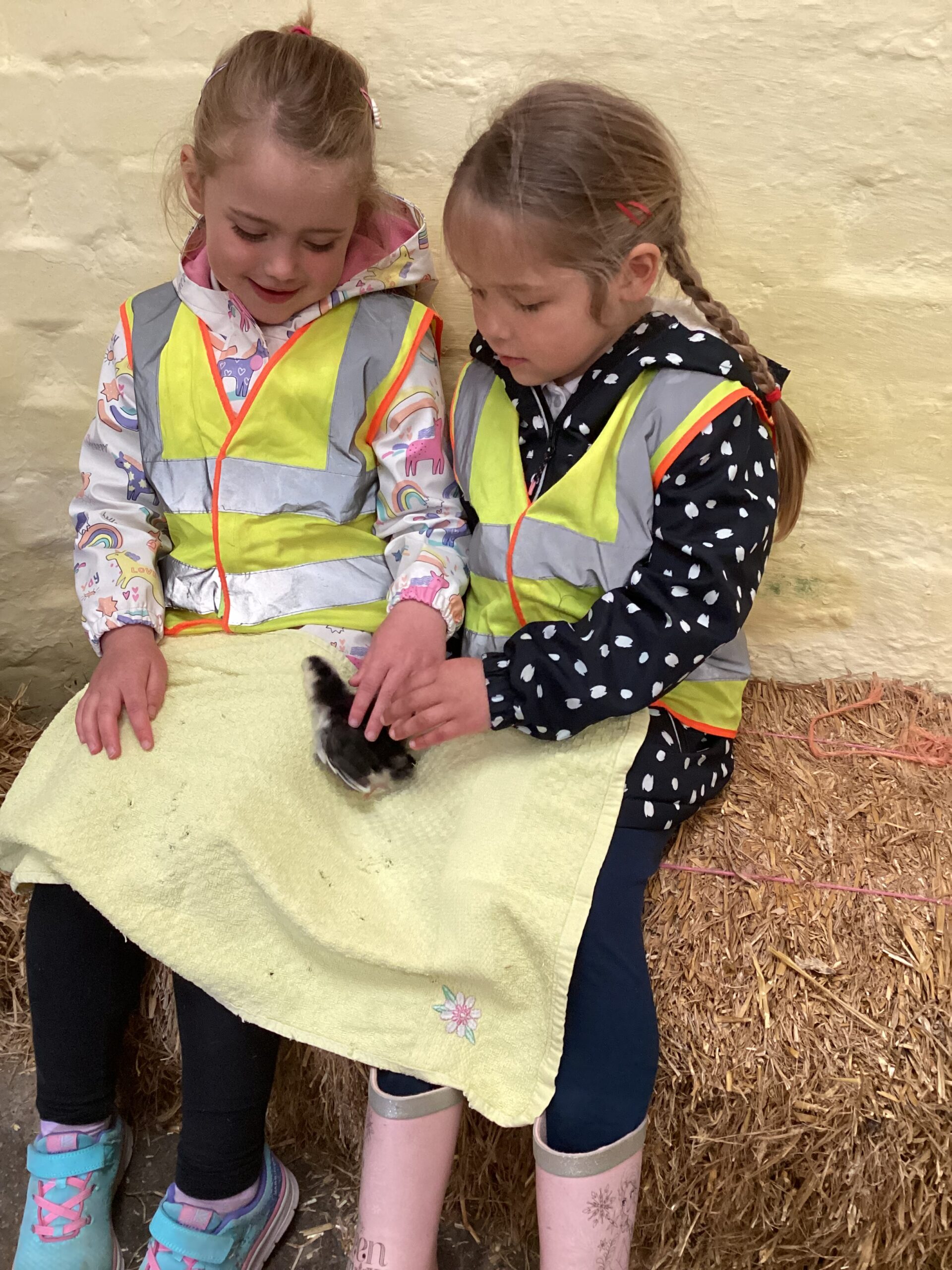
As part of our ‘How Living Things Grow’ topic. Reception visited Hall Hill Farm. We saw and fed many different animals. We even went on a bumpy tractor ride all around the farm. We had the most amazing day!!






















































































































































































































A peak simultaneous player count of almost 500,000. It’s safe to say that Helldivers 2 has taken the games industry by storm, attracting a wide array of fans from all over the world and – more importantly – from various age groups. Many young gamers are actively playing this title, both with friends and with strangers via online multiplayer – despite the game’s 18+ rating.
Unfortunately, the gore and violence of Helldivers 2 (combined with its in-game purchases and the ability to play with unfamiliar people online) present significant online safety concerns for its younger players. This Wake up Wednesday, our guide explores these issues in detail and advises on minimising the risks to children and young people.
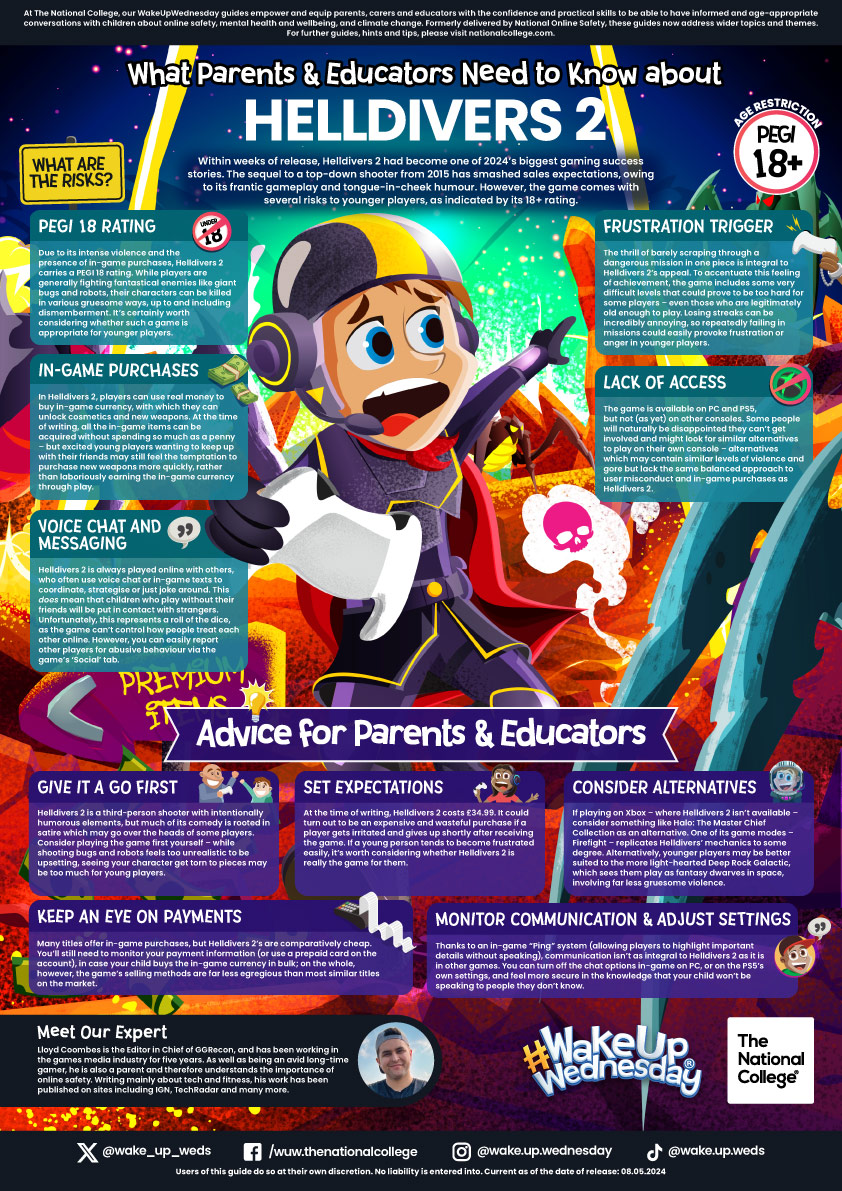
Within the last few months, Helldivers 2 has propelled to immense popularity in the gaming community, with players of all ages enjoying its frenetic combat, humorous presentation, and challenging gameplay. Whether they’re cooperating with friends or competing with strangers, the game has attracted many young players despite its higher age rating.
As can be expected from an online game – especially one rated 18+ – there are several inherent online safety risks posed to children and young people who play Helldivers 2; from the content of the game itself to the dangers of interacting with strangers online. Our guide highlights the most prominent hazards of Helldivers 2 and provides you with top tips for keeping its younger players safe.
https://nationalcollege.com/
YRW hosted an ‘Easter Stay and Play’ session. First, we welcomed our family members and thanked them for attending. Then, we sang some Easter songs. Next, we decorated eggs in various colours and designs. We had lots of fun and we all had an eggcellent time!!! What do you think of our final creations?




















































Around one in five headlines online are clickbait. That’s an estimate from experts at Stanford University, who conducted a study into this phenomenon which has gradually extended its reach to almost every corner of the internet – powered by a strategy of snagging users’ attention by any means necessary rather than a legitimate desire to inform or enlighten.
As that statistic indicates, this manipulative marketing strategy is difficult to avoid online. There’s still plenty that can be done though to limit its influence – especially in relation to young people, who are often more susceptible to sensationalist headlines. Today’s #WakeUpWednesday guide details the potential hazards around clickbait and has expert tips for avoiding them.

Cultural and technological changes have made the experiences of today’s children vastly different to our own childhoods; it can be challenging to engage youngsters in open, honest conversation – especially about more sensitive topics. This, combined with many children’s instinct to avoid “rocking the boat”, can make it difficult to stay up to date with the goings on in their lives.
However, it’s hugely important that trusted adults still offer an empathetic ear and feel able to encourage young people to open up about their day-to-day activities. This #WakeUpWednesday guide provides ten top tips for promoting open conversations with children – helping to make sure there’s someone they know they can turn to in times of need.
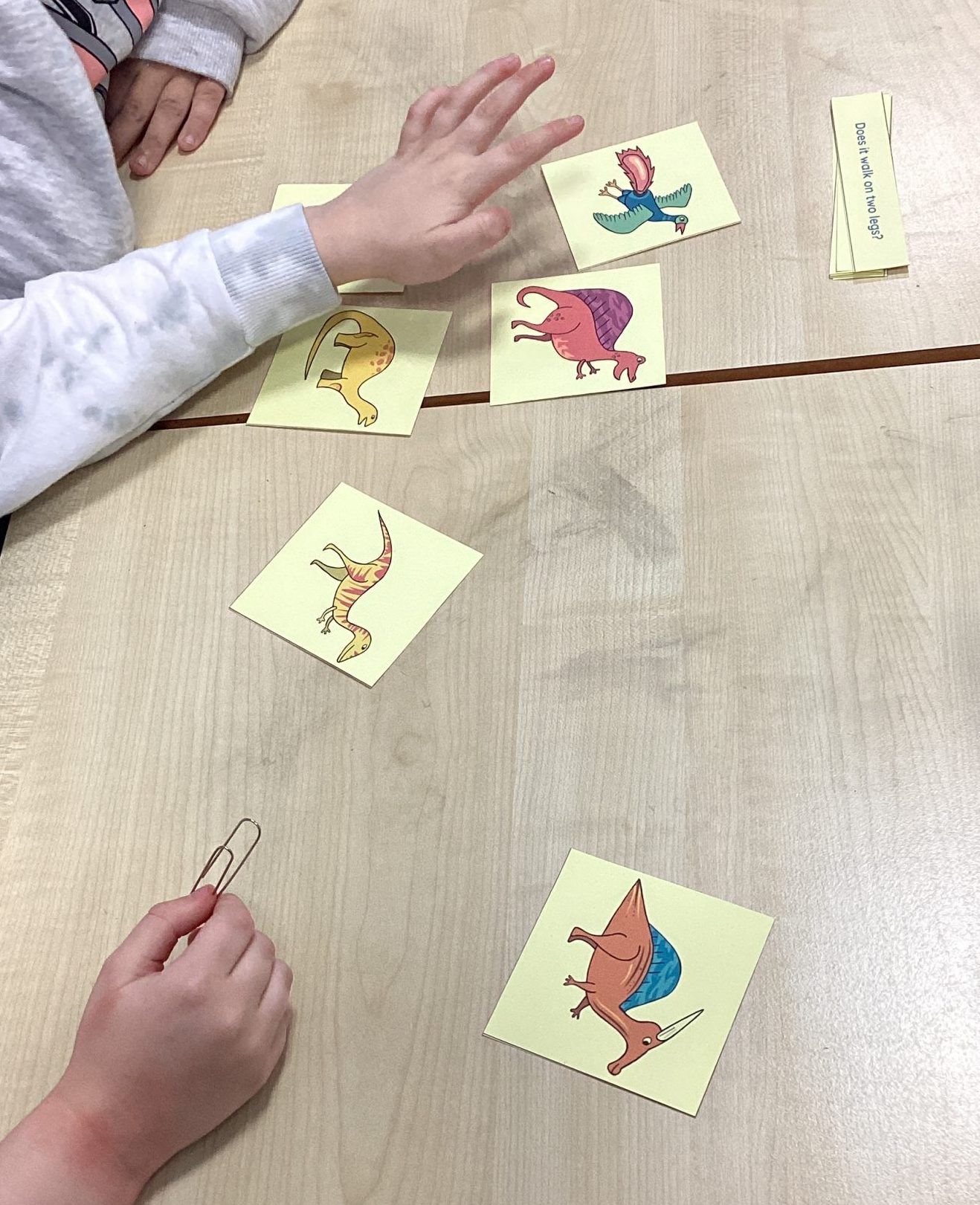
In year 3, the children have started work on branching databases. They discussed how to group objects based on yes/no questions – breaking them into smaller groups.
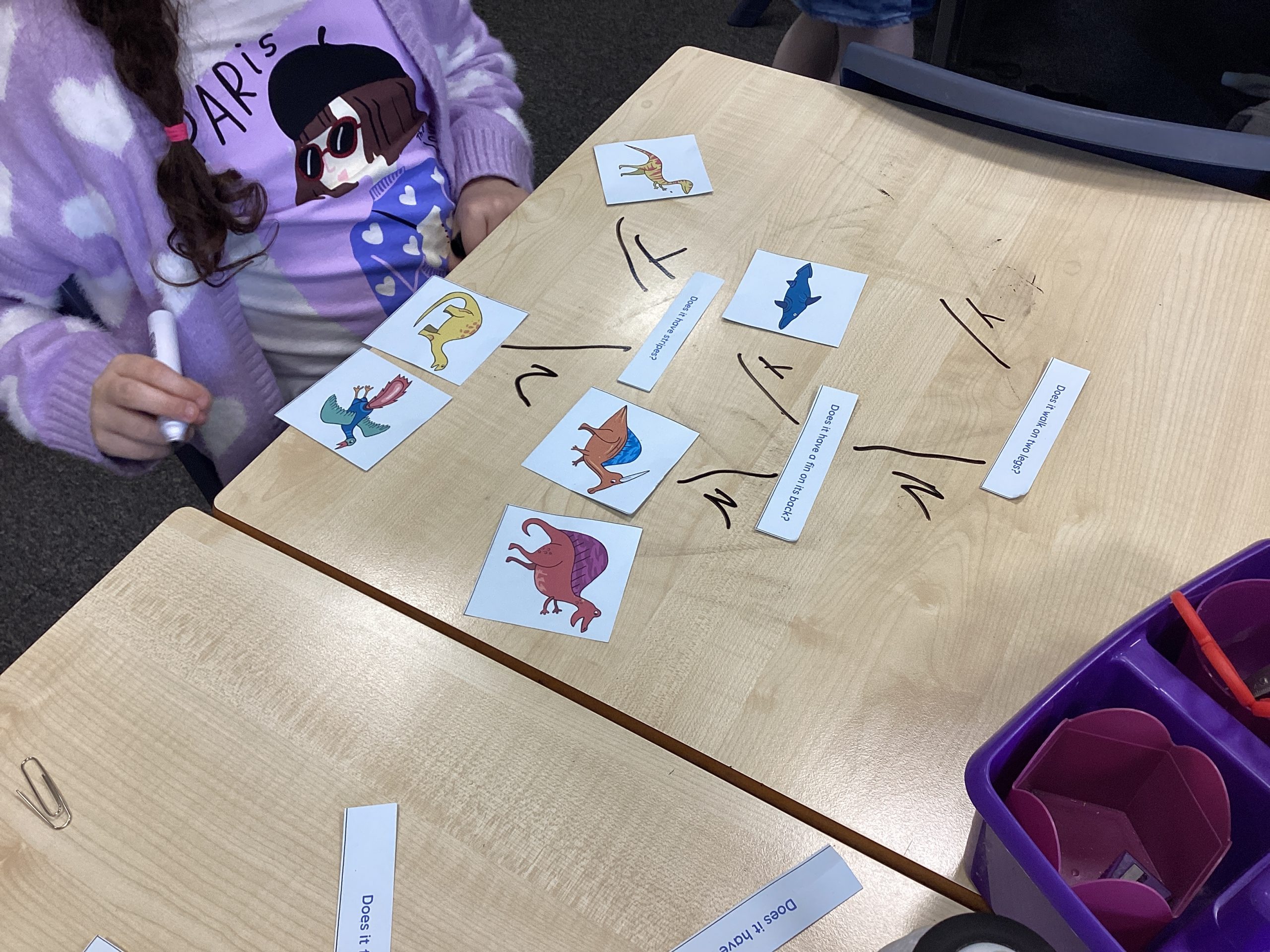
They were then tasked with creating a branching database about dinosaurs. They were given cards and questions to help break the dinosaurs into smaller groups based on physical attributes.
Dreaming of a decent night’s sleep? Many of us are – and it’s a particularly pervasive problem for young people. Concerningly, research has suggested that around 70% of teens get less than the recommended 8–10 hours’ sleep per night. The effects of poor-quality sleep on a developing mind, of course, can be harmful over a prolonged period.
Although a significant portion of under-18s struggle for shut eye, there is still plenty we can do to support them in getting the beneficial rest they need during those formative years. Compiled in conjunction with our friends at award-winning mental health charity Minds Ahead, this week’s #WakeUpWednesday guide has tips on helping children to develop healthy sleeping habits.

For children and young people, low-quality sleep can become a serious issue. It has been theorised that poor sleep can have a significant impact on children’s brain development, affecting them for the rest of their lives. A healthy – and consistent – sleeping pattern, therefore, is incredibly important for children and young people’s wellbeing.
With the stresses and distractions that can present themselves to youngsters, it can be tricky to ensure they’re in the best mindset to wind down in the evenings for the rejuvenating rest that they need. The right approach, however, can give them a better chance of cultivating a healthy sleeping pattern. Our guide has some practical tips on helping them to achieve exactly that.
The latest bullying research from the DfE makes for upsetting reading. Almost half (40%) of schoolchildren in the UK have been bullied within the past 12 months – with 21% of them experiencing negative changes to their behaviour, including avoiding going to school. In 15% of those cases, the victim’s behaviour suffers to the extent that they are ultimately excluded themselves.
Understanding and honest conversation can be an immense benefit to children who have become the target of bullying – but it’s such a delicate subject that it can often be hard for trusted adults to know where (or how) to start. Our #WakeUpWednesday guide this week contains ten practical tips for supporting a child who is experiencing bullying.

Bullying has long been a pervasive issue in schools – and, being realistic, it’s regrettably a problem which is always likely to exist to a certain extent. There are still plenty of steps we can take as trusted adults, however, to lend support, comfort and reassurance to children who are going through this deeply upsetting experience.
Such a highly emotive topic can be a difficult one to talk about with children – but honest, open communication nevertheless remains vital to young victims’ wellbeing. It’s important to be aware, then, of effective ways to broach and explore the subject. Our #WakeUpWednesday guide has expert advice on effective ways to support children who are being bullied.
Online video calling with random strangers. It’s hardly a new internet phenomenon – but the recent demise of Omegle has prompted the creation of several similar platforms bidding to fill the vacuum. One such contender is Monkey – a service that randomly connects its users for video calls, using their mobile numbers and Snapchat account details
Monkey has surged in popularity since Omegle’s shutdown in November 2023: visits to the site more than doubled within a month and have been climbing steadily ever since. Regrettably, it also seems that Monkey suffers from many of the same pitfalls as its notorious predecessor – our #WakeUpWednesday guide highlights these possible risks to young people in more detail.

With Omegle finally shutting down in late 2023, the top spot among video chat services is up for grabs – and Monkey has its eyes set on the crown. Randomly matching its users for 15-second conversations, the platform’s developers claim to have created a dynamic online space for people to make new connections and, potentially, even some new friends.
Despite these innocuous-sounding intentions, however, Monkey has been criticised for moderation which may not be comprehensive enough to defend against the obvious dangers that unregulated, random video calls pose to the younger element of the site’s userbase. Our #WakeUpWednesday guide tells trusted adults what they need to know about Monkey.
