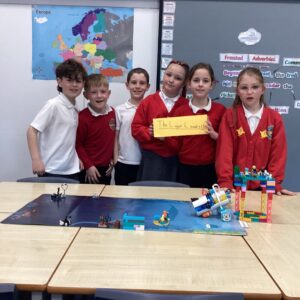
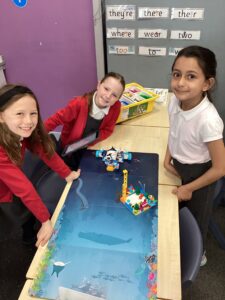
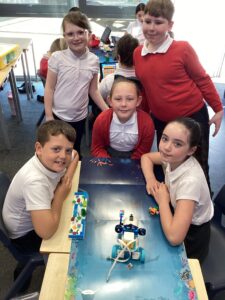
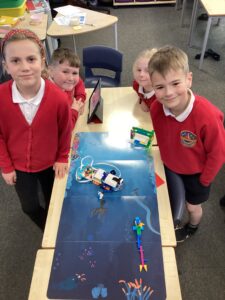
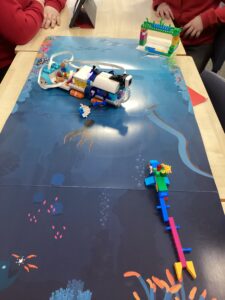
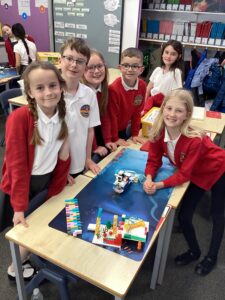
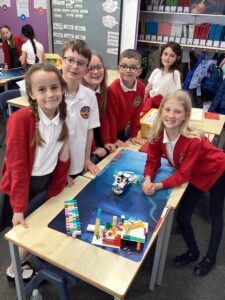
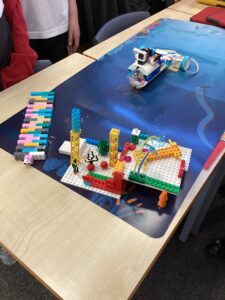
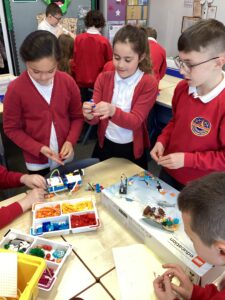
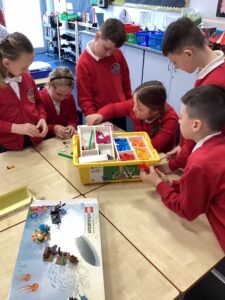
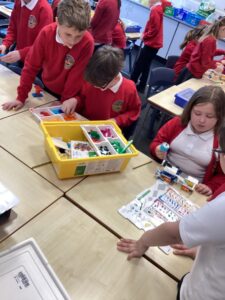
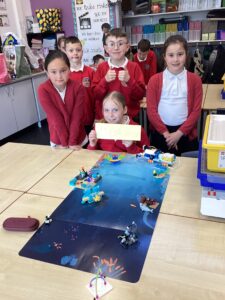
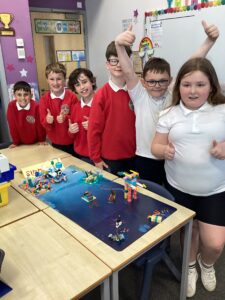
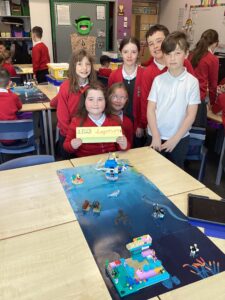
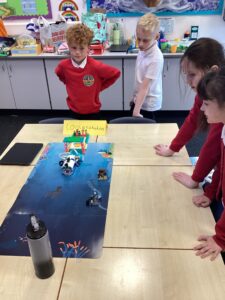
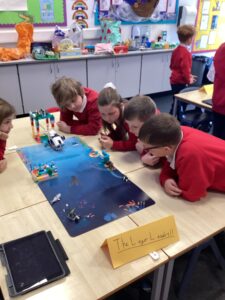
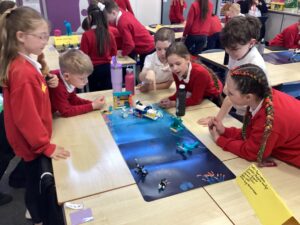
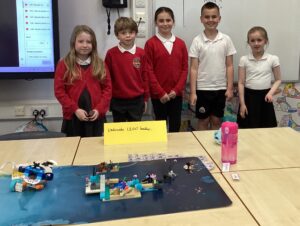
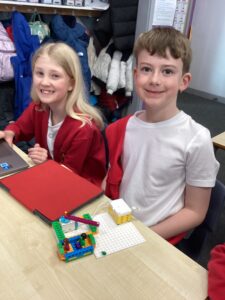
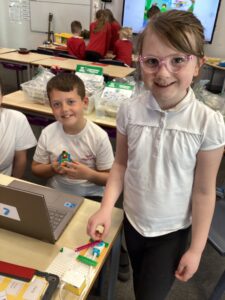
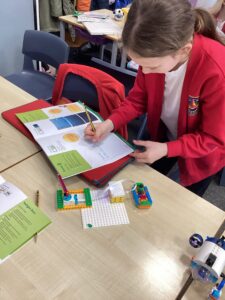
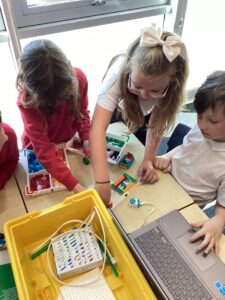
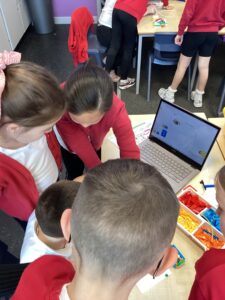
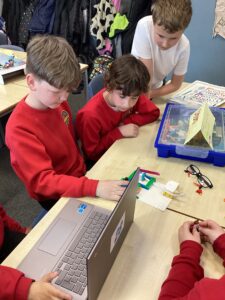
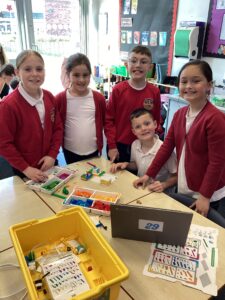
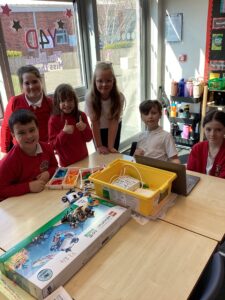
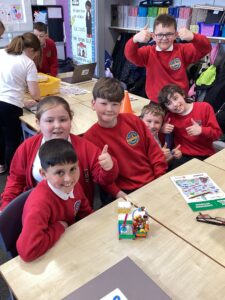
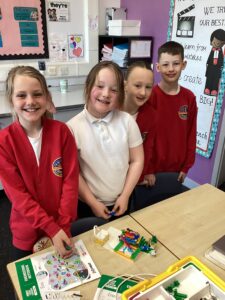
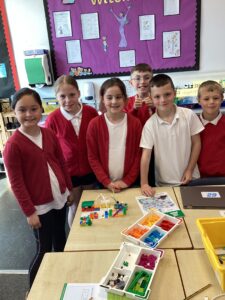
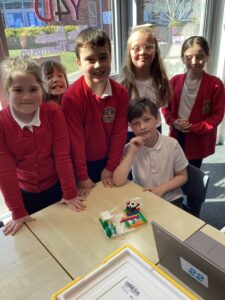
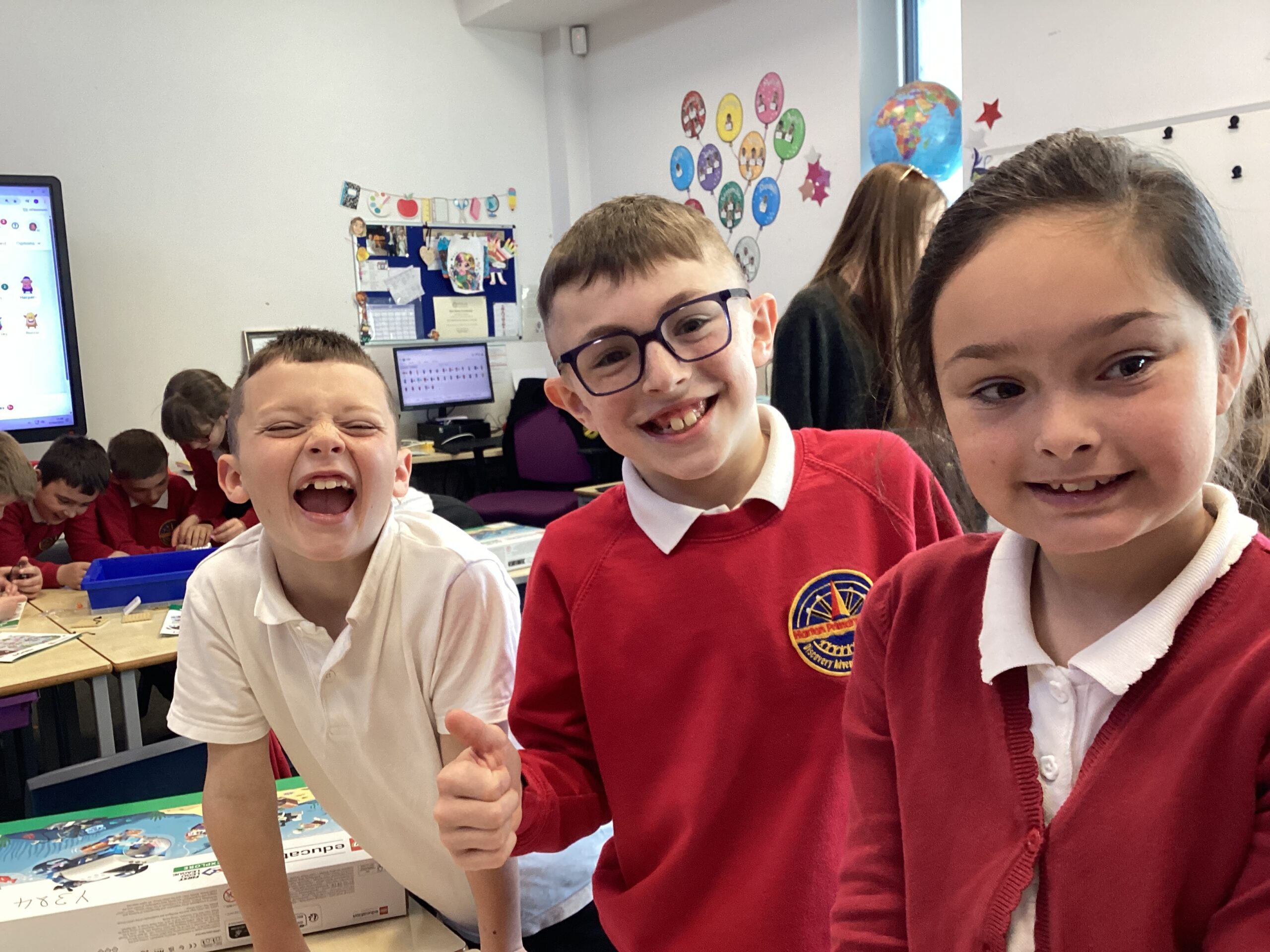
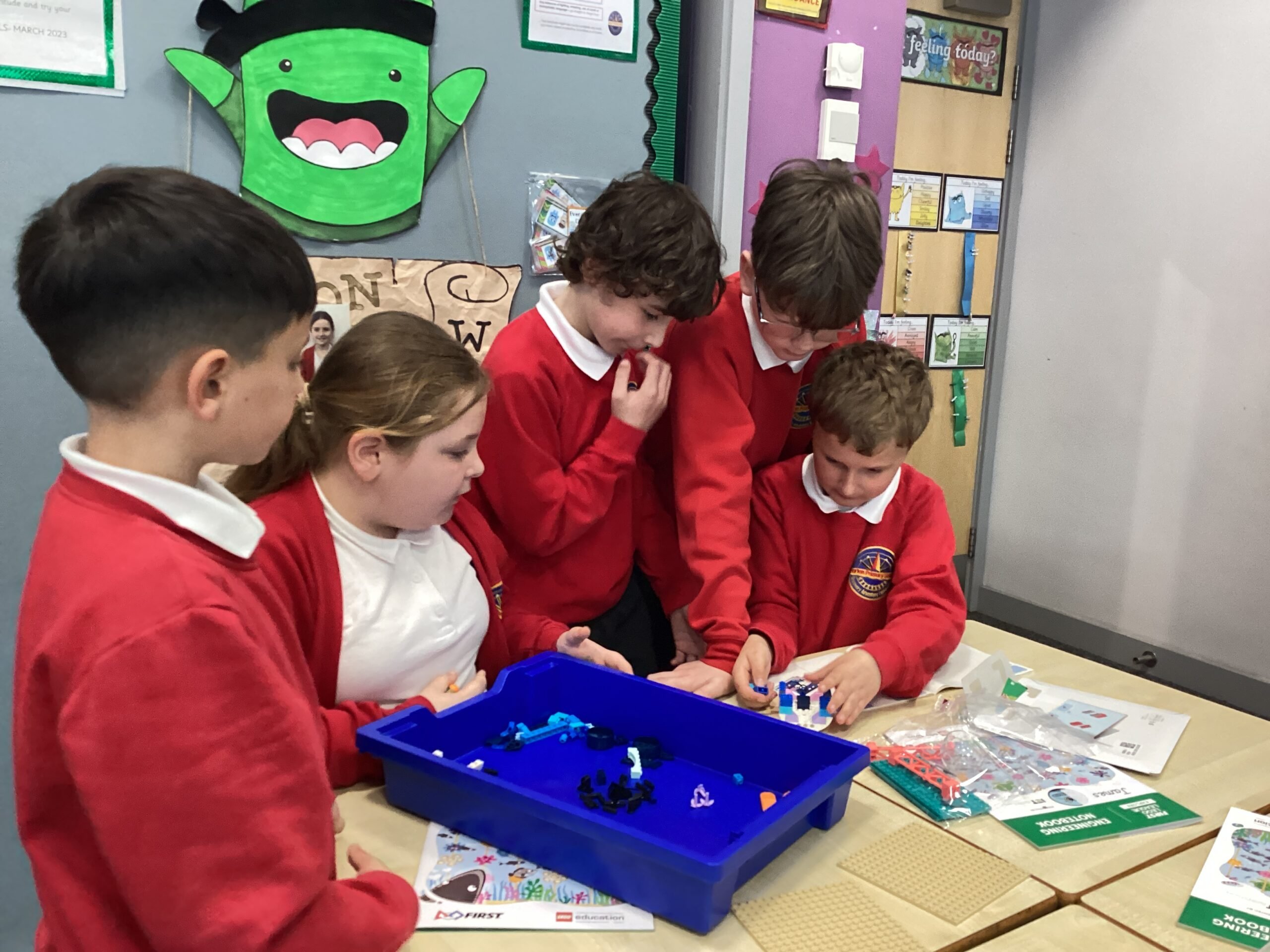
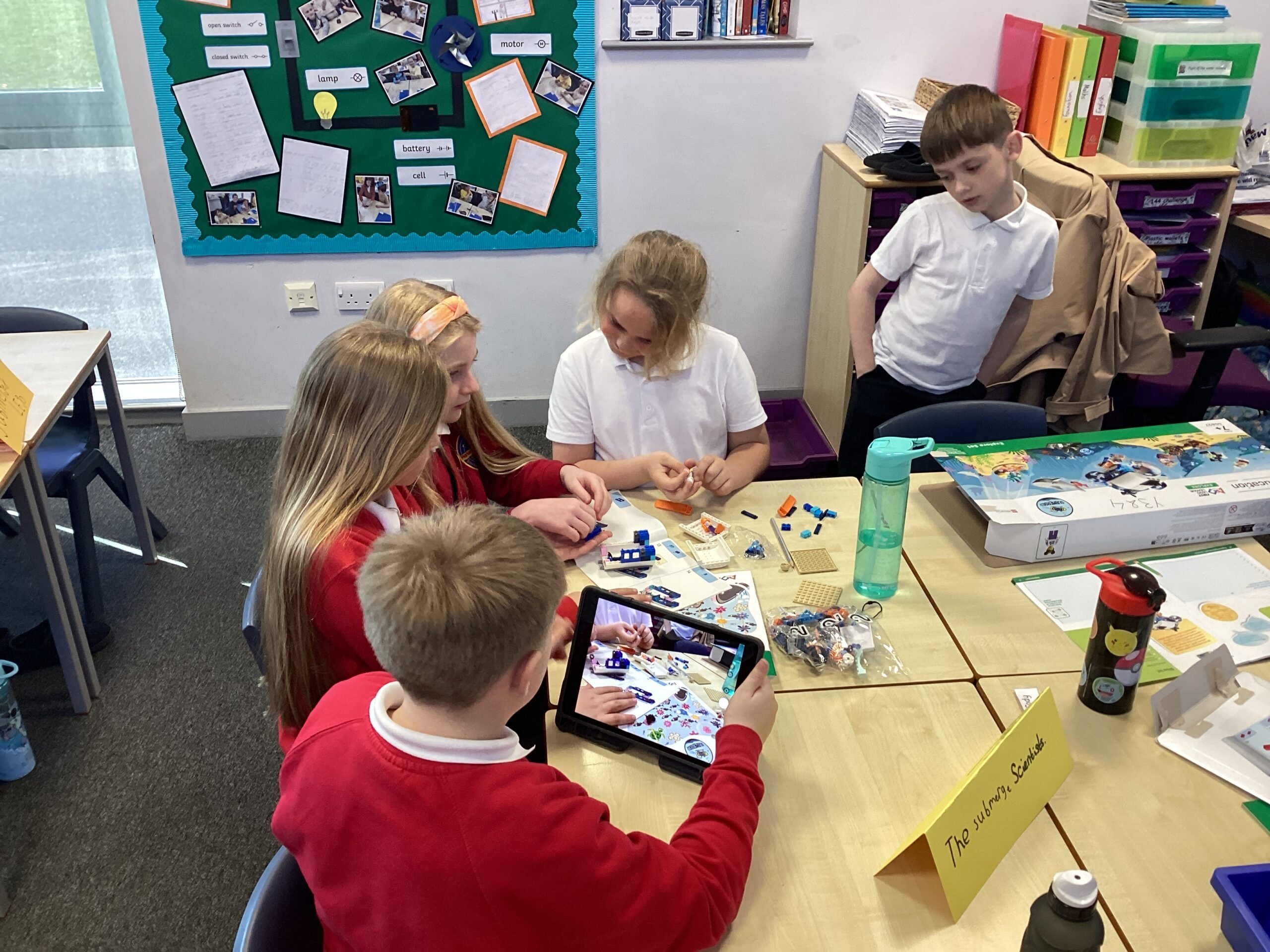
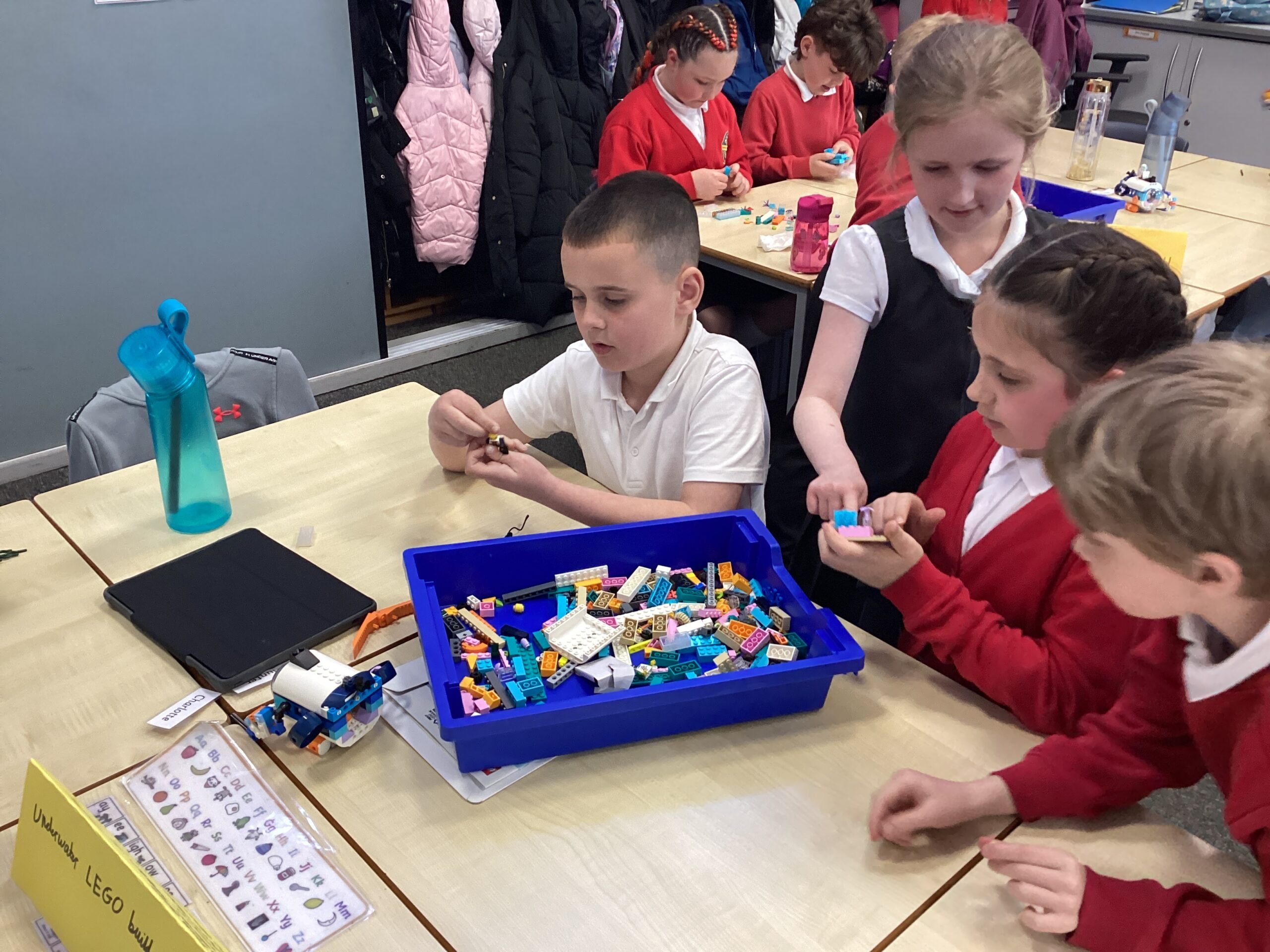
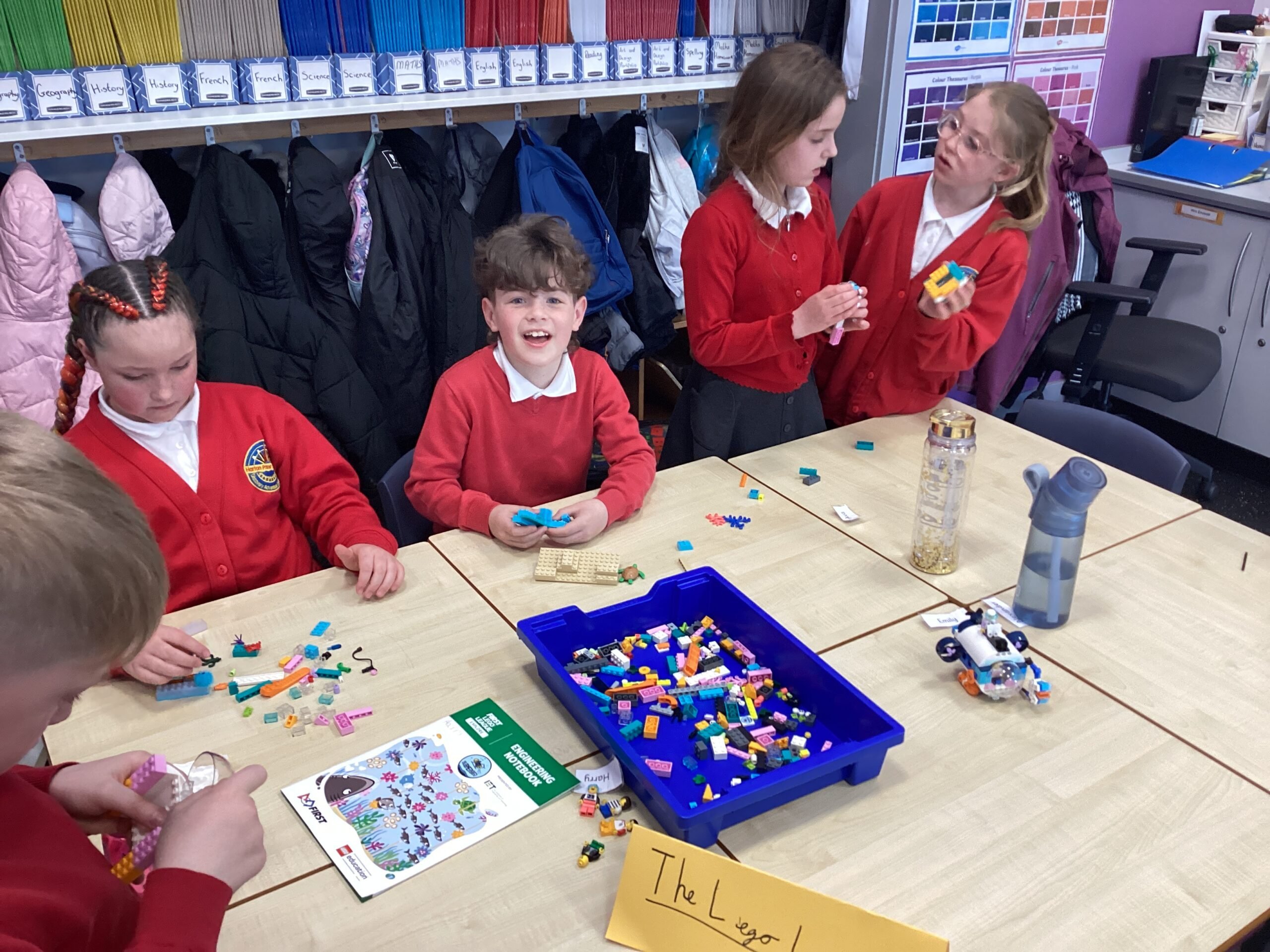
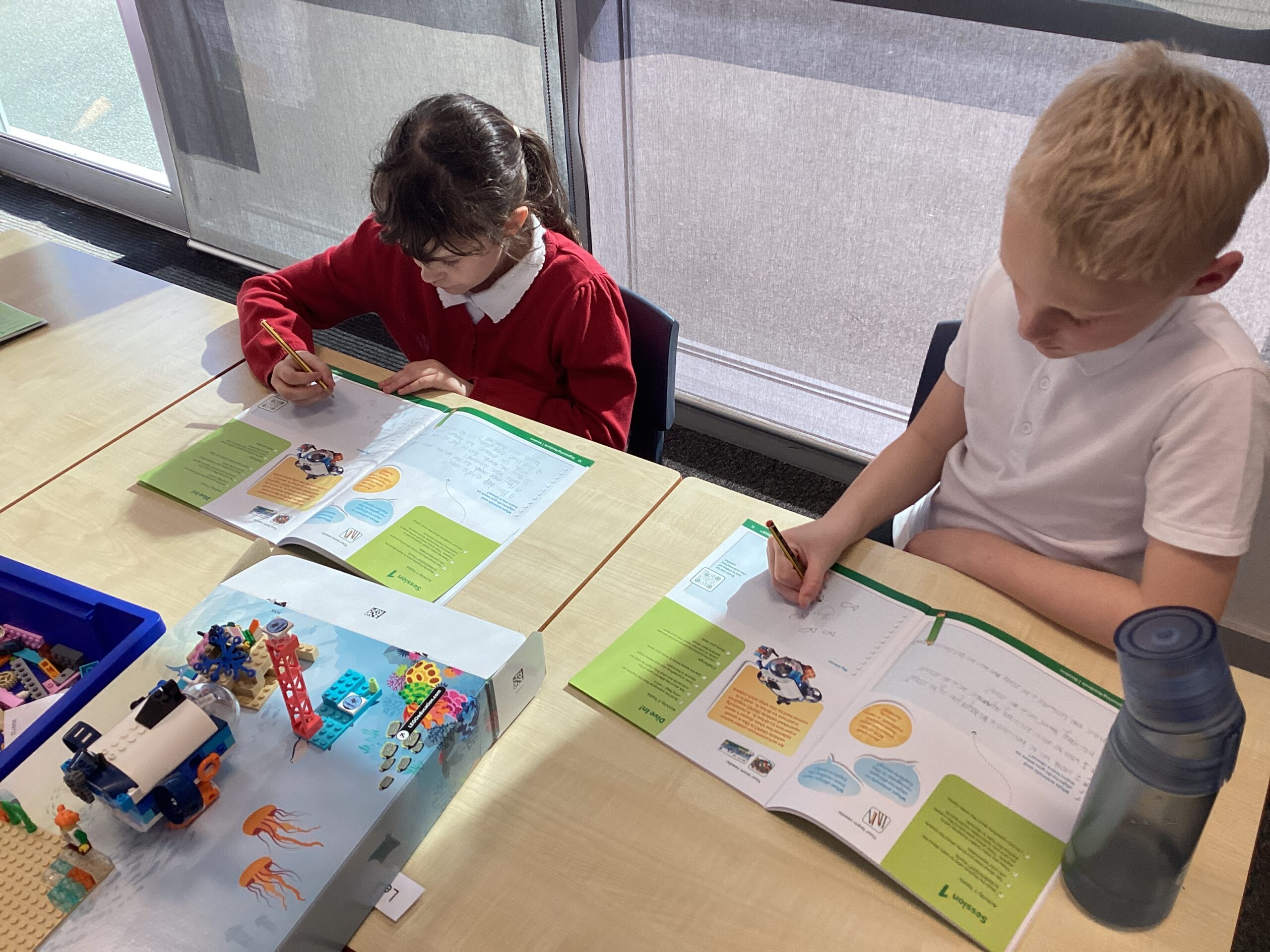
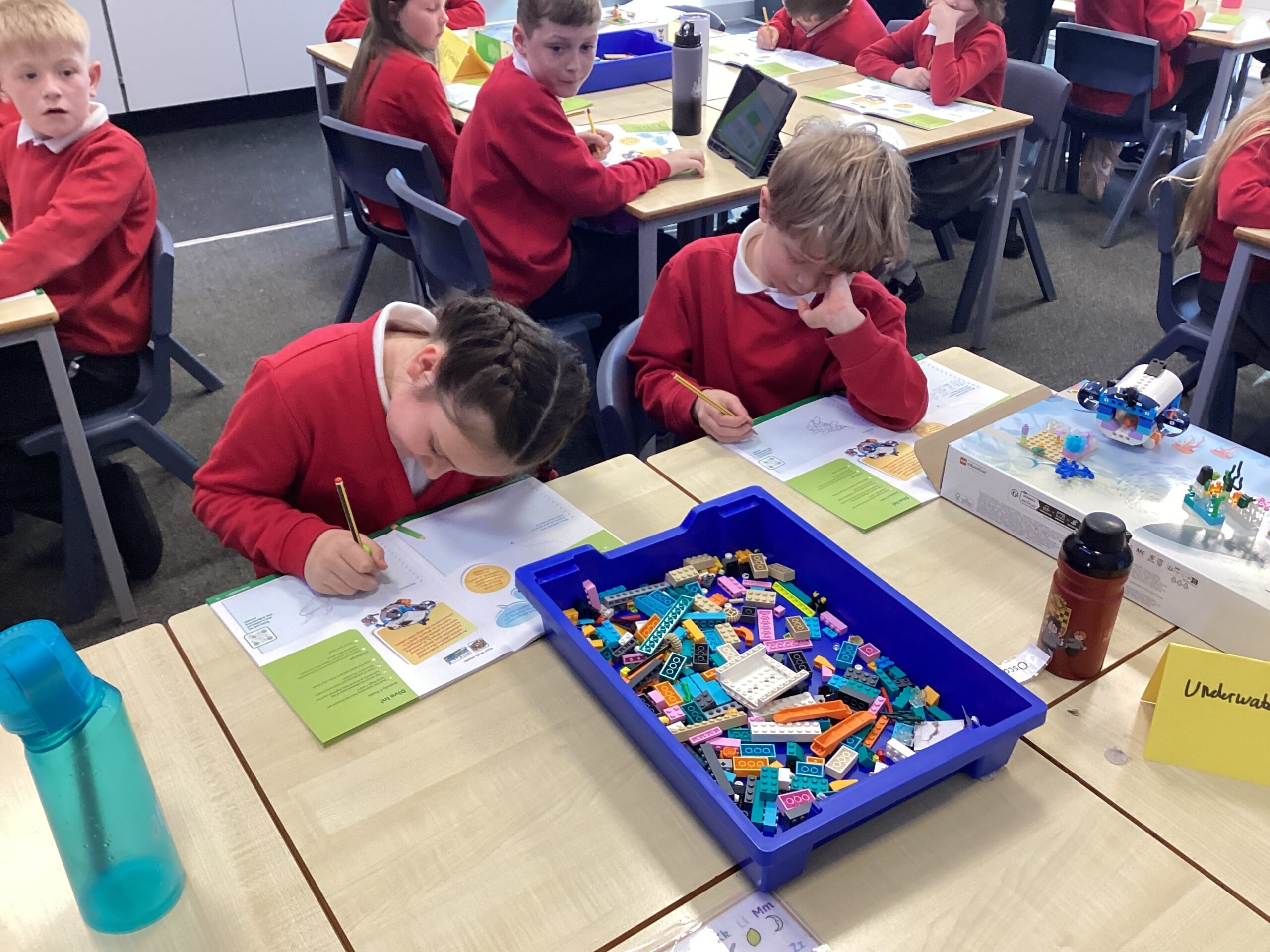
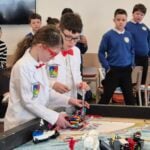
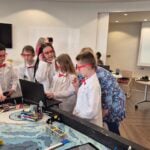
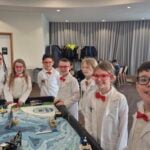
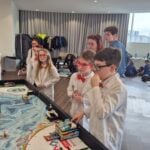
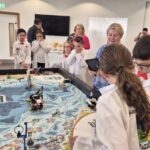
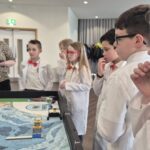
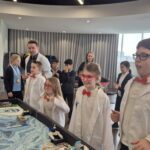
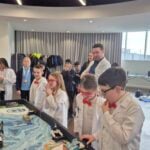
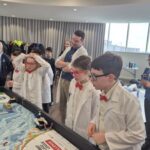
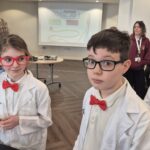
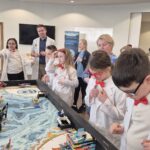
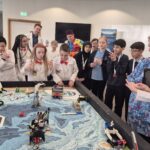
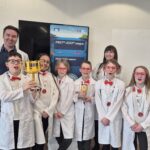
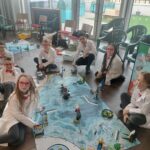
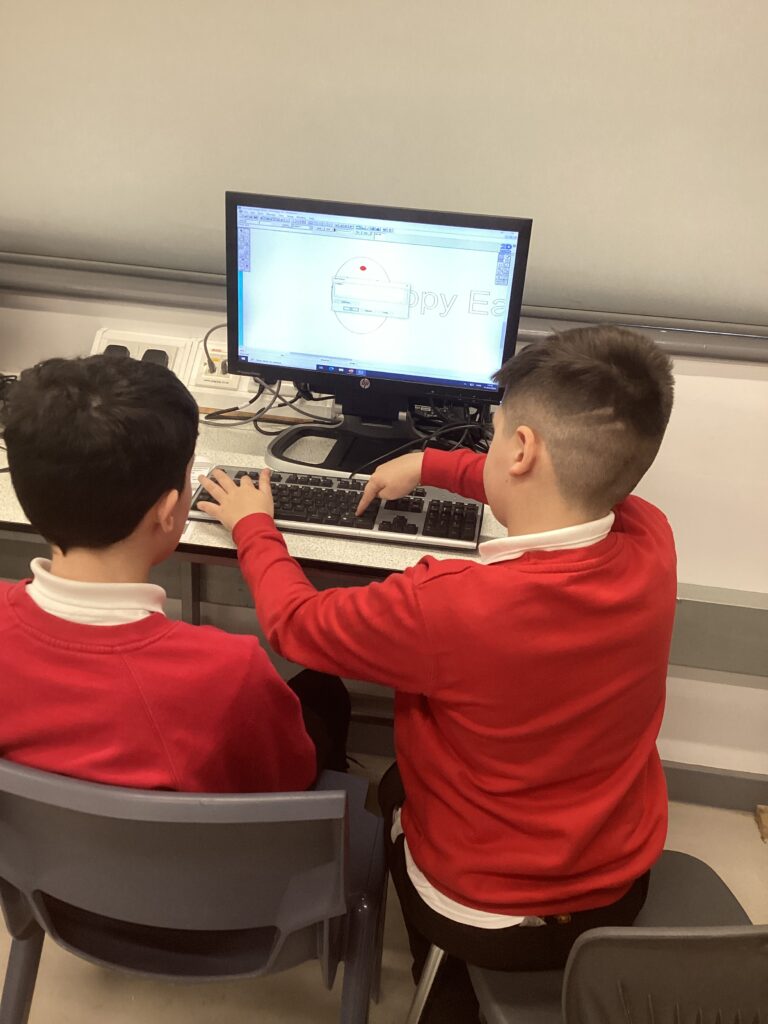
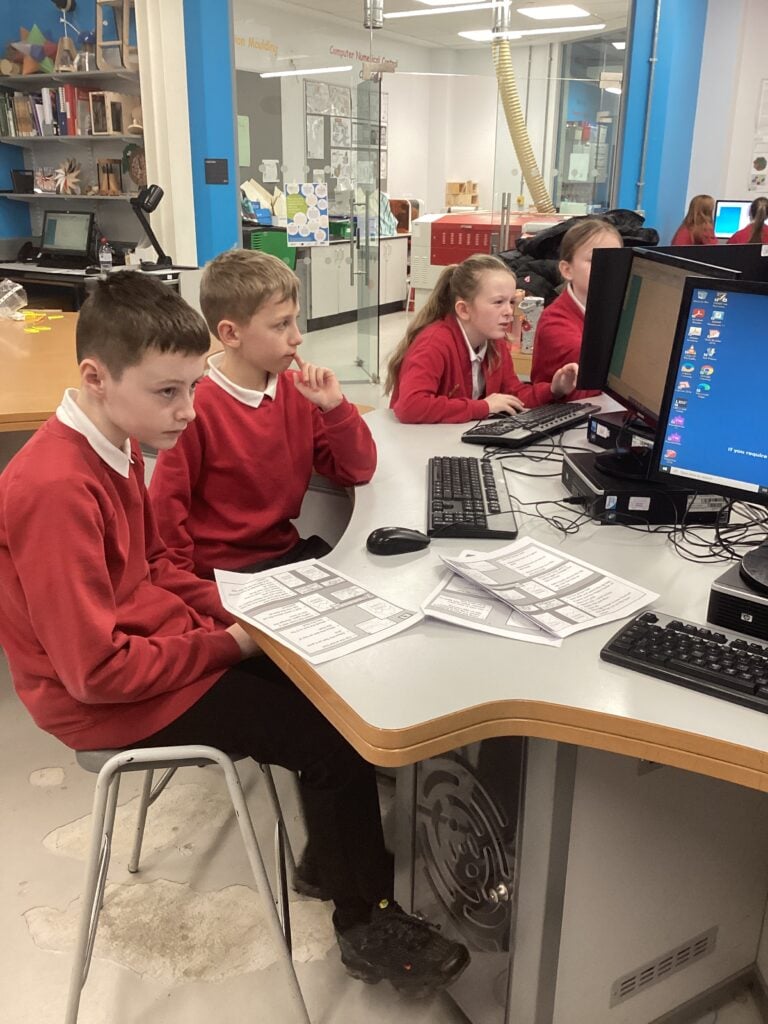
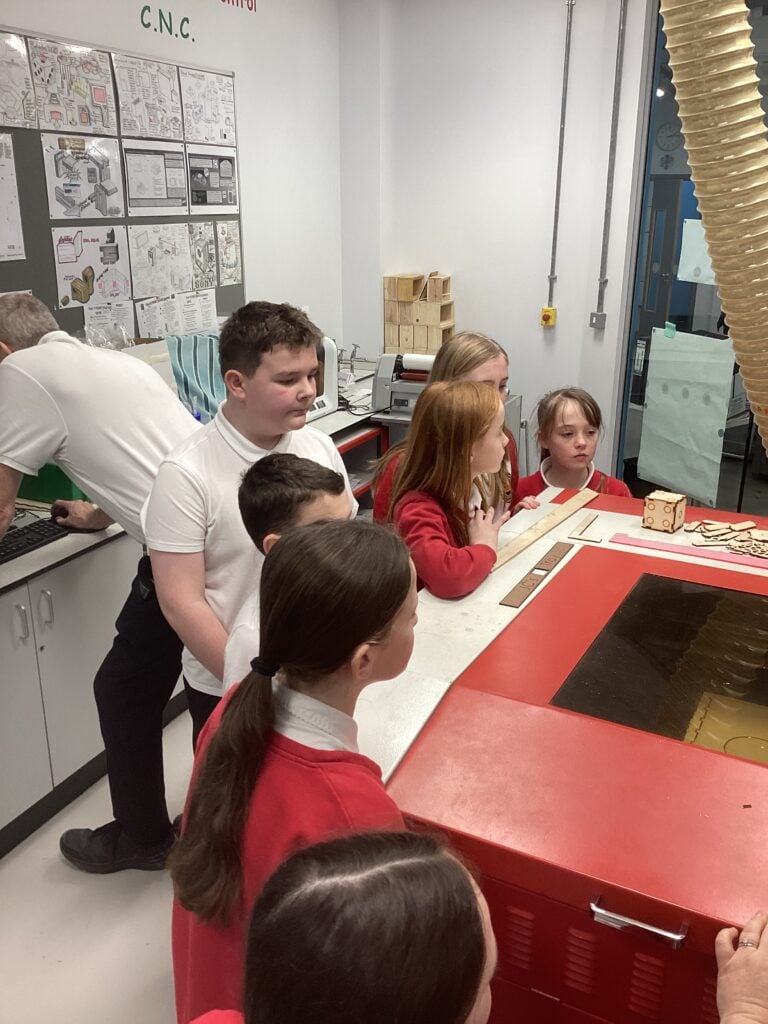
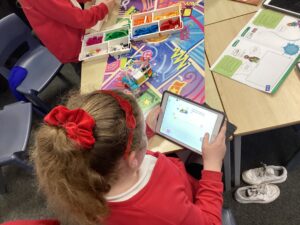
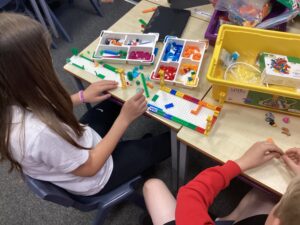
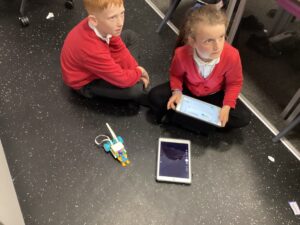
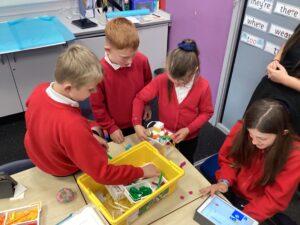
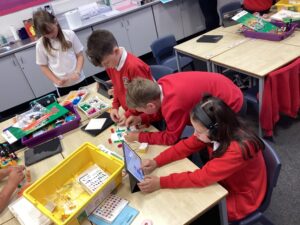
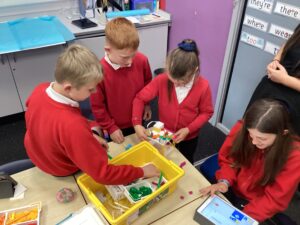
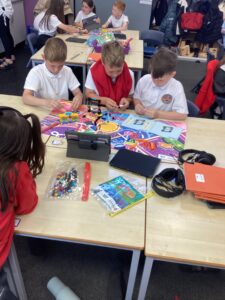
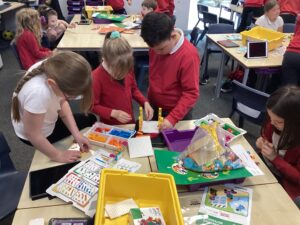
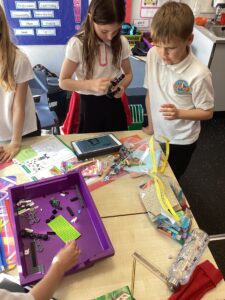
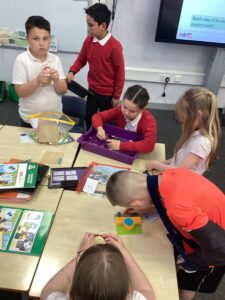
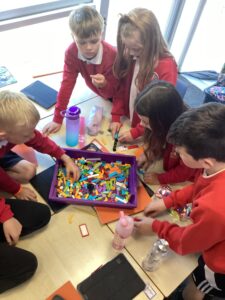
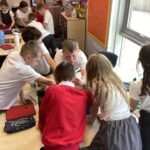
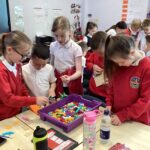
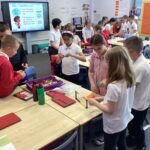
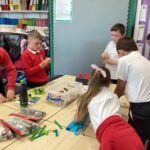
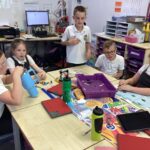
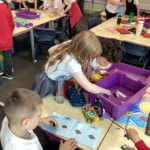
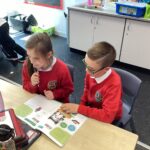
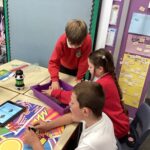
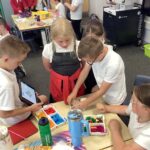
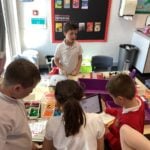
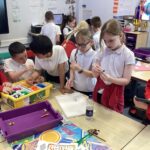
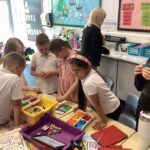
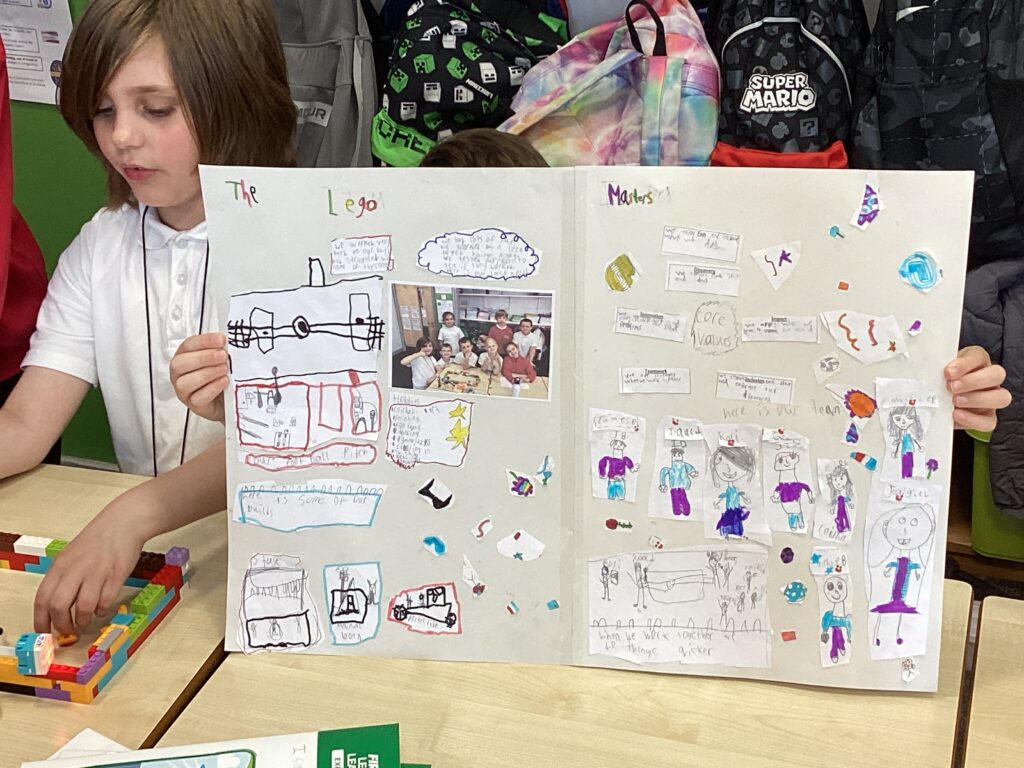
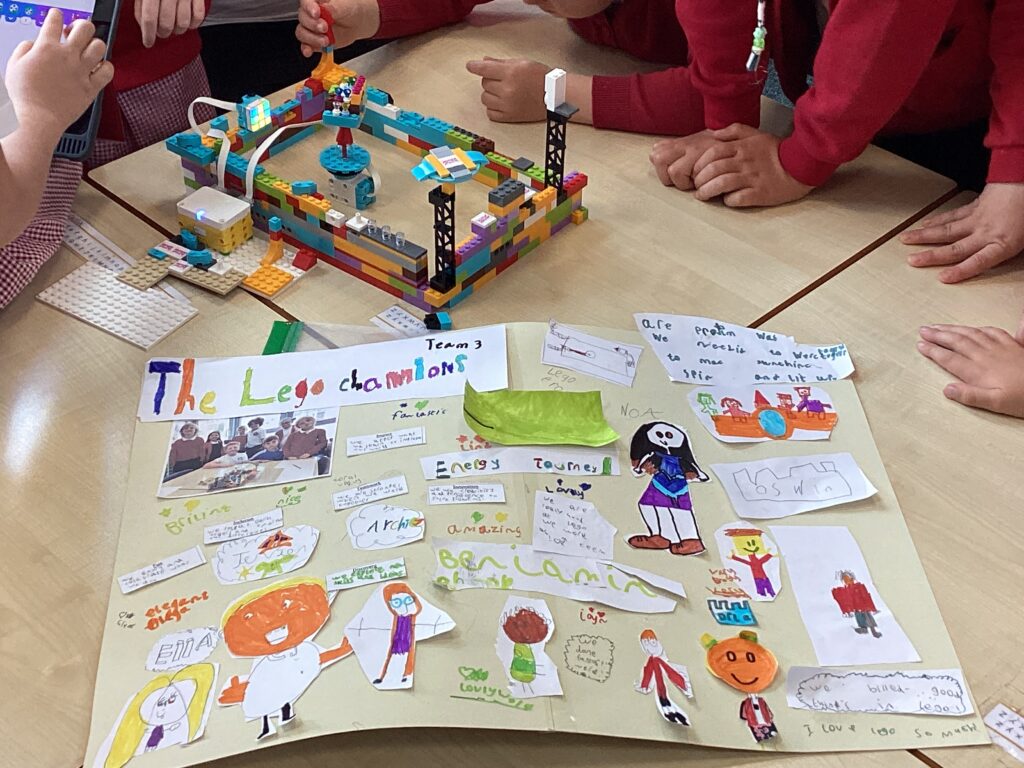
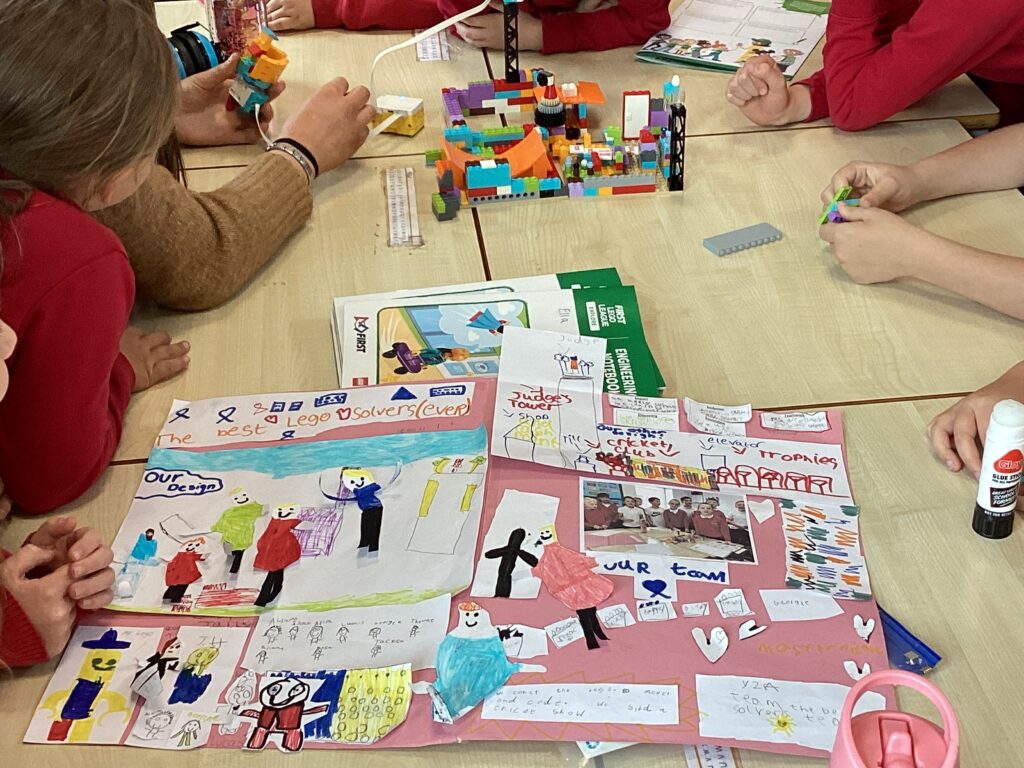
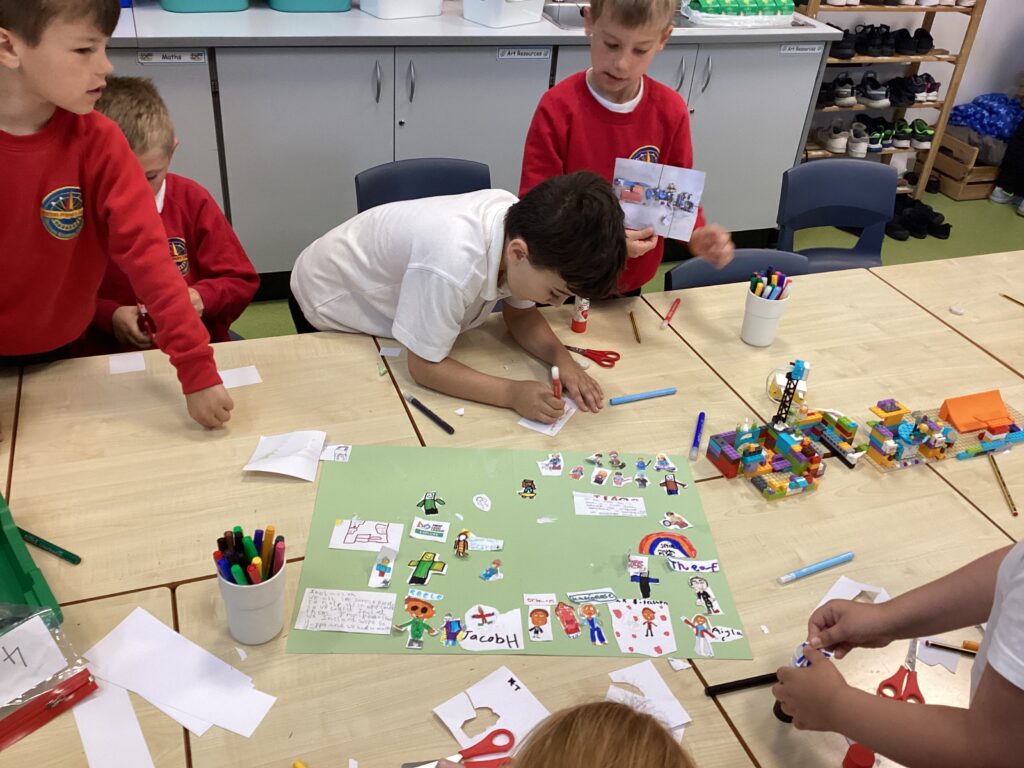
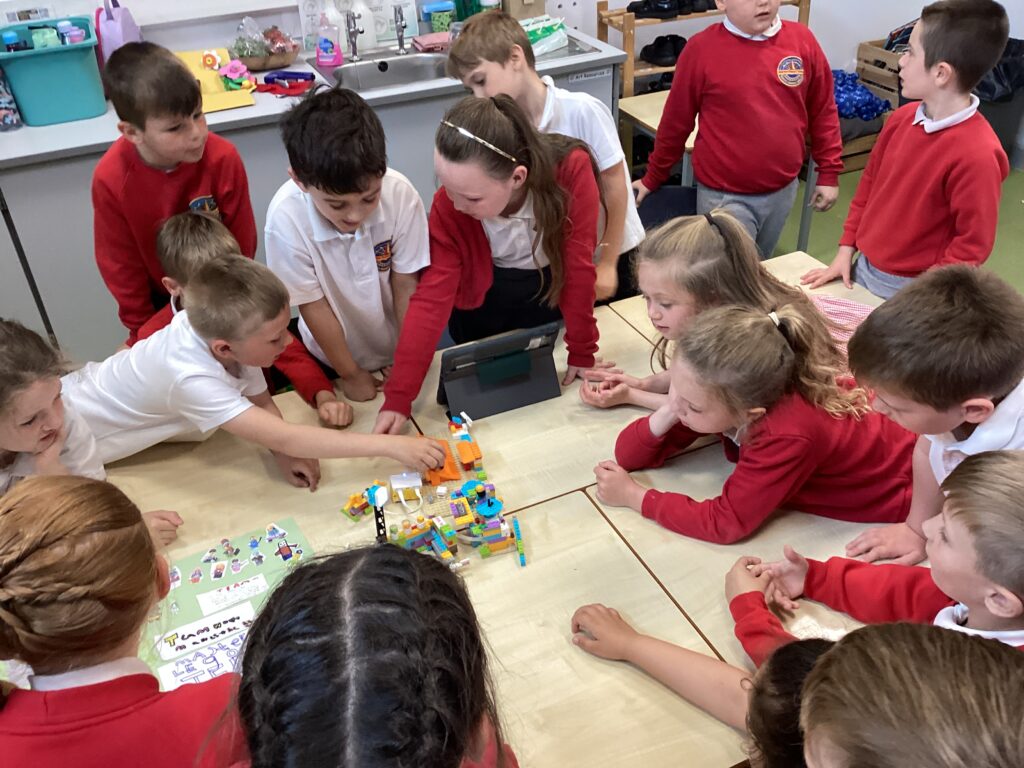
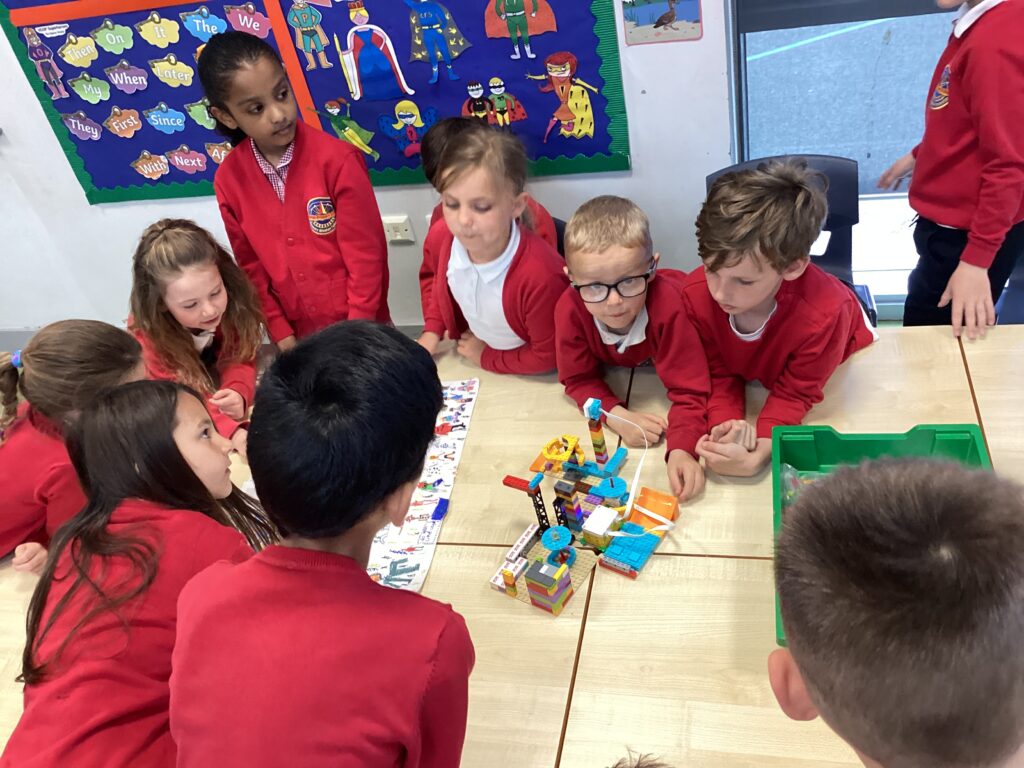
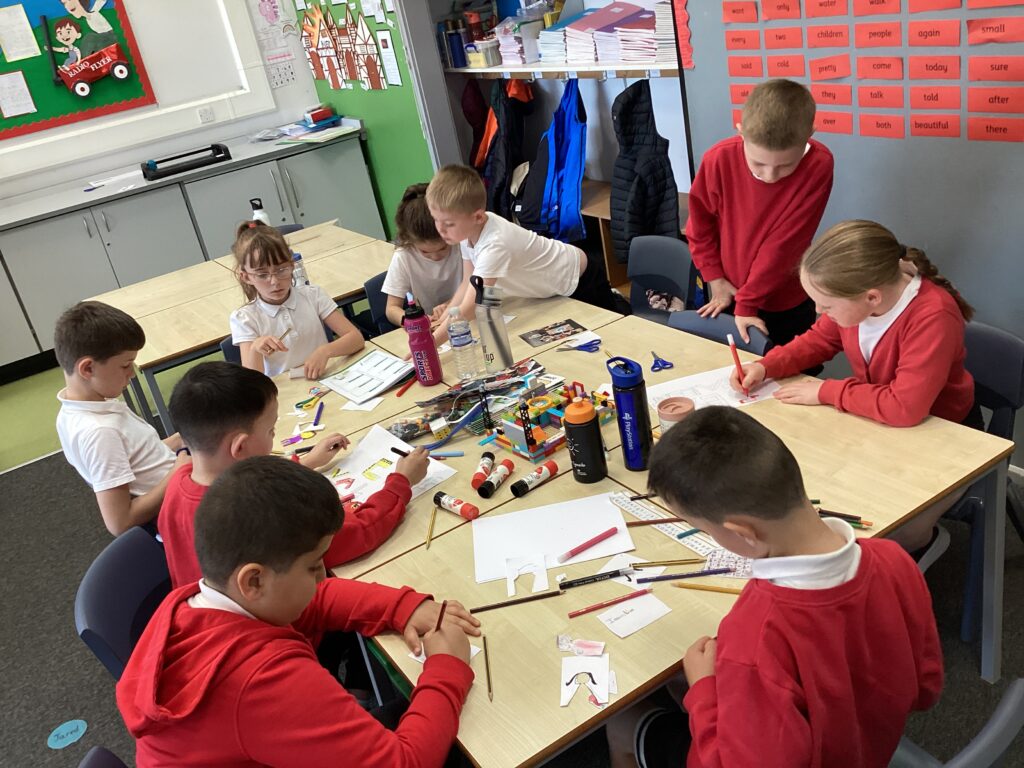
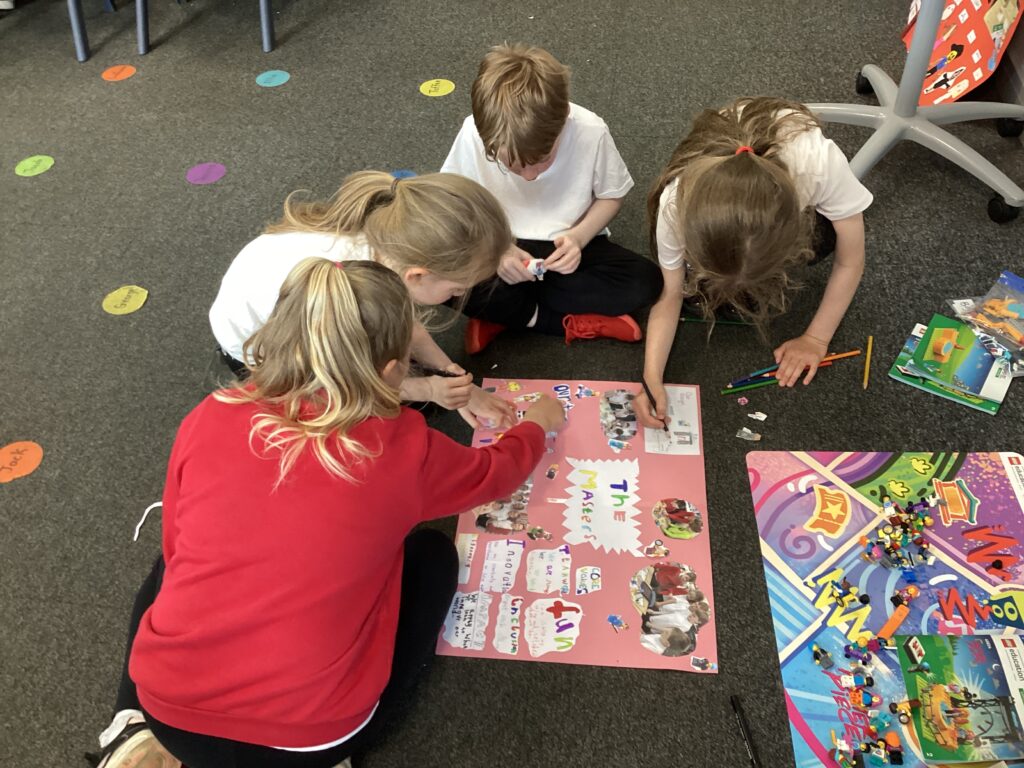
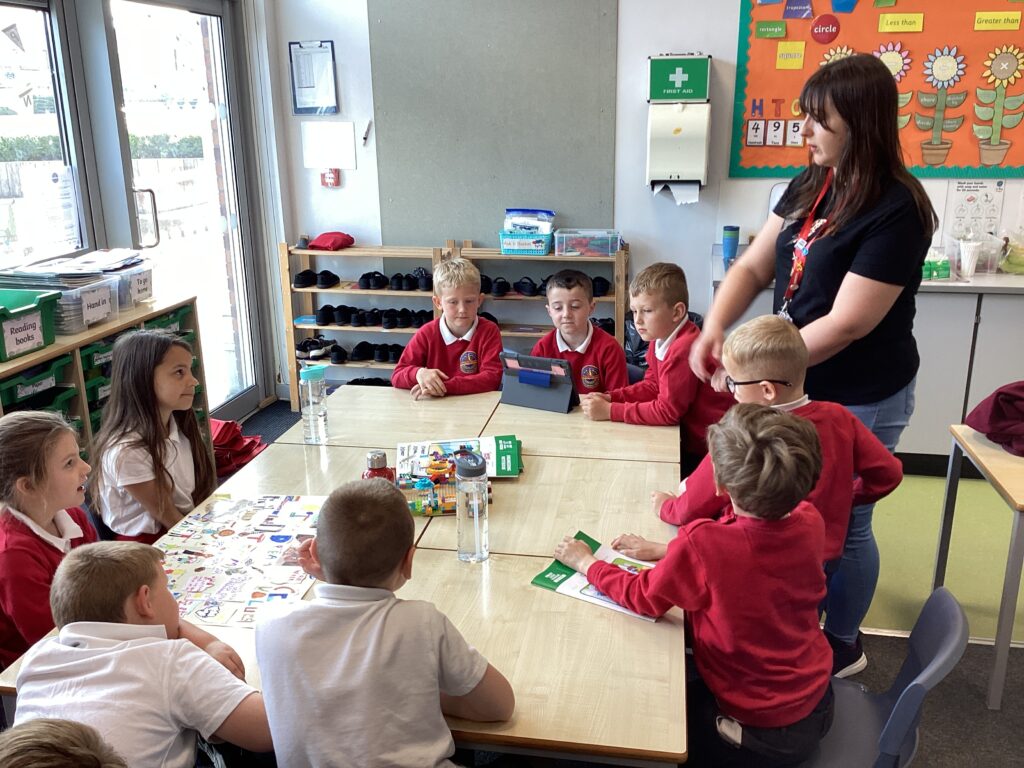
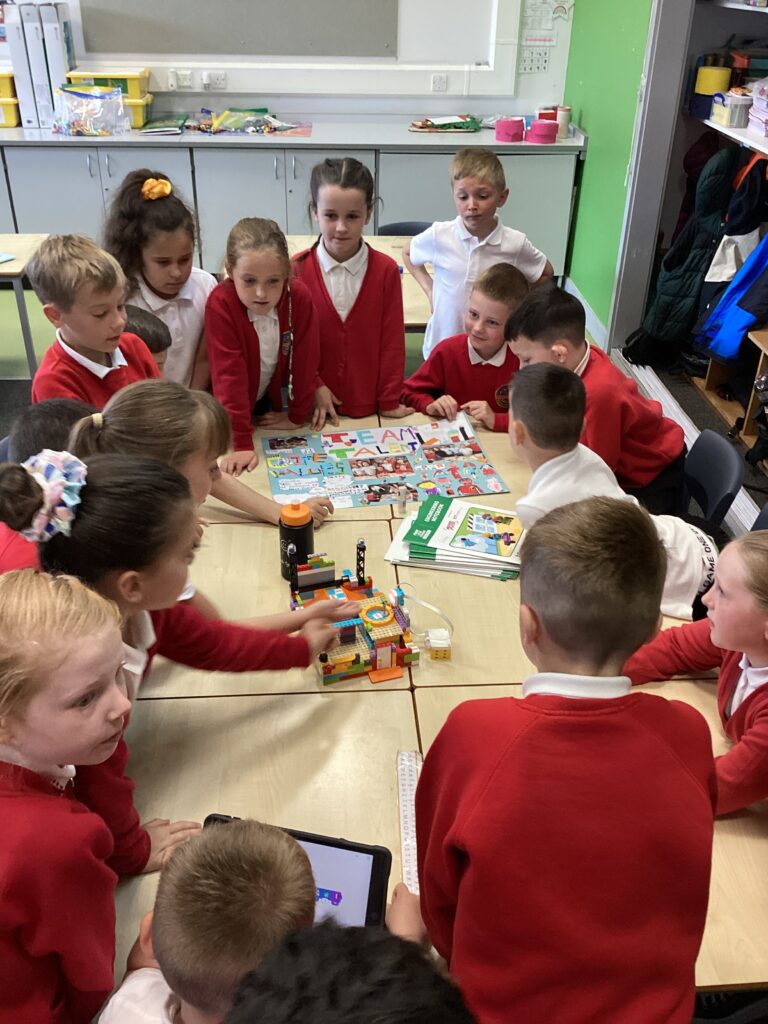
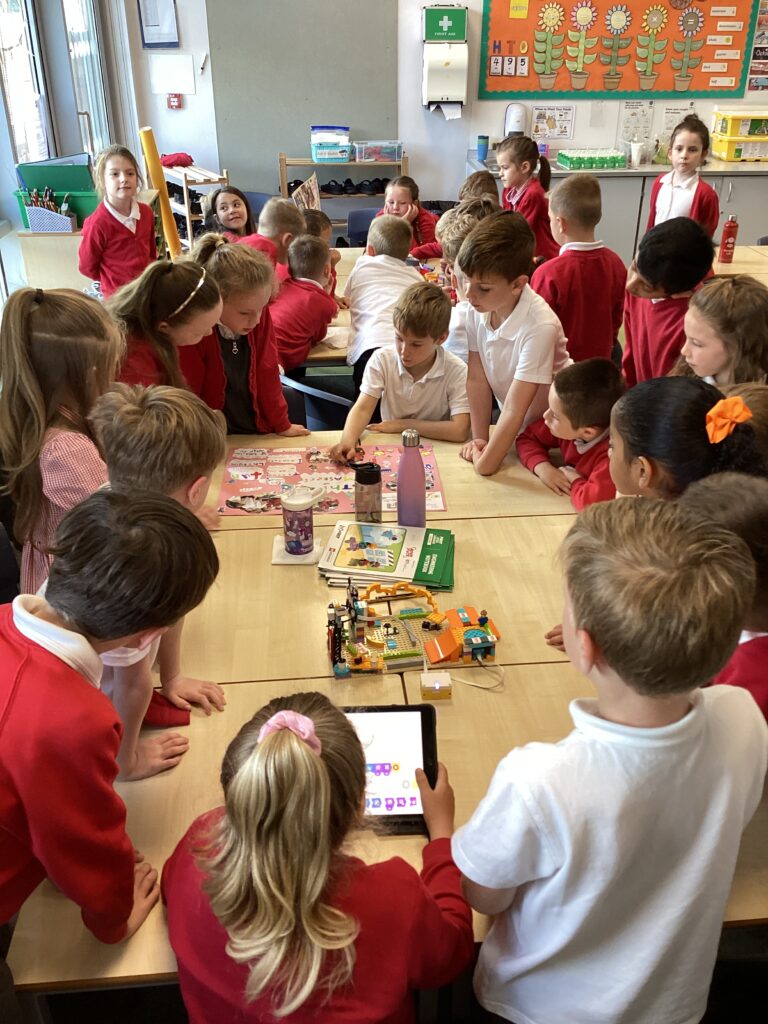
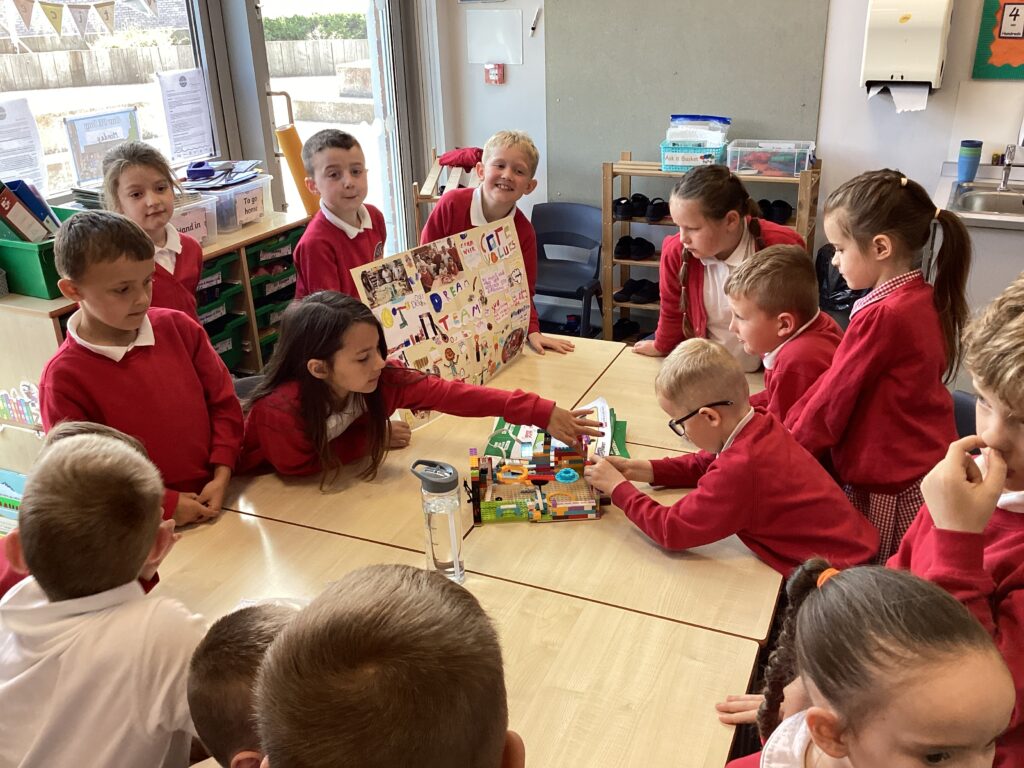
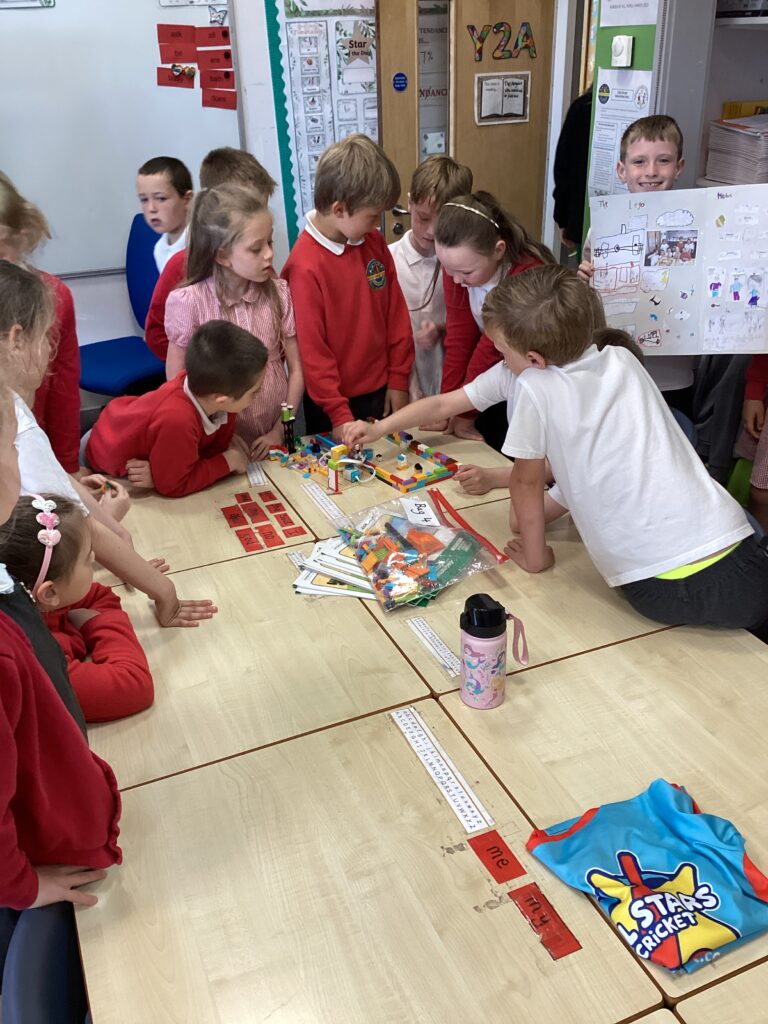
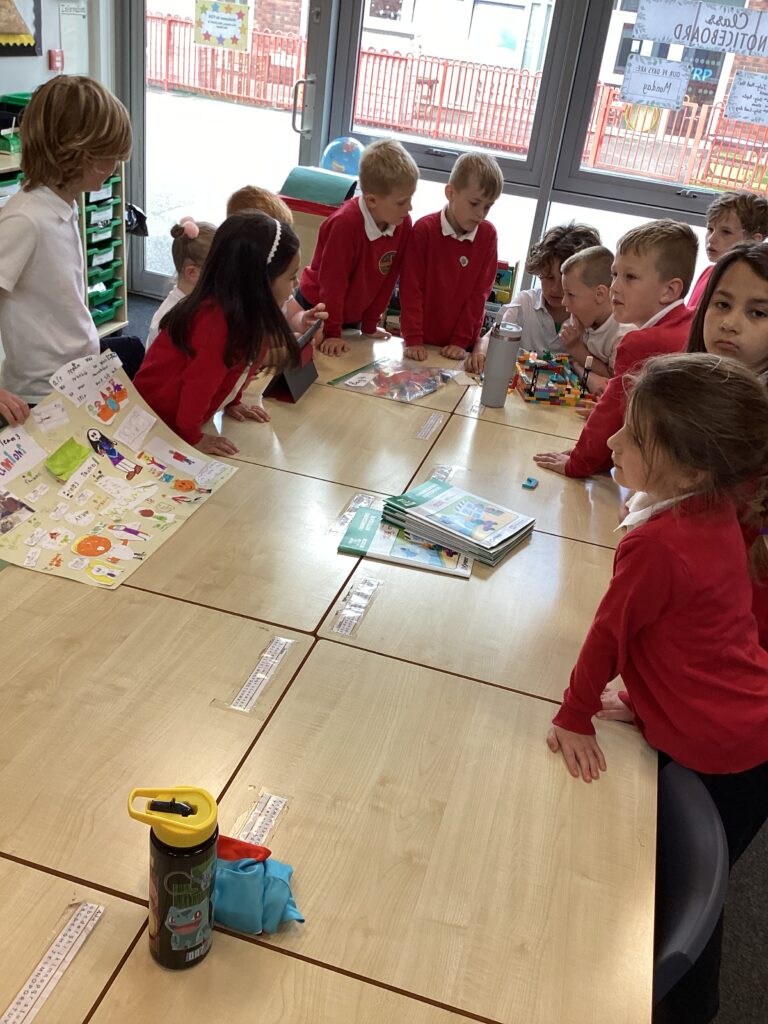
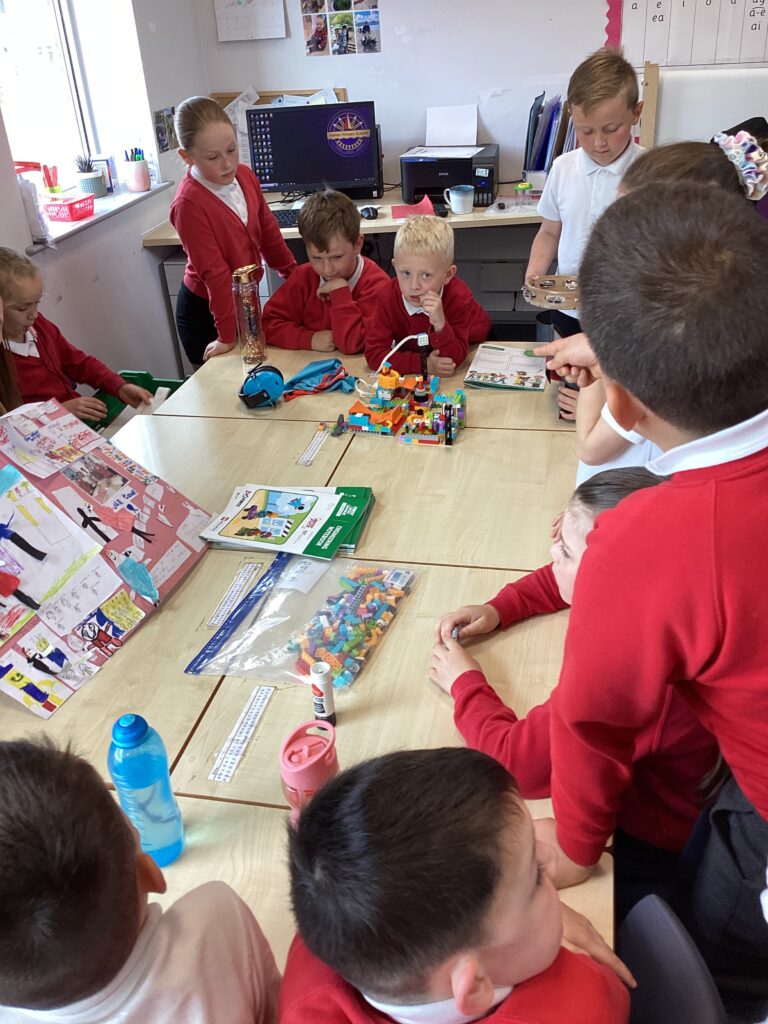
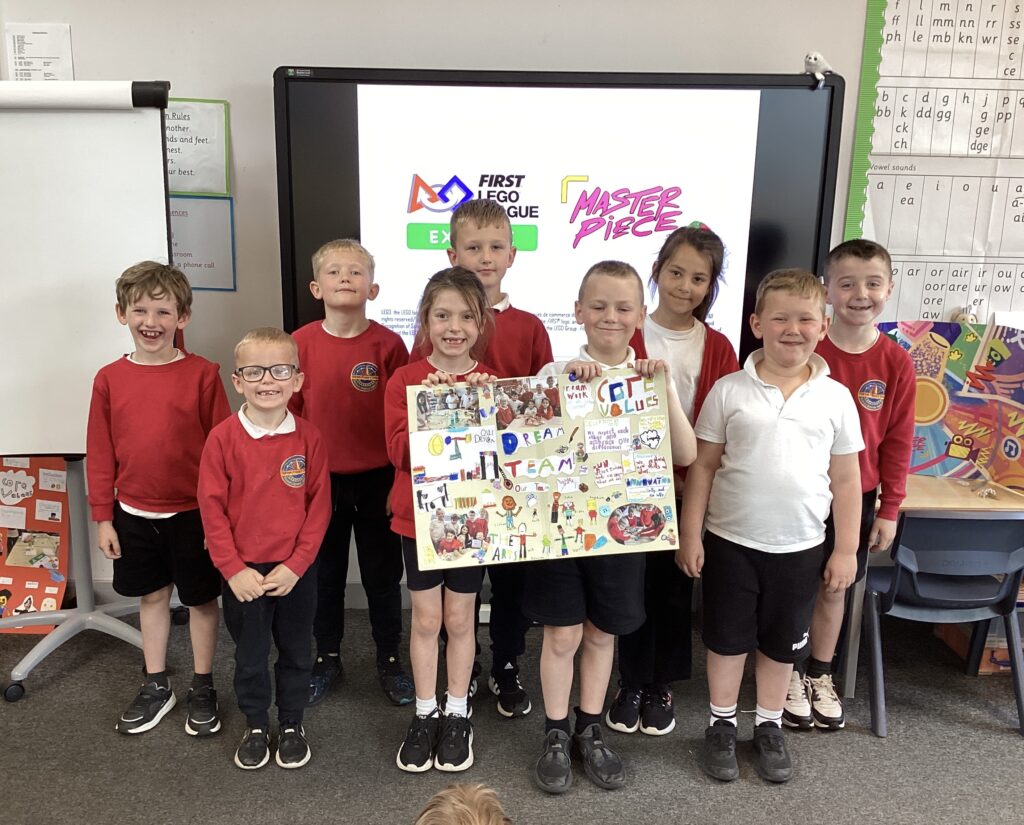
The Harton Primary Puzzlers attended The Word on Tuesday 4th March for their regional Lego League competition, where they competed against other teams from local schools. First Lego League teams compete in four areas: an innovation project; a robot run; robot design; and Core Values. For the innovation project, students are tasked to choose a problem and develop a solution. First Lego League teams research a real-world problem around a theme such as cargo, recycling or energy. This year, the theme “Submerged” asked children to explore how and why people explore the seas and oceans.
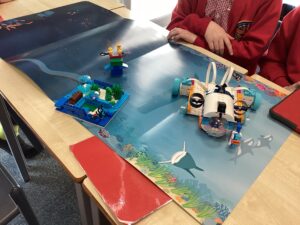
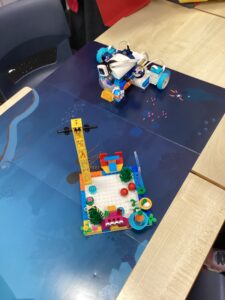
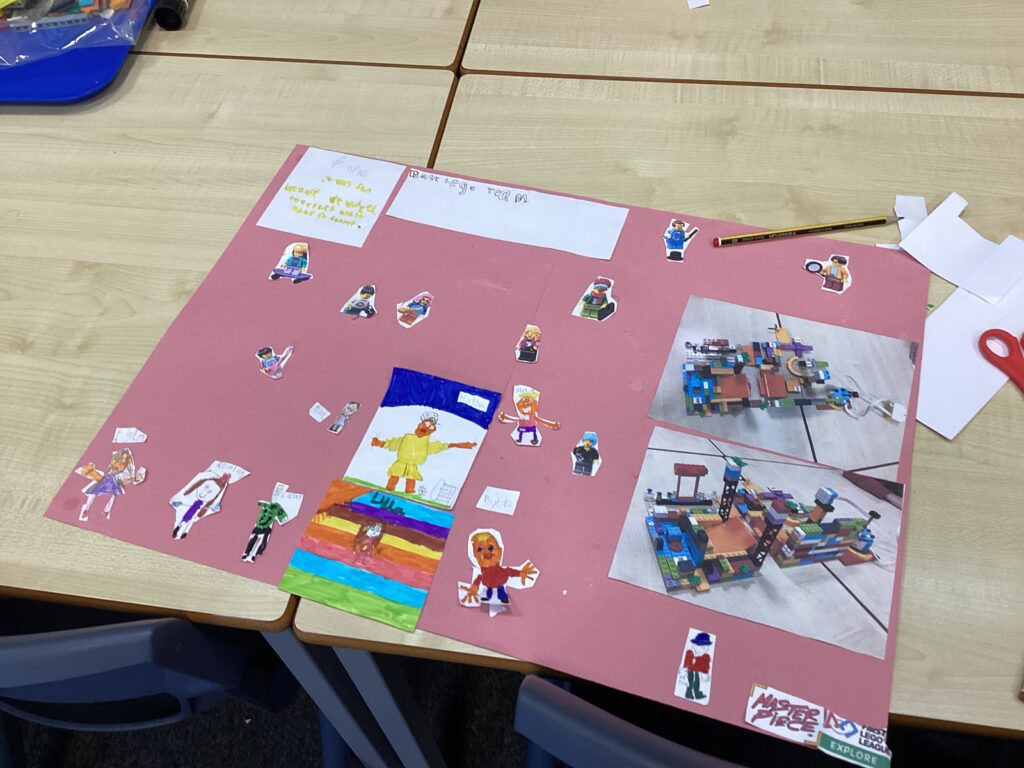
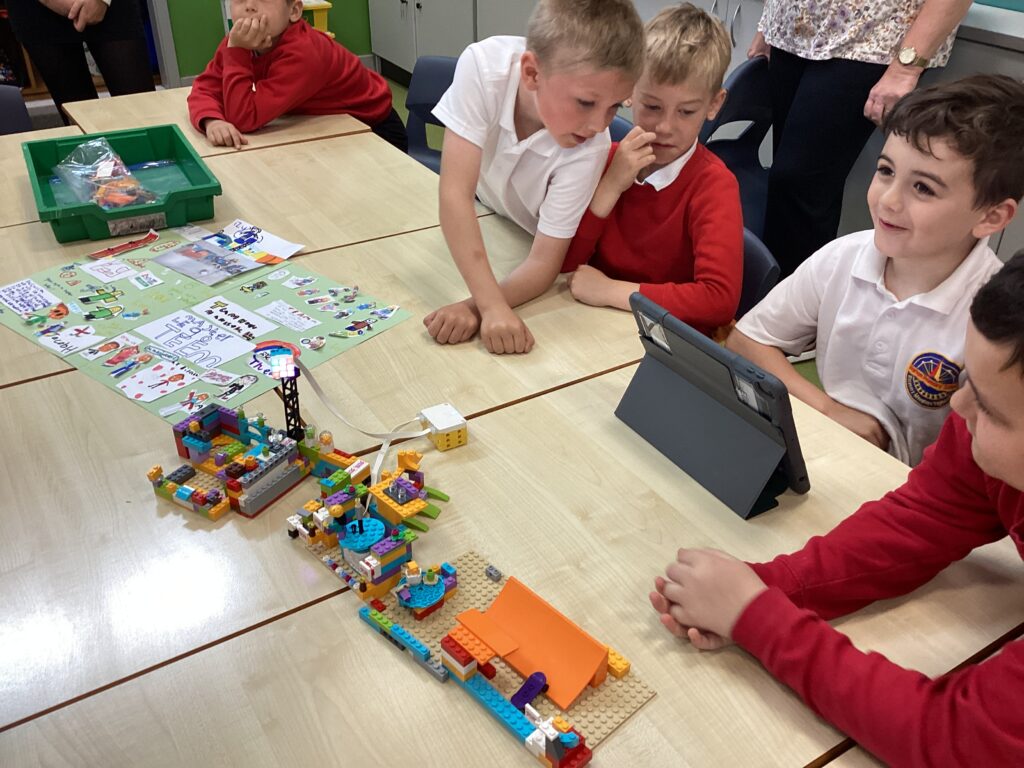
The Harton Puzzlers were interested in exploring and developing bubble curtains, which can be used to redirect plastic waste into a container unit to be collected. The collected waste would then be removed to be recycled, reused or disposed of appropriately. The children worked alongside an engineer from Cadeler, Danny Arthur, to design and make a working prototype, which they demonstrated at the regional competition.
The team spoke to a number of different organisations including: Soil Machine Dynamics, Dogger Bank Wind Farm, Dove Marine Laboratory, Stronger Shores, Marine and Offshore Training Centre (MOST), and Inspire at South Tyneside Council.
The children were able to share their project and develop their idea through feedback from people from these venues. Inspired by the use of bubble curtains by offshore companies such as Dogger Bank Wind Farm and Cadeler to reduce noise pollution, the children carried out further research into how bubble barriers work as well as the advantages and disadvantages of using them. The children’s research led them to learning about the Great Bubble Barrier in the Netherlands, which has caught over 800,000 pieces of plastic since 2019.
The children then developed the idea further through feedback from Chris Potts, from Soil Machine Dynamics. He explained that the bubble curtains could be powered by hydraulic power, making it more energy efficient and environmentally friendly. He also suggested that the children place numerous bubble curtains along the river to reduce the amount of waste getting past the barriers and out to sea. The children used Chris’ feedback to identify possible locations along the River Tyne that would be suitable. They then spoke to Blair Watson from Stronger Shores, who suggested that the children consider placing the collection units away from residential and scenic areas in order to reduce unsightly views of collected rubbish.
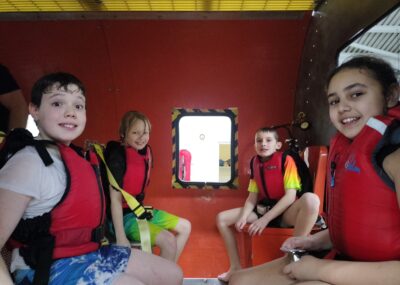
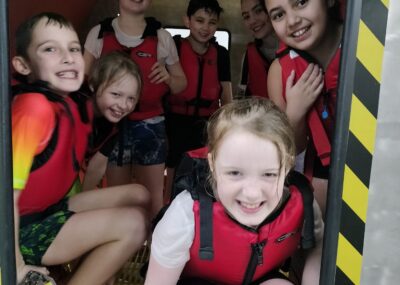
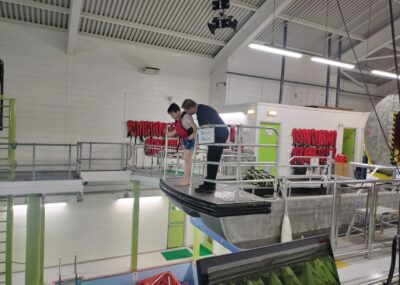
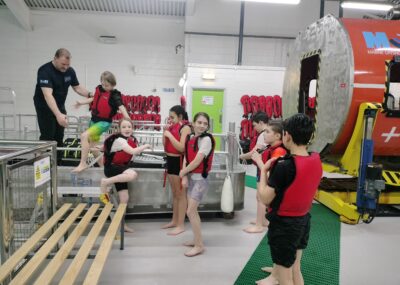
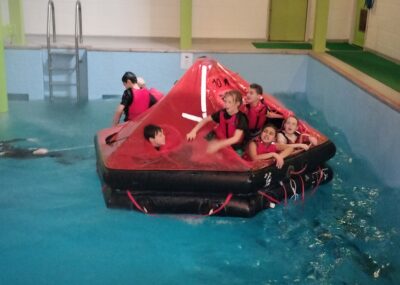
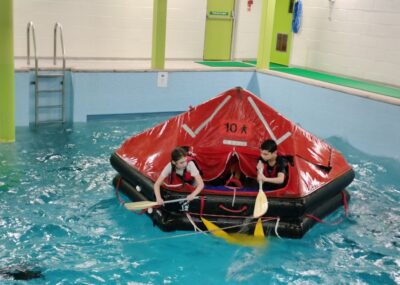
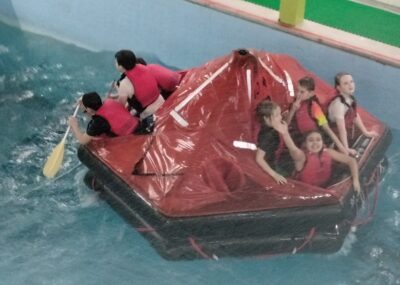
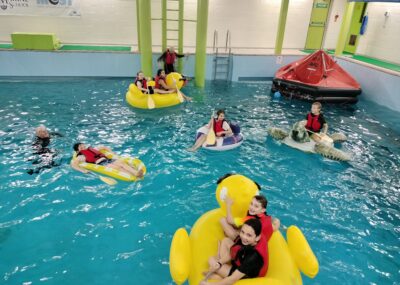
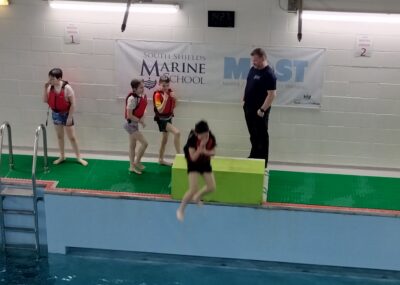
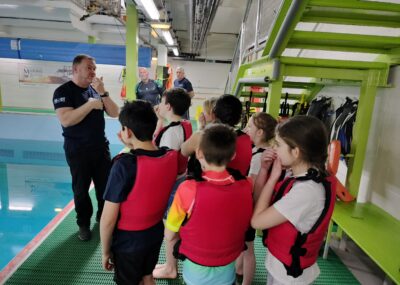
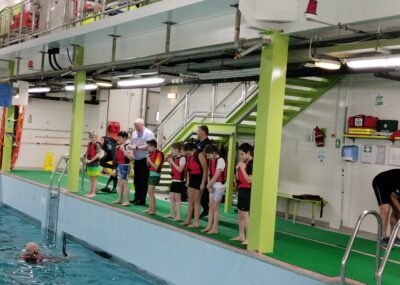
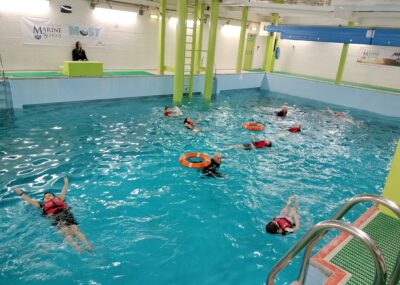
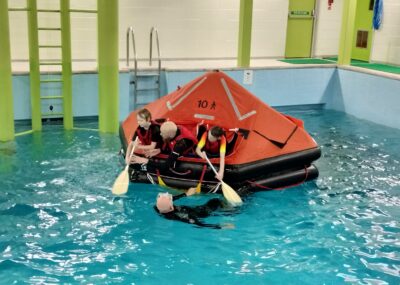
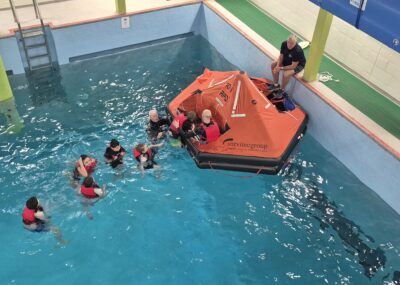
Staff at MOST provided children with insight into careers related to the seas and oceans, explaining the requirements of staff who work at offshore sites. Head of School of Marine & Offshore Safety Training (MOST) Michael Speers said, ‘We were so impressed with the school children and their teachers from Harton Primary Puzzlers, who are an absolute credit to the school. They approached the day with a fun but sensible attitude, bravely undertaking the safety training in the all weather environmental pool. They learnt how to safely jump in the water with a life jacket on, swim in storm conditions to a life raft and work as a team to climb in it and safety manoeuvre. This all followed a fascinating showcase of their model and how it worked. Well done, Harton Puzzlers!’
Dove Marine Laboratory, a research and training laboratory, which forms part of the School of Marine Science and Technology within Newcastle University, were impressed by the ingenuity of the Puzzler’s project idea. They gave the children a tour of the laboratory, discussing the work they do around ecology and marine conservation. Staff at Dove Marine noted that the bubble barrier would help in their research into plastic pollution, and also offered the suggestion that the barriers could be placed near factories identified as sources of plastic pollution.
The team also had two meeting with Inspire, working with members of South Tyneside Council and local voluntary organisations to showcase and develop their innovation project further. The staff at Inspire provided insight such as the bubble curtain oxygenating the water, which would benefit sea life, and discussing the financial implications of installing bubble barriers in the River Tyne.
Cllr Margaret Meling, cabinet member for economic growth and transport at South Tyneside Council, ‘Congratulations to the children and staff at Harton Primary on this incredible achievement, and we wish them the best of luck in the National Final. This really is a fantastic project that really helps to inspire young minds, and we are very thankful to our local business community who supported the project with their valuable insights and advice.’
Andy Edgar, Operational Consents Manager at Dogger Bank Wind Farm said, ‘It’s been a pleasure to support Harton Primary’s journey to regional victory and to the national LEGO League finals. The creation from the Primary Puzzlers is truly impressive, and we’re excited to see what they achieve at the final in Harrogate. We wish them the best of luck!”
Chris Potts, systems engineer at Soil Machine Dynamics, shared, ‘It’s always a pleasure to support Harton Primary children to inspire & encourage young great minds with STEM & to become fantastic engineers in the future!’
The team used their research and development points from the experts to create an engaging, informative presentation, which they delivered to a panel of judges. The children chose to deliver their presentation in the style of an engineer’s Dragon’s Dan, which they called Beaver’s Burrow, paying homage to one of nature’s great engineers. Their project was praised by the judges and the team were keen to share their innovation project idea with the other teams.
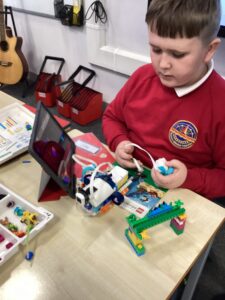
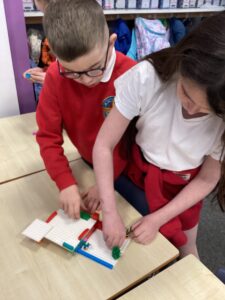
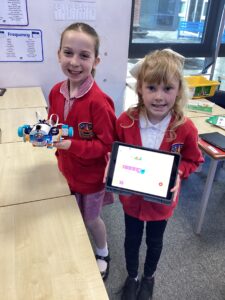
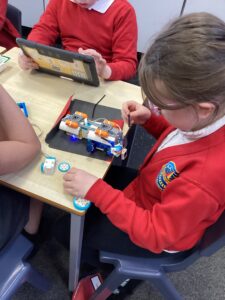
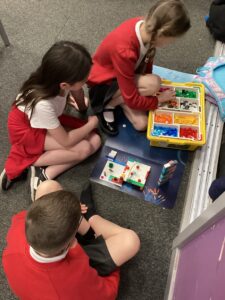
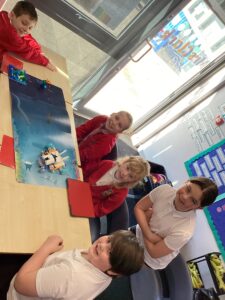
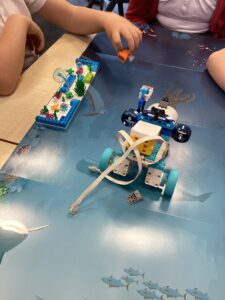
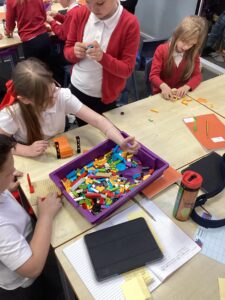
The team also designed and built a robot (dubbed Clownfish, in line with this year’s theme), which they coded using Lego Spike Prime technology and competed on a table-top playing field. This involves timed challenges, where students program the LEGO robot they’ve built to perform tasks on a field. The robot interacts with modules to complete missions and earn their team points. The children took part in 3 rounds of robot games and achieved a place in the final round, where they were crowned the winners of the robot game.
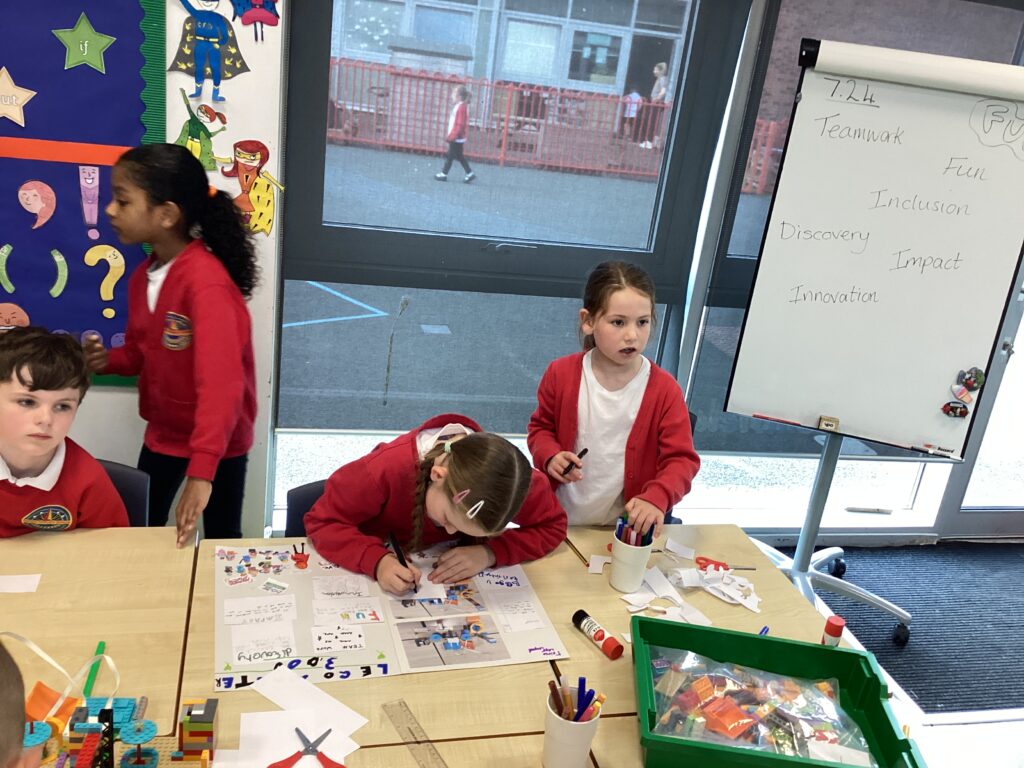
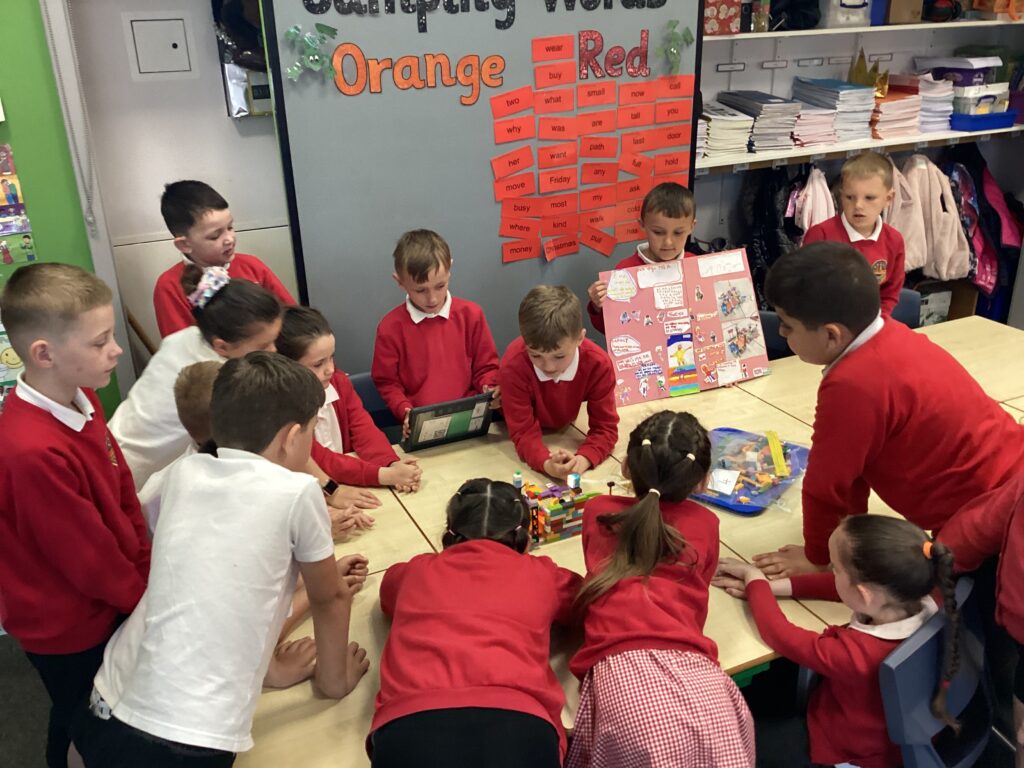
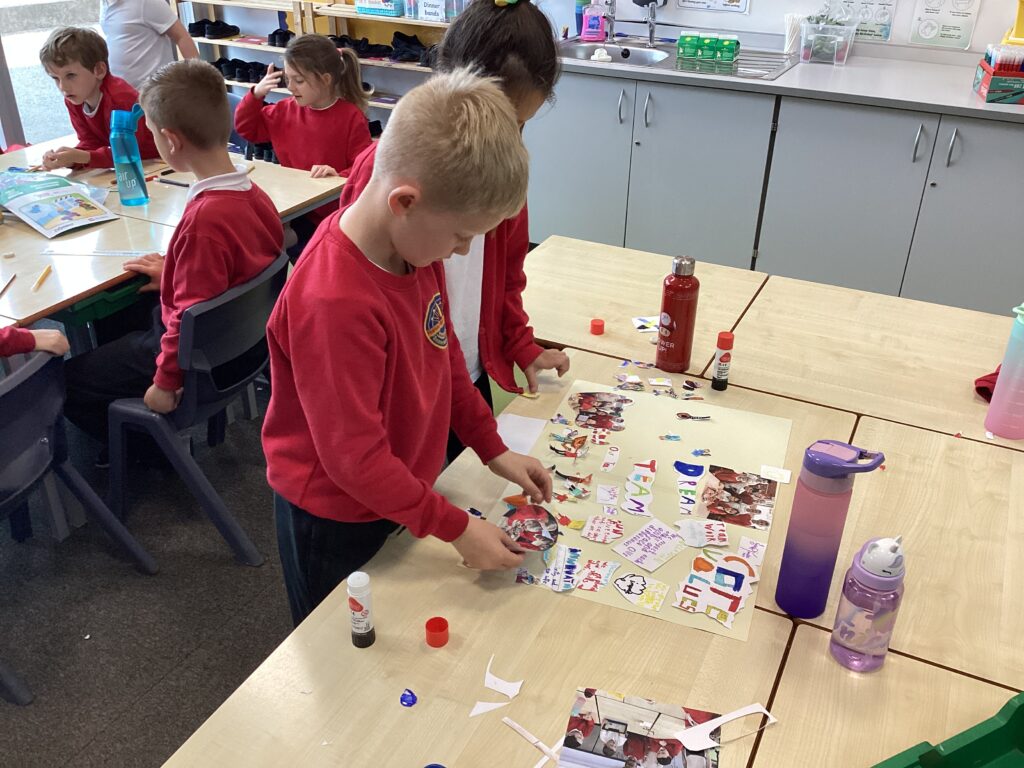
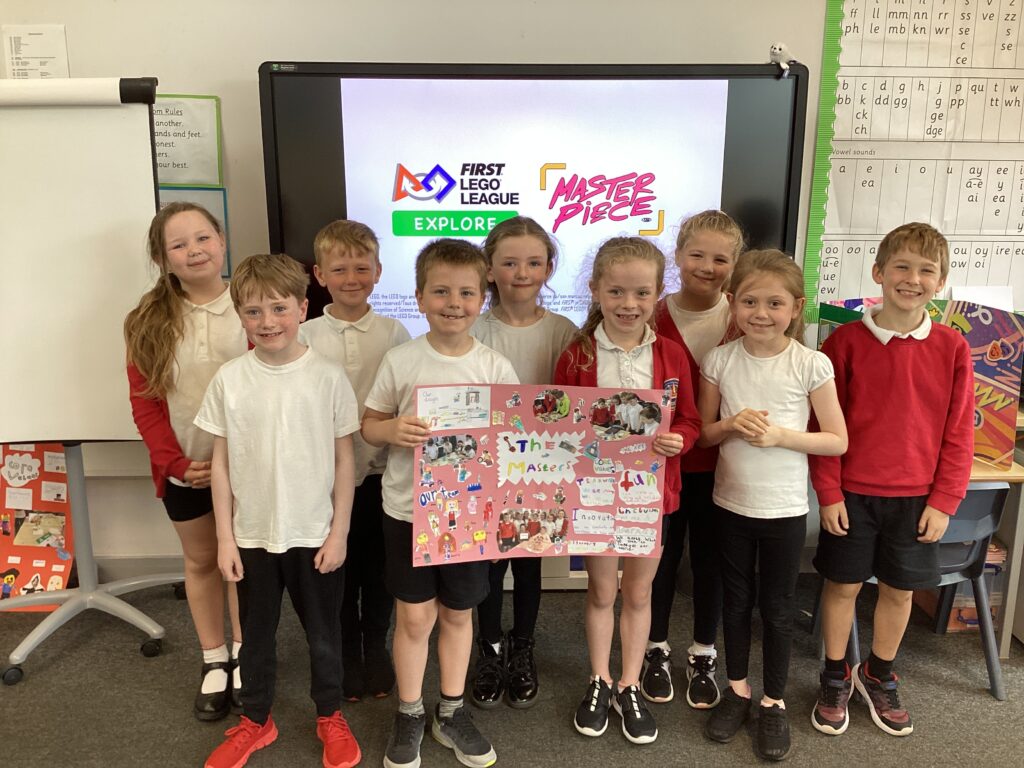
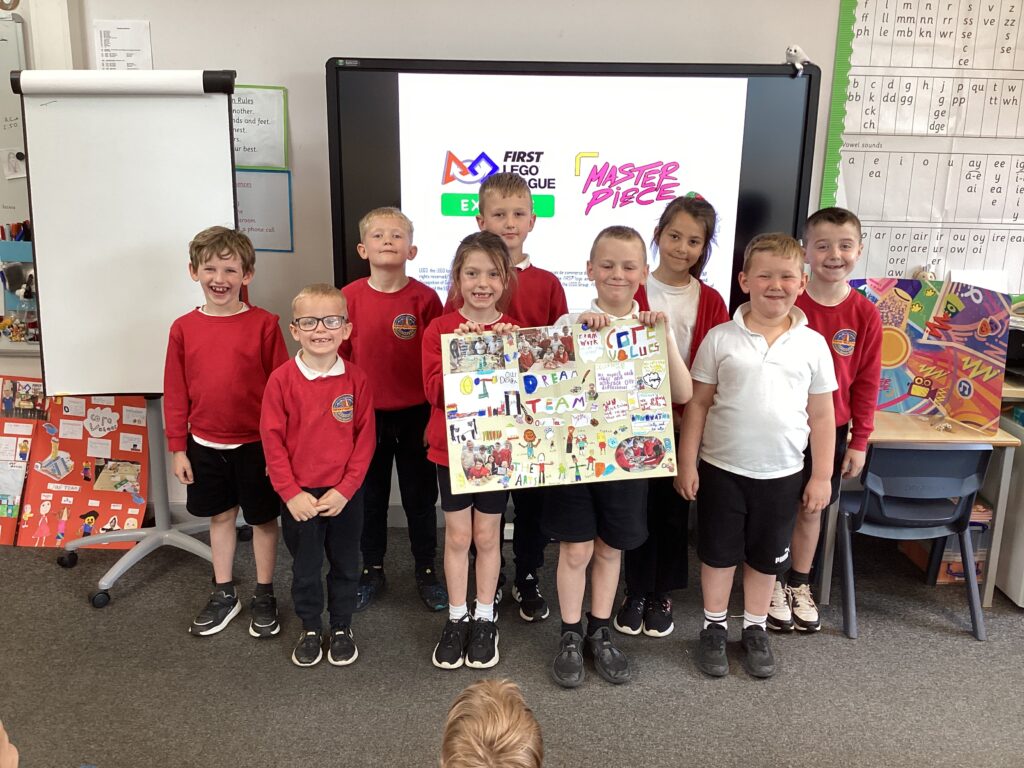
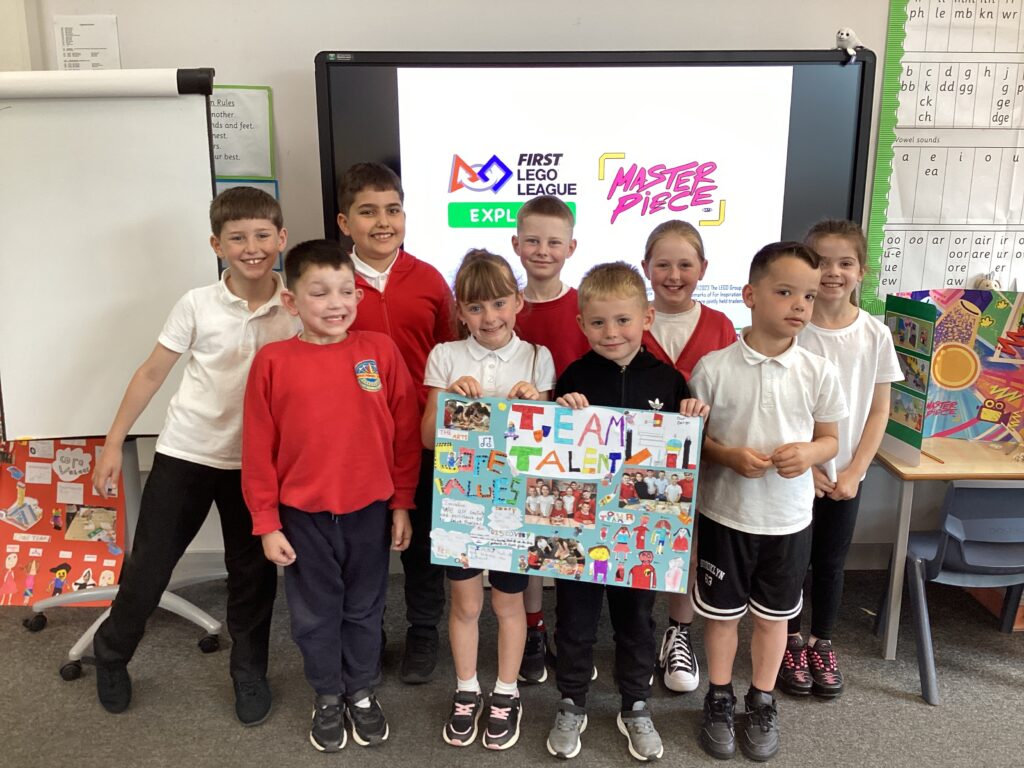
As part of the Lego League, the children are expected to demonstrate Core Values – discovery, innovation, impact, teamwork, inclusion and fun – throughout the day. With some teams having less experience of the robot game, the children used their initiative to coach the other teams and offer support with their coding.
Samantha Cowper, a teacher from Laygate Primary School, who attended with her school’s team said, ‘I attended with 6 of my Y6 pupils who were a little nervous at the beginning of the day. The Harton team took time to sit with us and support us with some of our coding- resulting in us making it to the semi-finals! They showed fantastic teamwork and demonstrated the core values excellently, particularly building up the confidence of our pupils- a credit to your school. We look forward to hopefully working with them in the future.’
Mr Rob Donnelly, headteacher of Harton Primary School, said, ‘We’re so proud of the Puzzlers and we know they’ll do a brilliant job representing the school and the region at the national competition in Harrogate.’
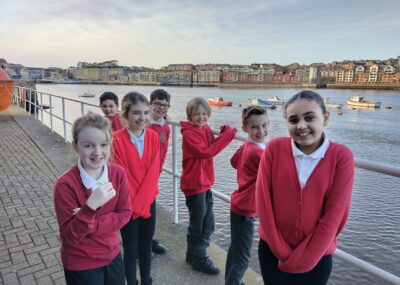
The team is made up of four Year 5 pupils – Oscar, Fae, Liam and Amelia – and three Year 6 pupils – Archie, Ava and Heath.
This is the sixth year that the Harton Primary Puzzlers have won the First Lego League regional completion under the current coaches, with teams triumphing previously in 2018-19, 2019-20, 2021-22, 2022-23 and 2023-24. They did not compete in the 2020-21 tournament due to Covid.
The South Tyneside regional competition took place over two days as more teams participated this year through being involved with the SAGE Project. The team are now all set to travel to Harrogate to compete in the National competition to represent the region. The competition will take place at Harrogate Convention Centre on Saturday 3rd May.