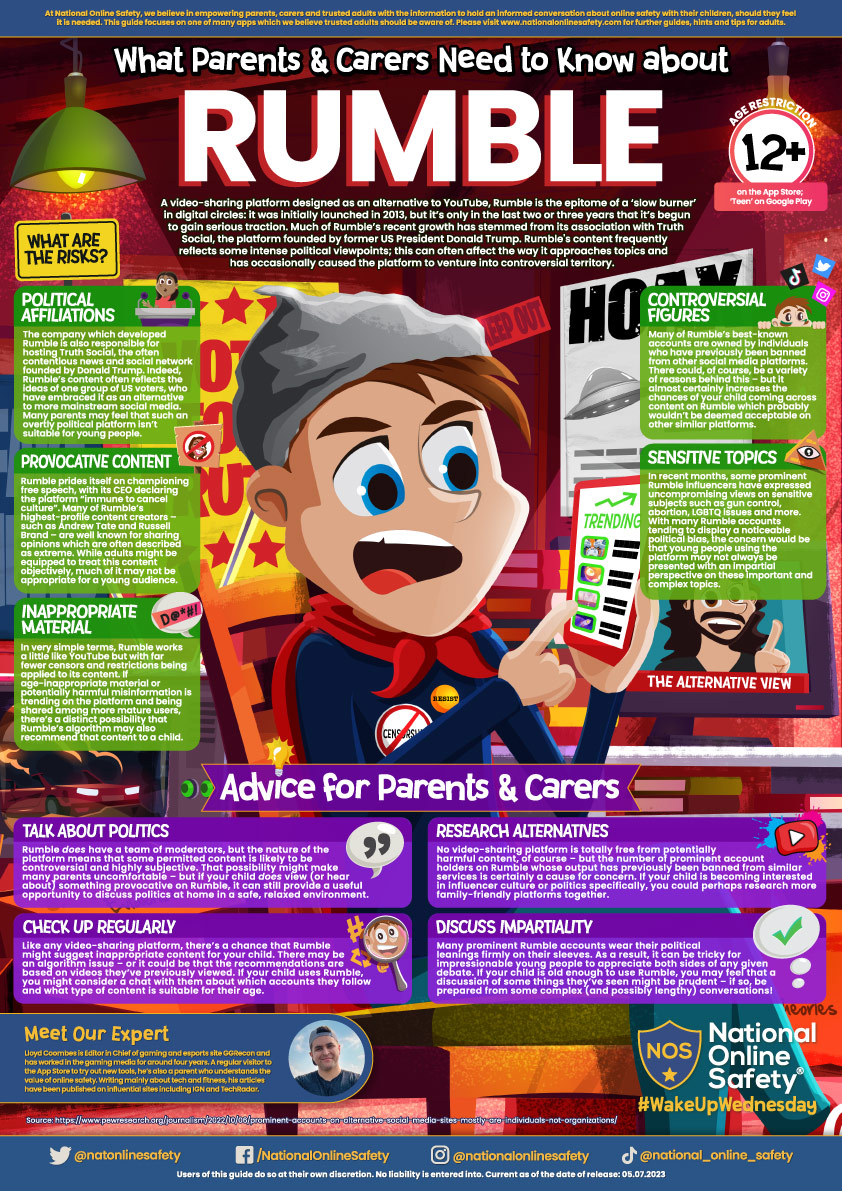
Almost half (46%) of 8- to 11-year-olds in the UK play online video games with people that they don’t necessarily know 
 While 55% of parents of young gamers worry that their child might be pressured into making expensive in-game purchases
Most children find gaming immensely enjoyable, but its volume of potential risks – and capacity to influence behaviour – often make it problematic for parents.
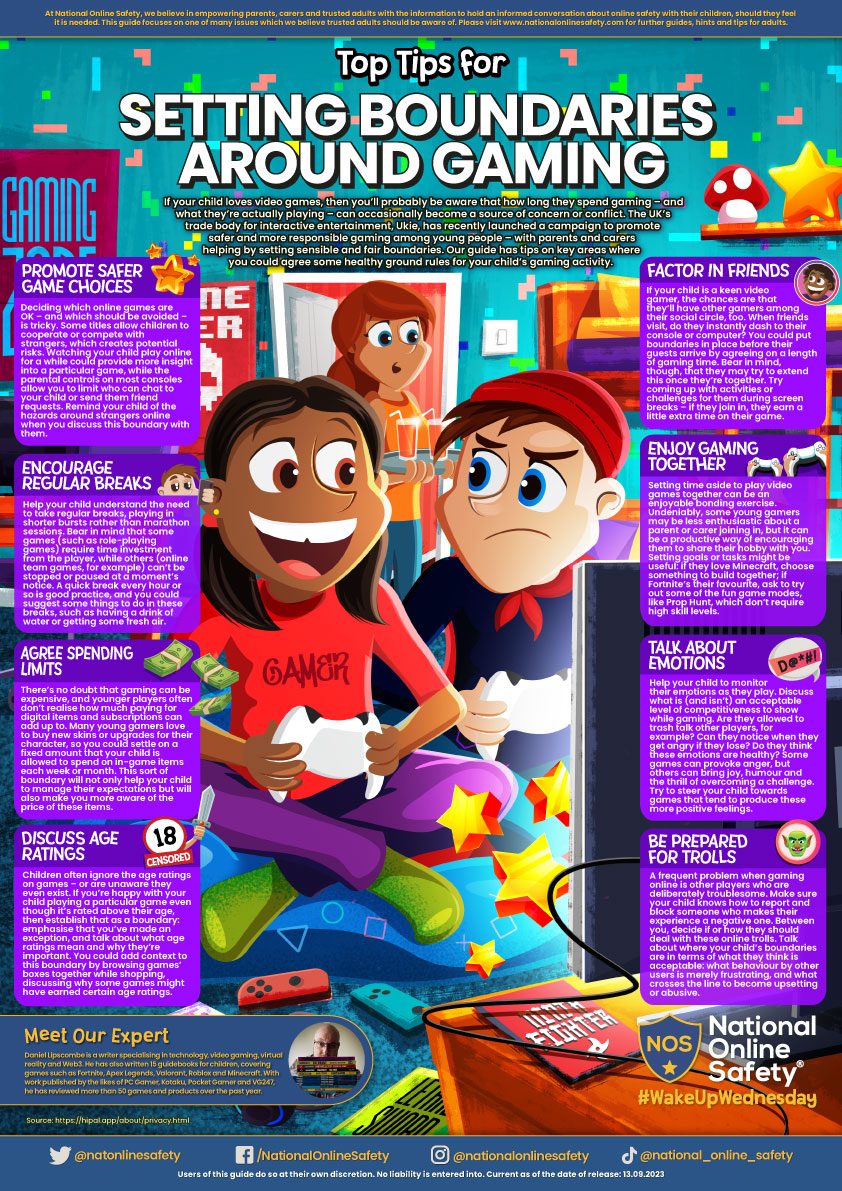
Behind video-sharing platforms (like YouTube) and streaming TV shows and movies, gaming is the third most popular online activity for children in the UK. In fact, according to recent data from Ofcom, an overwhelming 89% of children aged 3 to 17 play video games. Of those, more than one in five (22%) talk to other players online who they don’t know outside the game.
The risk of contact from strangers is just one of the reasons that many parents are concerned about their child’s gaming: increased screen time, inappropriate content and in-game spending also figure among the most frequent fears. Agreeing on some rules around your child’s gaming activities can certainly help, and our guide has some useful tips for establishing these boundaries.
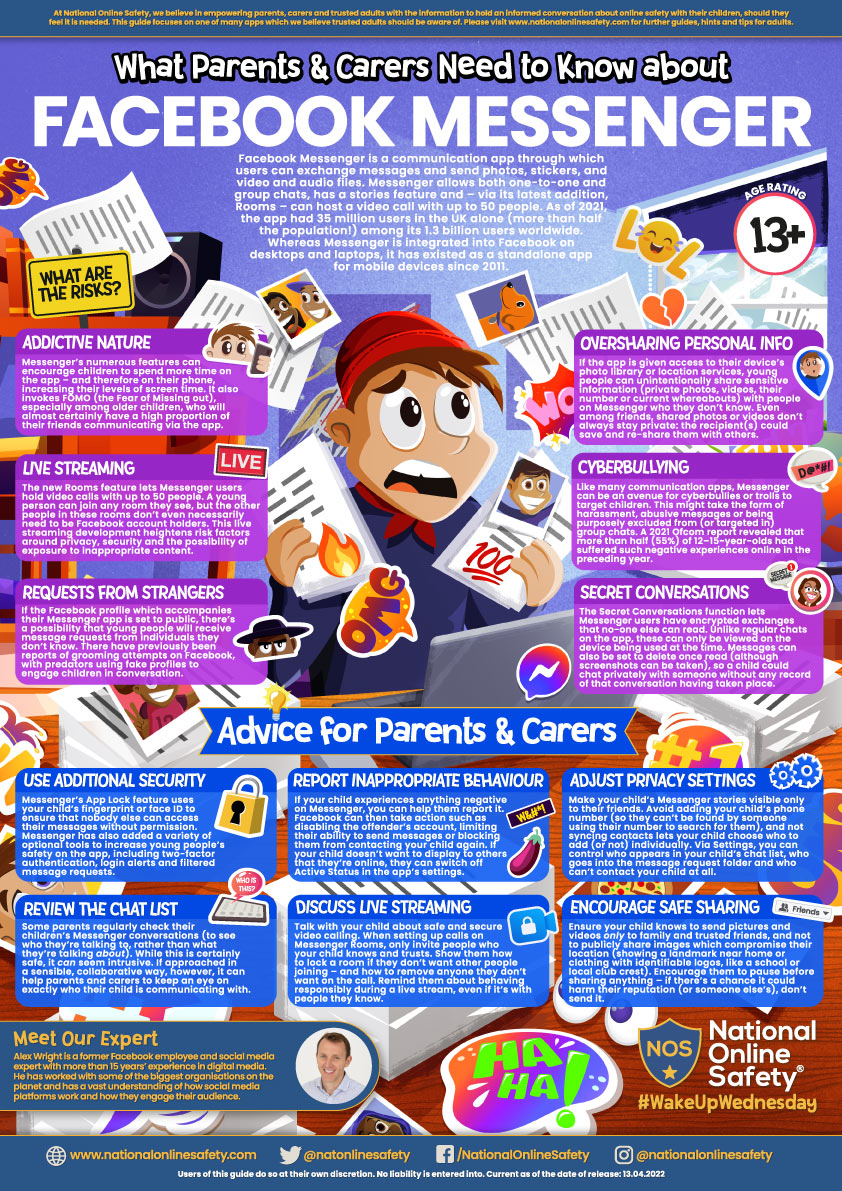



























































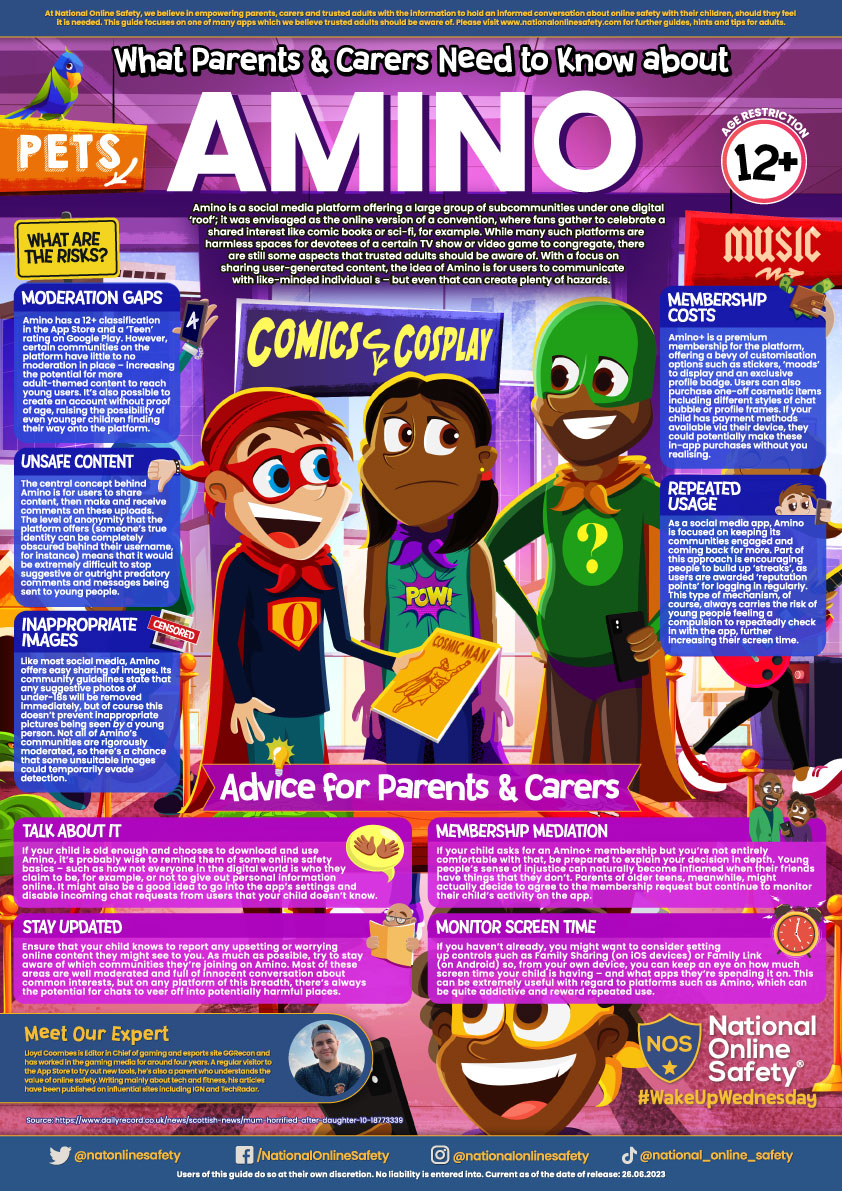
 The social networking platform Amino offers opportunities to exchange views on countless hobbies and interests … but its lack of age verification represents an obvious risk for younger users
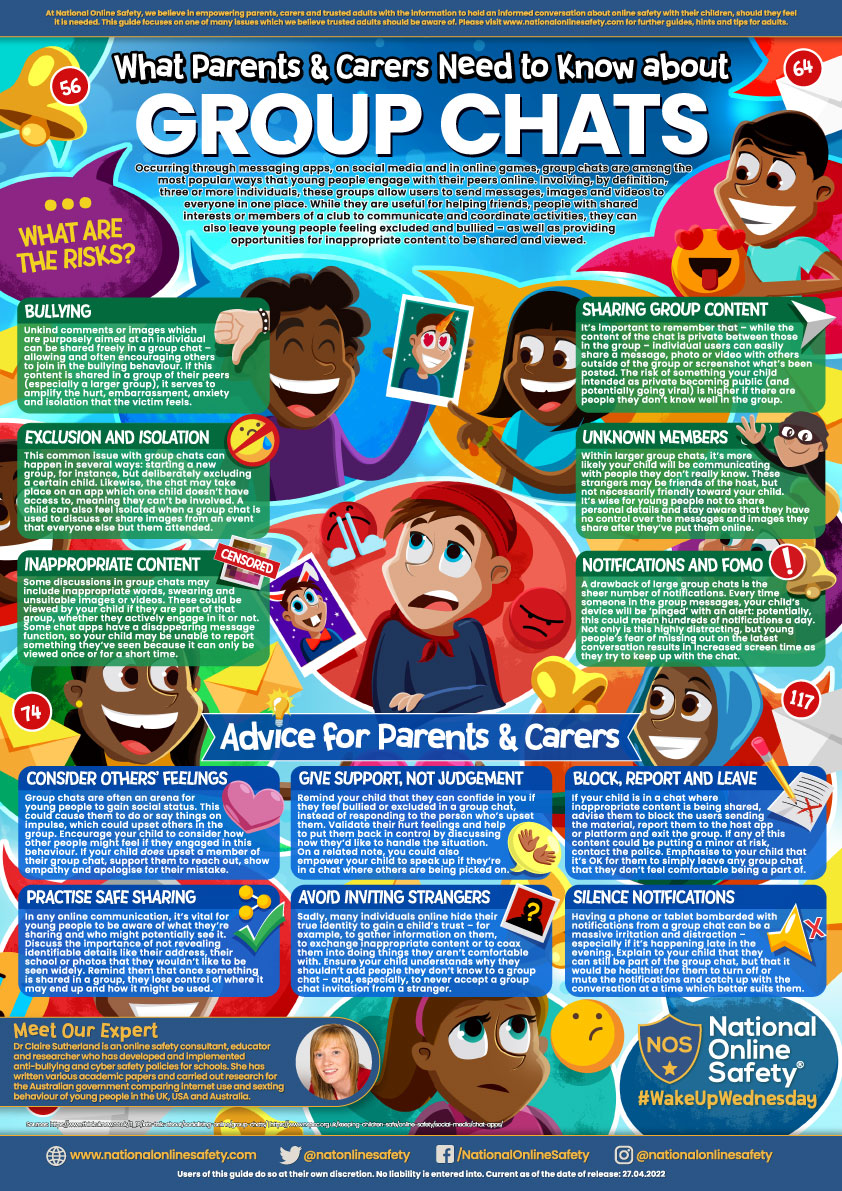
 Rumble is a video-sharing platform which has achieved stellar growth in recent years – as well as drawing a similarly eye-catching amount of criticism for the views of some of its best-known account holders