Following our first week of stop motion club, here are all of our videos that the children made in their first hour of stop motion.
Following our first week of stop motion club, here are all of our videos that the children made in their first hour of stop motion.
This week in History club we have been looking at Stonehenge. We talked about what archaeologists have learned about Stonehenge and what they think it was used for. The children had some fantastic ideas and applied their existing knowledge to justify their suggestions. Miss Whitehead and Mrs Moore were very impressed!
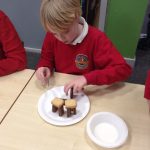
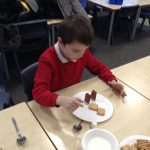
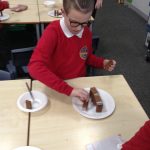
We then made our own Stonehenge using biscuits. We had lots of fun making and eating them! We also had a go at making Stonehenge using Lego.
Next week our focus will be the Ancient Egyptians.
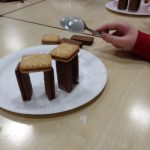
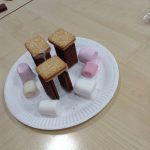
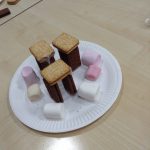
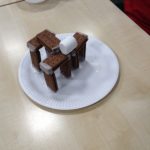
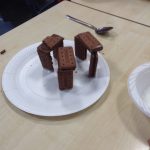
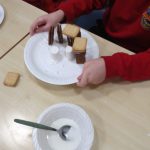
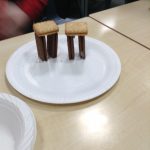
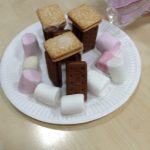
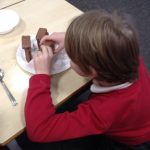
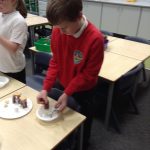
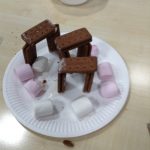
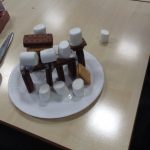
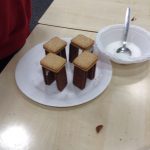
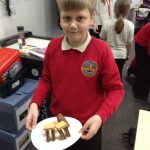
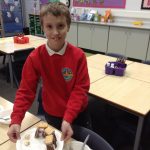
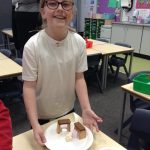
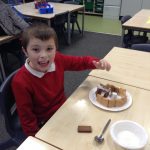
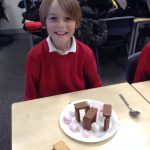
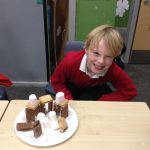
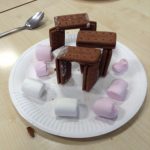
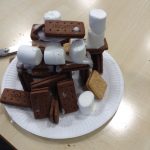
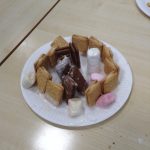
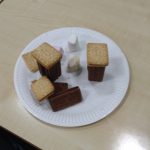
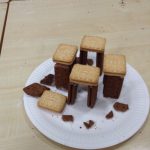
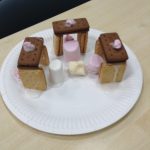
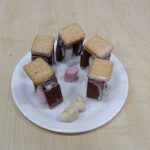
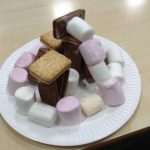
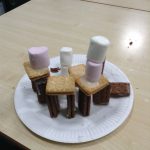
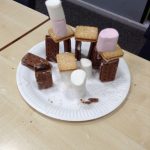
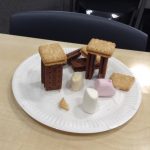
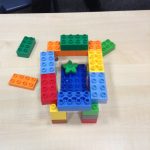
Today was the first after school History club for Year 5.
We began by talking about how we find out about the past. The children used their Historical skills to look at pictures of artefacts and say what they thought they were, how they were used and what time period they were from.
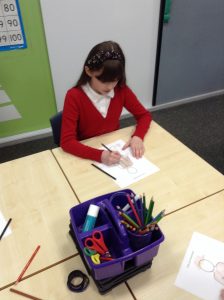
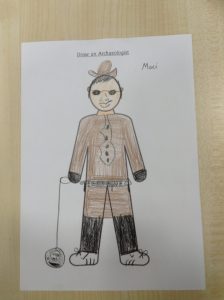
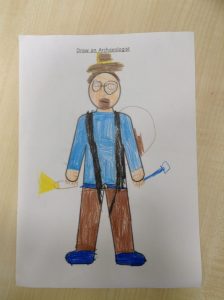
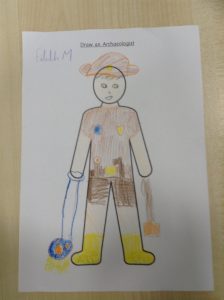
We then thought about the role of archaeologists and the children drew their own archaeologist, thinking about their clothing and the equipment they would need. The children were interested to hear Mrs Moore was an archaeologist!
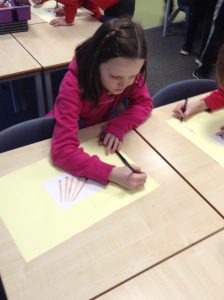
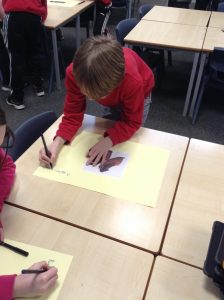
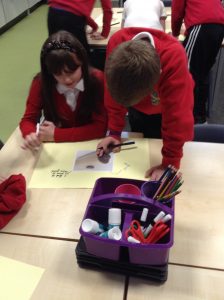
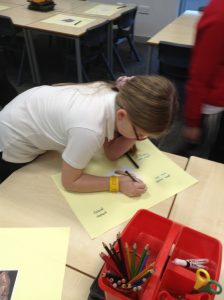
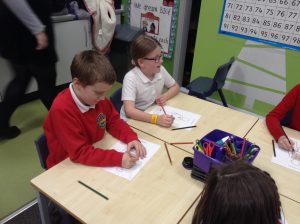
Junior Lego League have been thinking about different buildings and architecture around South Shields. We discussed the different features of buildings and chose some buildings that we liked . We sketched out the building and discussed the structure. We then used Lego to start to build our chosen building!
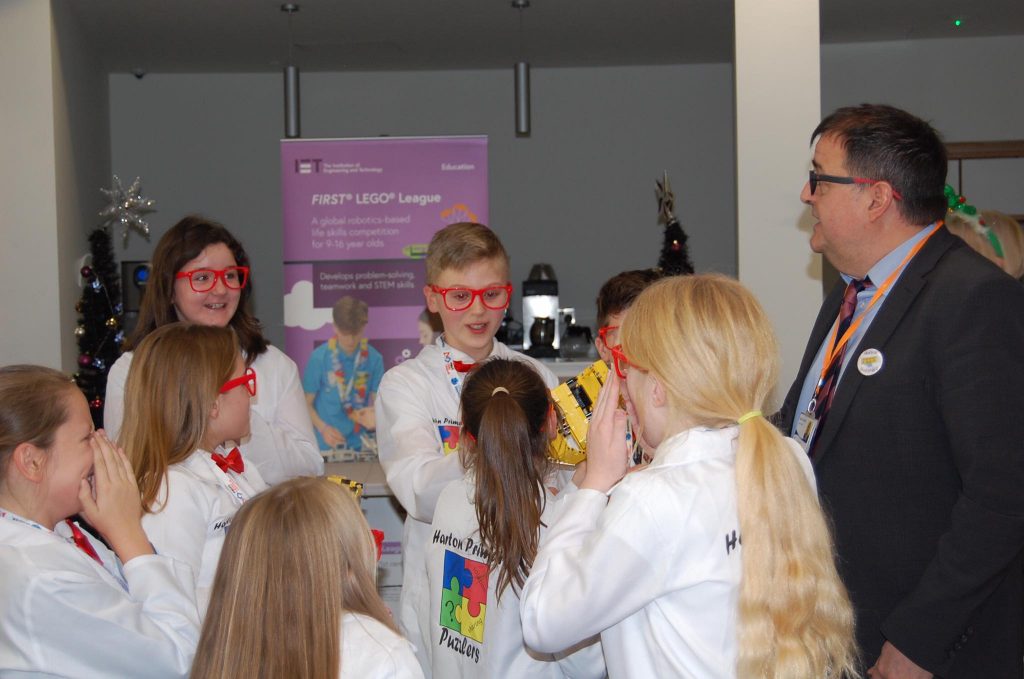
In the middle of our half term, the Harton Primary Puzzlers met at Newcastle Airport – excited for their trip to Bristol for the First Lego League England and Wales Final.
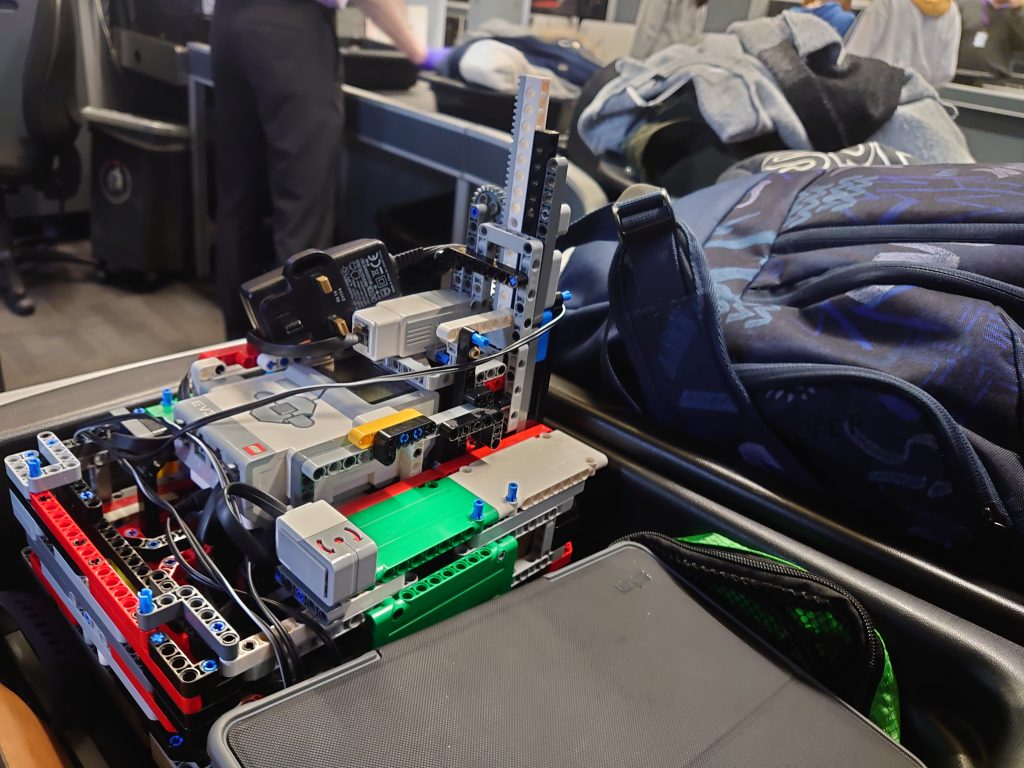
Athena being x-rayed
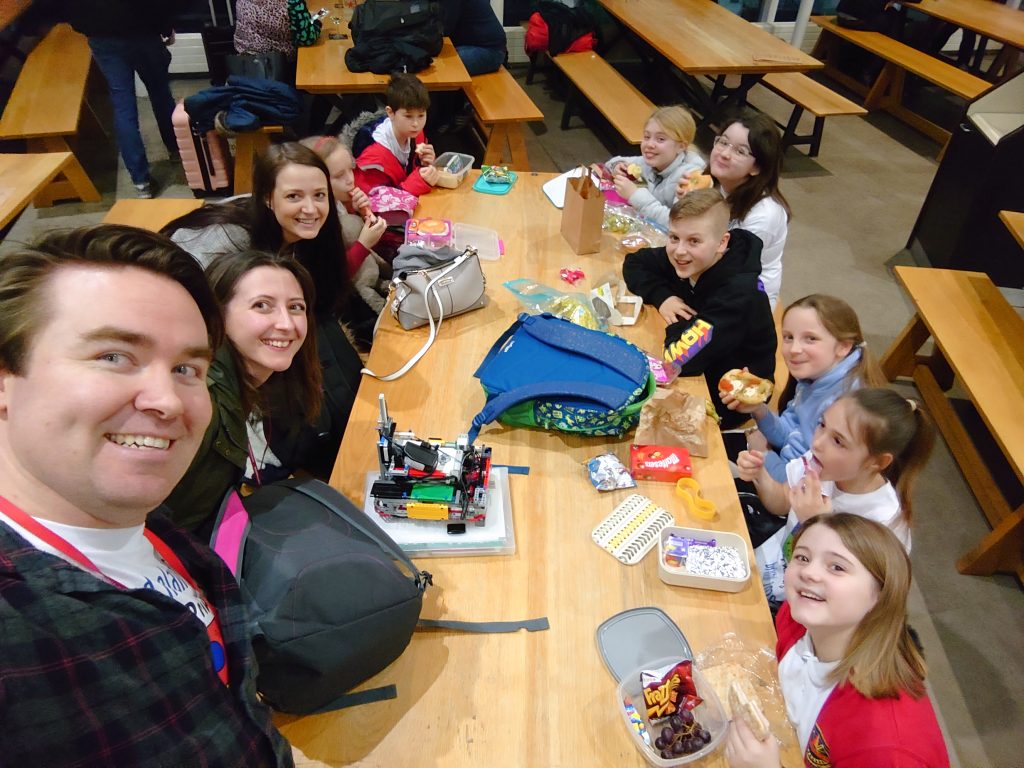
Tea in the departure lounge
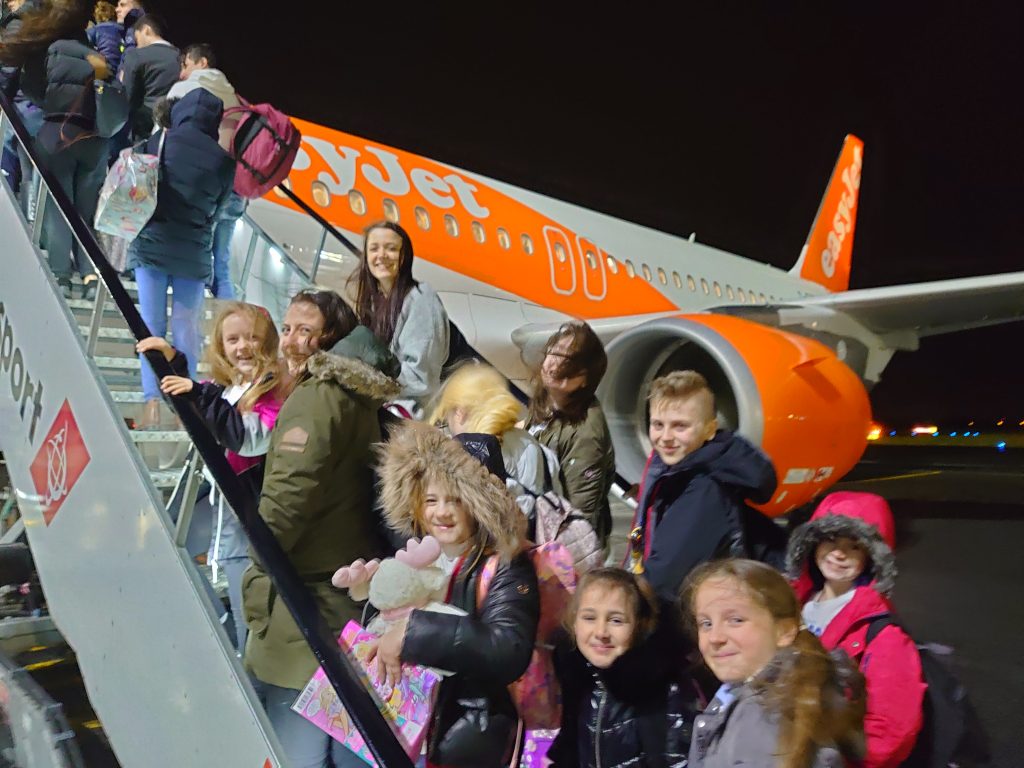
Boarding the plane
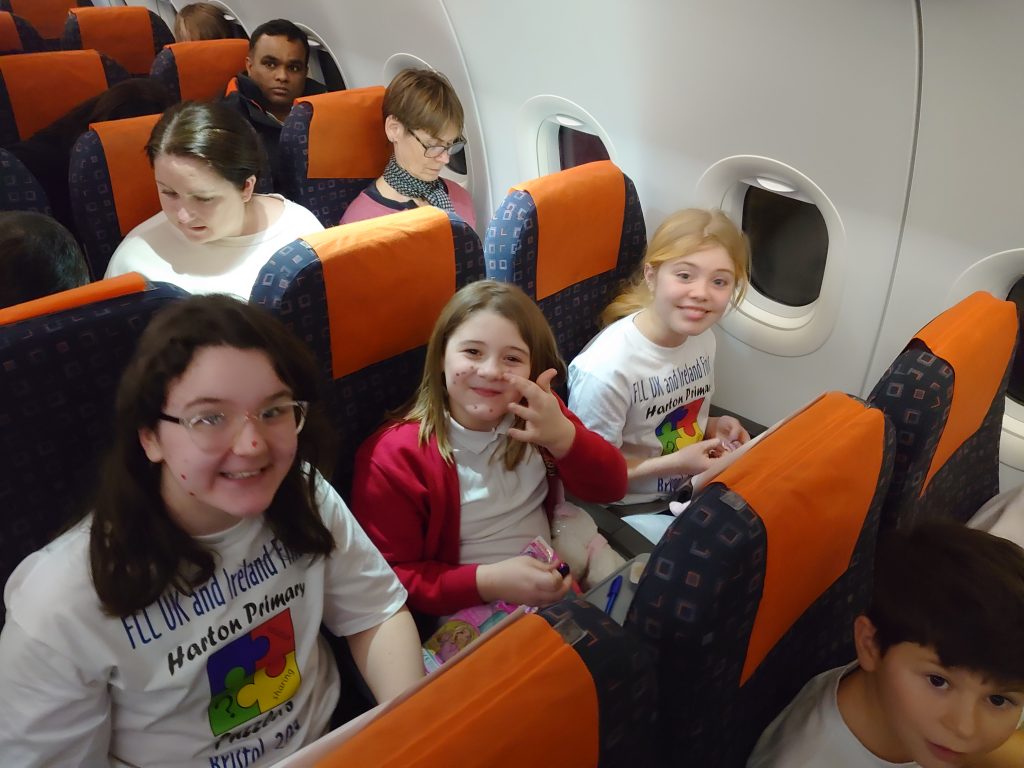
All smiles…
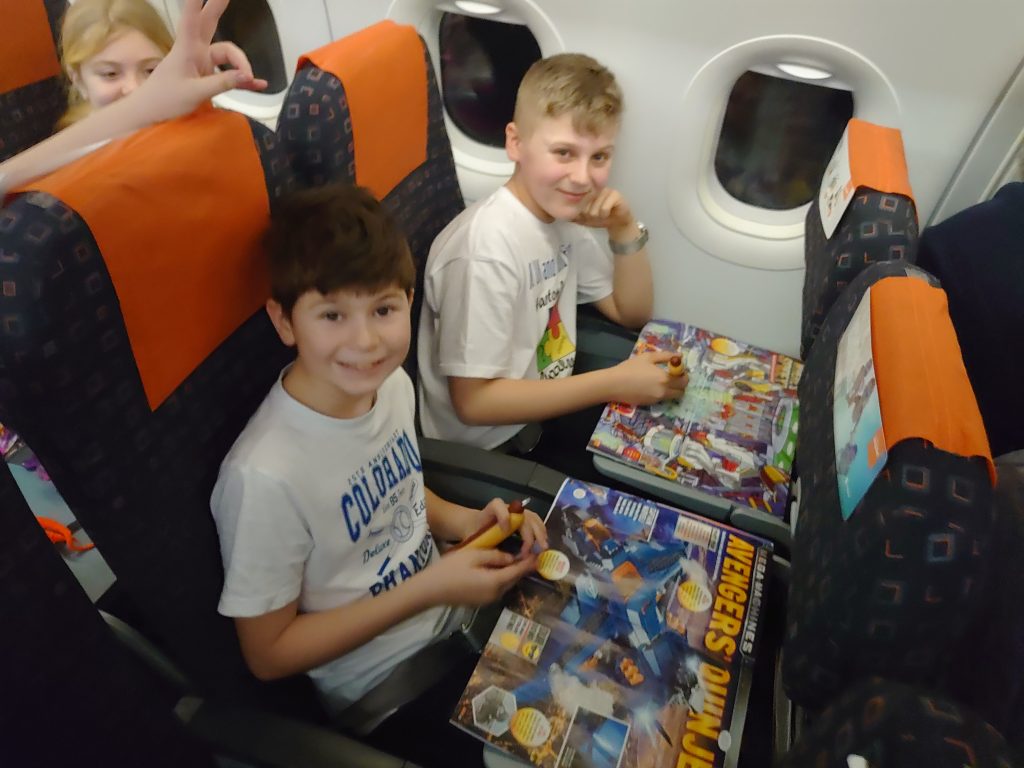
…for take off.
On Saturday the 22nd of February, we set off the University of West England to the competition, setting up our information board at table 50 in the pit.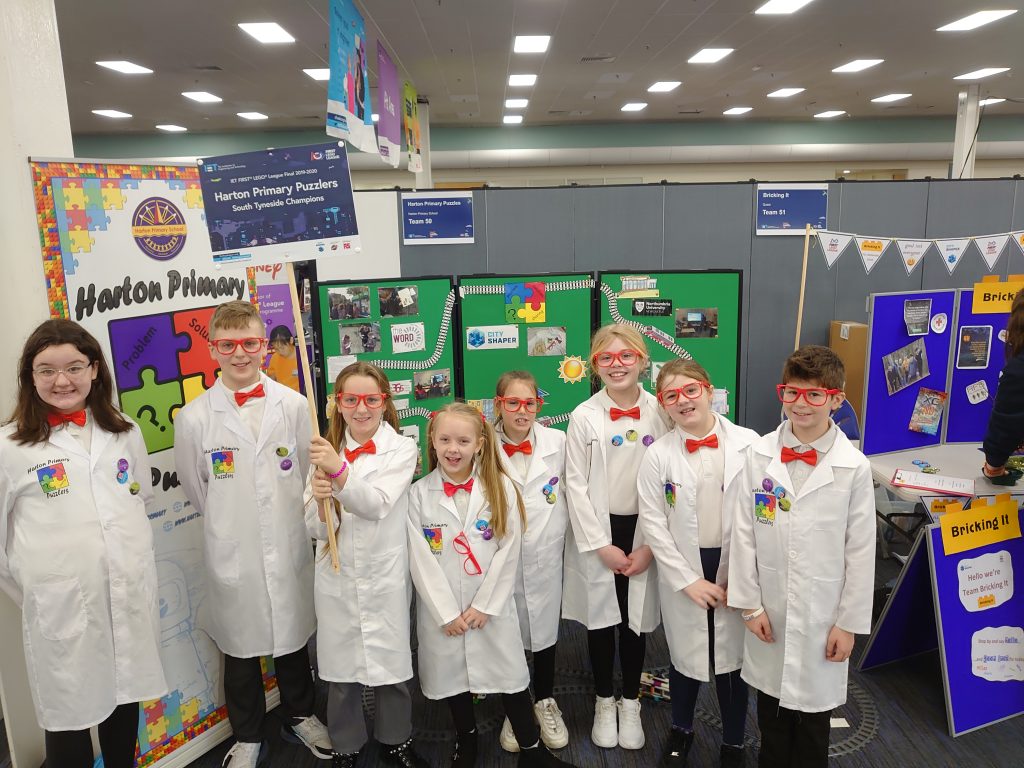
After the opening ceremony, we had to quickly change into our costumes to give deliver the best and last presentation on our idea for a solar powered tram to help boost interest in South Shields town centre. After than we had to run to the Robot Game table for our first of three attempts to score as many points as possible. Lets watch:
The day was full of interesting activities, on top of the usual Core Values, Robot Design discussion and practice tables for the robot game. The teams spoke to other teams, interviewed by the IET team and, of course, had lunch.
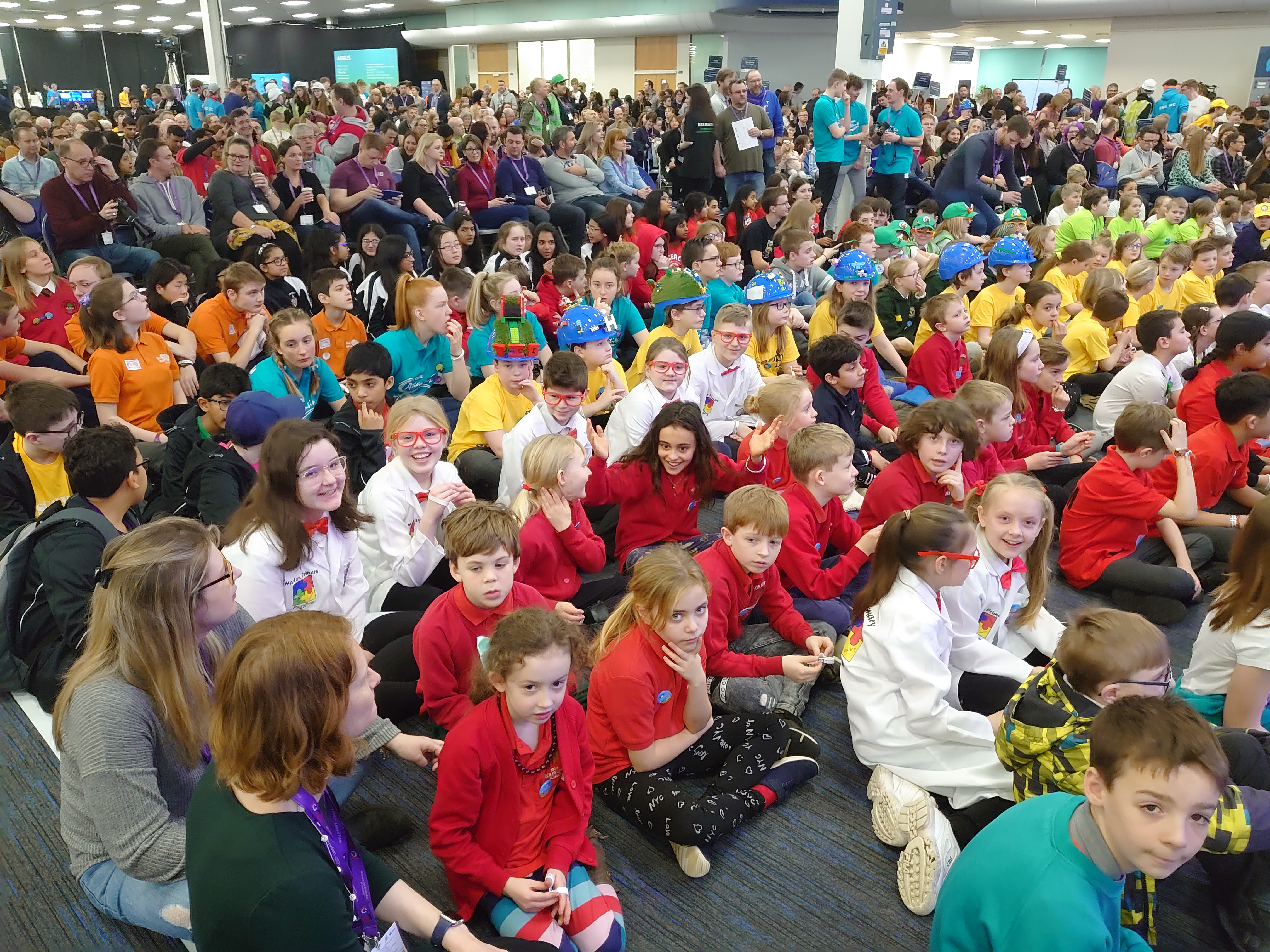
Opening ceremony
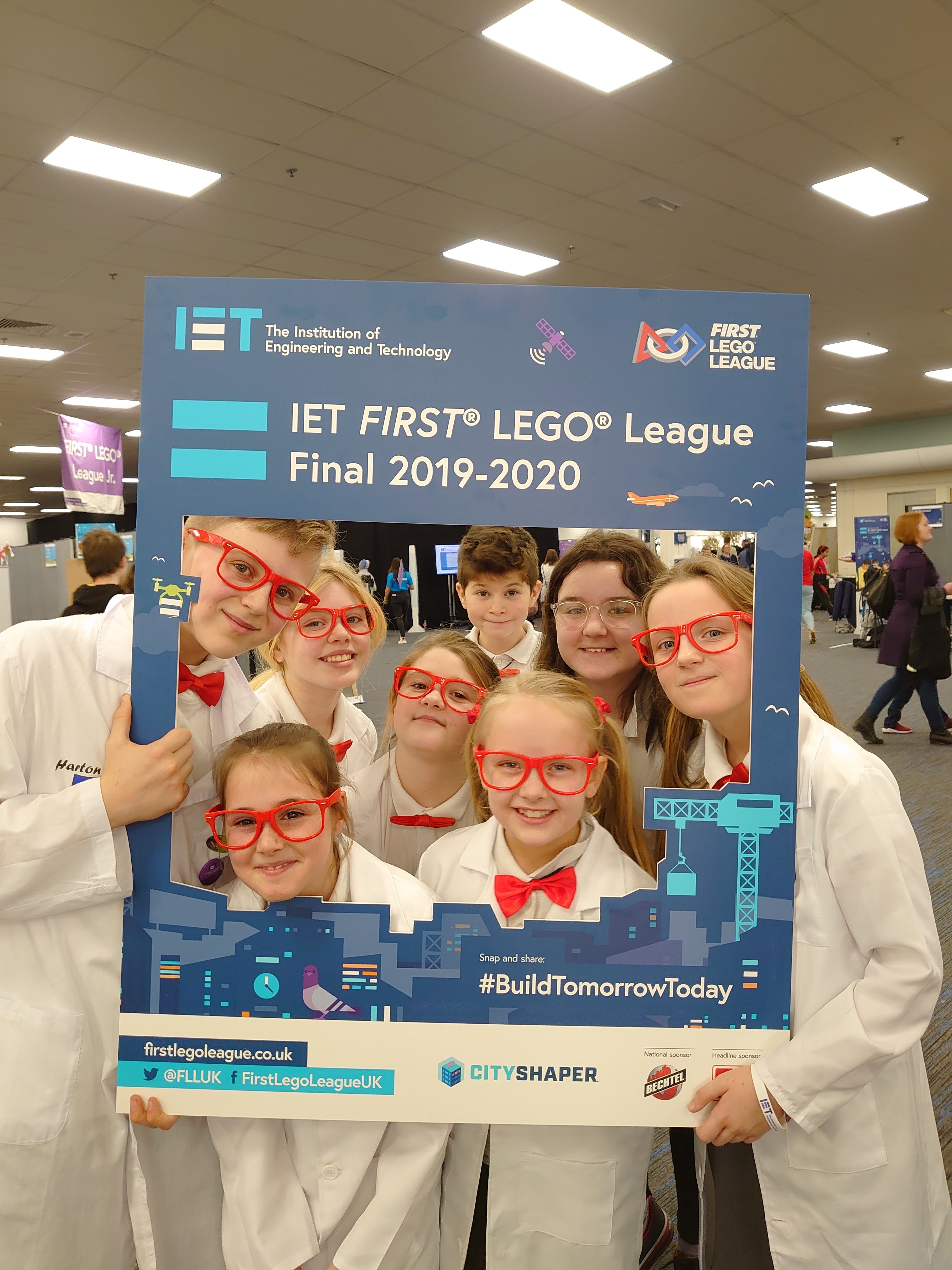
Team photo
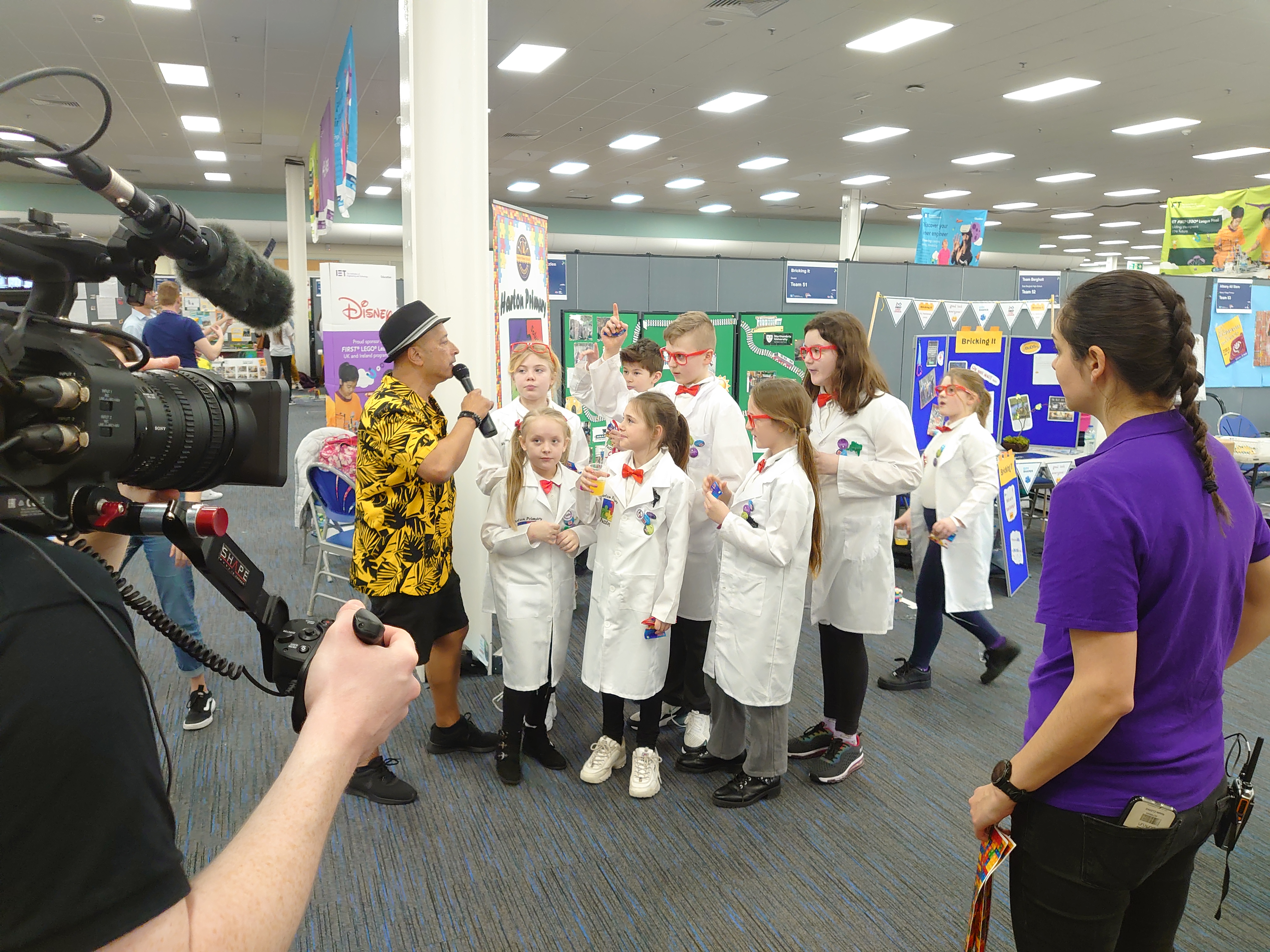
Interviews – some serious…
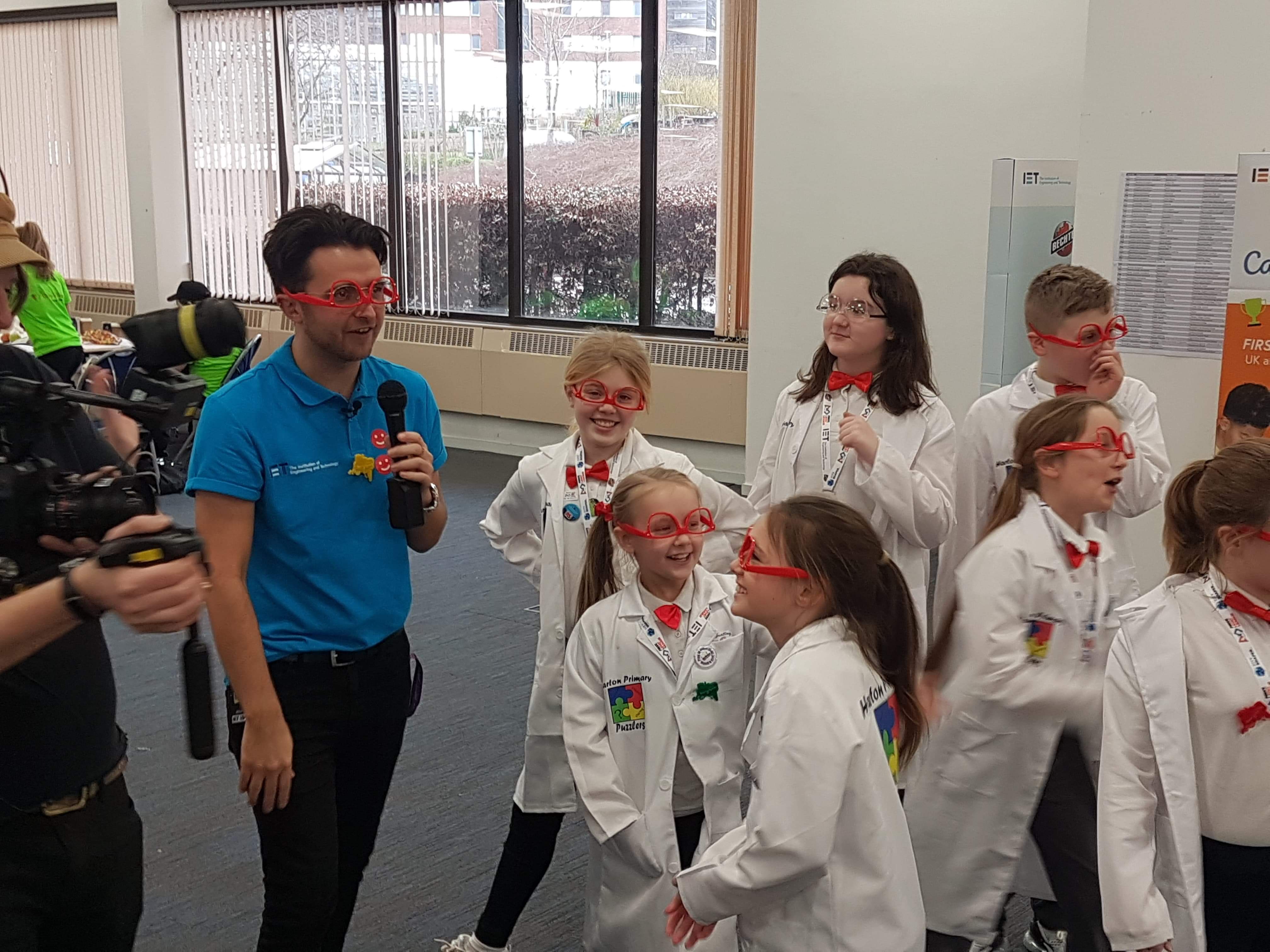
…some not so serious.
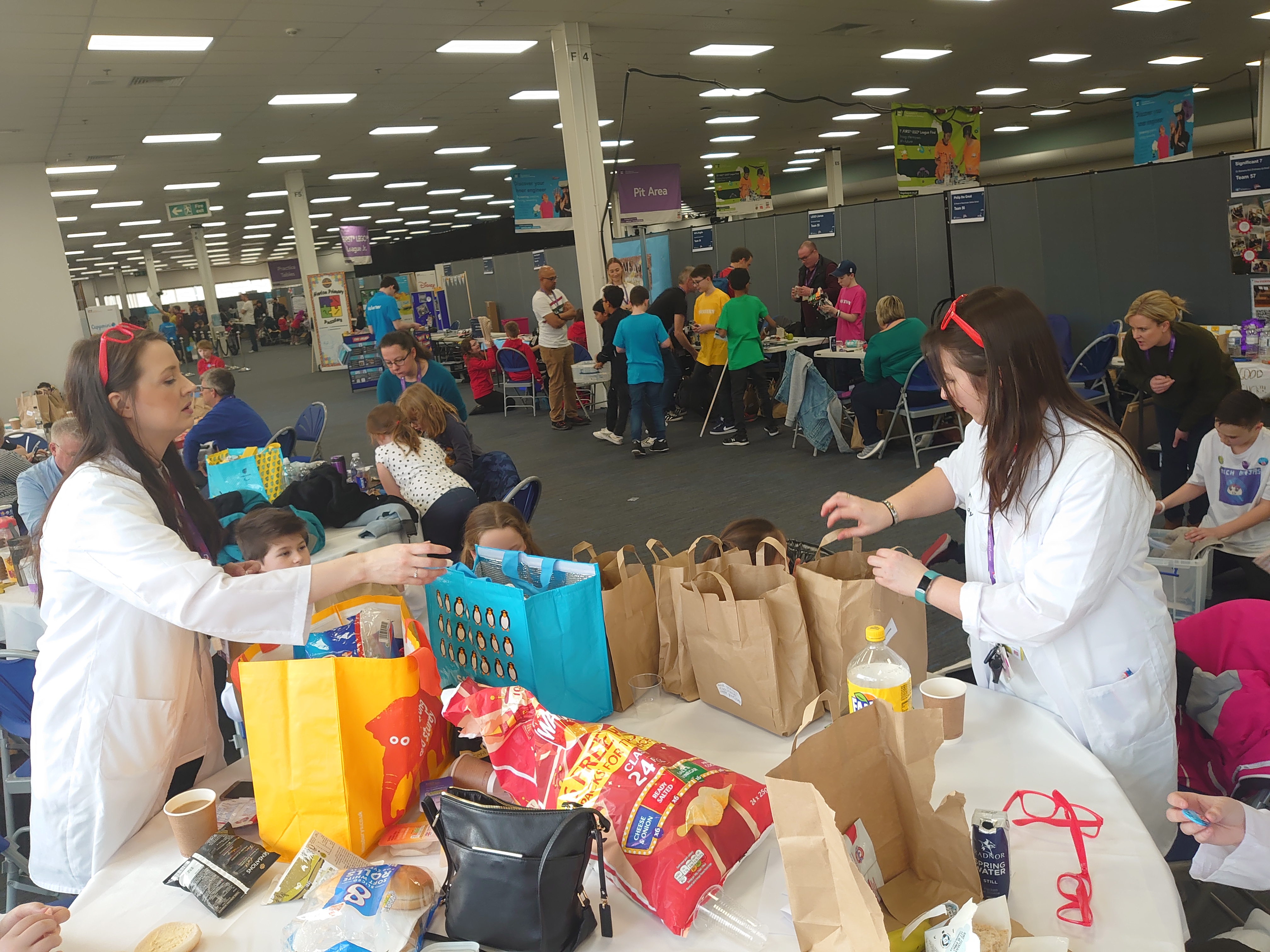
Lunch!
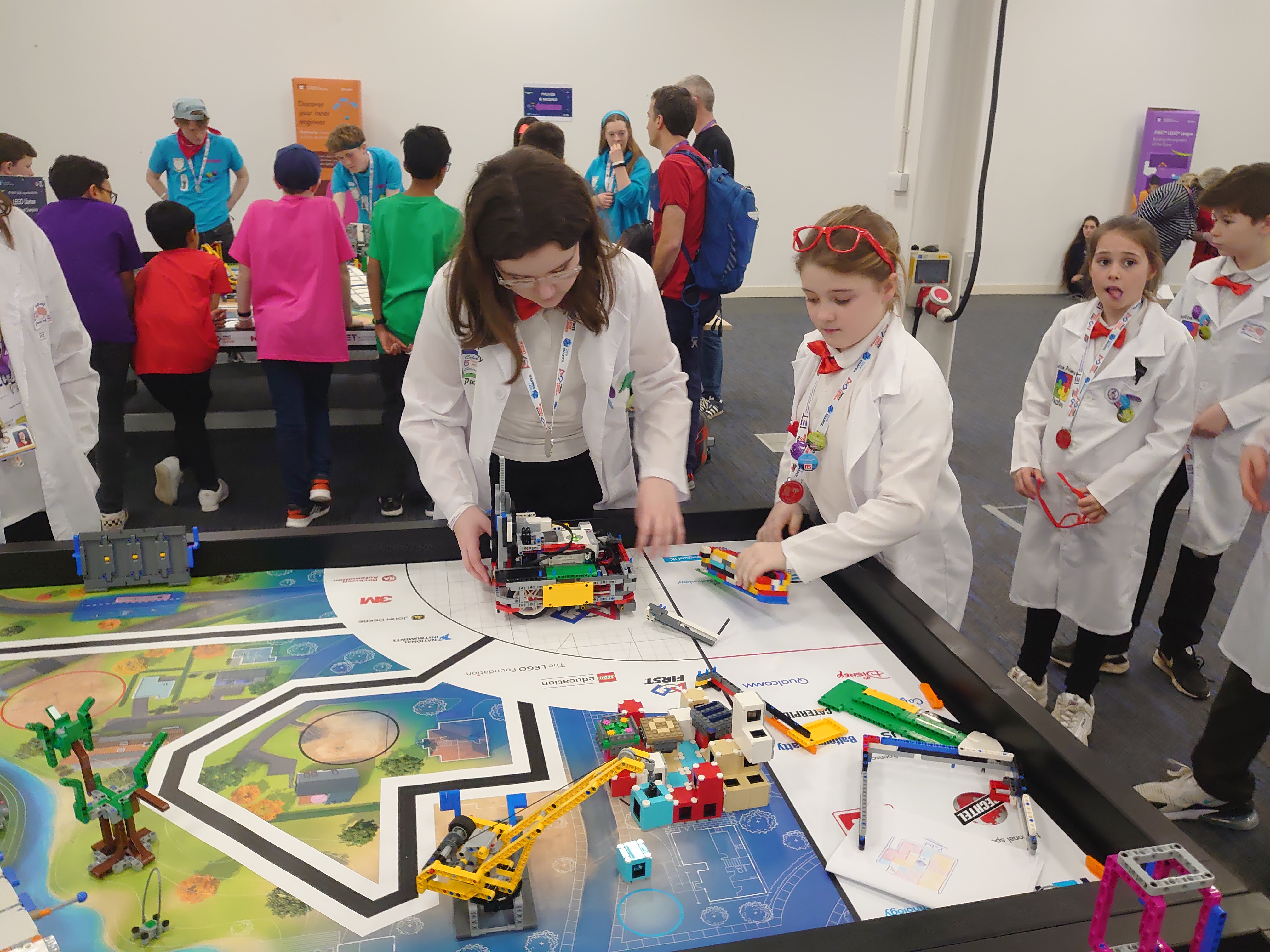
In the practice pits…
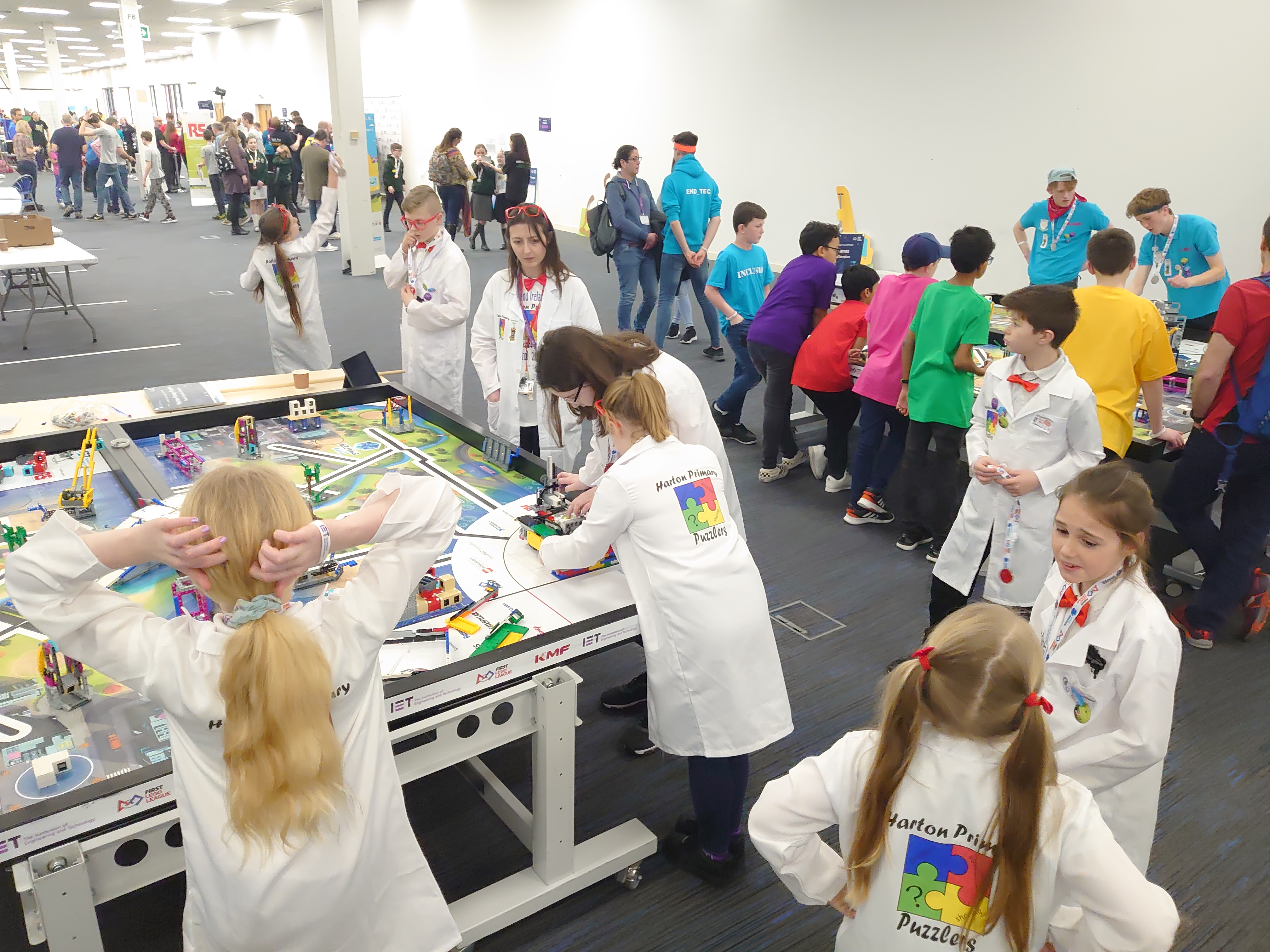
…between games.
With all our practices over, our last robot game was on table 1, with all the cameras on us. Below is the live stream of our last game (If time link doesn’t work, time is 4:42:20):
On the final tables we came 20th, out of 66 teams. But with teams with joint scores, we had the 13th highest score on the day! The Harton Primary Puzzlers worked their socks off, did themselves (and their teachers) proud, and had a great day!
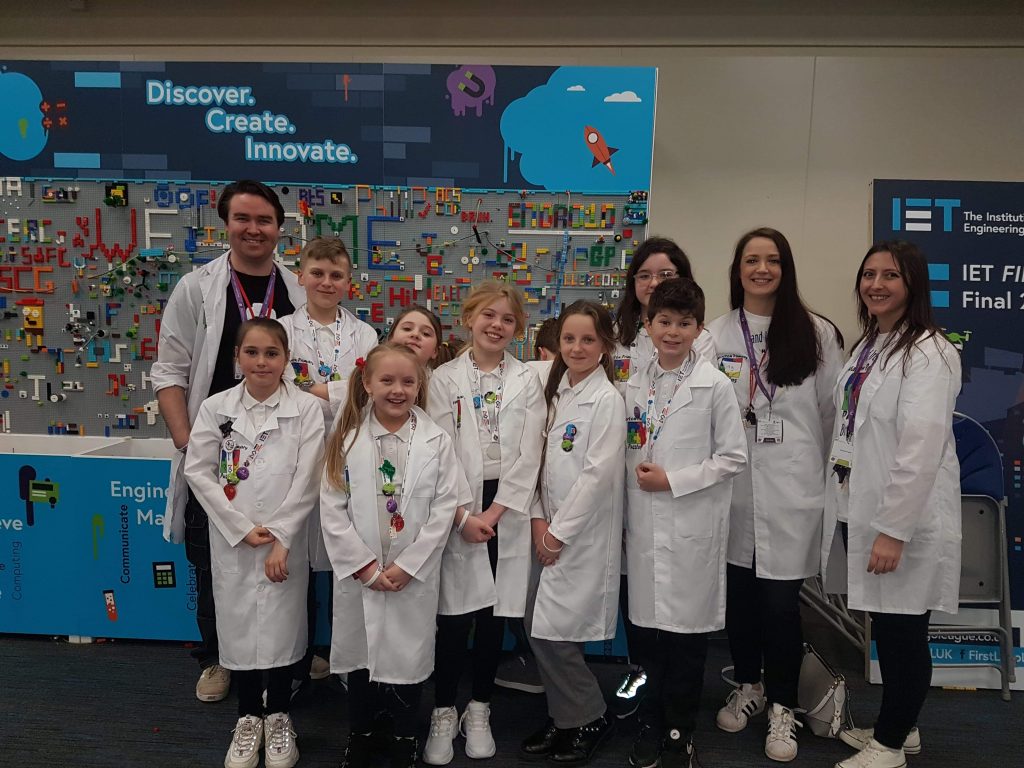
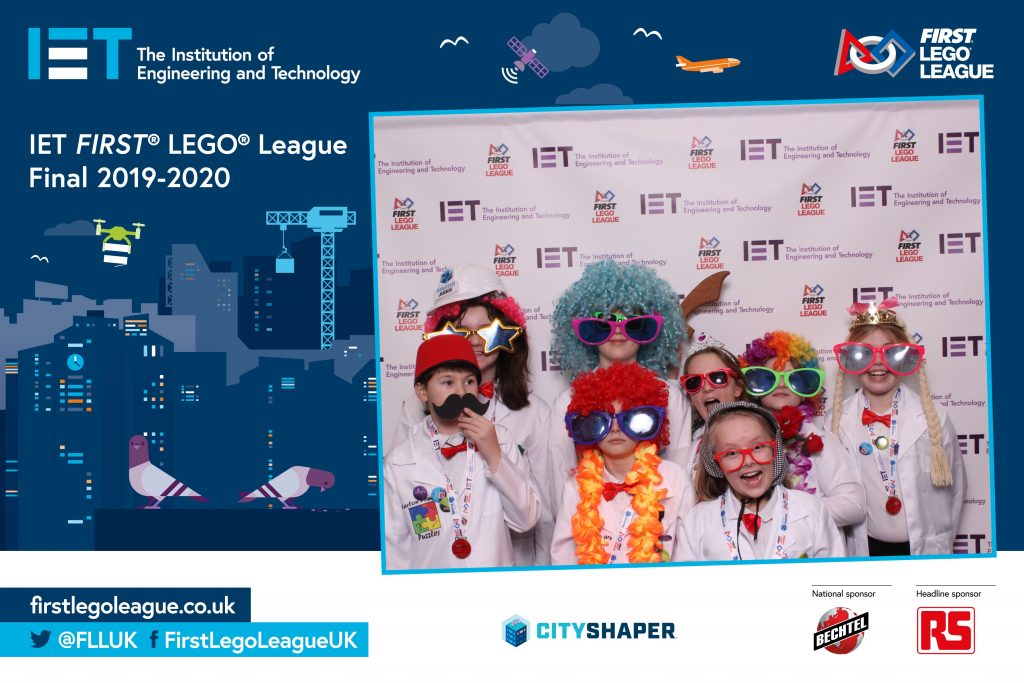
Photo booth medal photo.
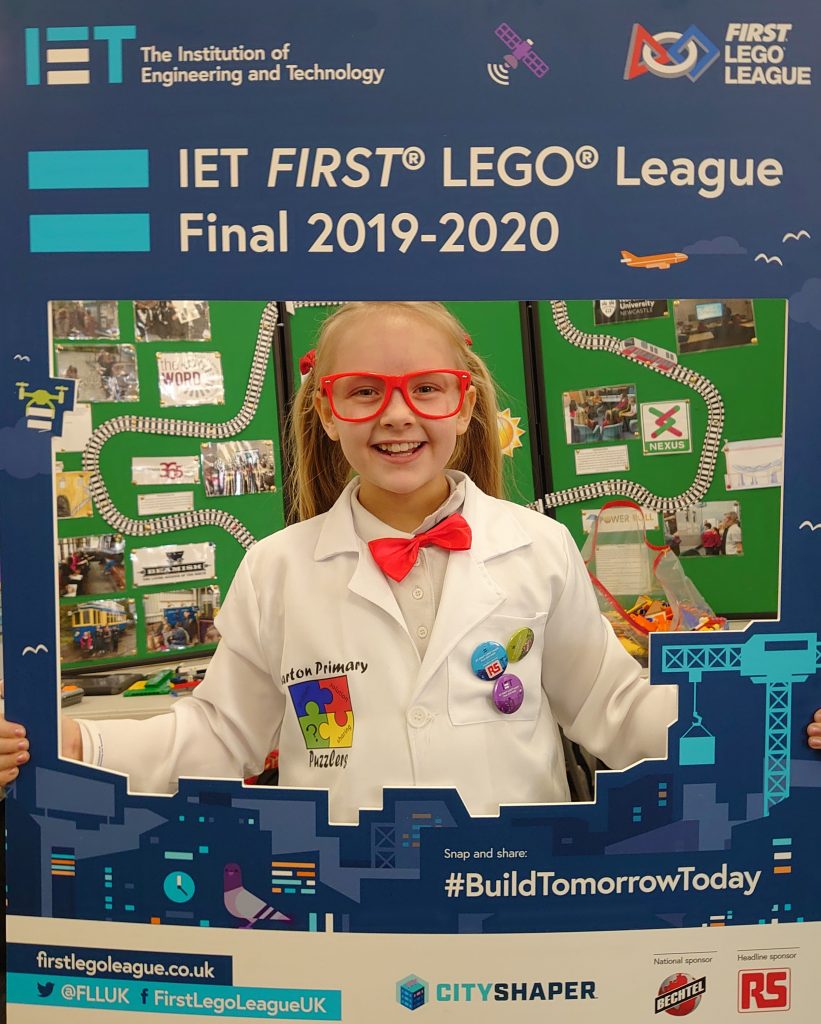
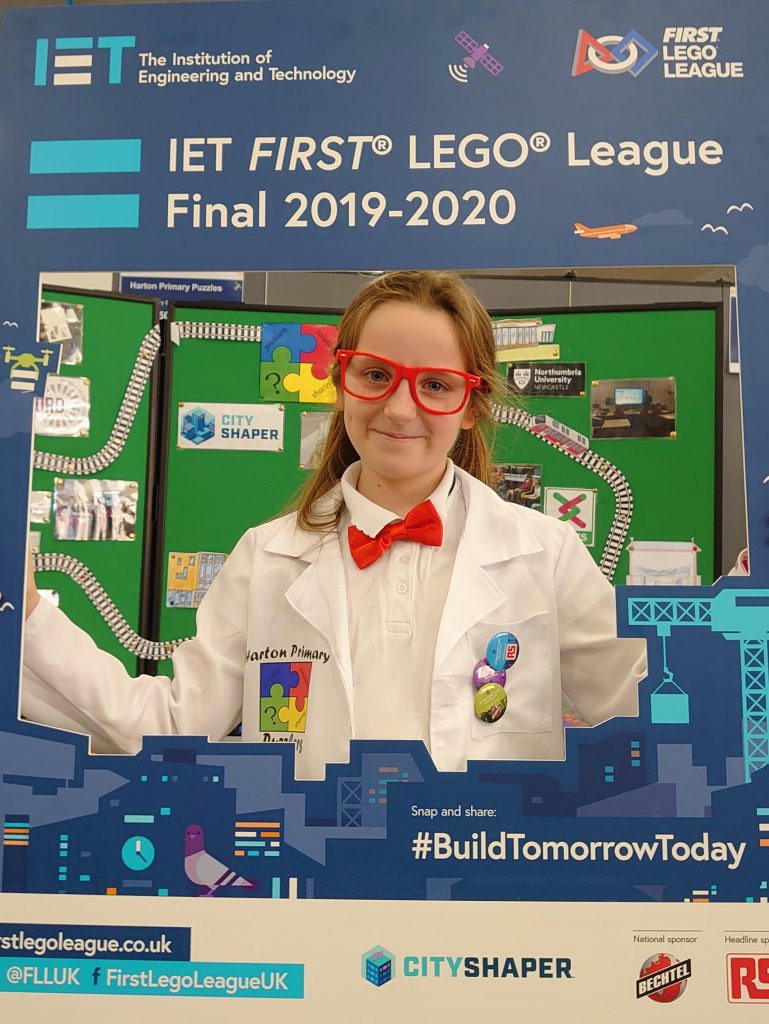
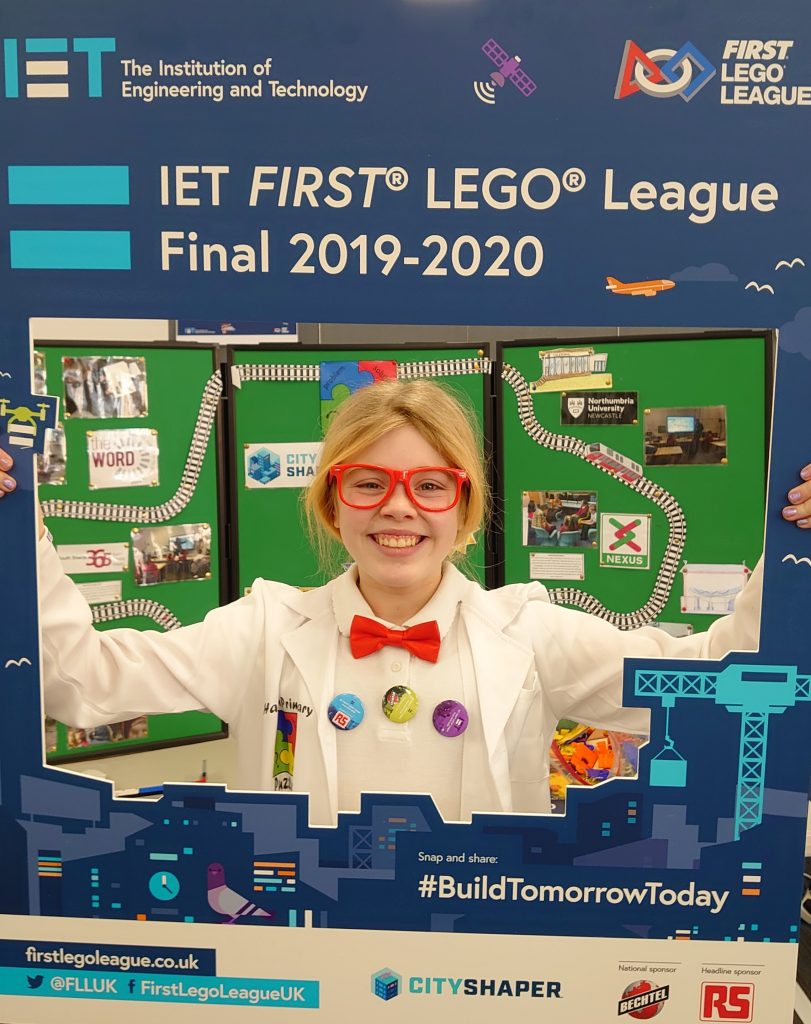
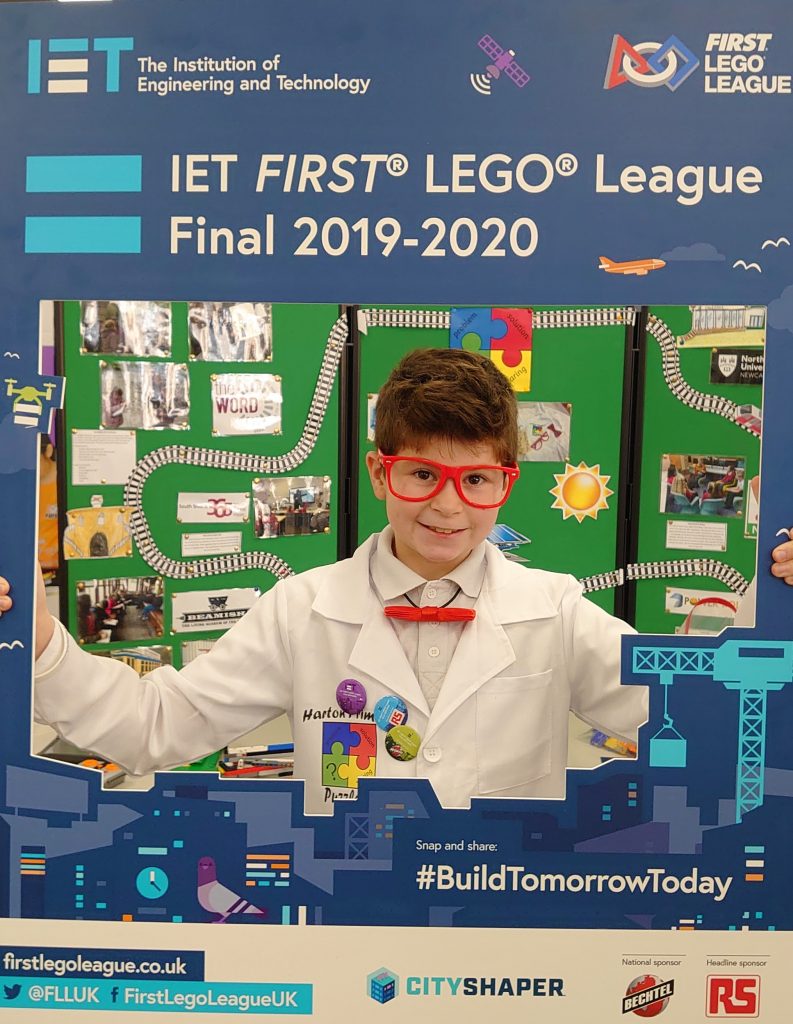
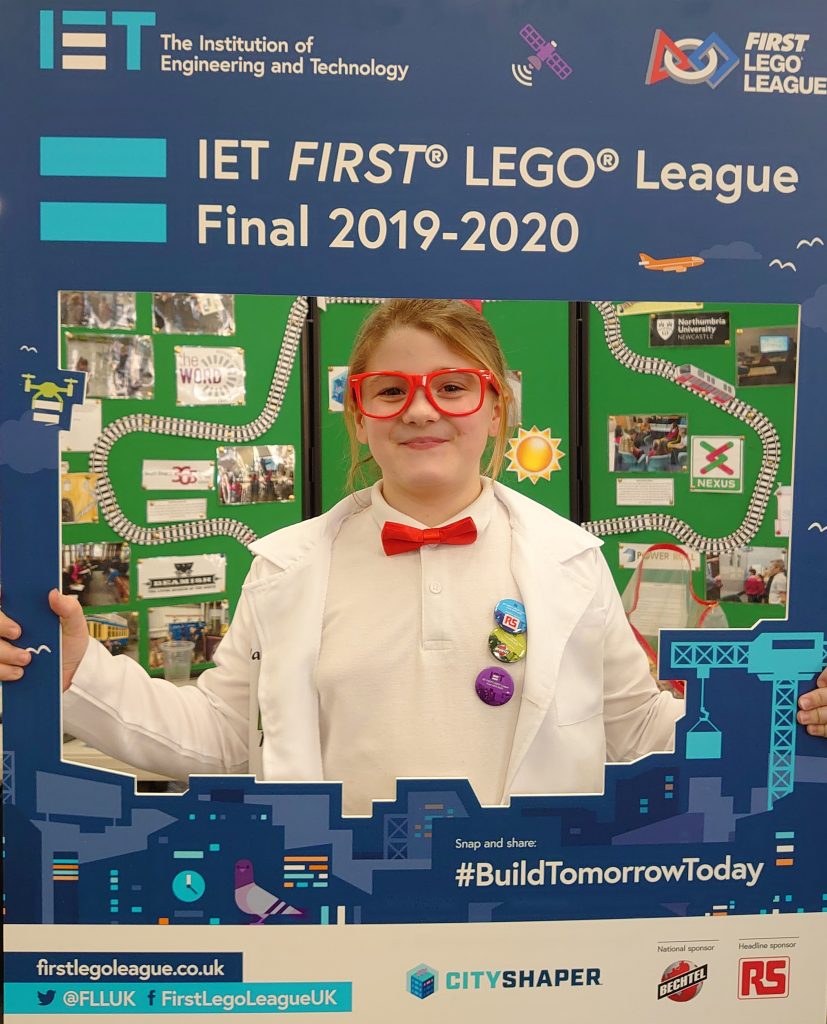
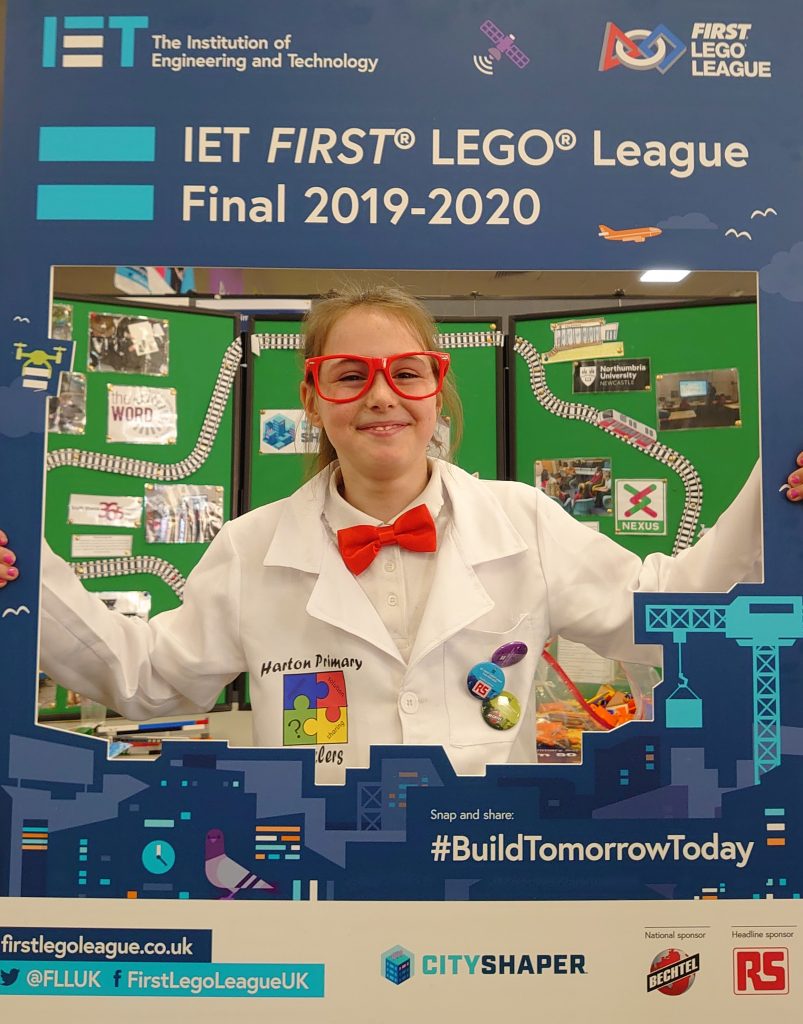
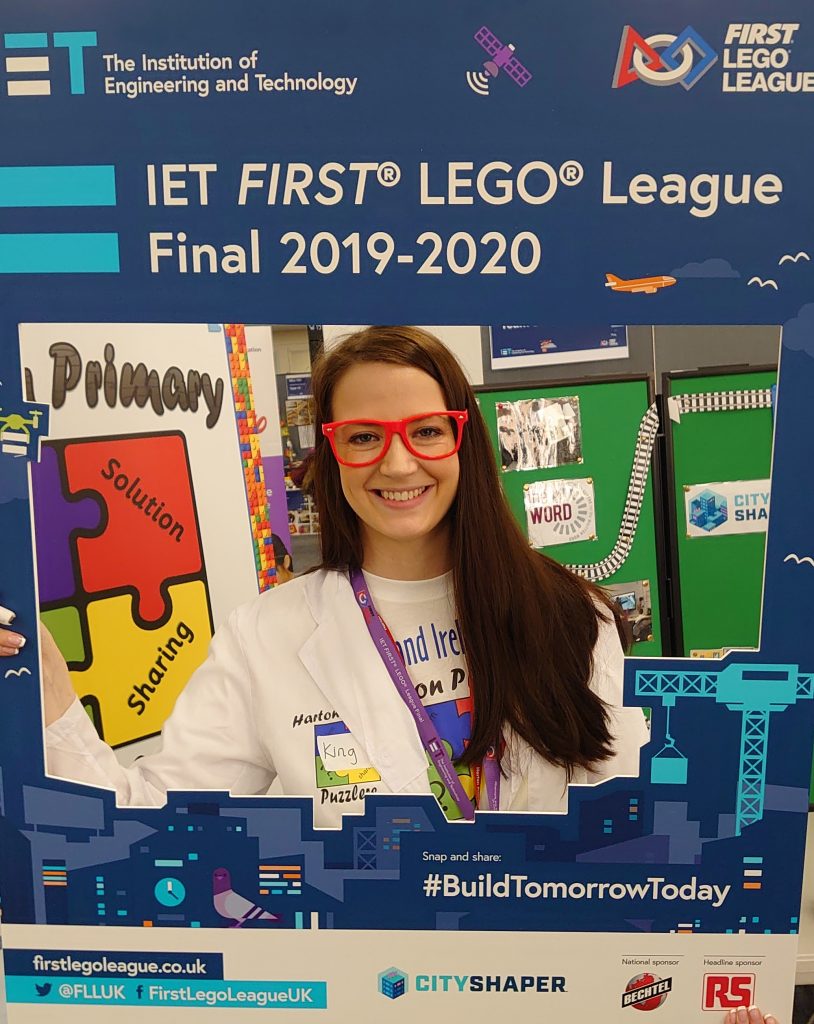
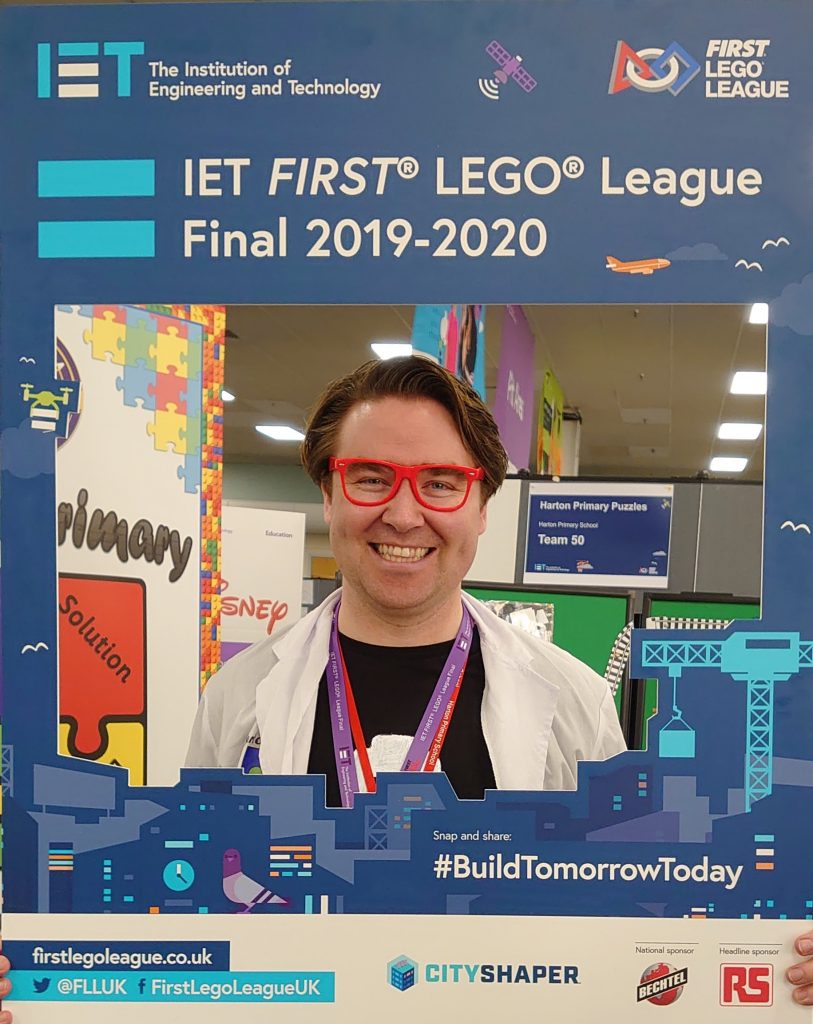
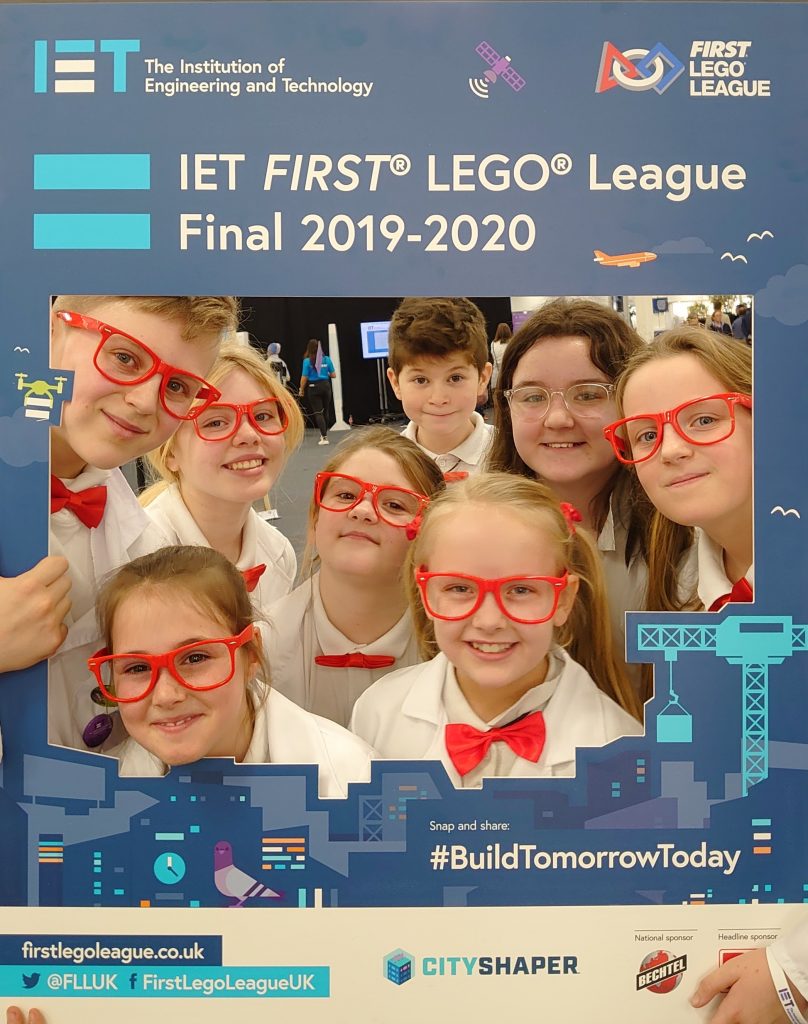
Team photo
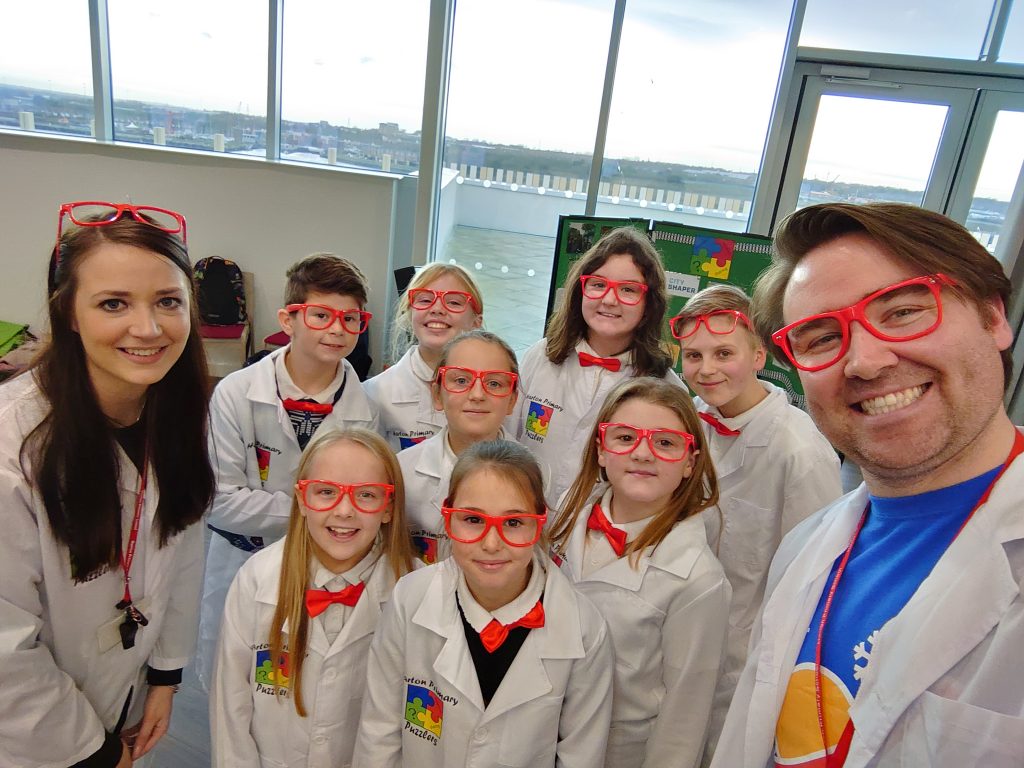
After months of hard work, the Harton Primary Puzzlers took part in the South Tyneside First Lego League competition – with OpenZone in The Word.
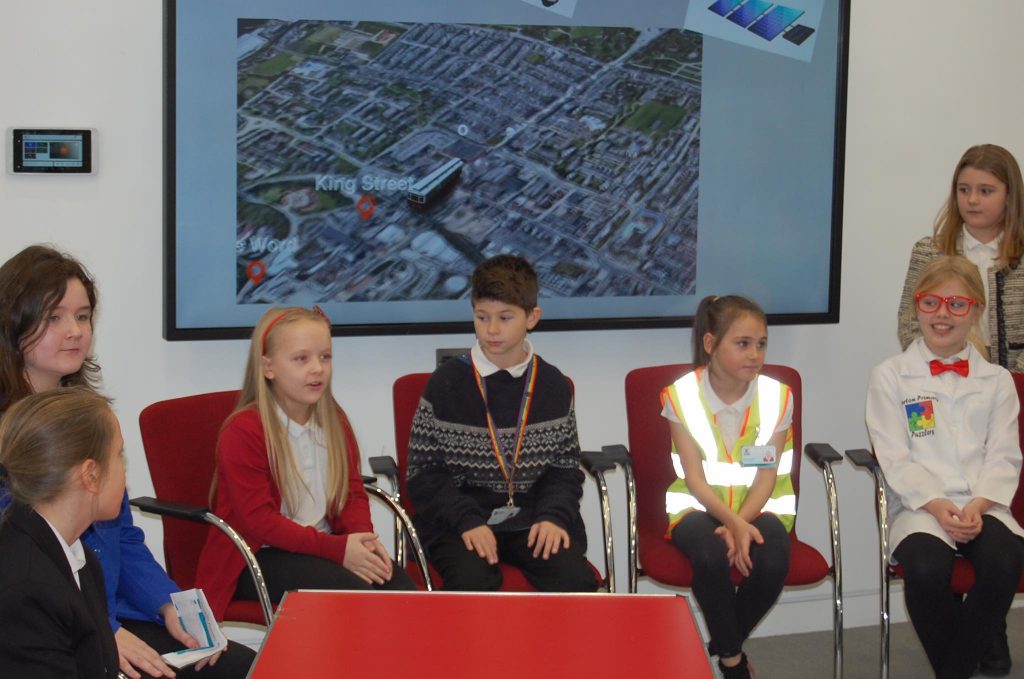
This year’s task was to identify a problem in our local area and design a solution to fix it. We designed at solar powered tram that would travel from the The Word down King Street to the sea front. We thought this idea would:
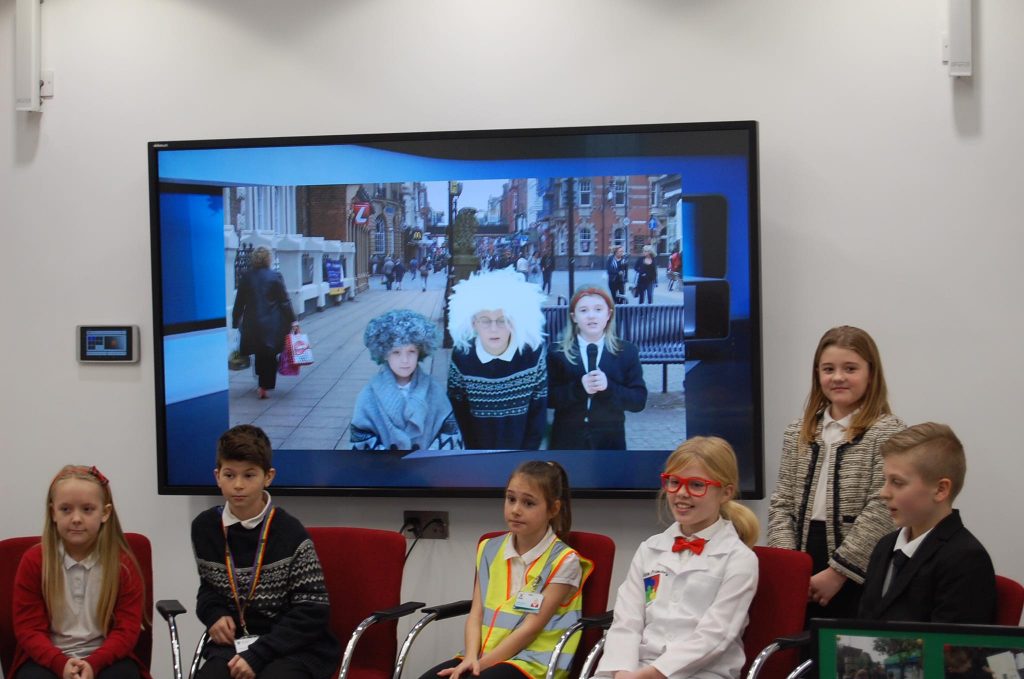
We presented this idea as a new report, with Caitlin and Sophie as hosts and Ruby as the weather girl, and the rest of the Puzzlers being all the experts we spoke to – including a solar panel scientist; a tram engineer from Beamish; a PhD student from Northumbria University; a Nexus worker; and a member of the South Tyneside 365 rejuvenation scheme.
Our interviews with the public of South Shields
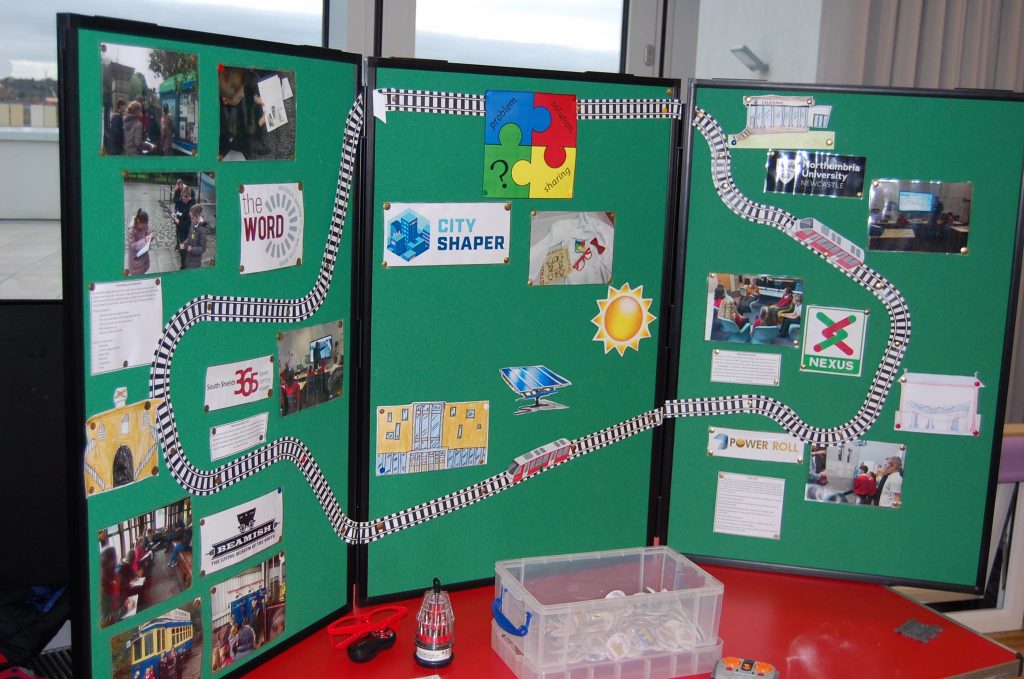
Our idea on poster…
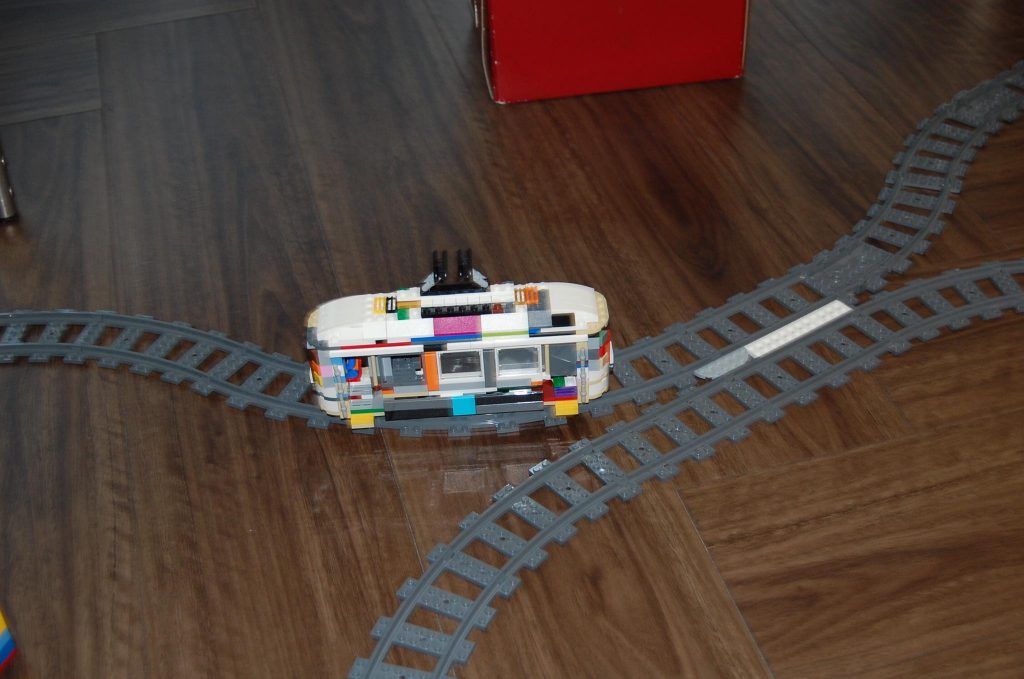
…and made from Lego, which ran around that track all day.
The Puzzlers spend the day talking to other teams, finding out about their ideas, helping with robot tasks, practicing their robot challenge and just having a great time!
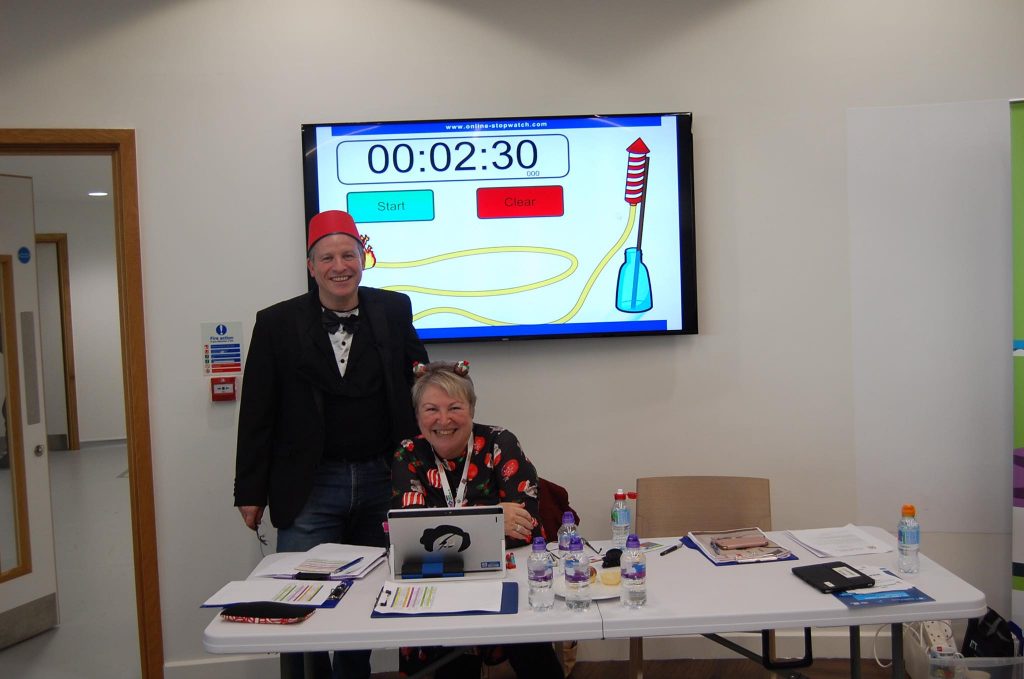
The excellent judges.
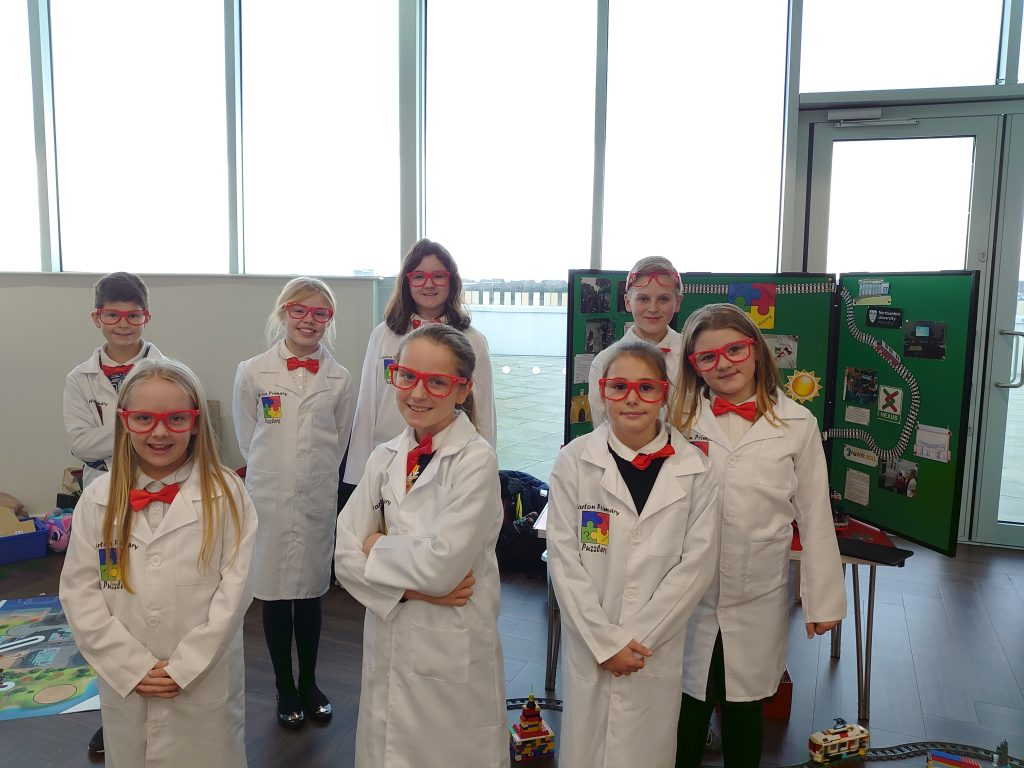
Setting up our area.
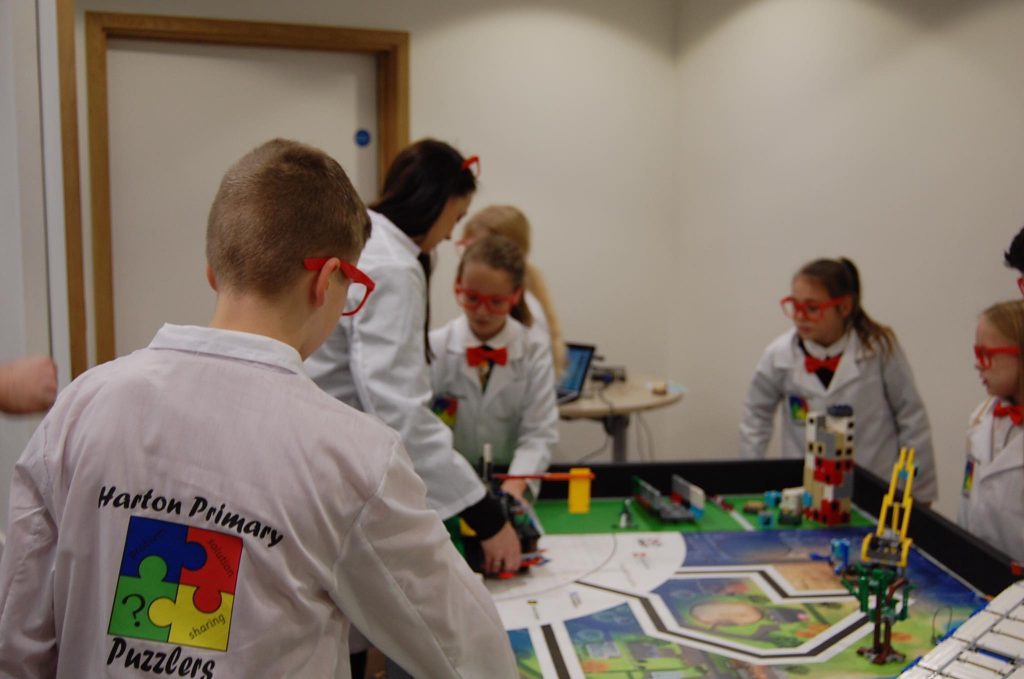
Getting our practices in.
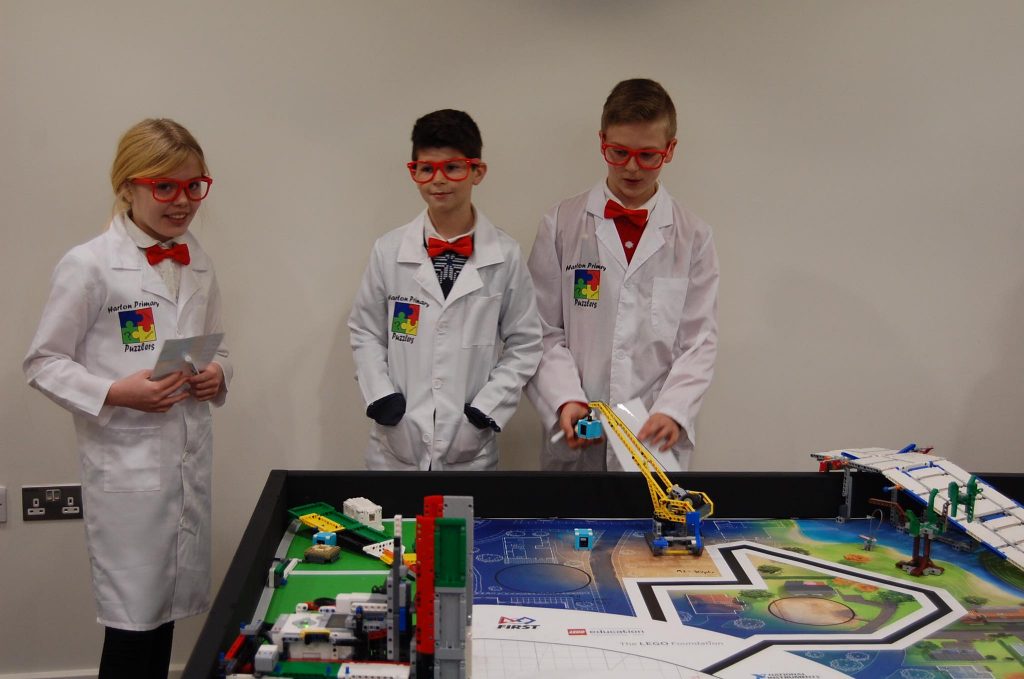
Getting our practices in.
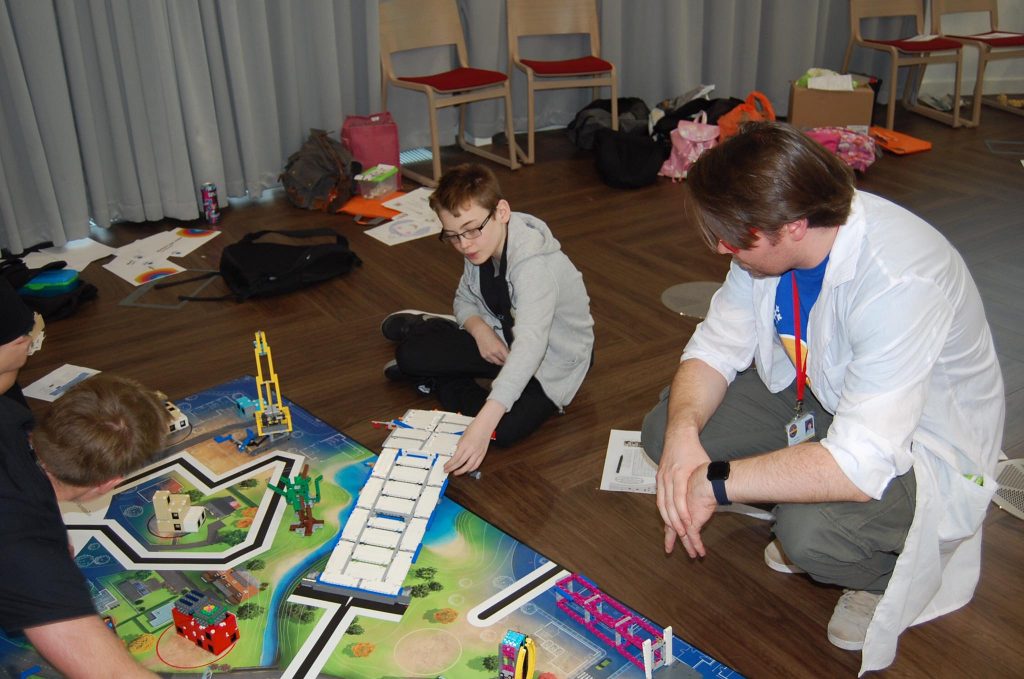
Talking to other teams.
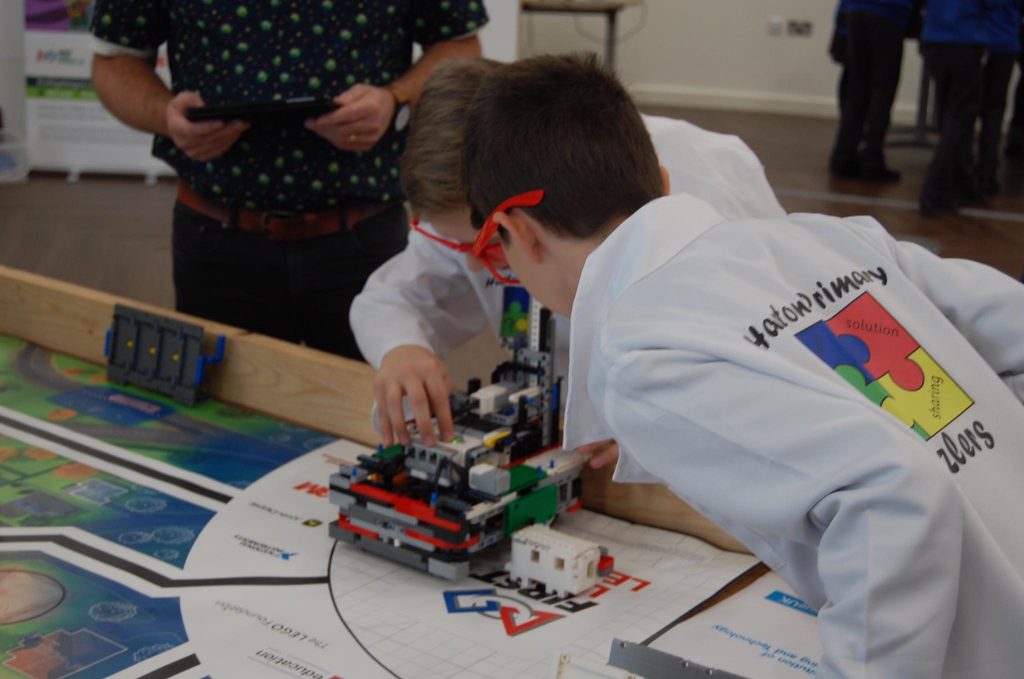
Selecting correct program.
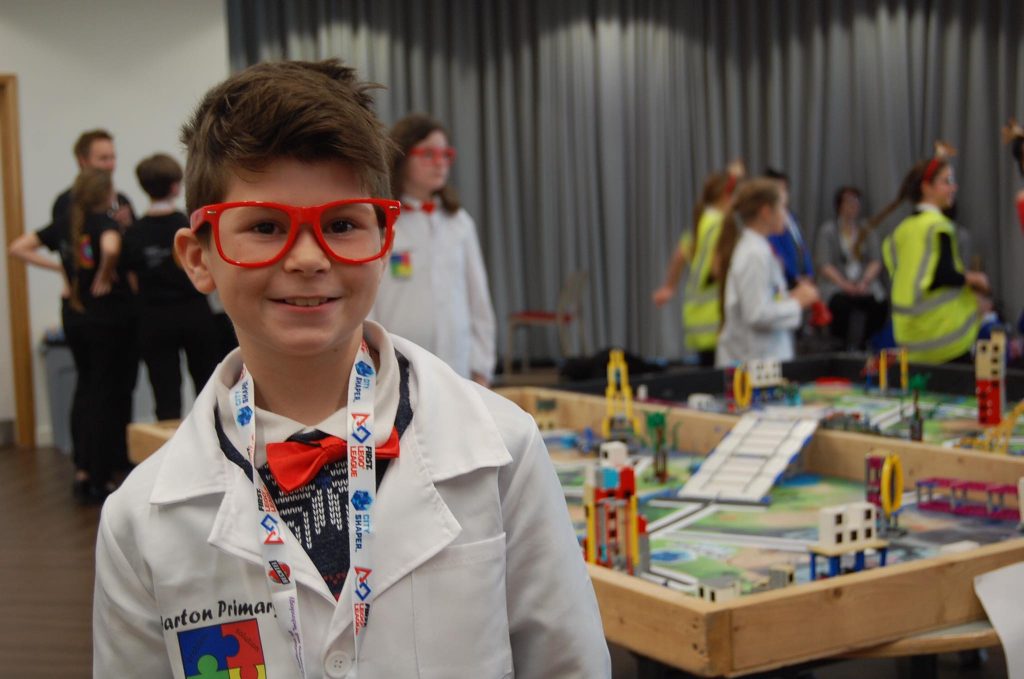
Cheeky smile at the table.
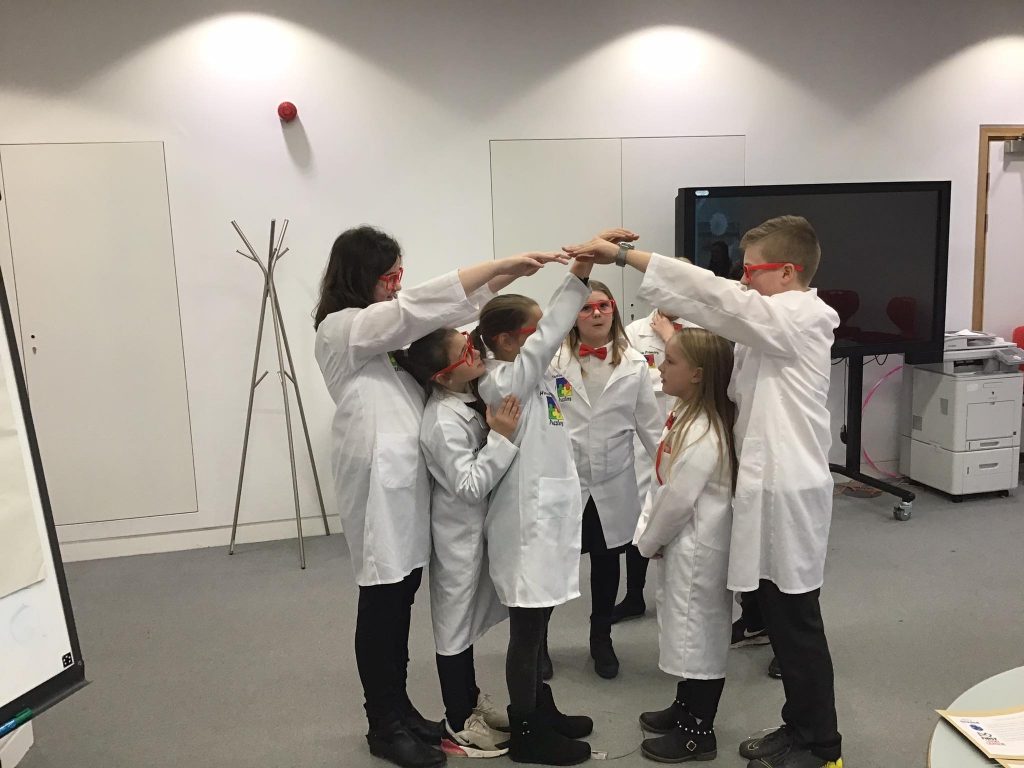
Core value task – what famous building are we making?
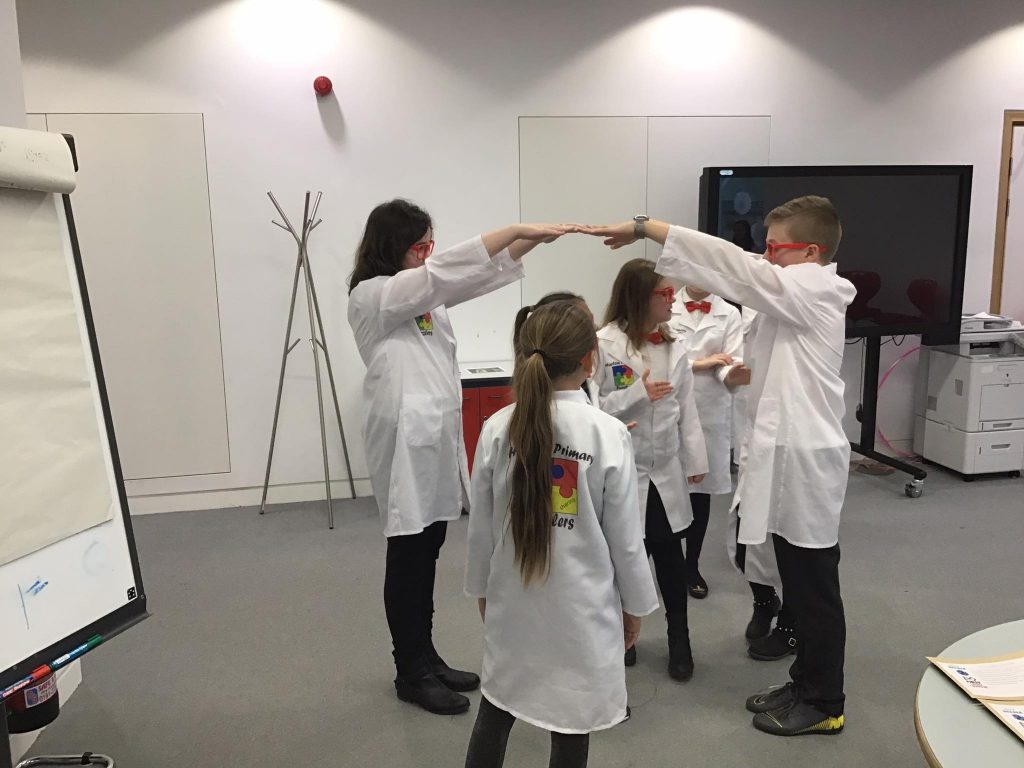
Core value task – what famous building are we making?
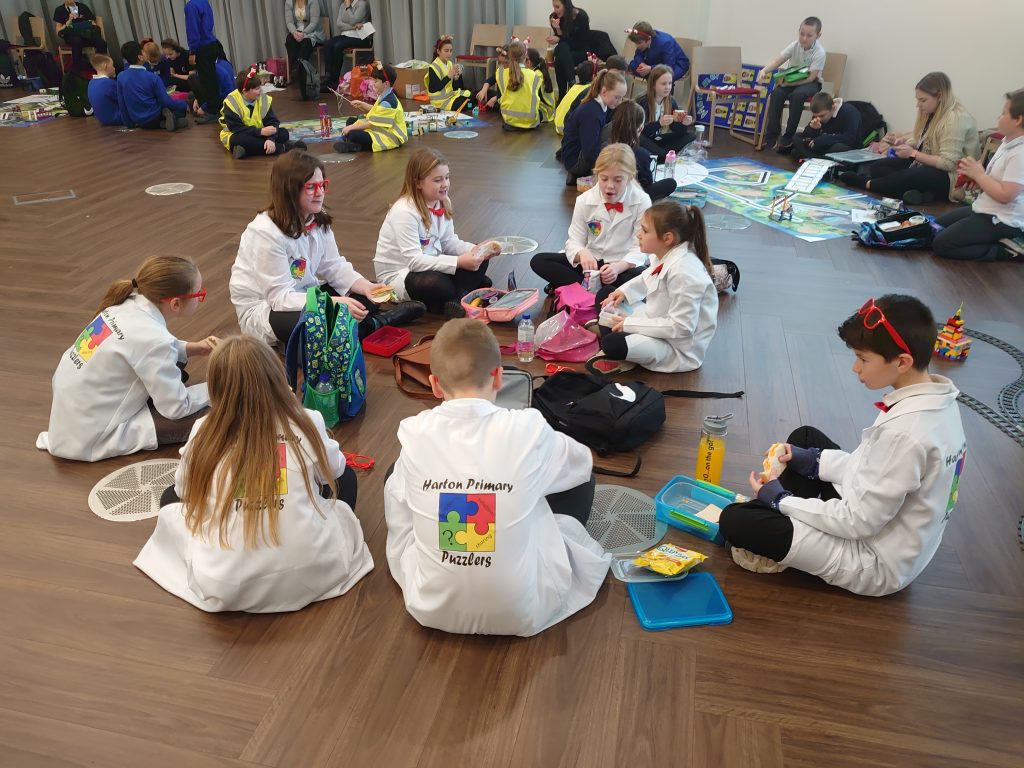
Well deserved lunch.
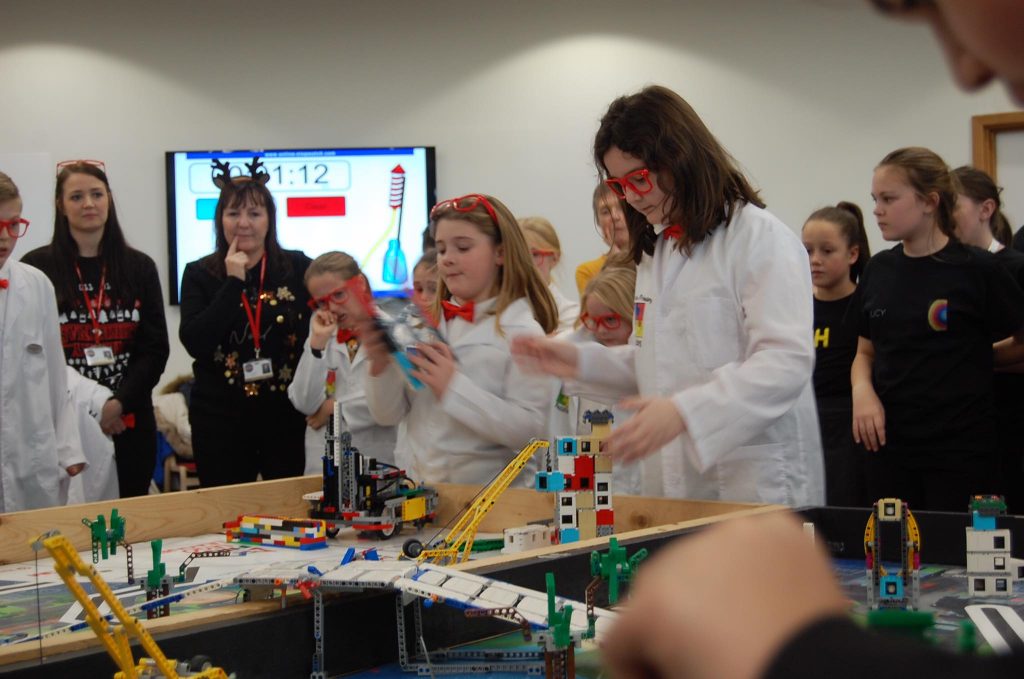
Competing in the robot game.
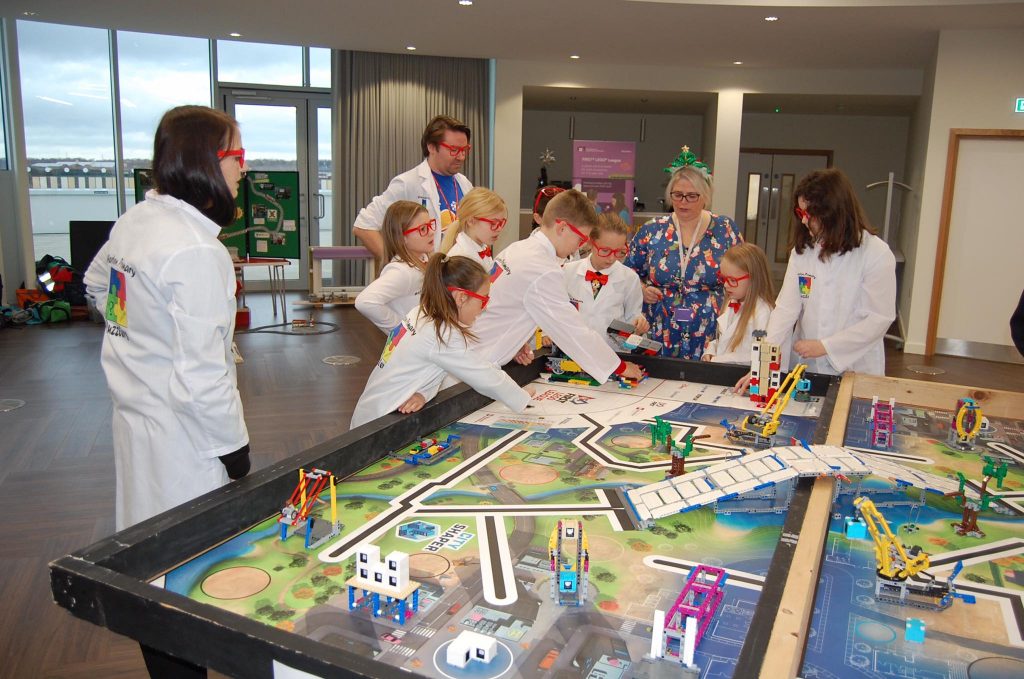
Competing in the robot game.
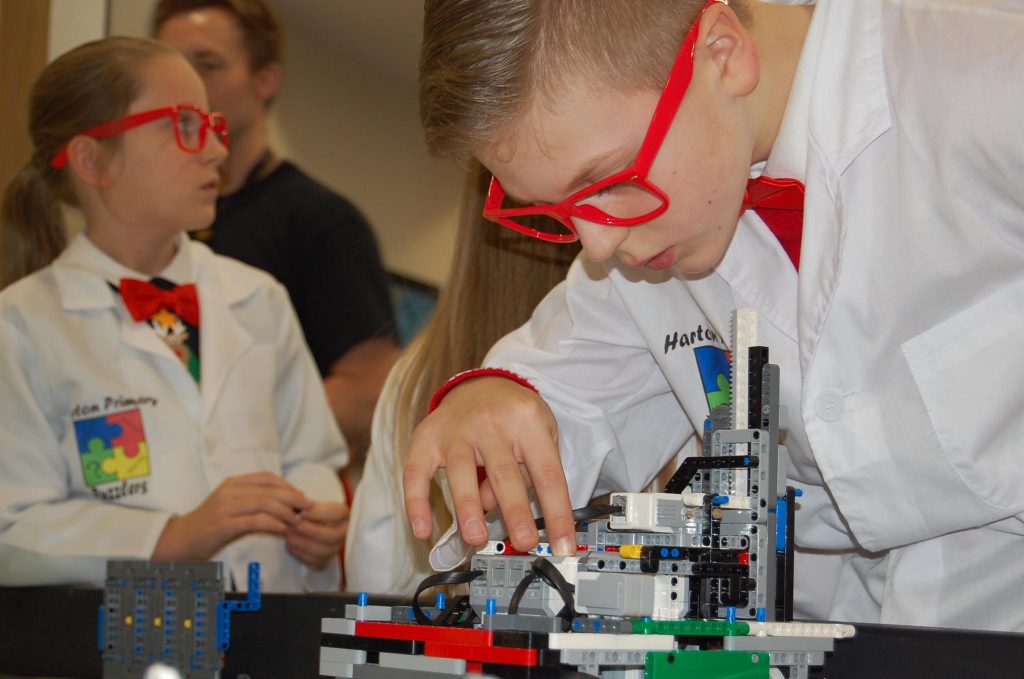
Competing in the robot game.
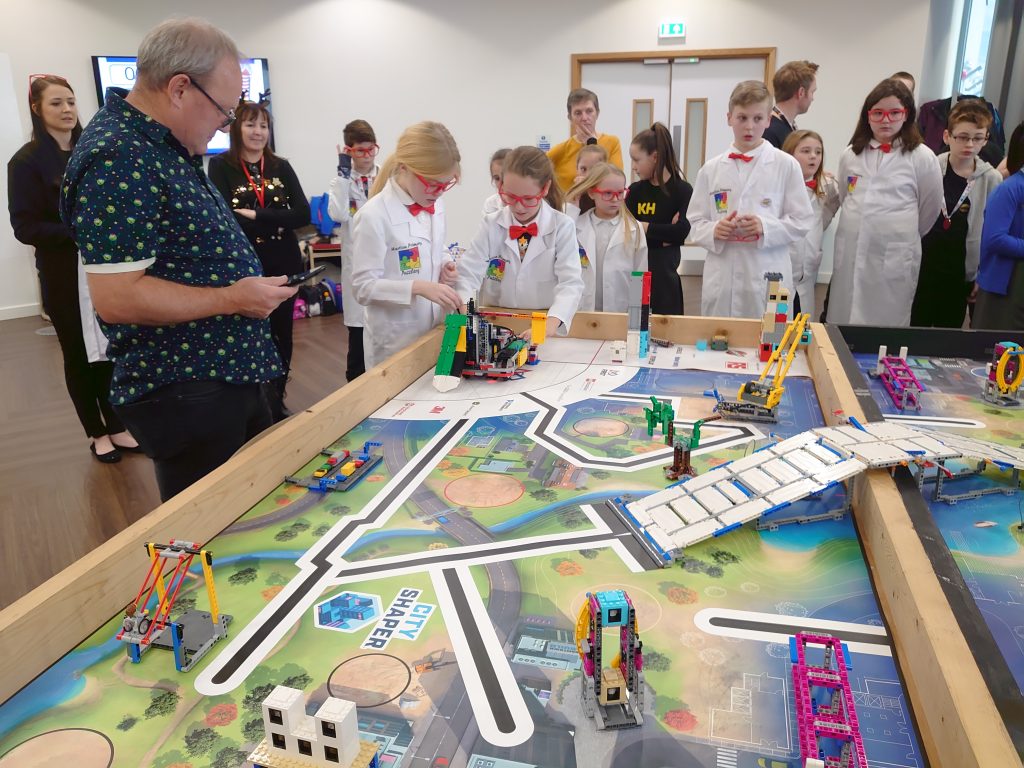
Competing in the robot game.
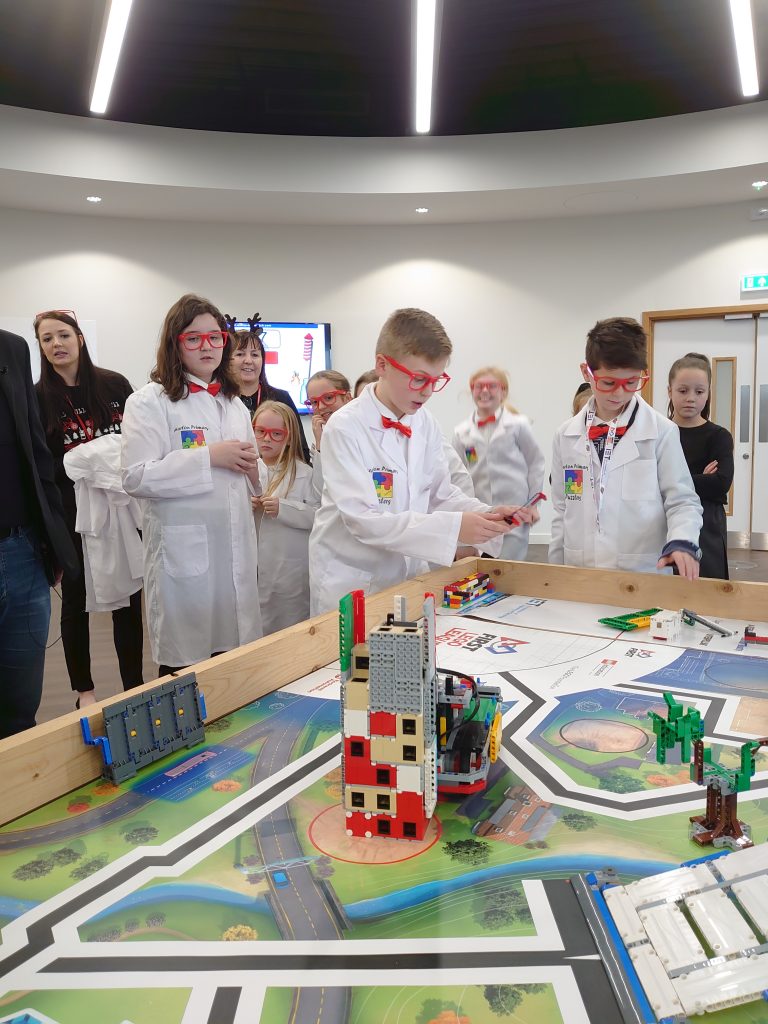
Competing in the robot game.
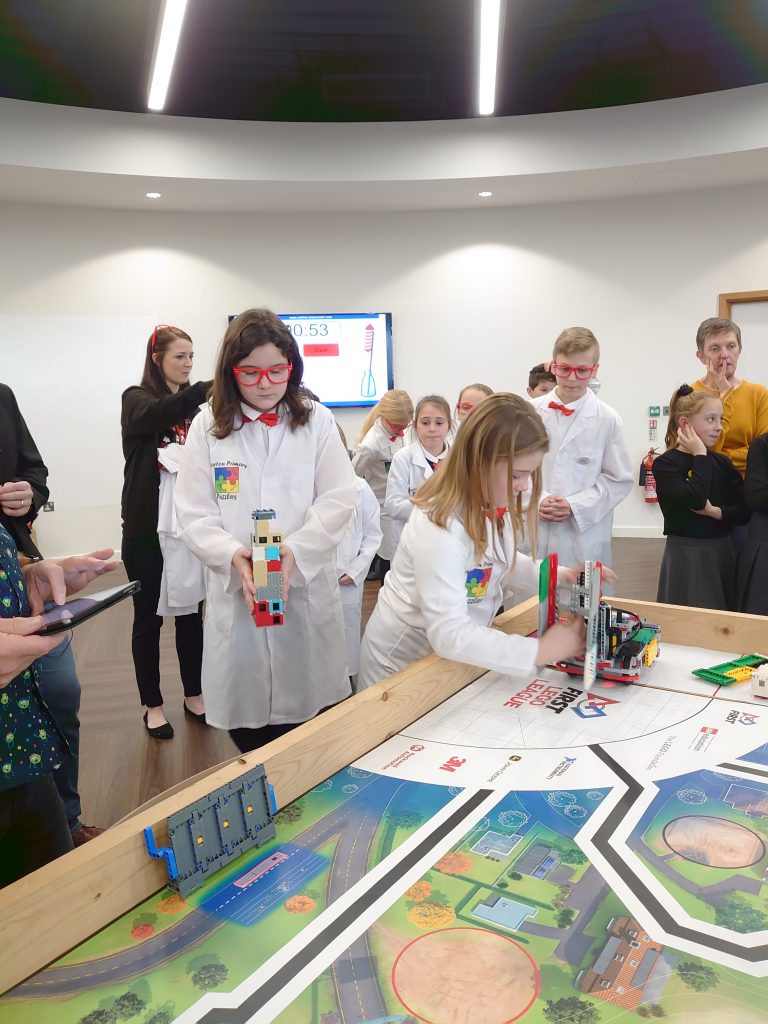
Competing in the robot game.
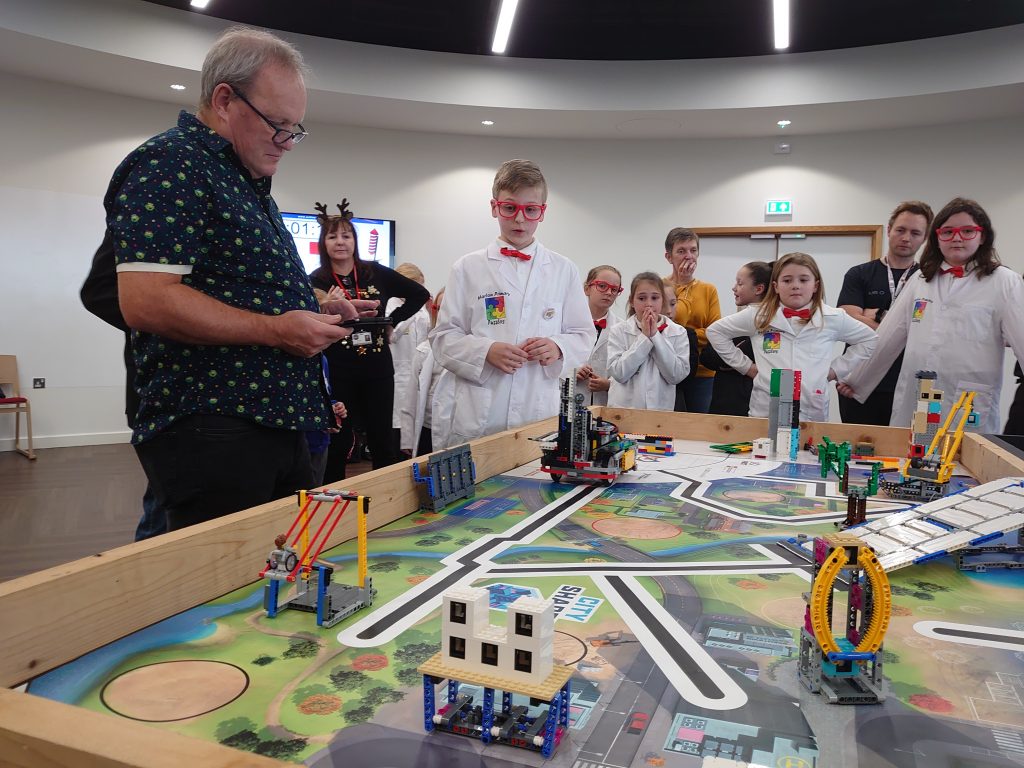
Competing in the robot game.
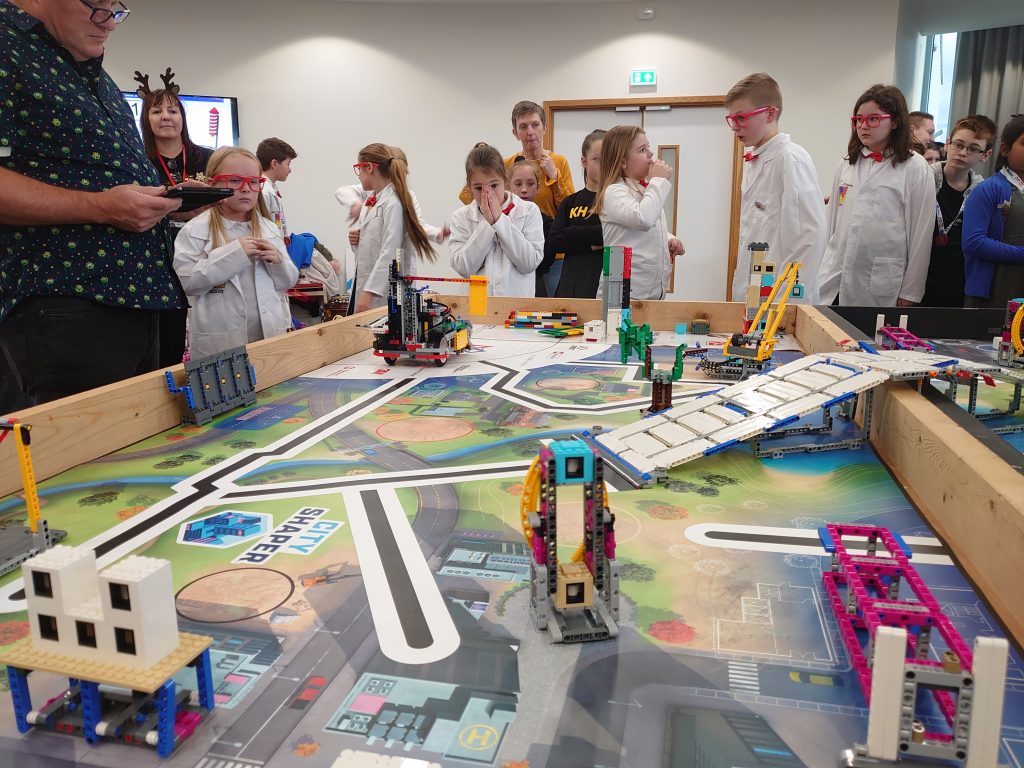
Competing in the robot game.
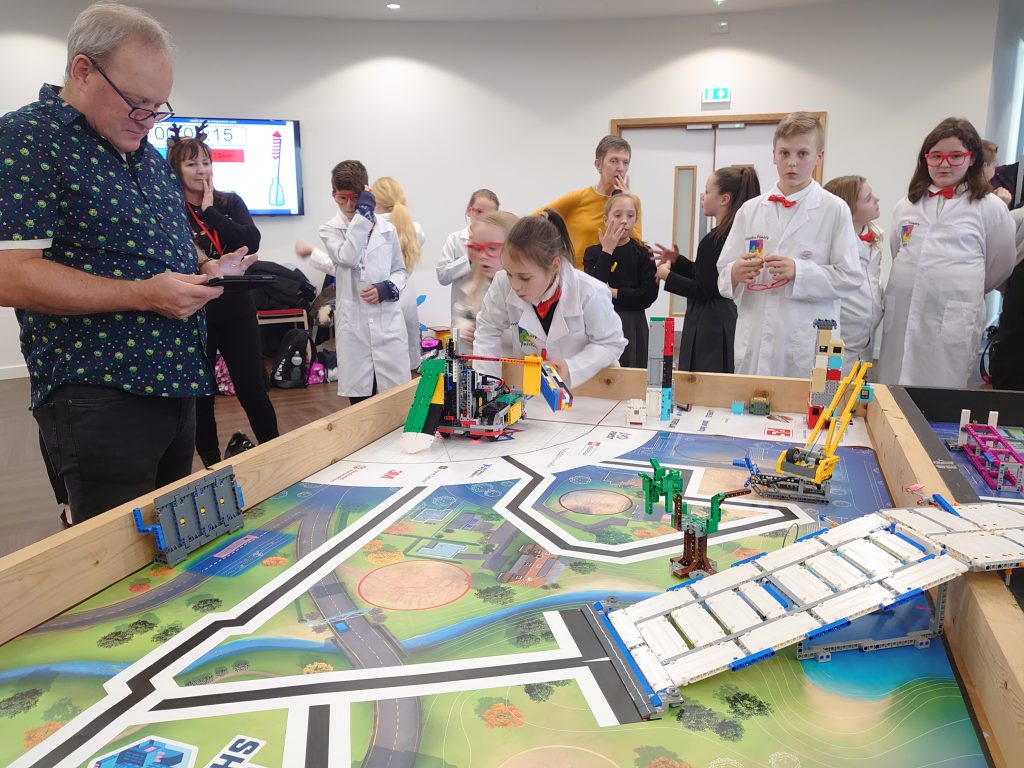
Competing in the robot game.
They also had to compete in a robot game; a 2 and half minute challenge to complete as many tasks as possible to score the most points, with 4 highest scoring teams got into the Semi-finals.
The Puzzlers came 3rd in the knock-outs with 215 points. When competing in the Semi finals, they scored 225 – securing their spot in 2nd to progress to the finals. Competing against Oakwood, who were unbelievably talented at the robot game. They set a heavy lead with 300 points in their first of 3 rounds – securing their trophy in the robot game – but the Puzzlers fought in every round, scoring their highest score of the day of 245 points.
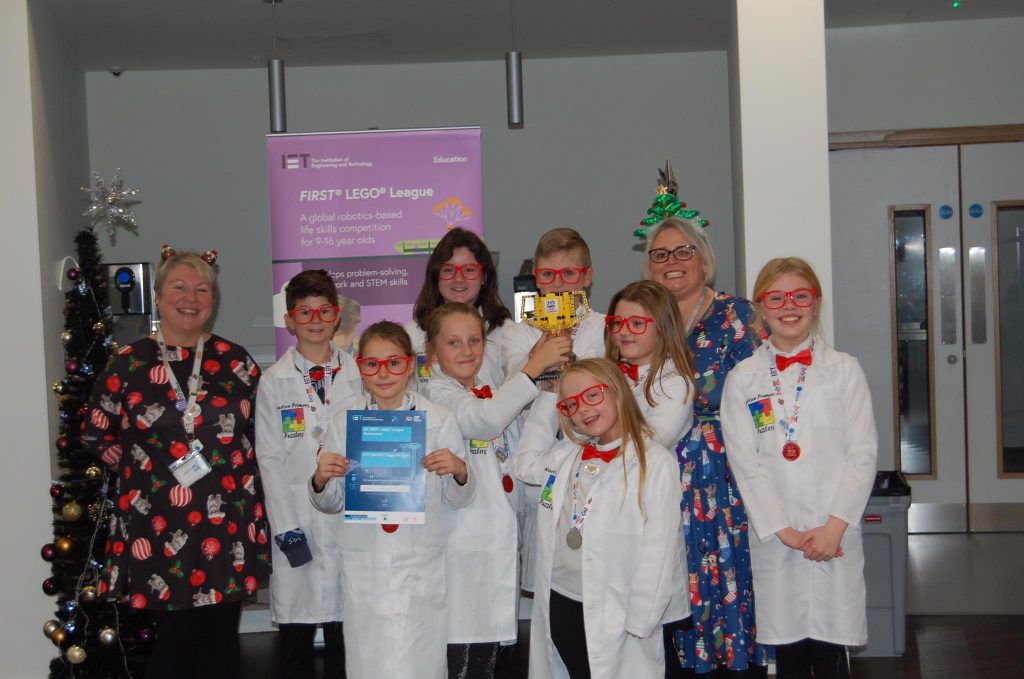
Winning the Robot Design Award…
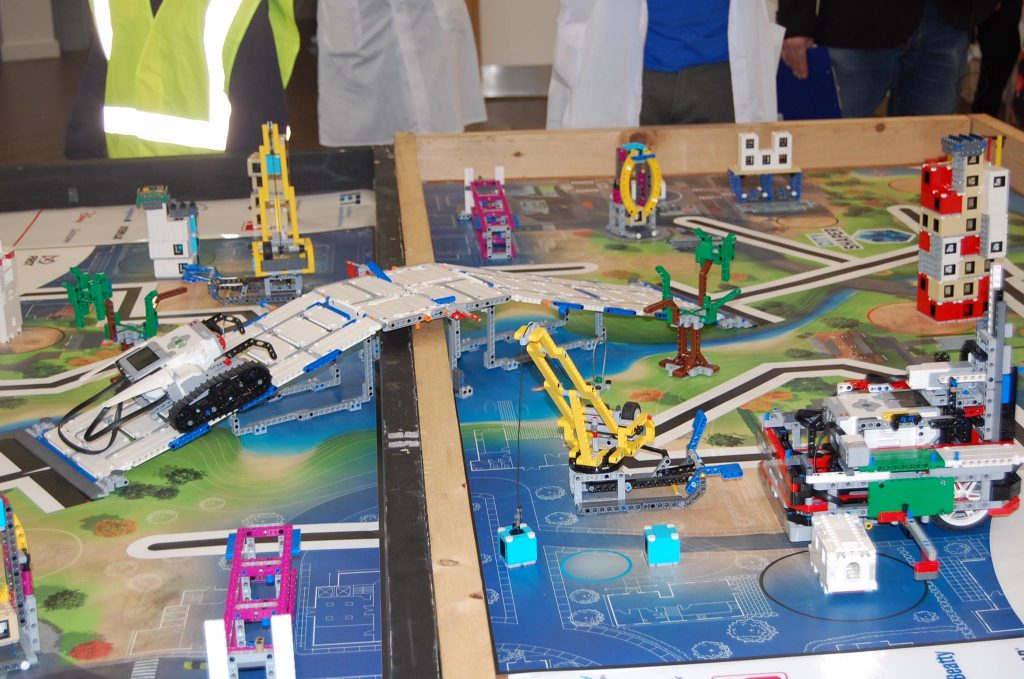
…Athena (on the right), known at the competition as ‘The Beast’
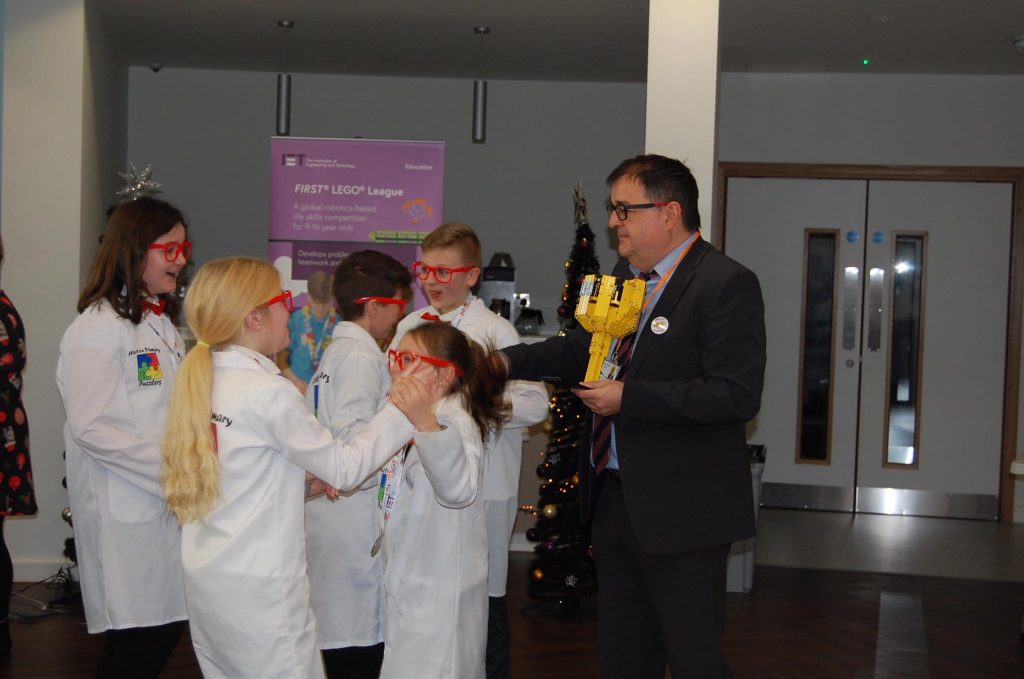
And winning the Champion Award.
Some tears of joy.
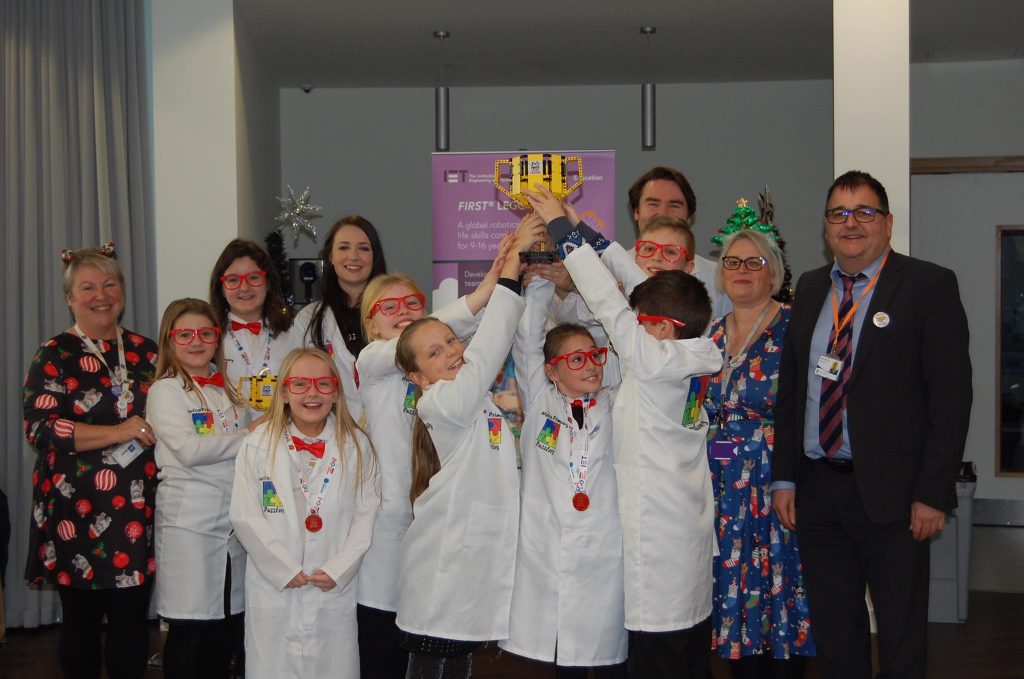
We are the champions….
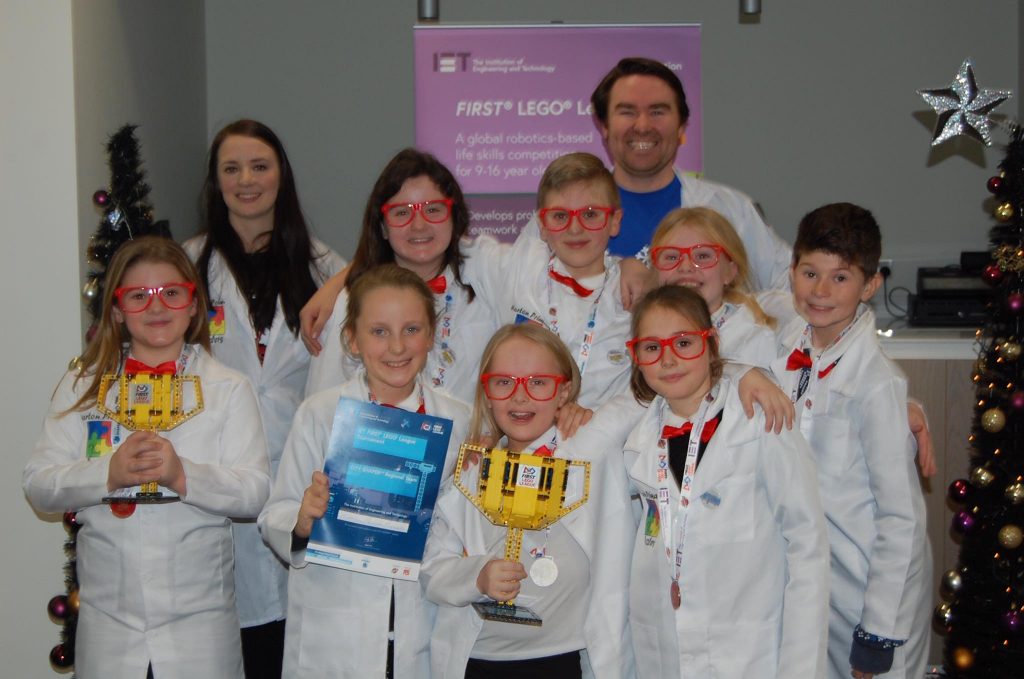
…and we’re off to Bristol!
The trophy ceremony gave the Puzzlers 2 reasons to celebrate! Their robot – Athena, God of Technology – won ‘Best Robot Design’, after being referred to as ‘a beast’ by the judges. After coming 2nd in both the presentation and robot game, and 1st in the robot desgin, the Puzzlers won the overall day – for a 2nd year running – and now have to compete in Bristol in the national competition!
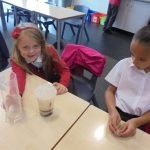
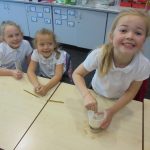
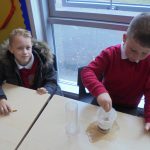
Year 3 have been working hard conducting different investigations in Science Club. Last week, the children had a great time looking at a chemical reaction between bicarbonate of soda and vinegar (we even added food colouring just for fun). What will we be doing this week?
The first activity of the new Harton Primary Puzzlers was a trip to The Word to do some robot programming tasks – including tasks on the new City Shaper mat and missions.
We had to first make a robot move in particular ways, with ended up with a robot dance off.
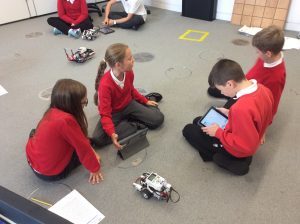
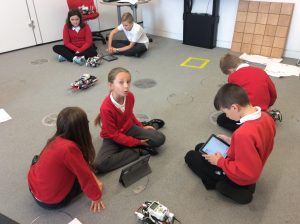
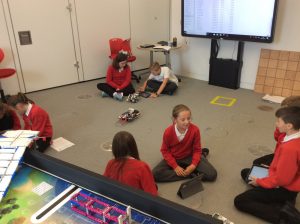
Then, after lunch, we started work on the challenge mat. 2 groups worked on making the robot take some brick to certain areas of the mat, leave them there and come back to home base. Another group worked on getting the robot to drive to and up a ramp, and if possible raise 2 flags.
Check out this video of their last run:
Great start to the table, now to work on more of the missions.
This week we pushed ourselves to both animate and add voices and sound effects. We spend half the session animating a quick interaction between characters (using ‘I Can Animate’), then used iMovie to record our voices and had a quick play with the music and sound effects.
In our second week of Stop-Motion club, we made videos of Lego models, but with a twist. These model looked like they were building themselves – which was quite difficult.
Some of the children experimented with these videos, using their hands to cover or make models disappear.
Keep an eye out for future videos from the group.
