Well done to our latest group of Half Millionaires! Even more outstanding reading achievements this year from Flynn, Harry, Mia, Georgie, Isla and Lennon.
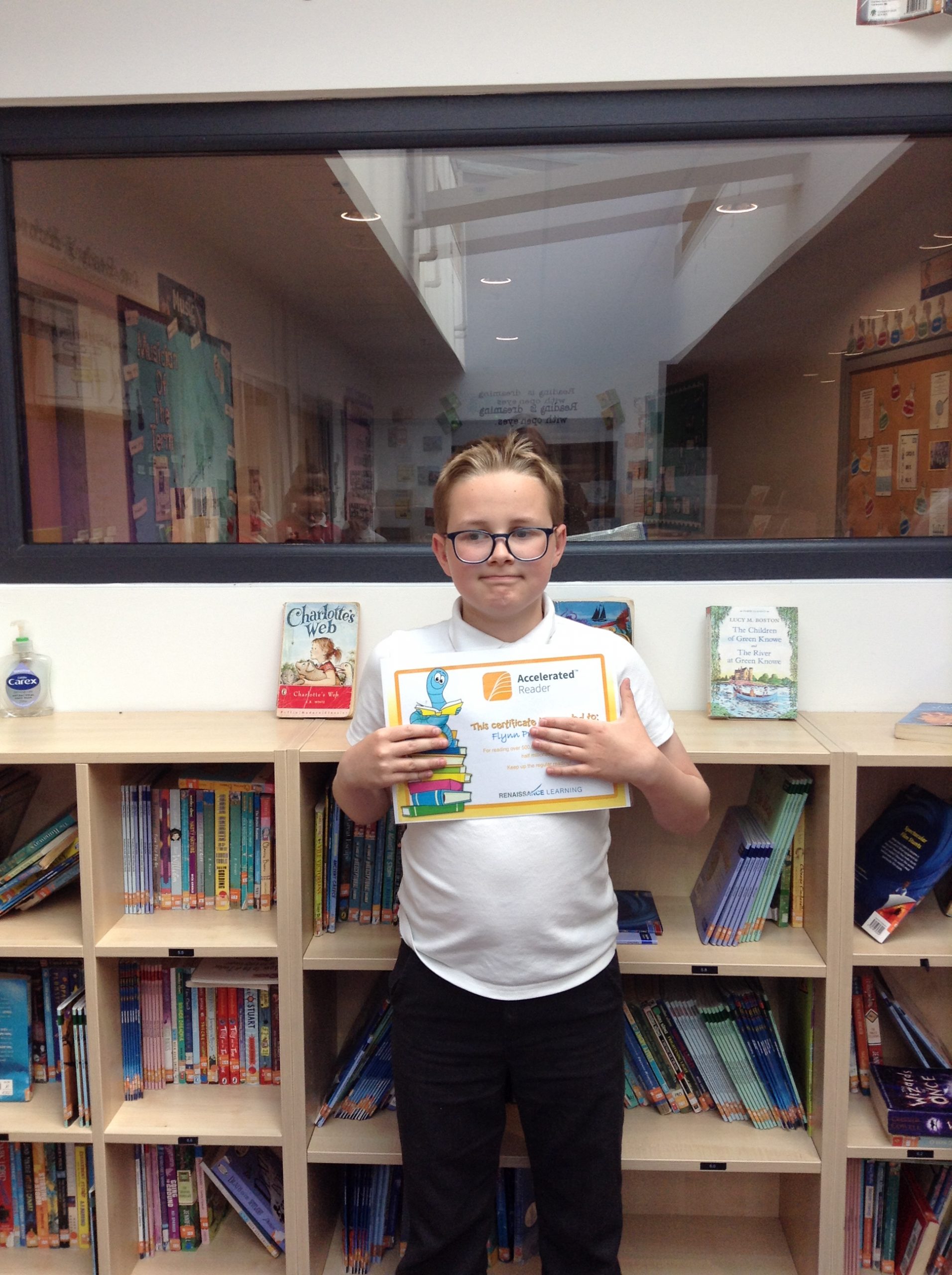
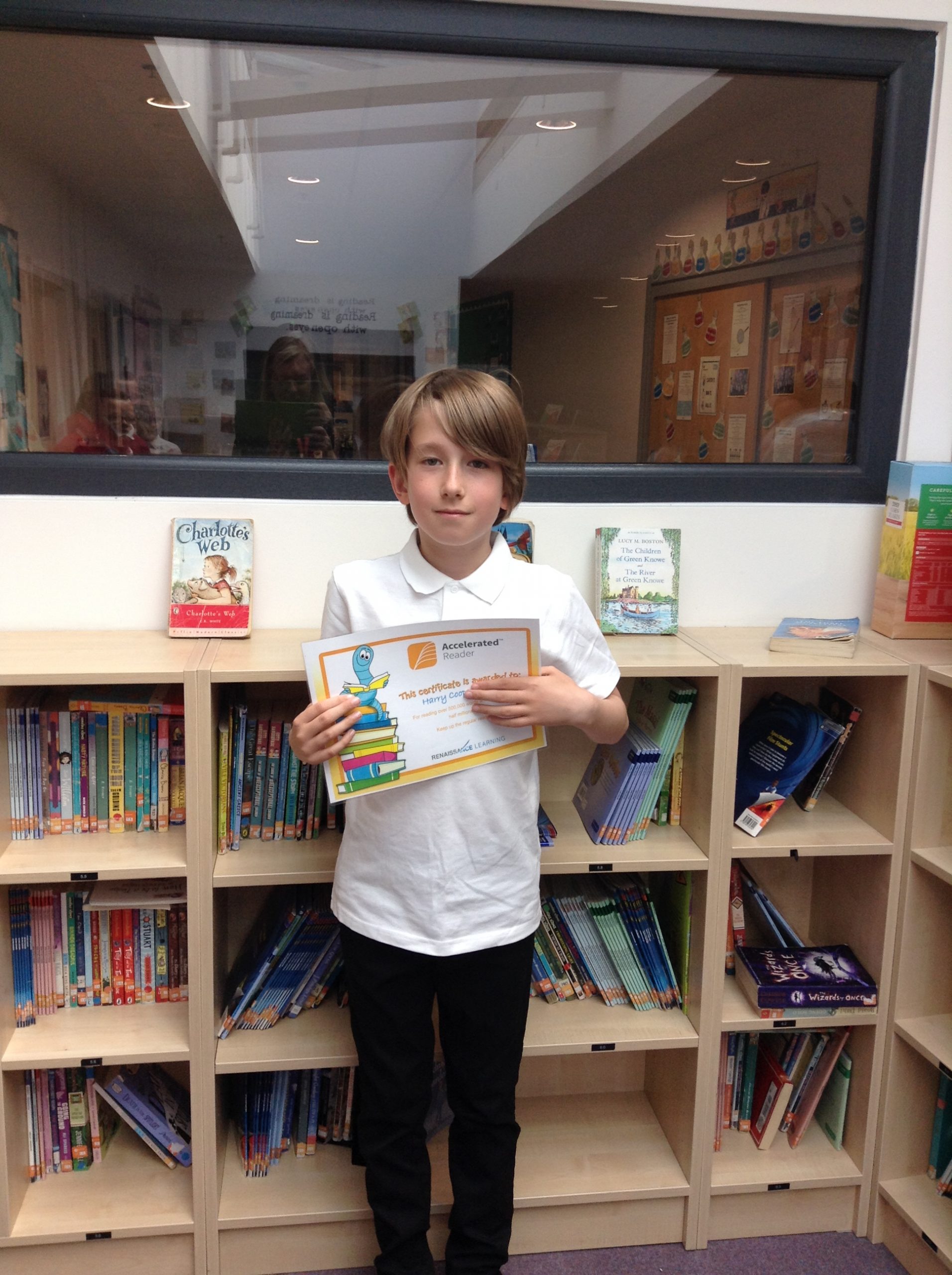
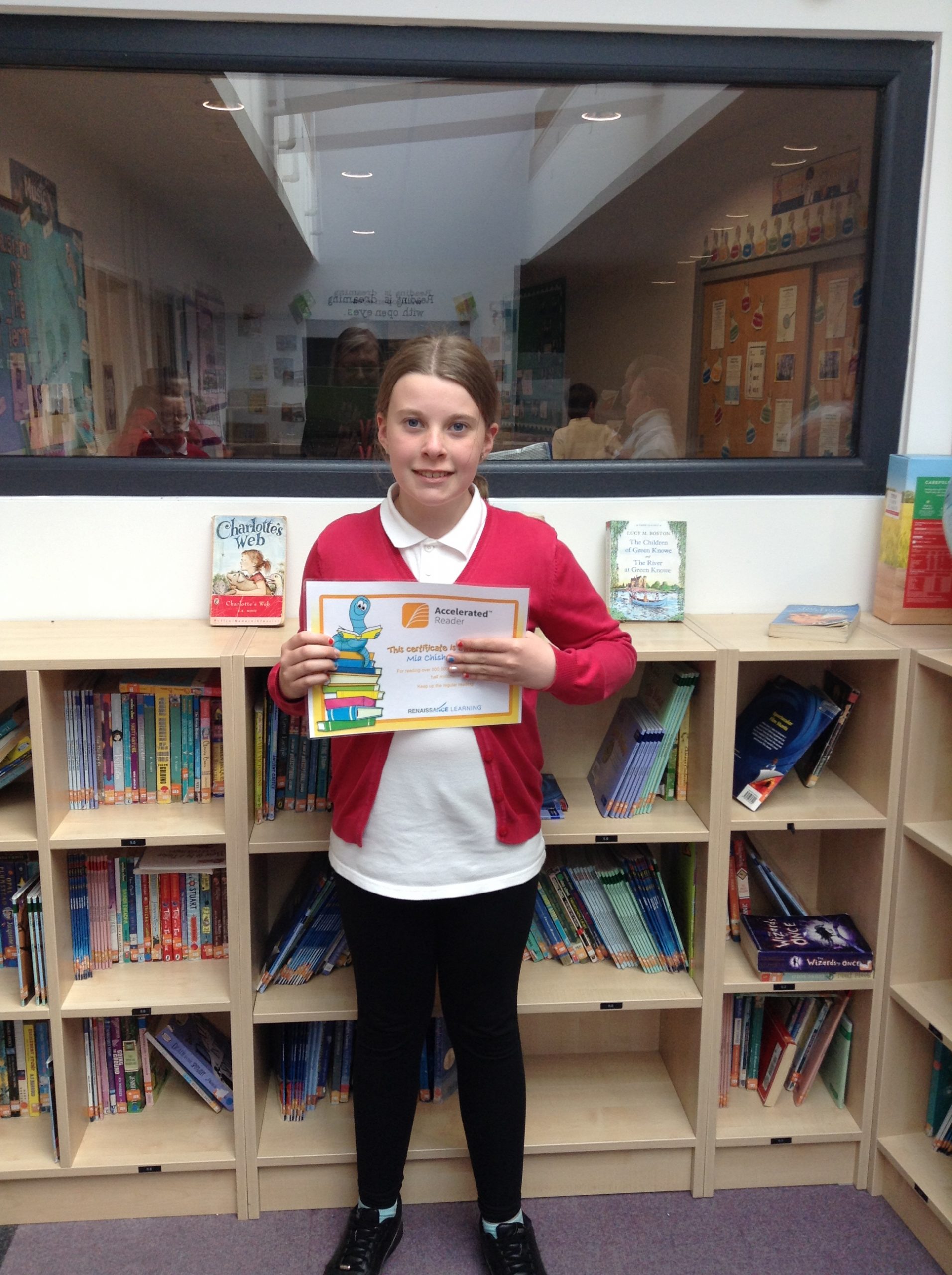
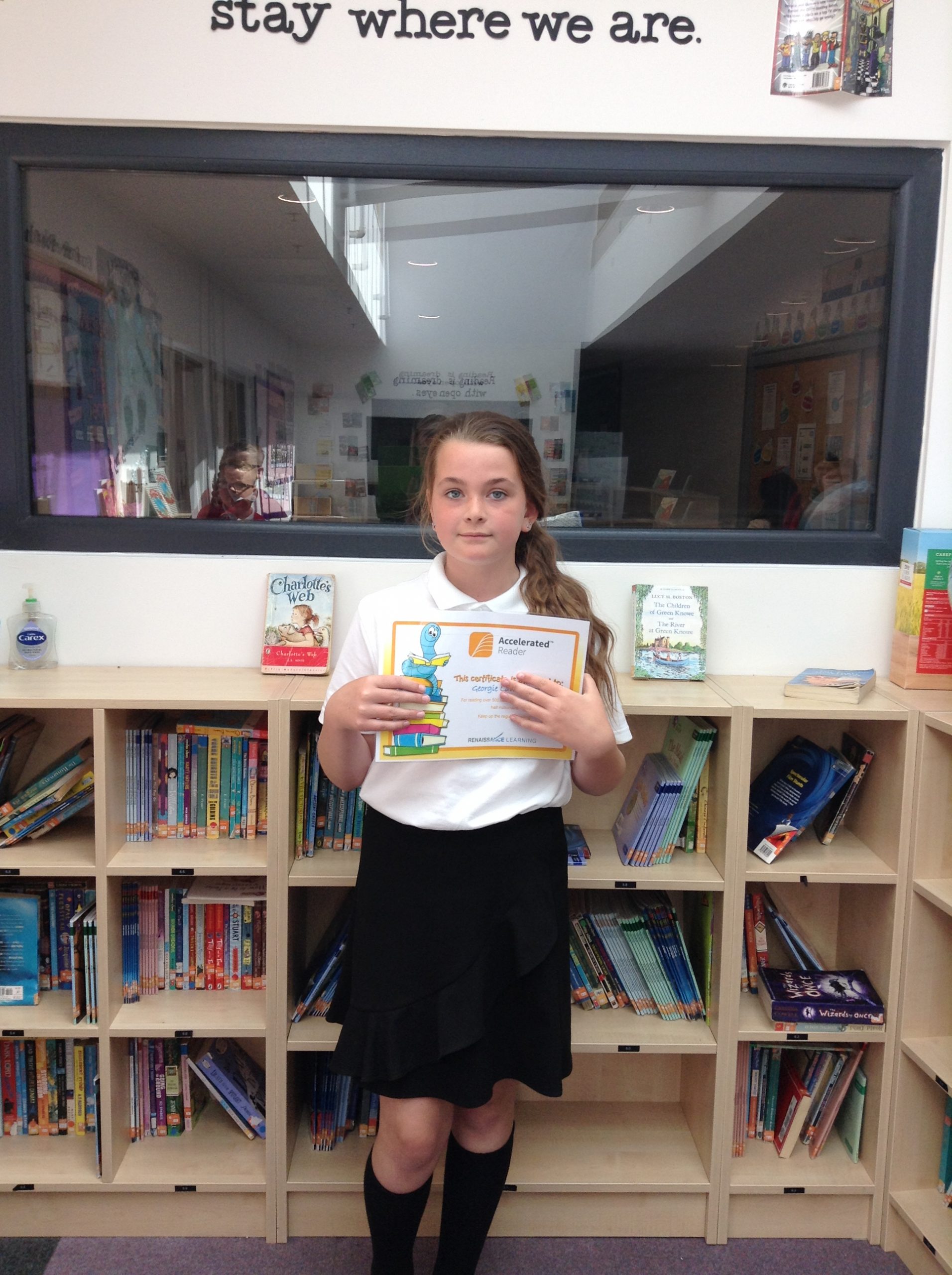
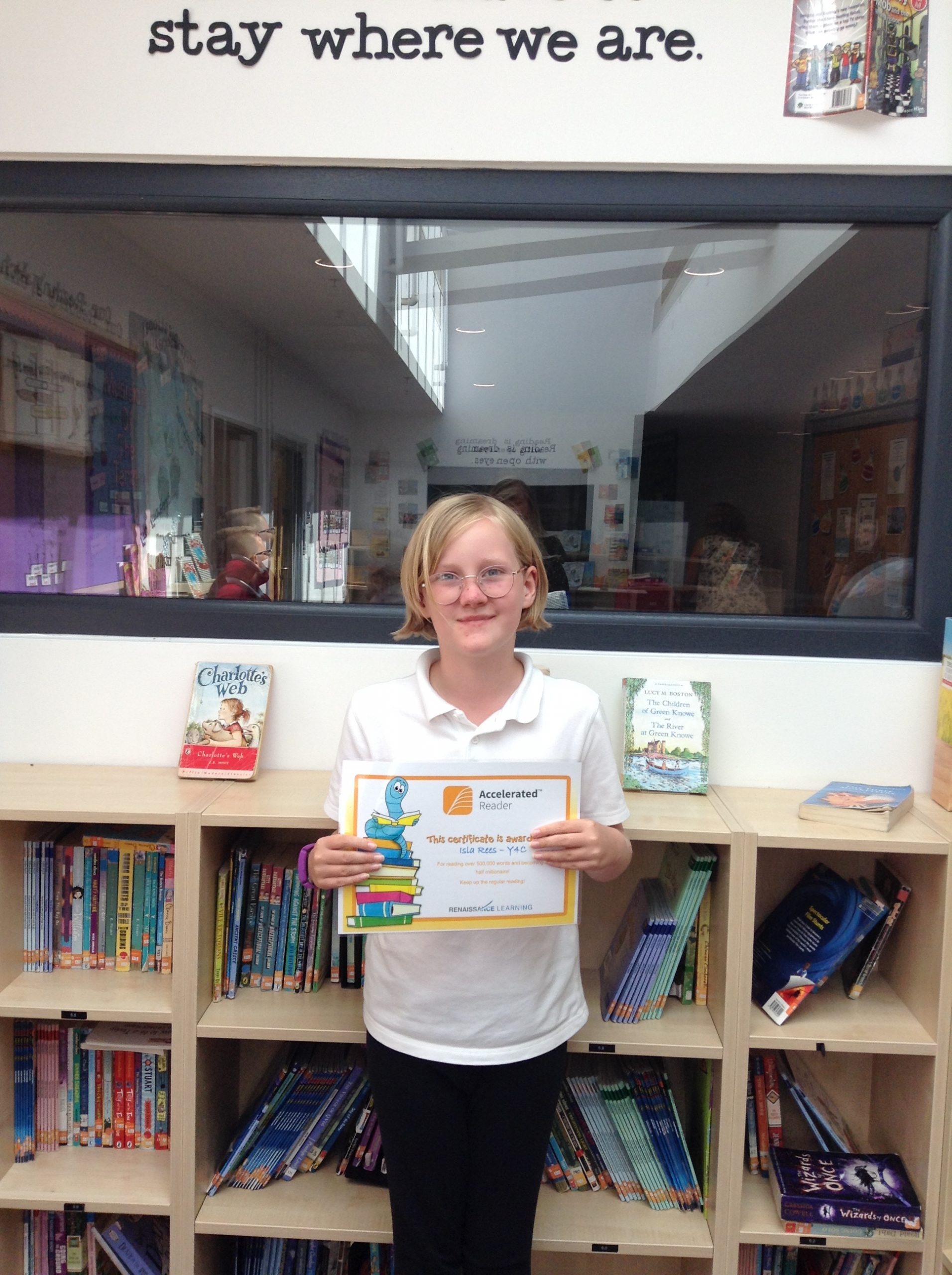
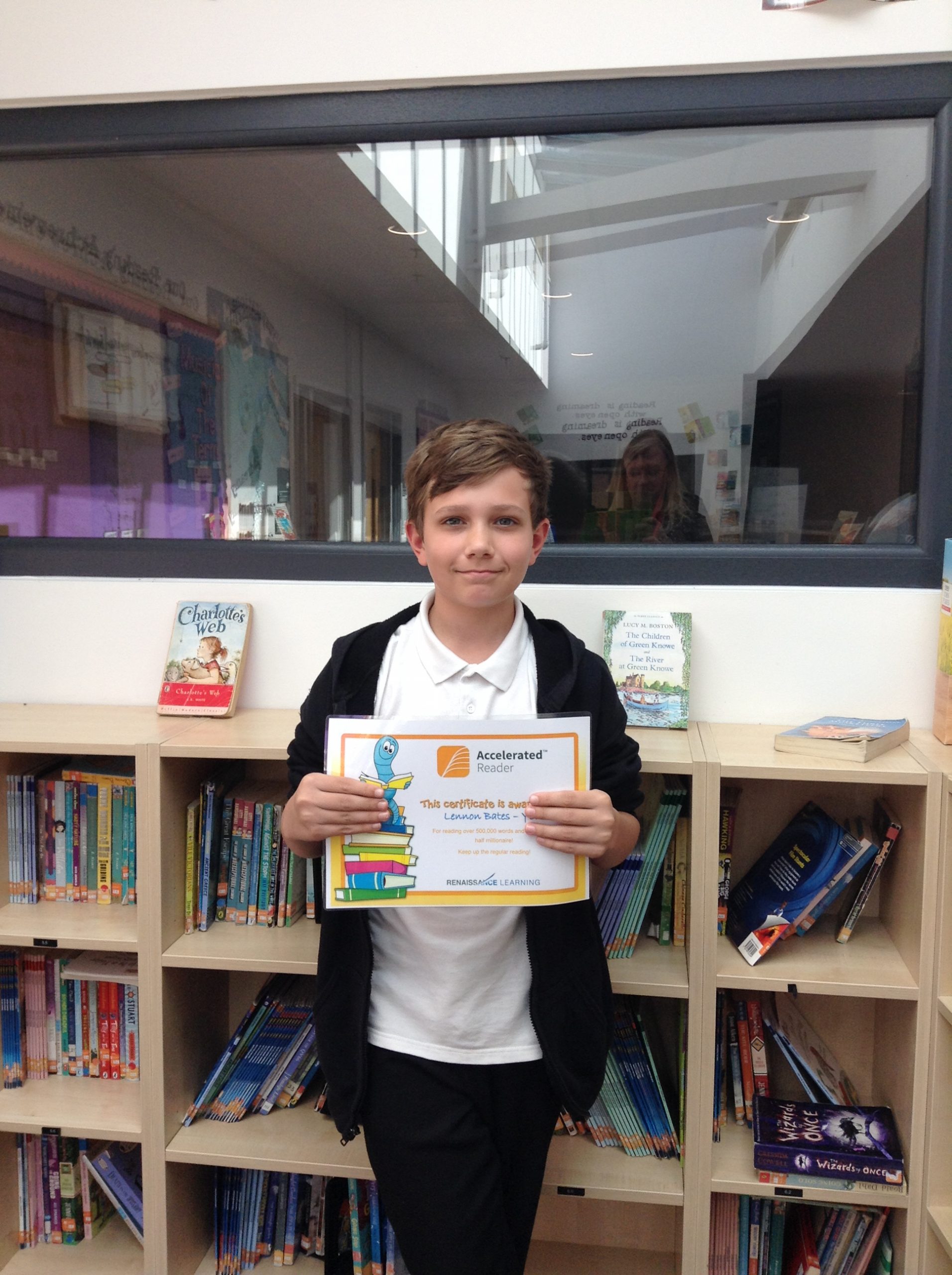

Well done to our latest group of Half Millionaires! Even more outstanding reading achievements this year from Flynn, Harry, Mia, Georgie, Isla and Lennon.
There is an opportunity for children aged 7-11 years to take part in a creative writing workshop on Saturday 25 June, 10.30-12.30pm at The Word. Children will create their own poetry whilst exploring the themes of the show. To book a place click on link https://theworduk.org/whats-on/the-secret-garden-writing-workshop/
The Secret Garden Performance will be happening on Sunday 26 June, 1.30pm at The Word and places can be booked via this link https://theworduk.org/whats-on/the-secret-garden-2/
After spending a lesson editing out their mistakes; adding music and sound effects; and altering the volume of different tracks of audio; the children completed their podcasts.
So please listen and enjoy.
Ancient Entertainers – Jessica, Layla, Sonny and Riley
Diving into History – Jack, Ella, Dylan and Faith
History Mystery – Maci, Leo, Grace and Zak
Rewind from the Future – Jacob, Jax, Ryan, Tilly and Celine
Wacky but Weird Mystery – James, Madisyn, Ellie and Jensen
William’s Wacky Wonders – William, Bella, Molly and Flynn
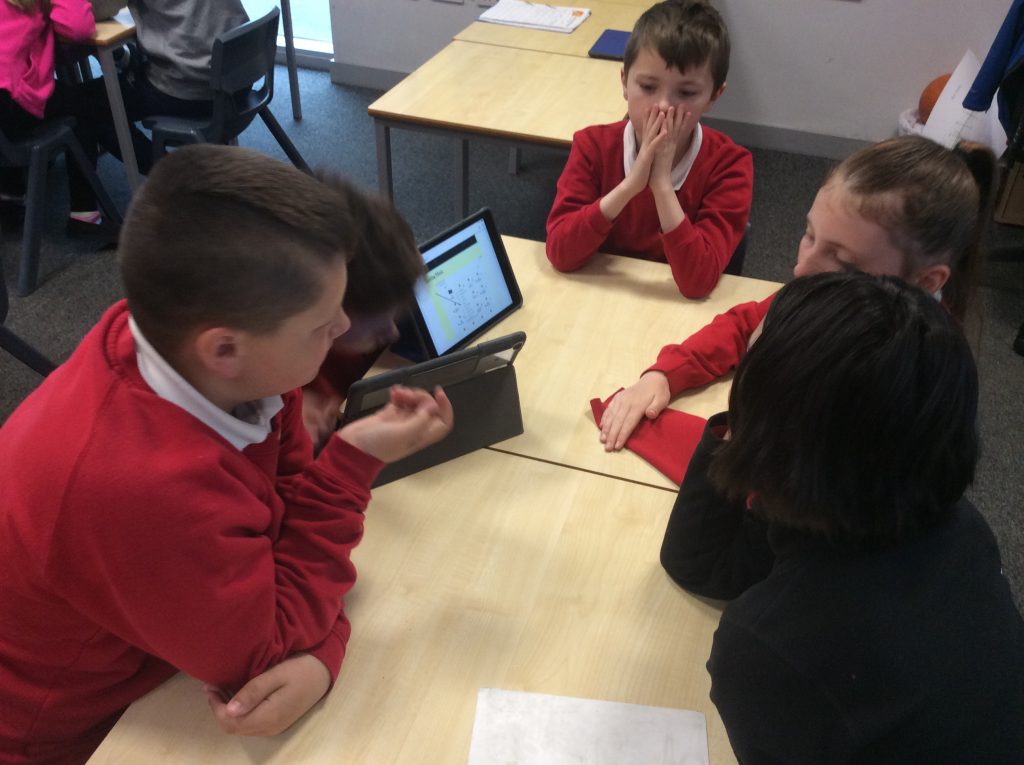
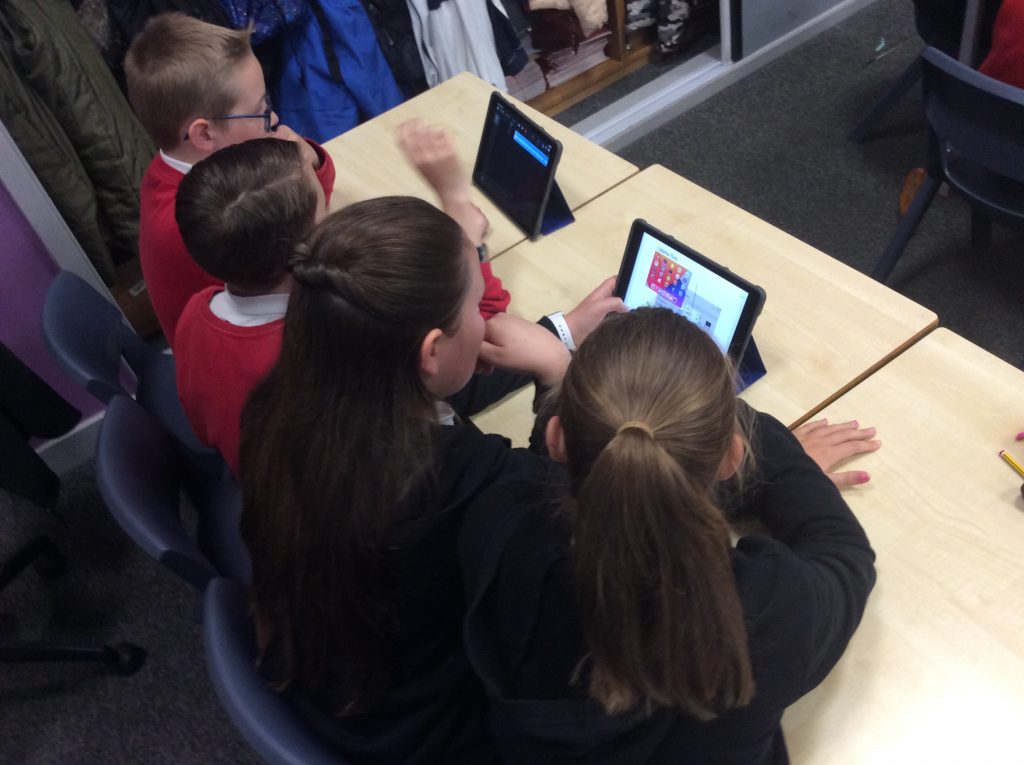
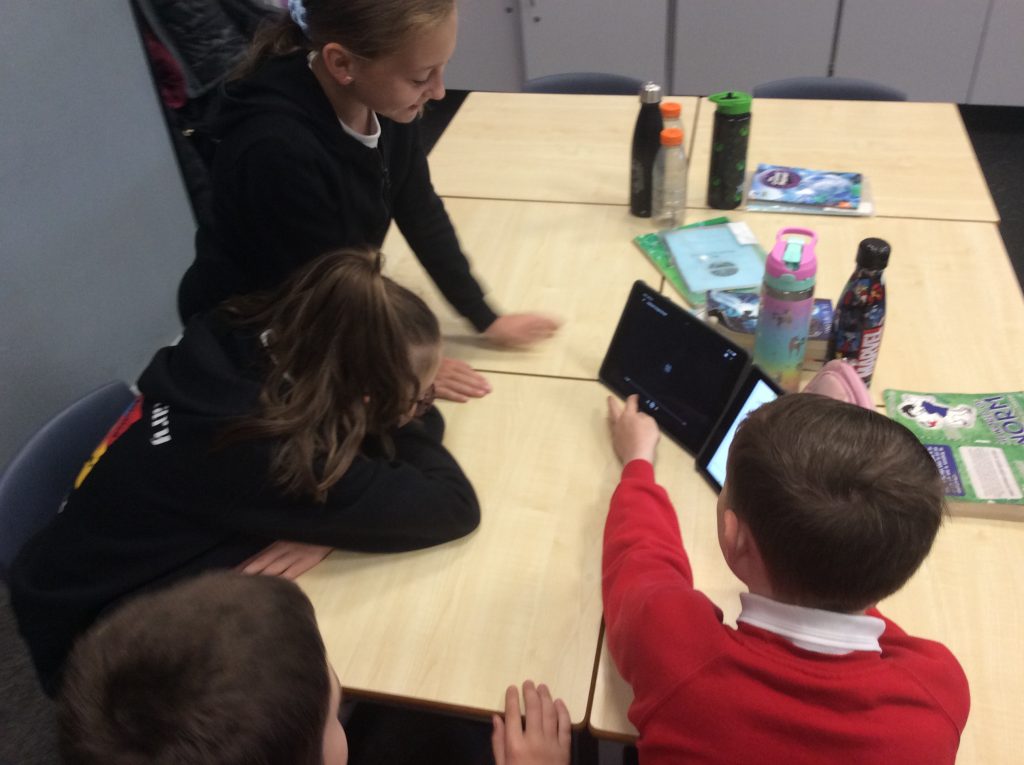
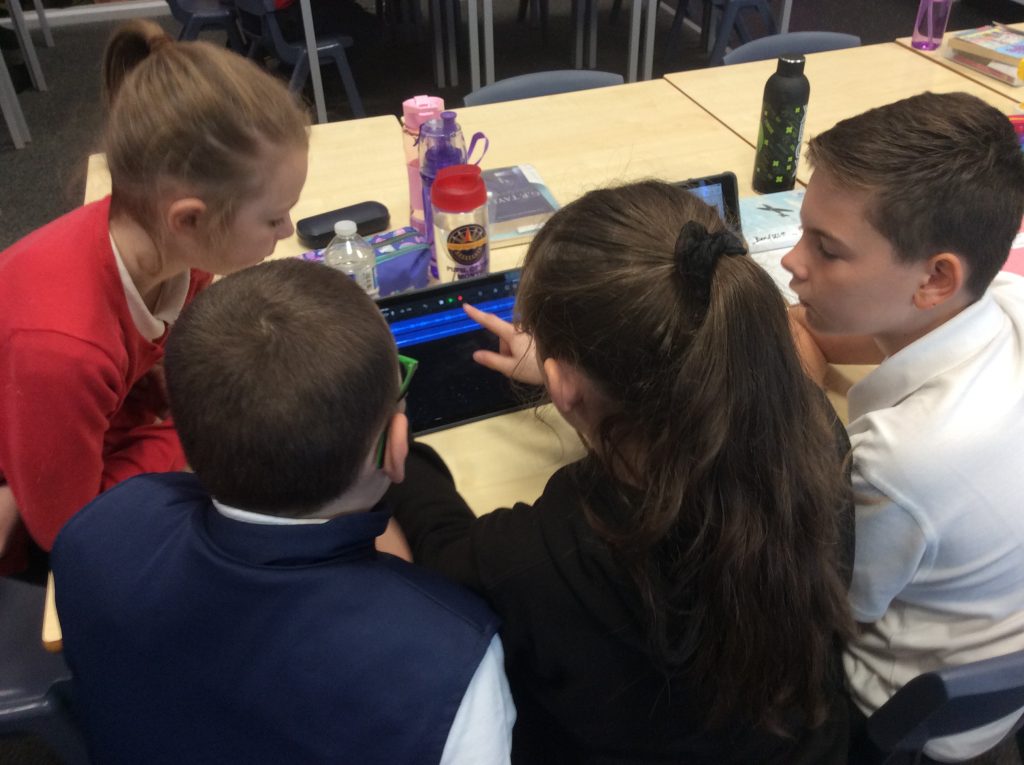
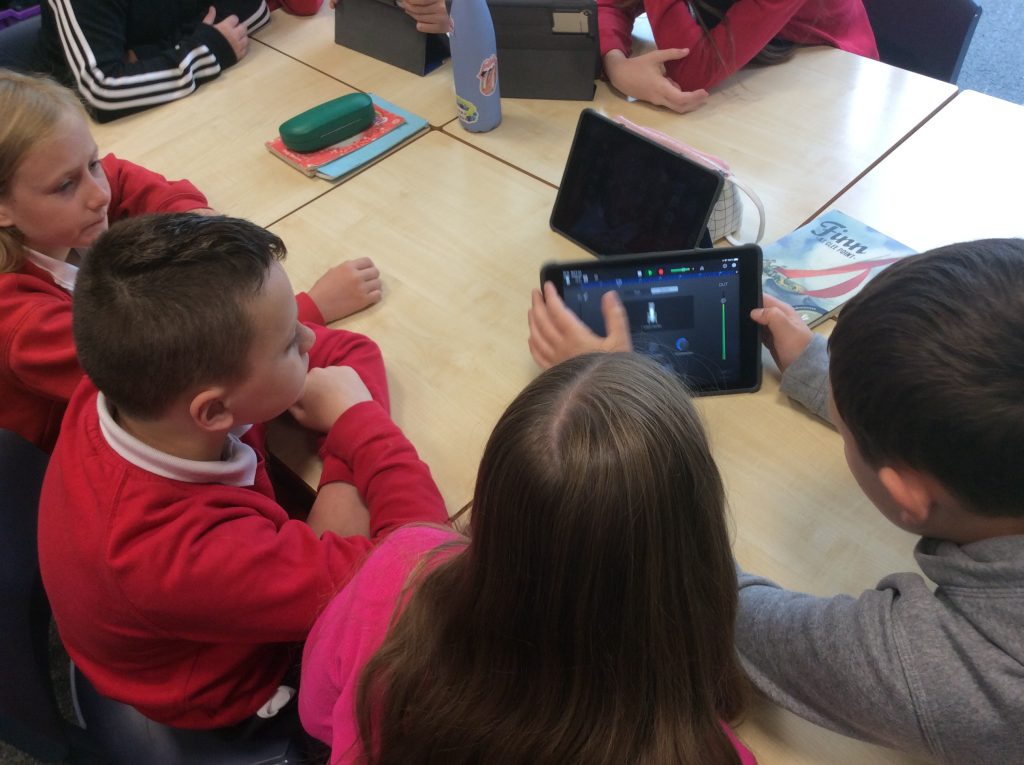
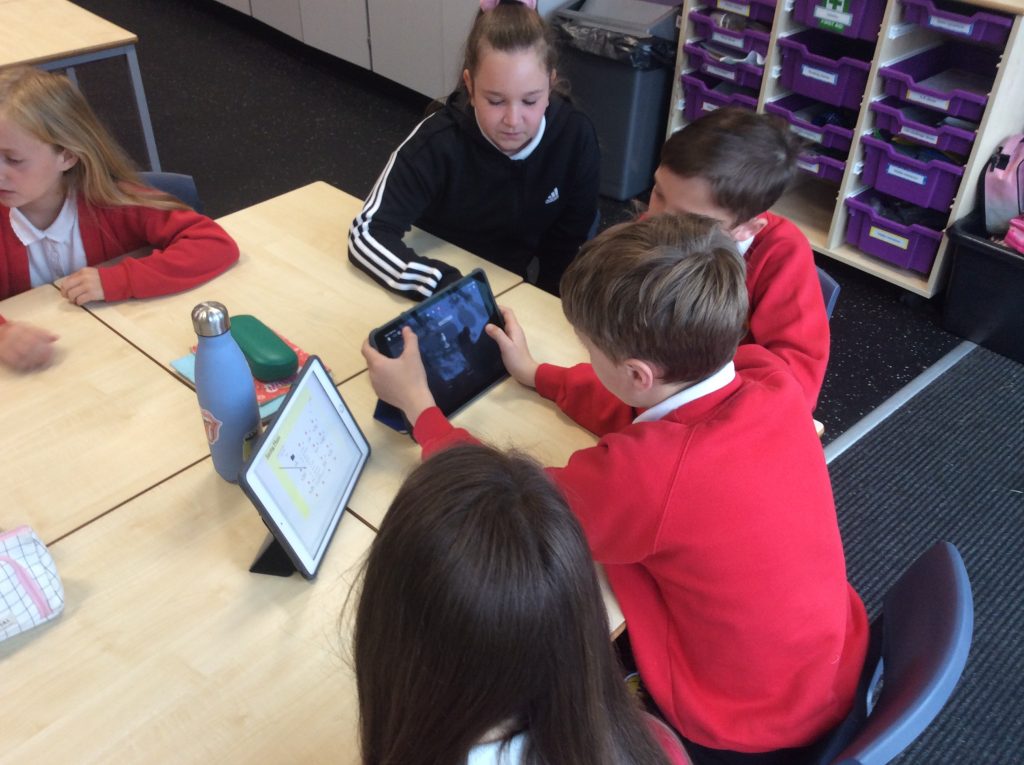
Using their knowledge from the research they did before the half term, the children have crearted their own podcast.
They wrote their own scripts, took roles of experts (or Maya priests and villagers from ancient times) and recorded their podcasts in the last lesson.
Now their task is to edit out any mistakes they have made and add music to make their show sound more professional – using Garageband.
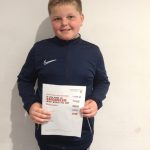
We are delighted that Tilly in year 5 was chosen as the winner for the World Water Day poetry competition. Her poem raised awareness of the impact that pollution is having on our planet as well as the importance of recycling.
P for protect the water – stop oil spills
O for oil is destroying our waters and planet
L for let’s keep cleaning our community
L for don’t litter – recycle
U for underground dirt and muck is going into the pipes and into the rivers
T for the more water wasted the less for dying animals
I for let’s interfere and help water
O for open your mind about the world and help
N for never waste water and don’t put your rubbish in the sea. Put it in a bin. Start caring.
For the last 3 weeks of Stop Motion Club, the children have been animating a story. In the final week they recorded the voices, added both sound effects and music to their videos.
Here are the children’s final videos:
When we arrived at Scotswood Gardens, we gathered under the shelter and discussed the different parts of the life cycle of a flowering plant. We had to match up the definitions by finding our partners, then we put ourselves in order.
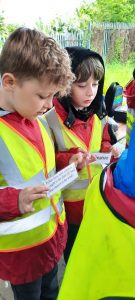
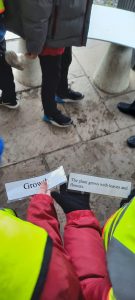
After that, we went into the woods and used the natural materials we could find to make models of flowering plants and we labelled the parts.
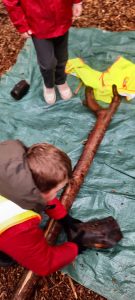
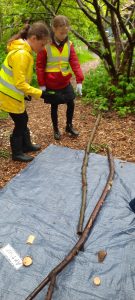
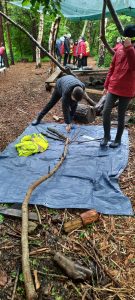
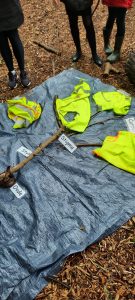
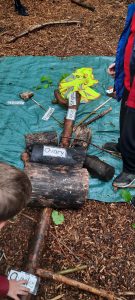
At Scotswood Garden, they have beehives, so we played True or False with facts about bees. Did you know bees pollinate a lot of the food we eat? We need them to help us grow our crops!
After that, we had a chance to explore the gardens, including the ponds, beehives, willow dome and vegetable gardens. We all had a sticky bee to try and collect pollen from the flowers. It was so peaceful.
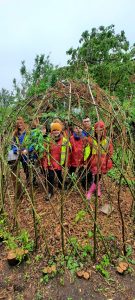
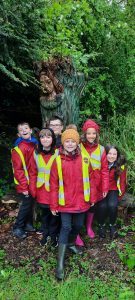
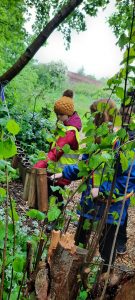
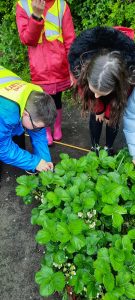
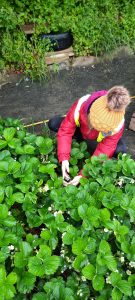
After lunch, we had a chance to do some different activities in the woods: den-building using branches and tarpaulins, potion-making in the herb garden, tie-dye using natural materials, and we all got a chance to make a newspaper plant-pot and plant our own sunflower or bean.
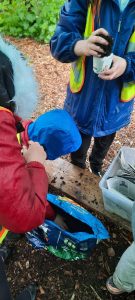
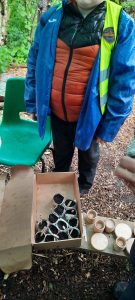
We had such a fun day and learnt so much about plants!
We were lucky in Year 5 to have a drama workshop all about the Maya, which is our current History topic. We started with some true or false questions, then created freeze frames of different parts of Maya life.
Here we are acting out Pok-A-Tok (a Maya ball game where the players could not hit the ball with their hands, and the objective was to get the ball through a stone hoop at the end of the playing field.)
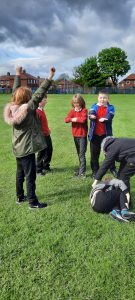
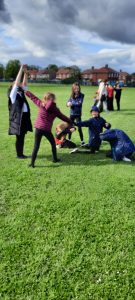
The Maya built many temples and painted them red, although we can’t see the red colour any more.
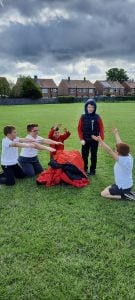
The Maya had a hierarchy in their society: slaves were at the bottom, followed by farmers, warriors, astronomers, priests and finally the king (known as the ajaw).
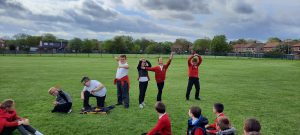
To finish off our workshop, we acted out the Maya creation story.
The two creator gods were able to think of anything they wanted, and it would appear. So they thought up trees and mountains. Then they realised they needed something that would praise them, so they thought of animals.
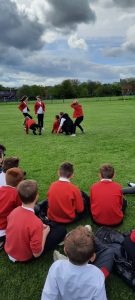
However, they realised the animals couldn’t speak to praise them, so they made people out of clay. But the clay people just crumbled to the ground.
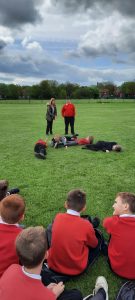
The gods then decided they needed the people to be stronger and harder, so they made men from wood.
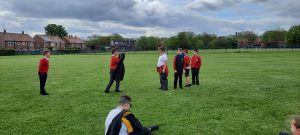
These men could not speak to praise the gods, so they destroyed them. Finally they made men from corn paste. These men could speak and praise the gods, but they could see too much so the gods removed some of their vision. They didn’t want the humans to be as powerful as them.
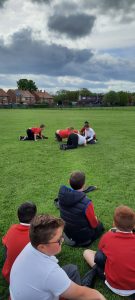
We had so much fun and tried so hard with our acting!
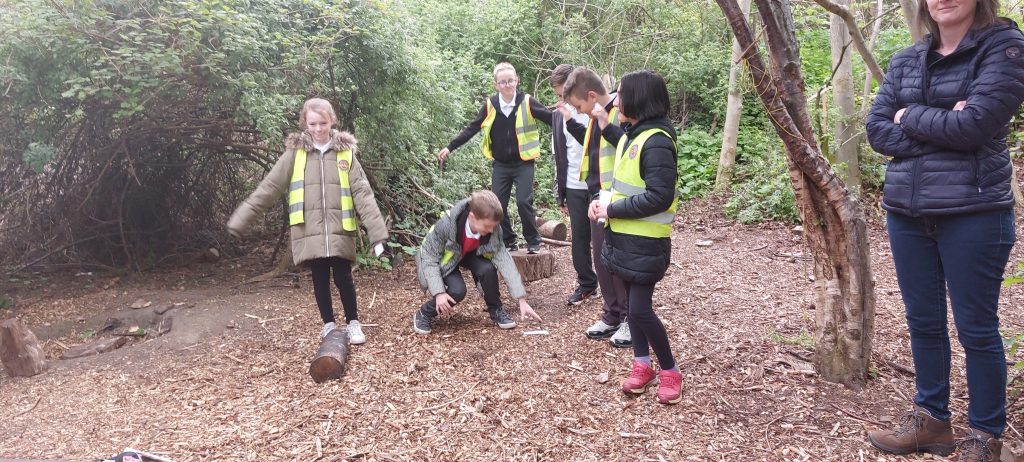
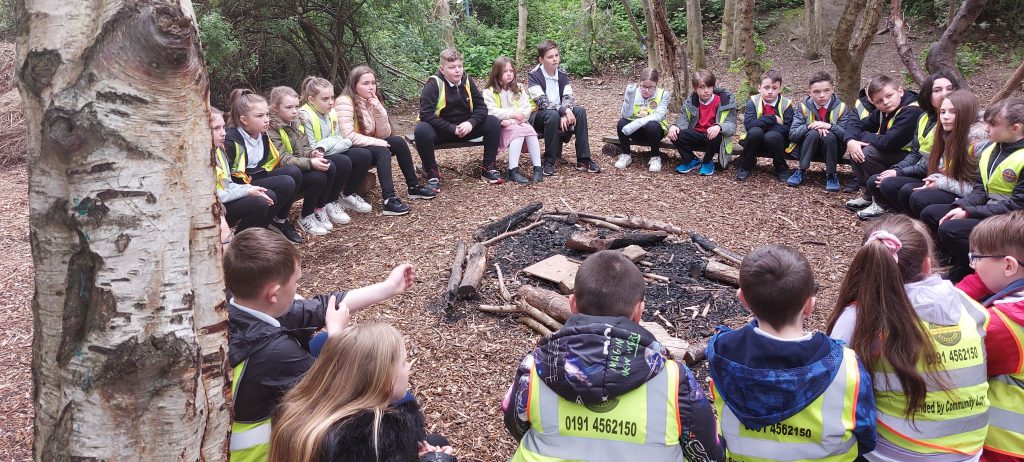
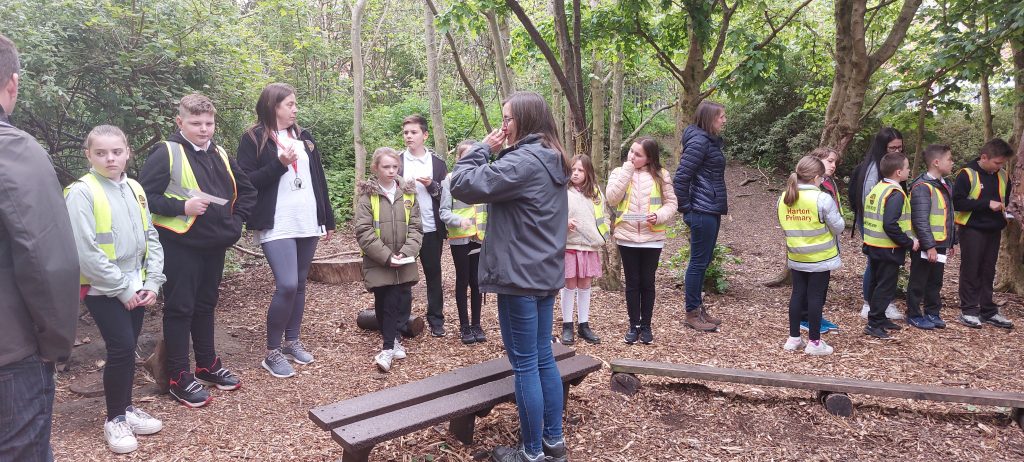
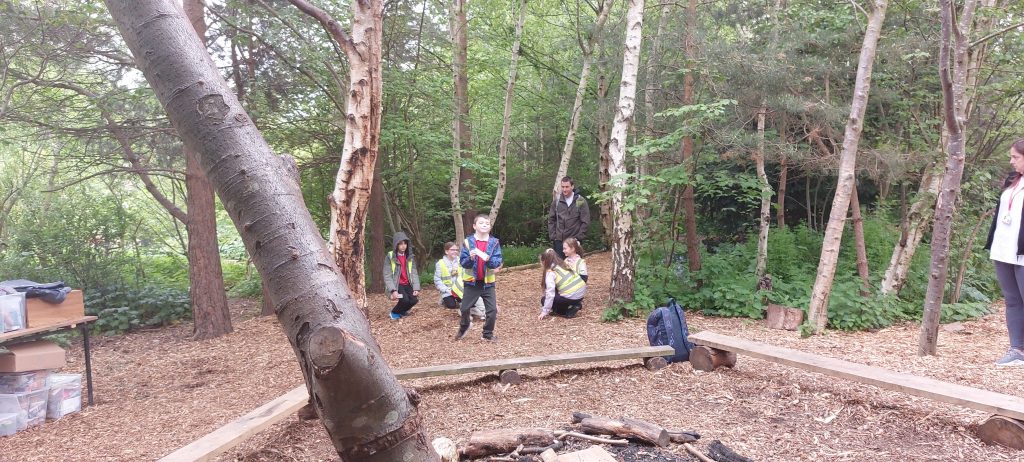
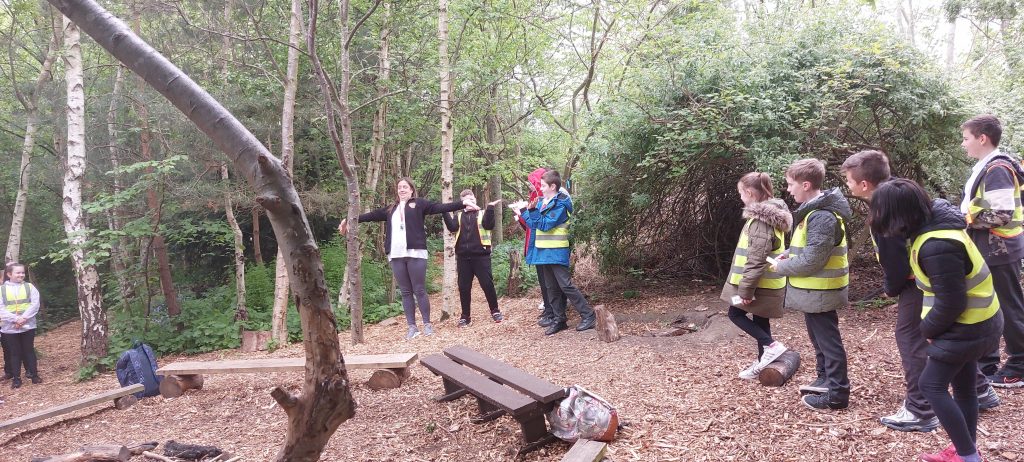
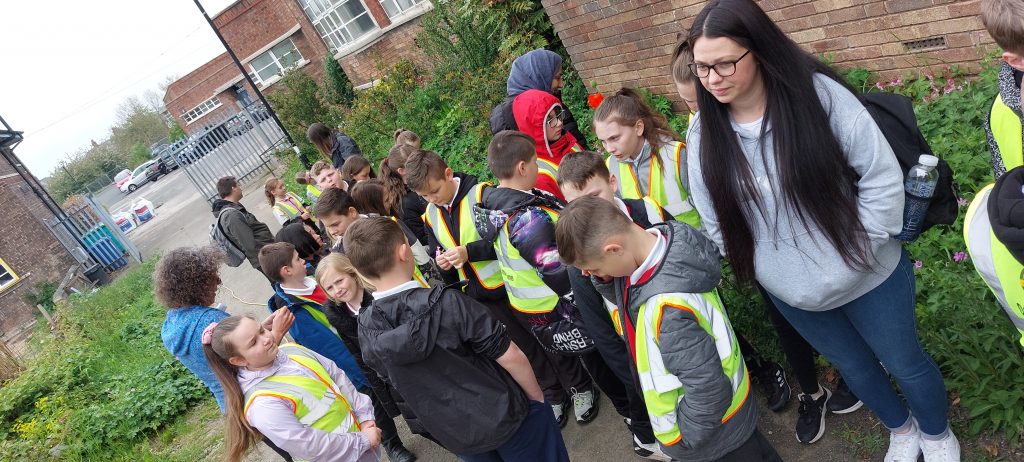
When arriving in Scotswood Gardens, we gathered in a circle in the woods. Then we discussed and created actions to the life cycle of a flowering plant.
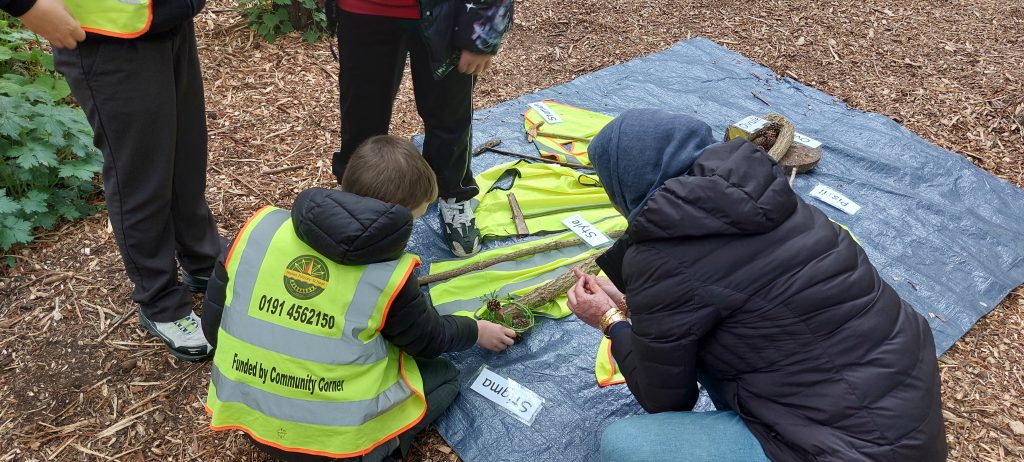
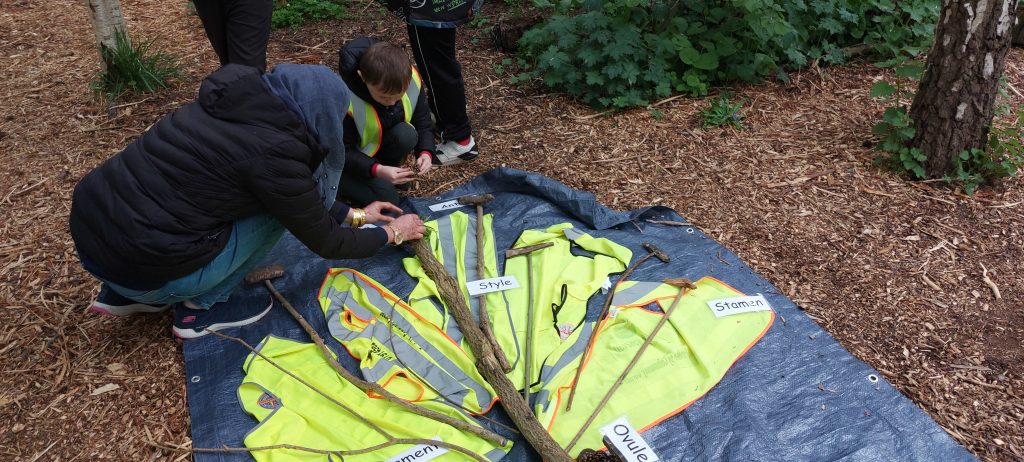
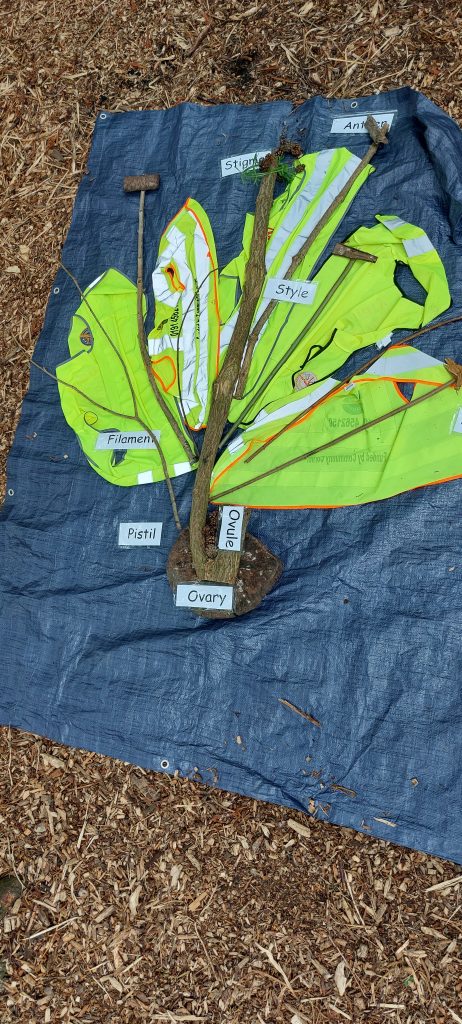
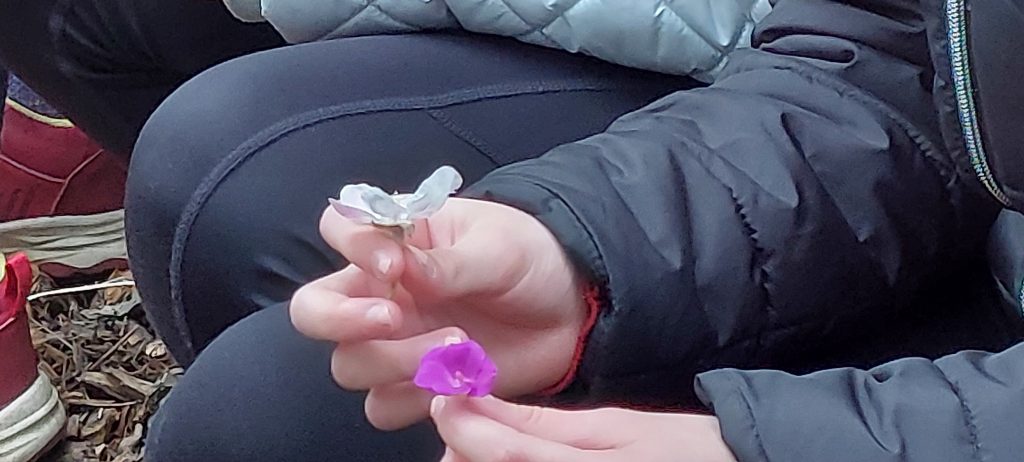
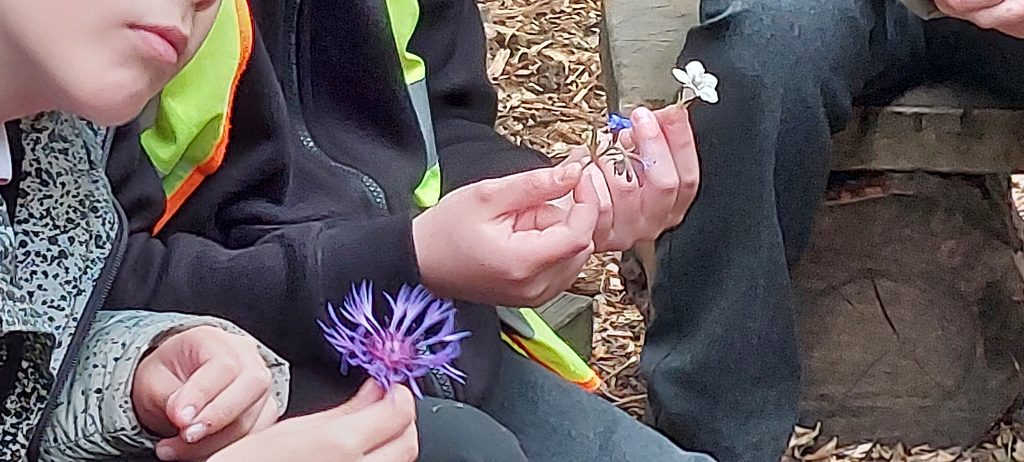
We then created a giant model of a plant and found pieces to represent the different parts of the flowering plant. After that, we looked around the gardens and found flowering plants to find the different parts on an actual plant.
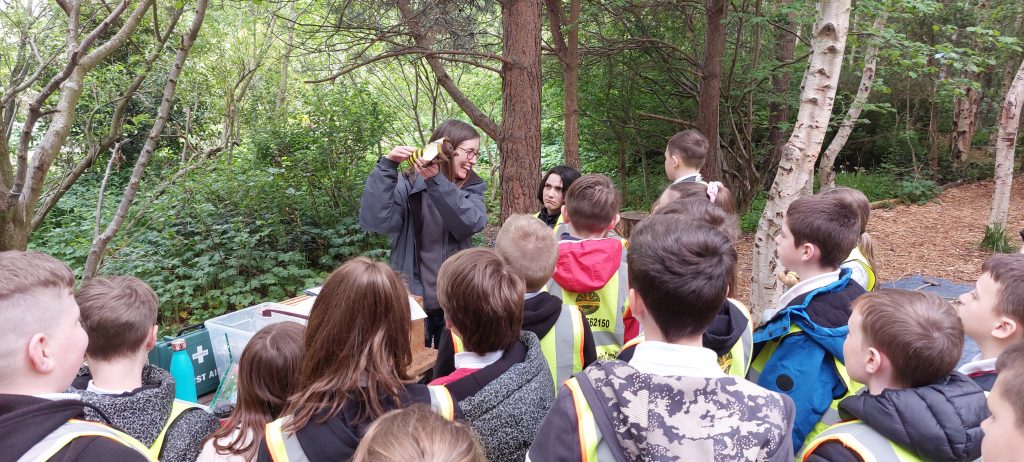
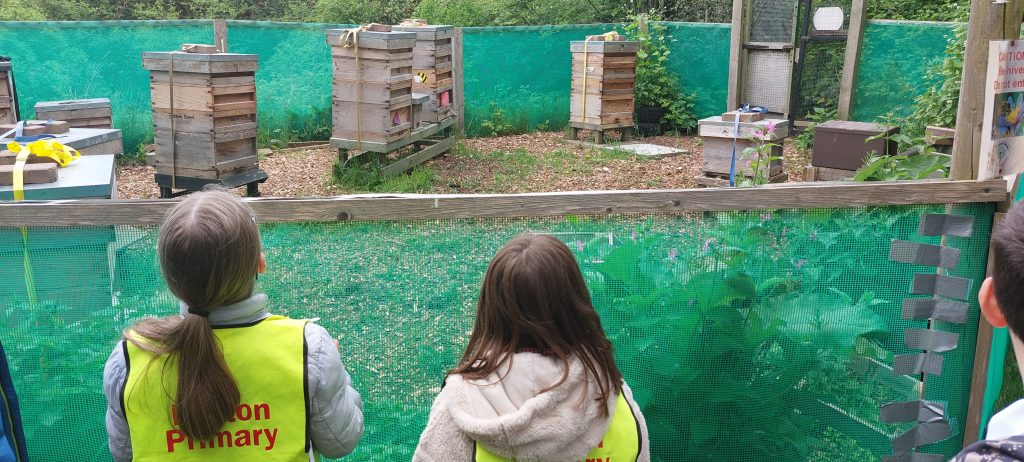
We then explored the entire gardens to collect pollen – using sticky bees on our fingers. We even found the bee hives that the gardens looks after. There was 50,000 bees in each hive, with one queen that lays 2,000 eggs a day!
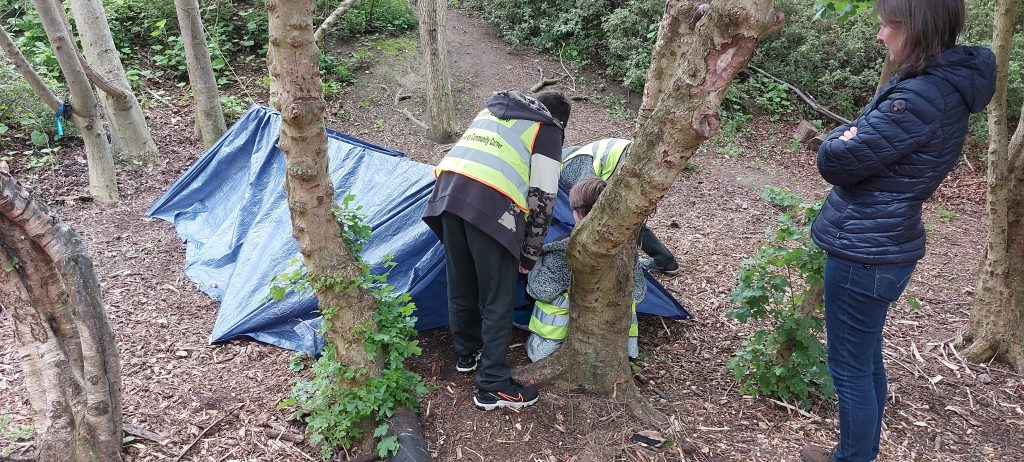
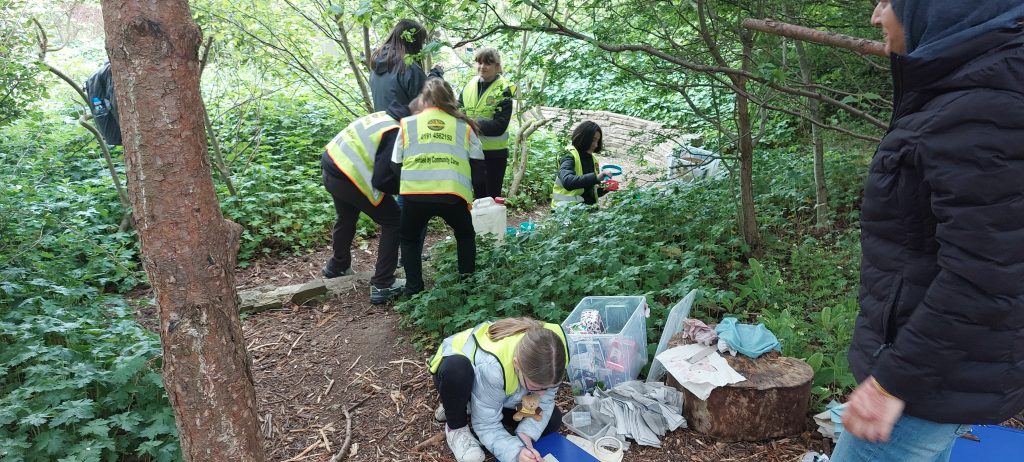
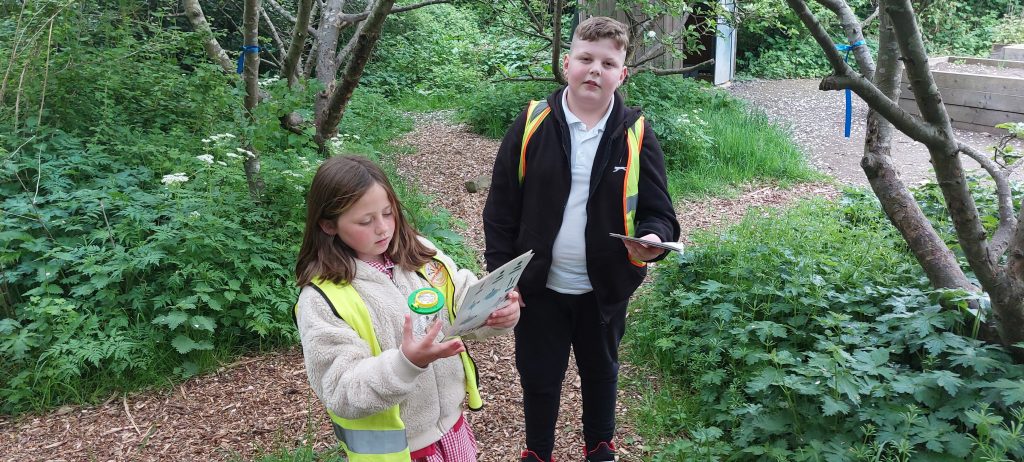
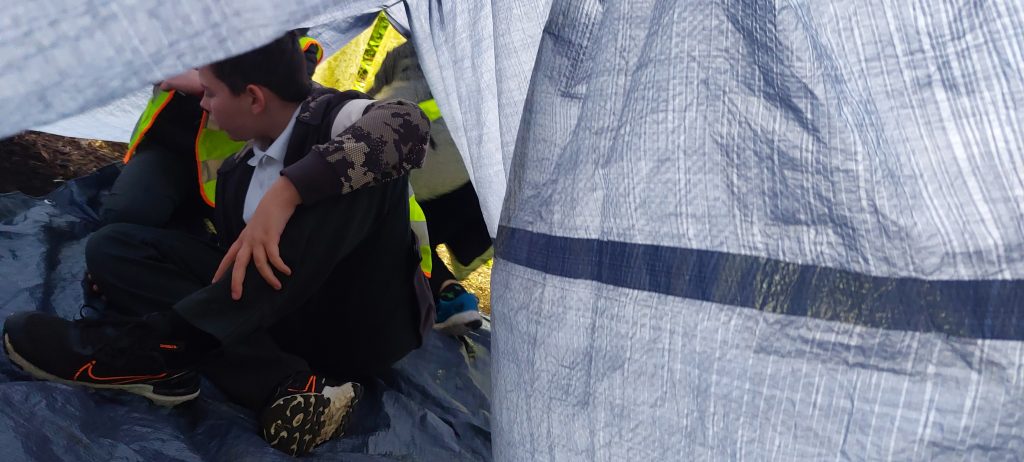
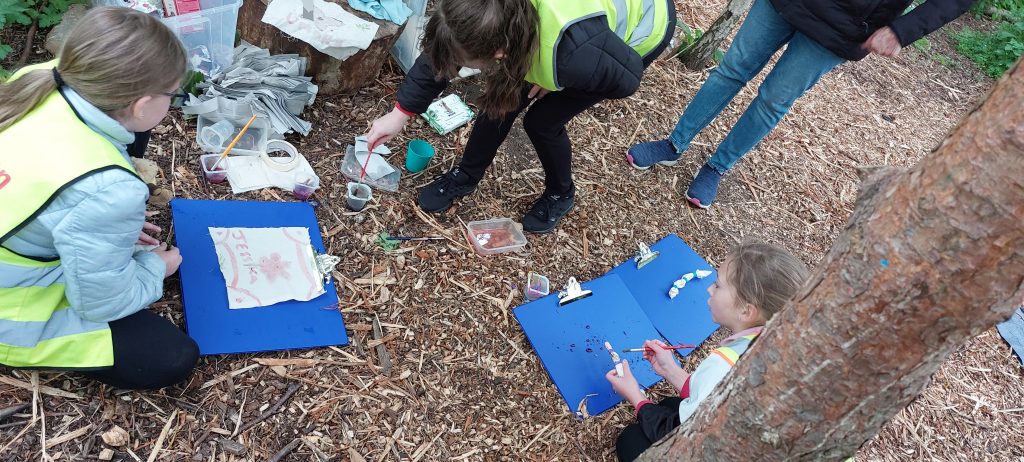
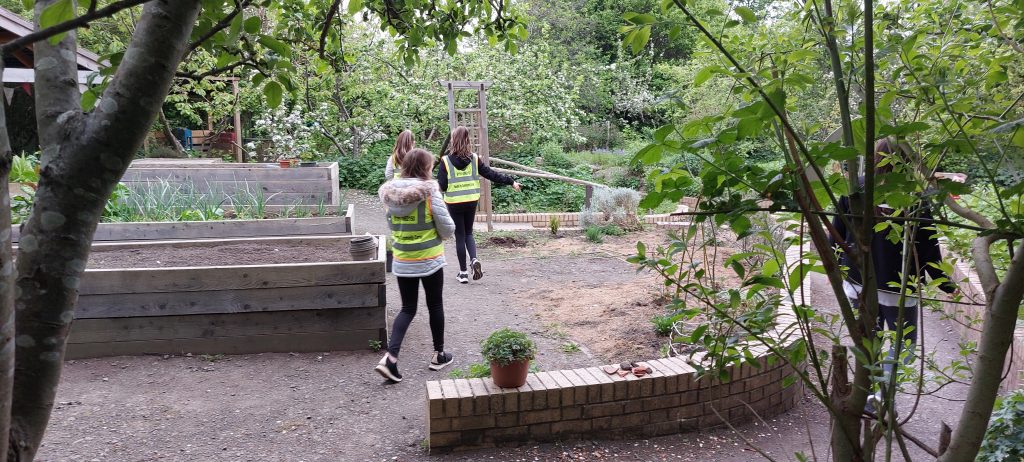
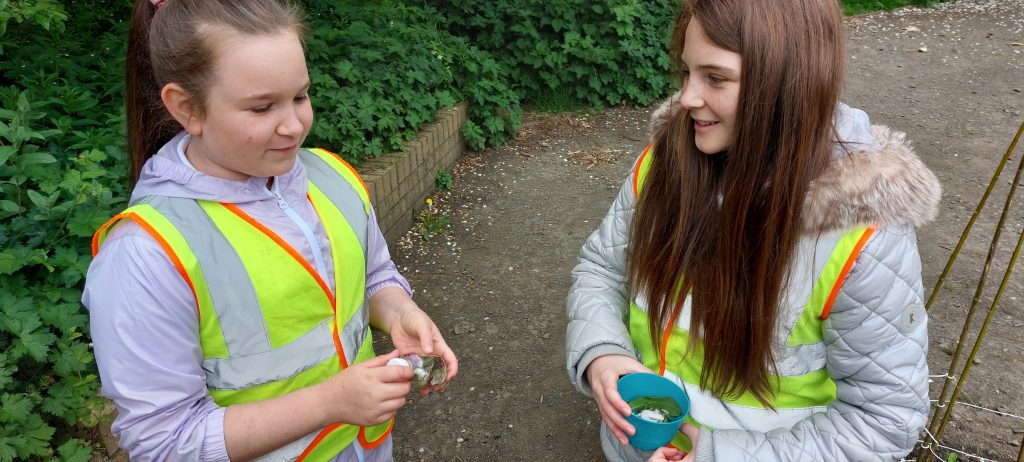
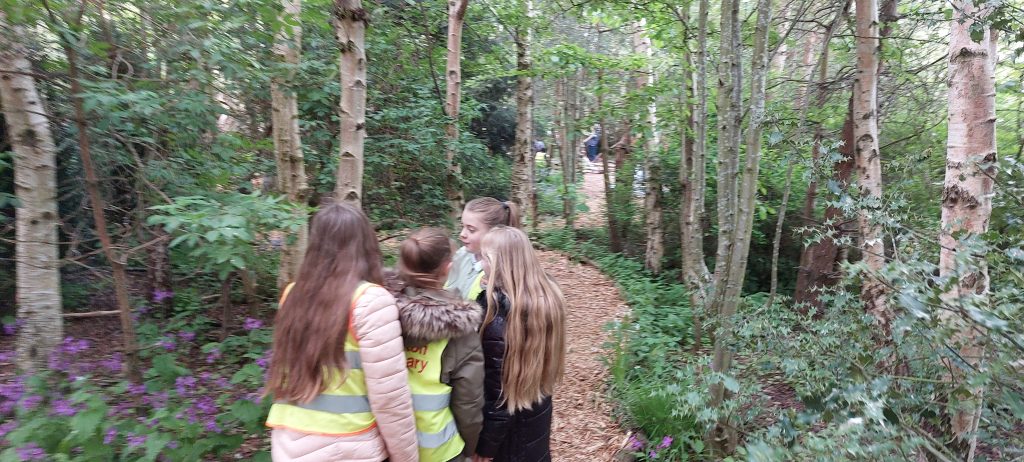
After dinner the children were allowed to explore the woods through a variety of activities, such as: den building; clay model making; potion making from the herb garden; mini-beast collecting; and making plant pots to take home a plant.
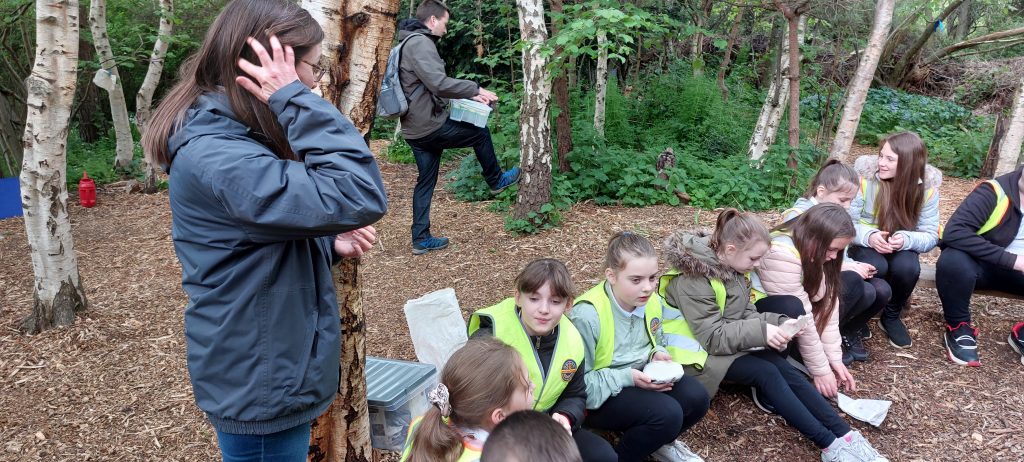
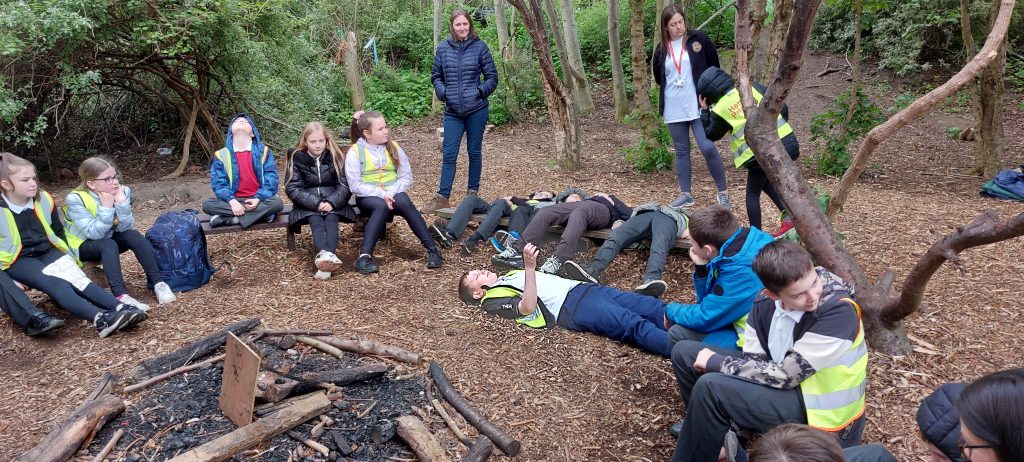
To end our day, we lay on the ground and listened to the sounds of the forest. The children said they felt ‘calm’ and ‘free’ when working in or listening to the forest.
