
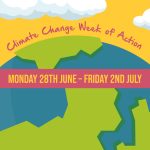
We recently received our certificate for participating in South Tyneside’s Climate Change Week of Action 2021. We’re looking forward to continuing to learn about ways to help the environment, as well as making our homes and our school more environmentally friendly.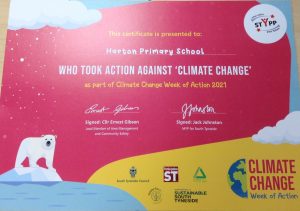

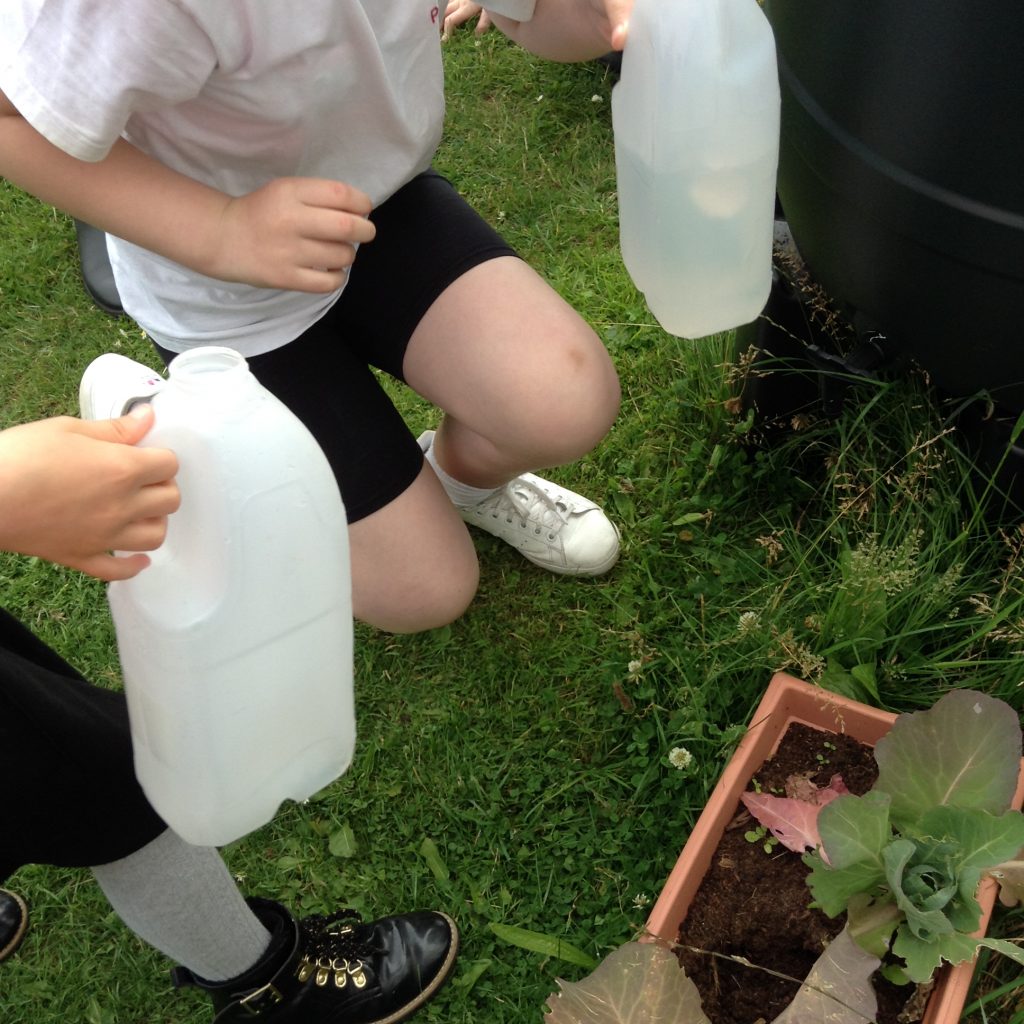
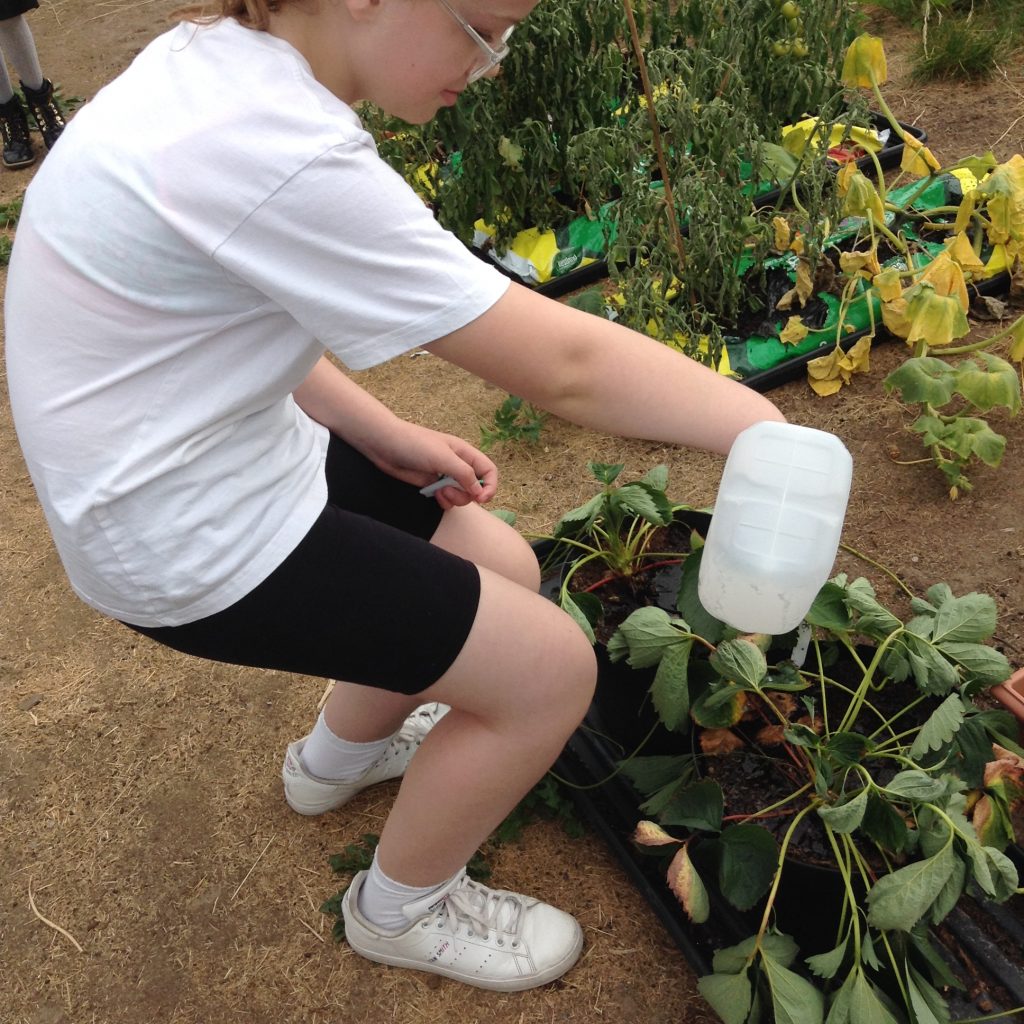
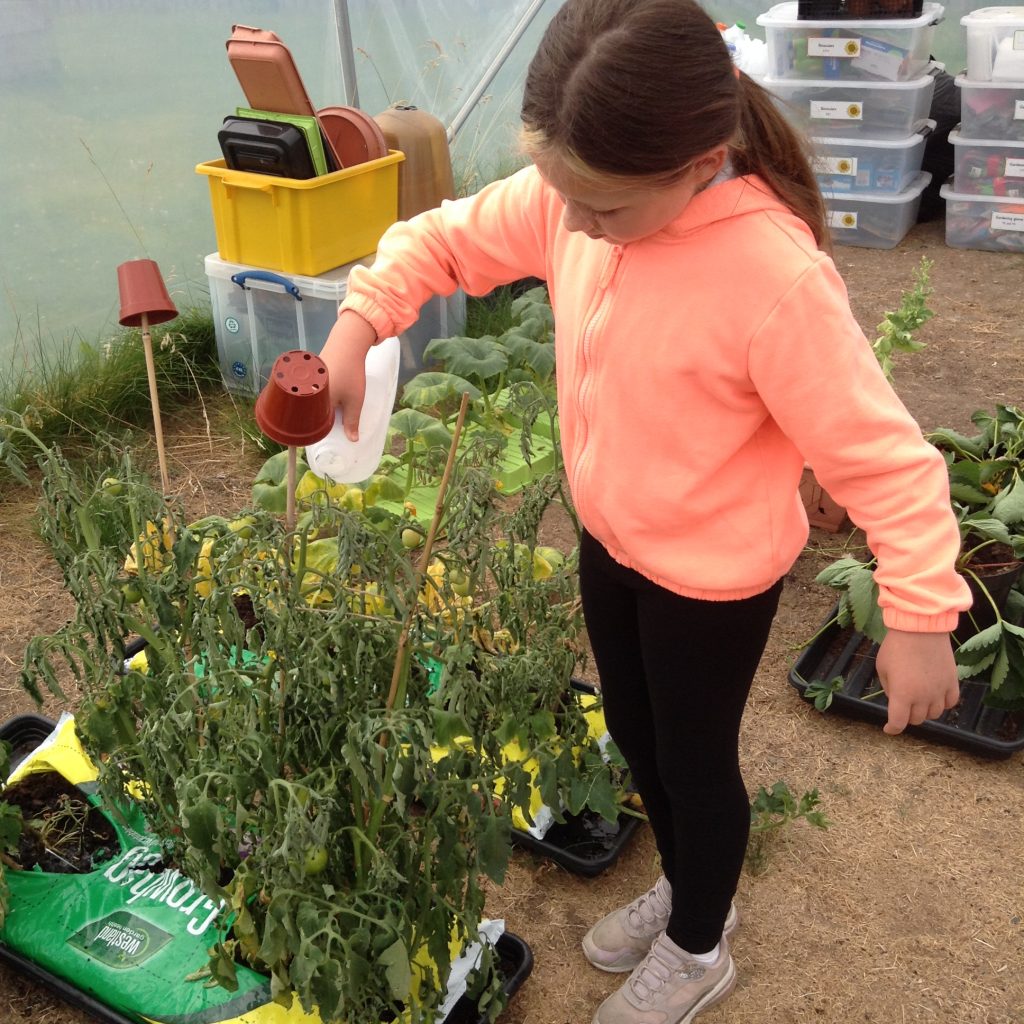
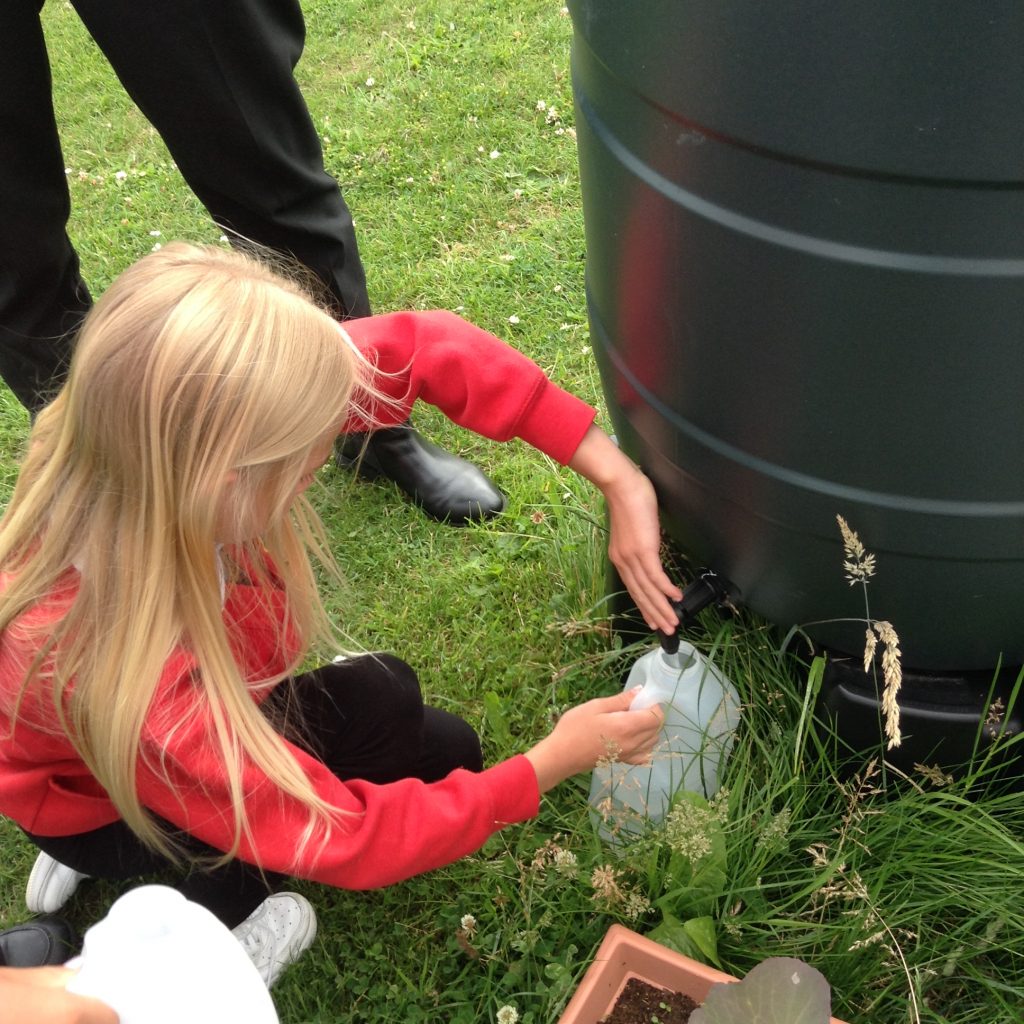
We are planting wildflower seeds to create more areas for our pollinators, and reusing water from our water butt, and milk containers as watering cans.
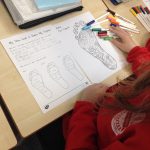
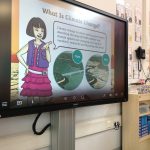
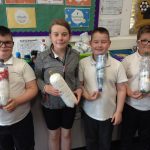
We were very excited to take part in South Tyneside’s Climate Change Week of Action last month. Children in the school started to explore positive changes we can make to reduce pollution, habitat loss and carbon emissions. Some of the children also explored renewable energy sources which help the environment. Other children made pledges to help the environment and some helped to make eco-bricks!

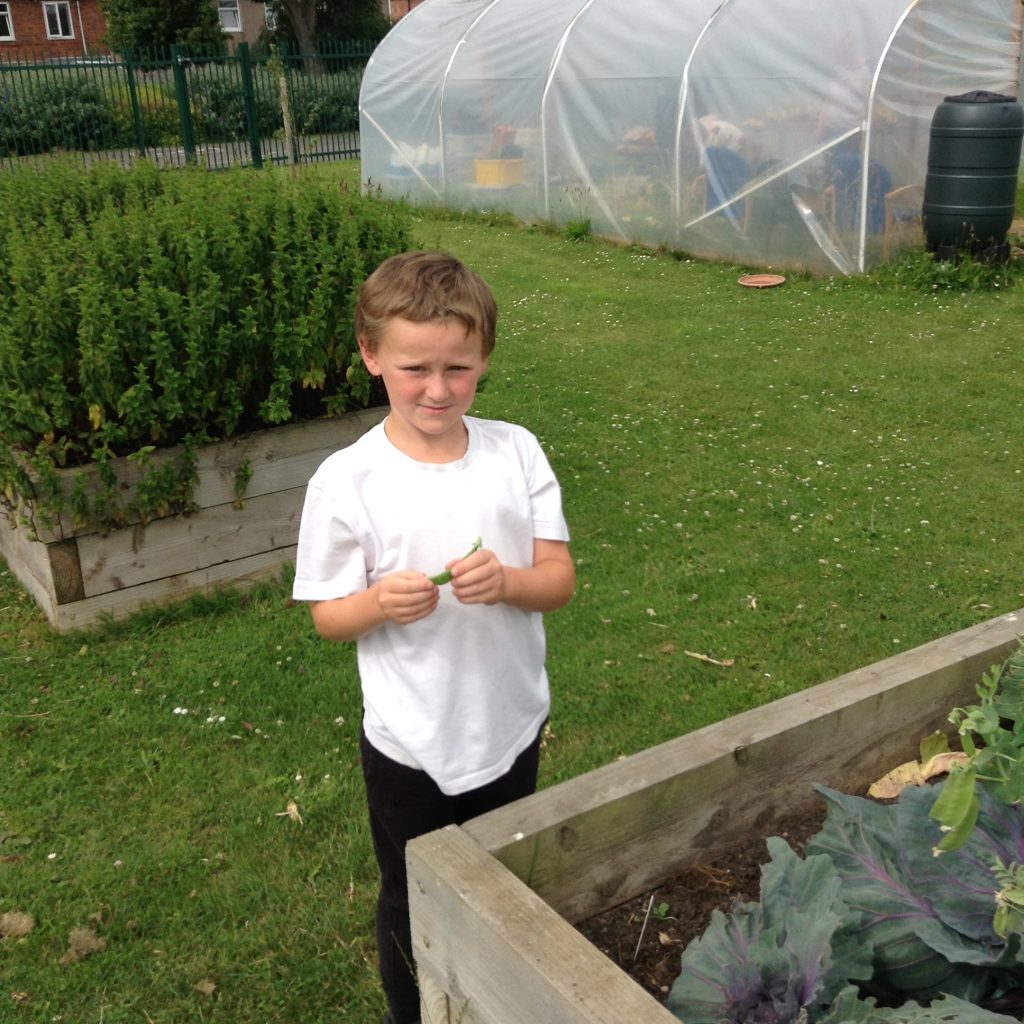
Some of our allotment club helped to pull up and pick some vegetables. They will be used by our school cook to offer tasters to pupils. It’s good to find out where our food comes from.
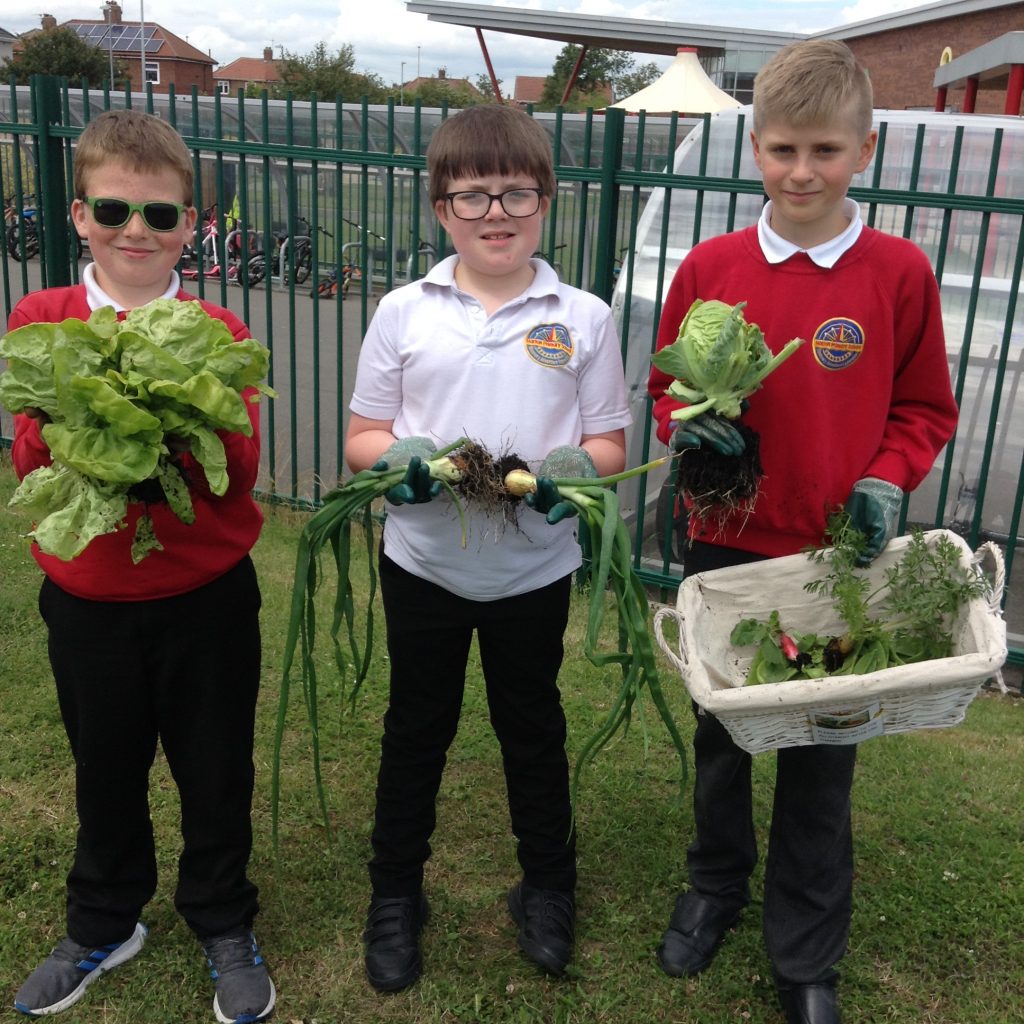
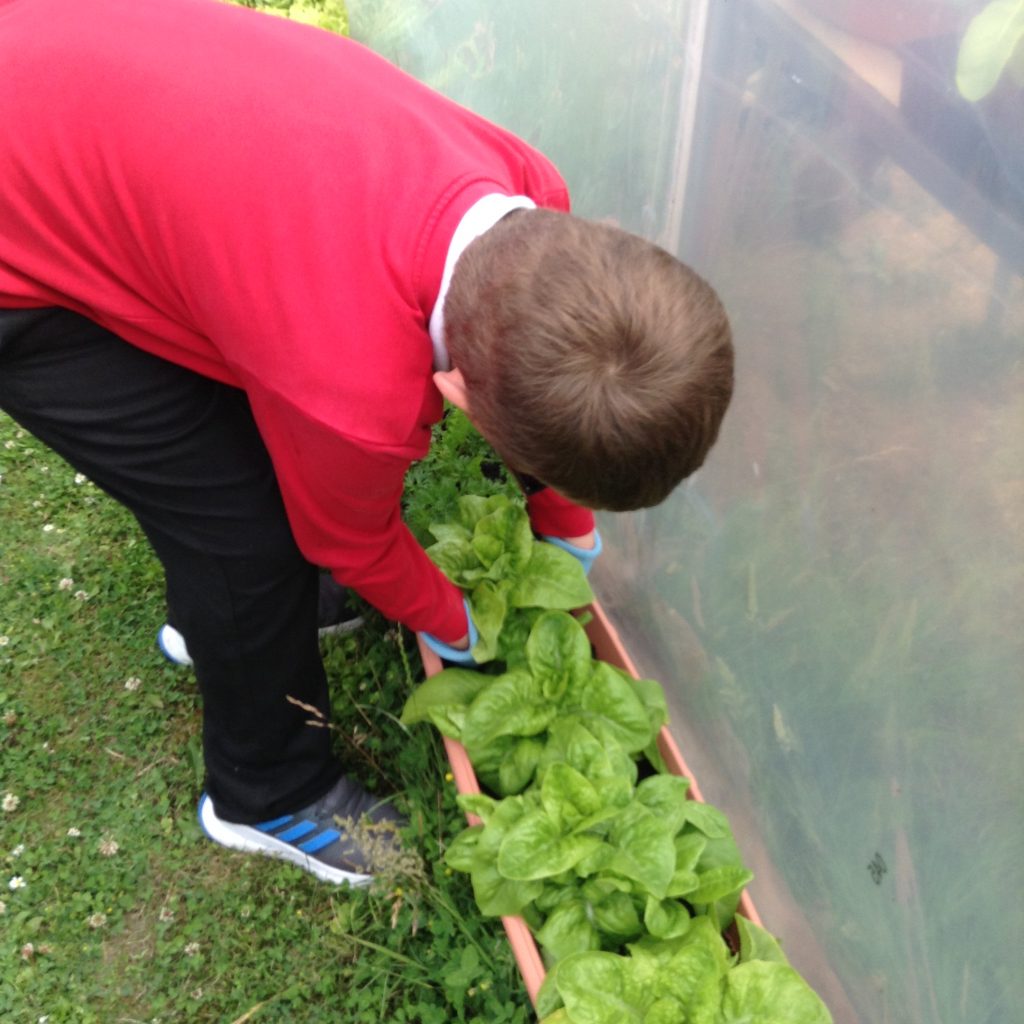
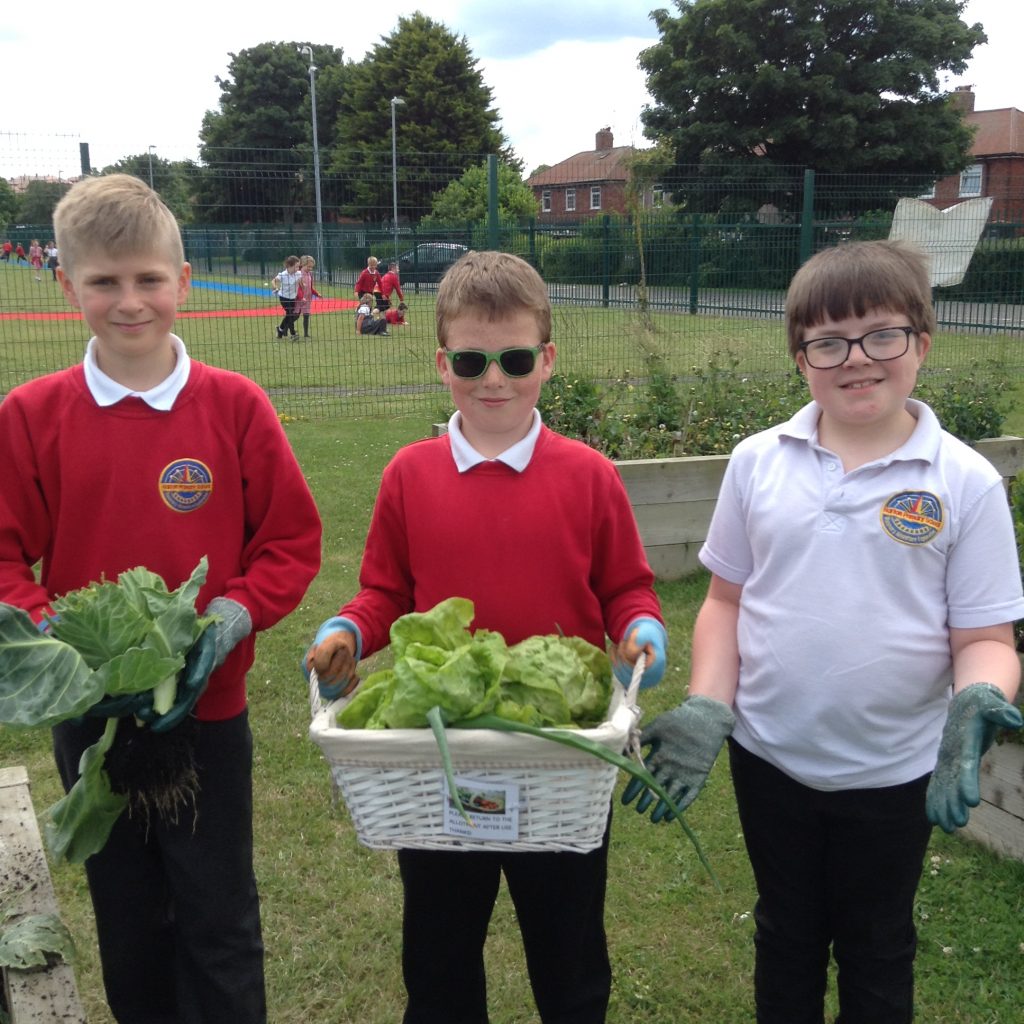
This week Year 3 visited our allotment- it was lovely to see all the fruit and vegetables that we have planted finally grow. We helped pick out the lettuce, cabbage, strawberries, radishes, carrots and onions! We then returned to class to try out all of the tummy vegetables- we thoroughly enjoyed our tasting session and our favourite vegetable was the radishes. We can’t wait to return!

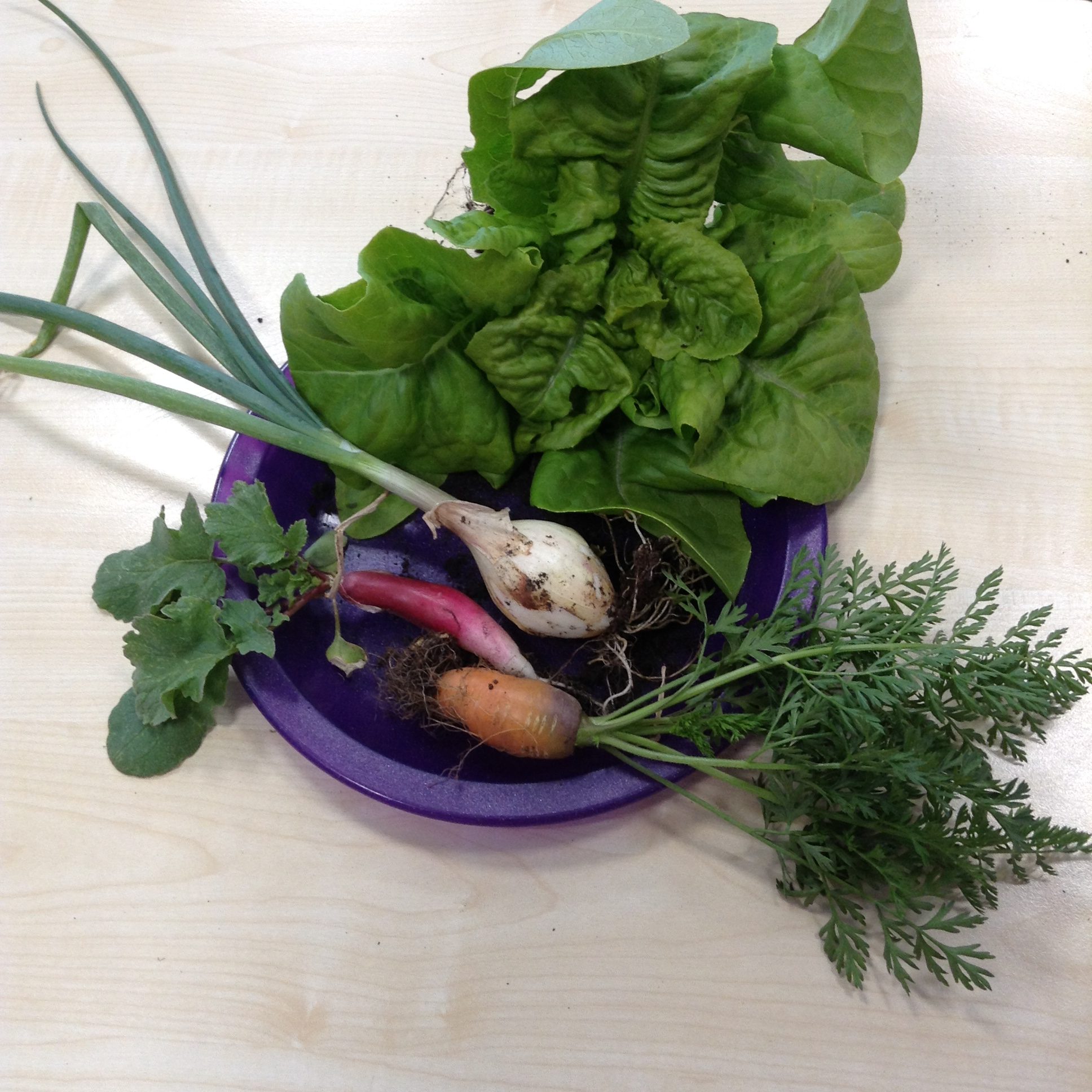
Our salad vegetables are ready in the allotment and have just been picked!
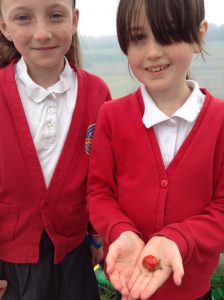
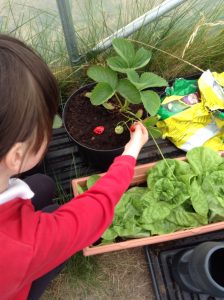
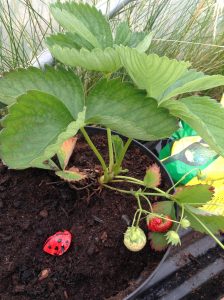
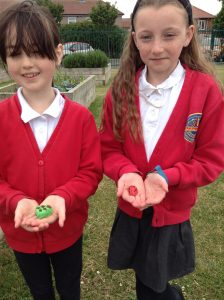
We are celebrating the fact that we have our first strawberries in the allotment and that the ladybirds have returned to the mint plants. One of our pupils made some decorative clay sculptures to show this.
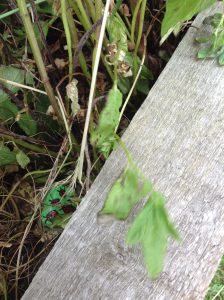
Allotment Club chose different varieties of sunflowers to grow – Giant sunflowers, Autumn Sunflowers, and Purple Sunflowers.
When the flowers have withered away, the head of the sunflower will make a great snack for the birds.
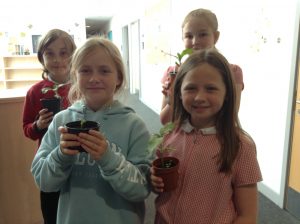
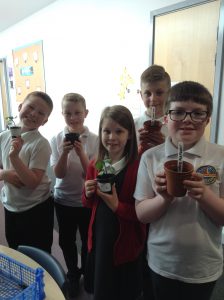
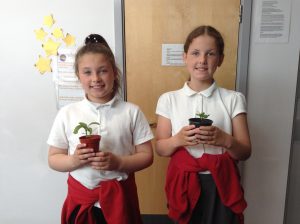
It’s fun using the allotment as a setting for our work!
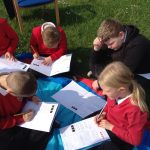
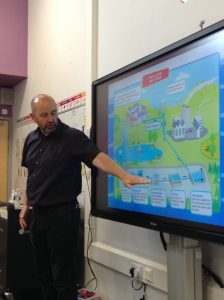
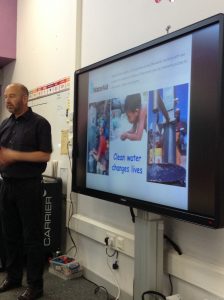
As part of Year 4’s Geography topic about Water this half term, our classes were visited by Mr Robson, a civil engineer.
We found out why water from lakes and reservoirs needs to be treated before it can be used for drinking, and the processes it must go through in a water treatment works. Talking about water for health was very interesting to us, and we also discussed how things like wipes or fatty liquids should not be flushed down the toilet or kitchen sink. We now know that chlorine is added at the chlorination stage to disinfect the water as it travels through pipes, and that we are drinking the same water that the dinosaurs drank, because of the water cycle!
