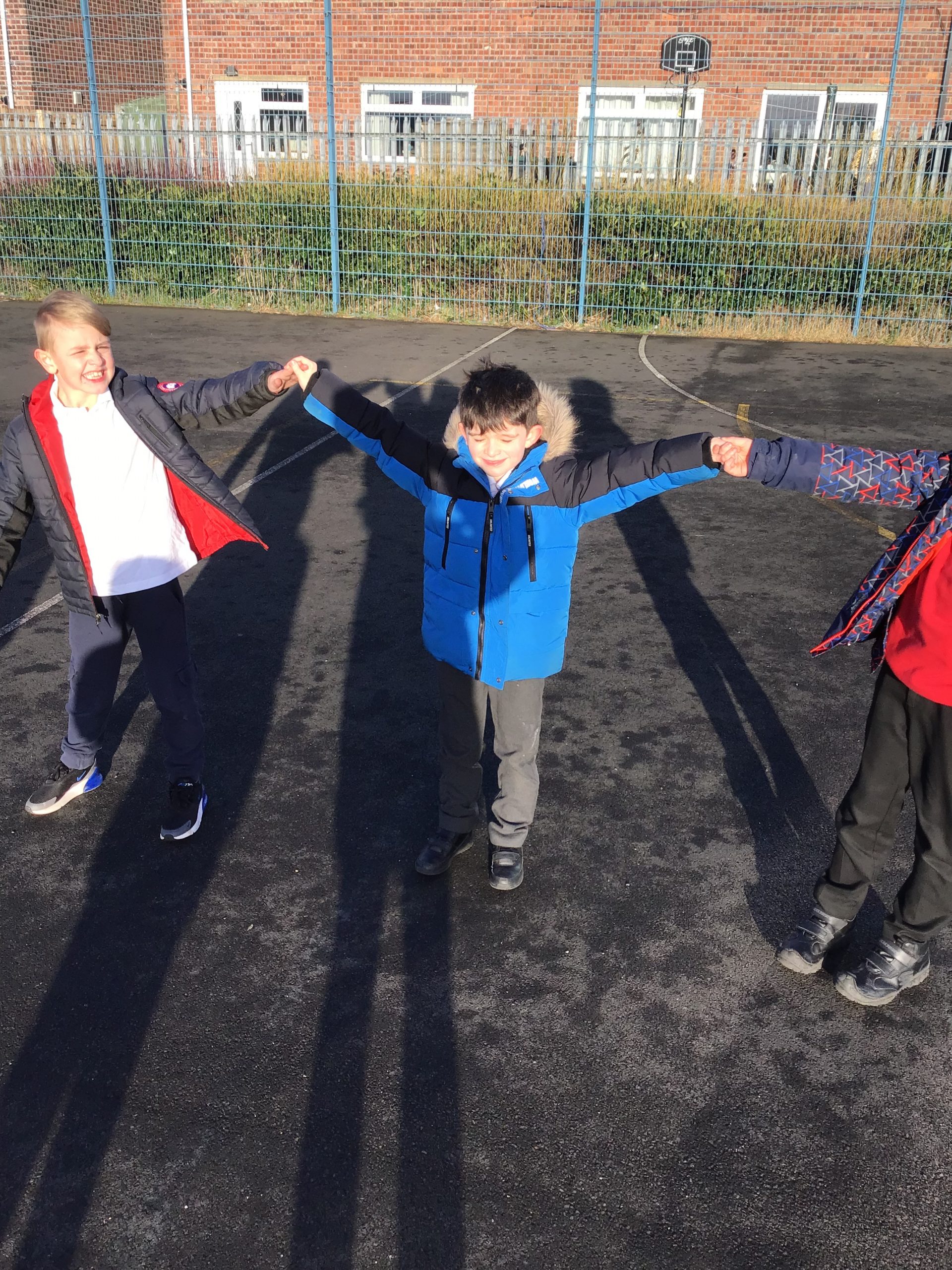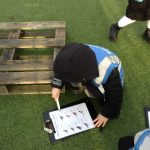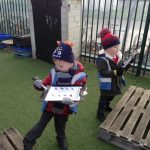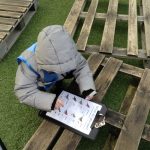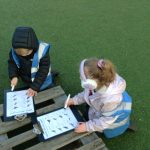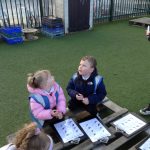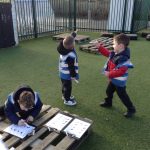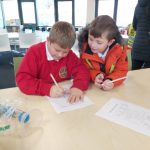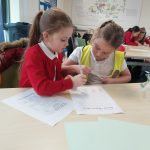
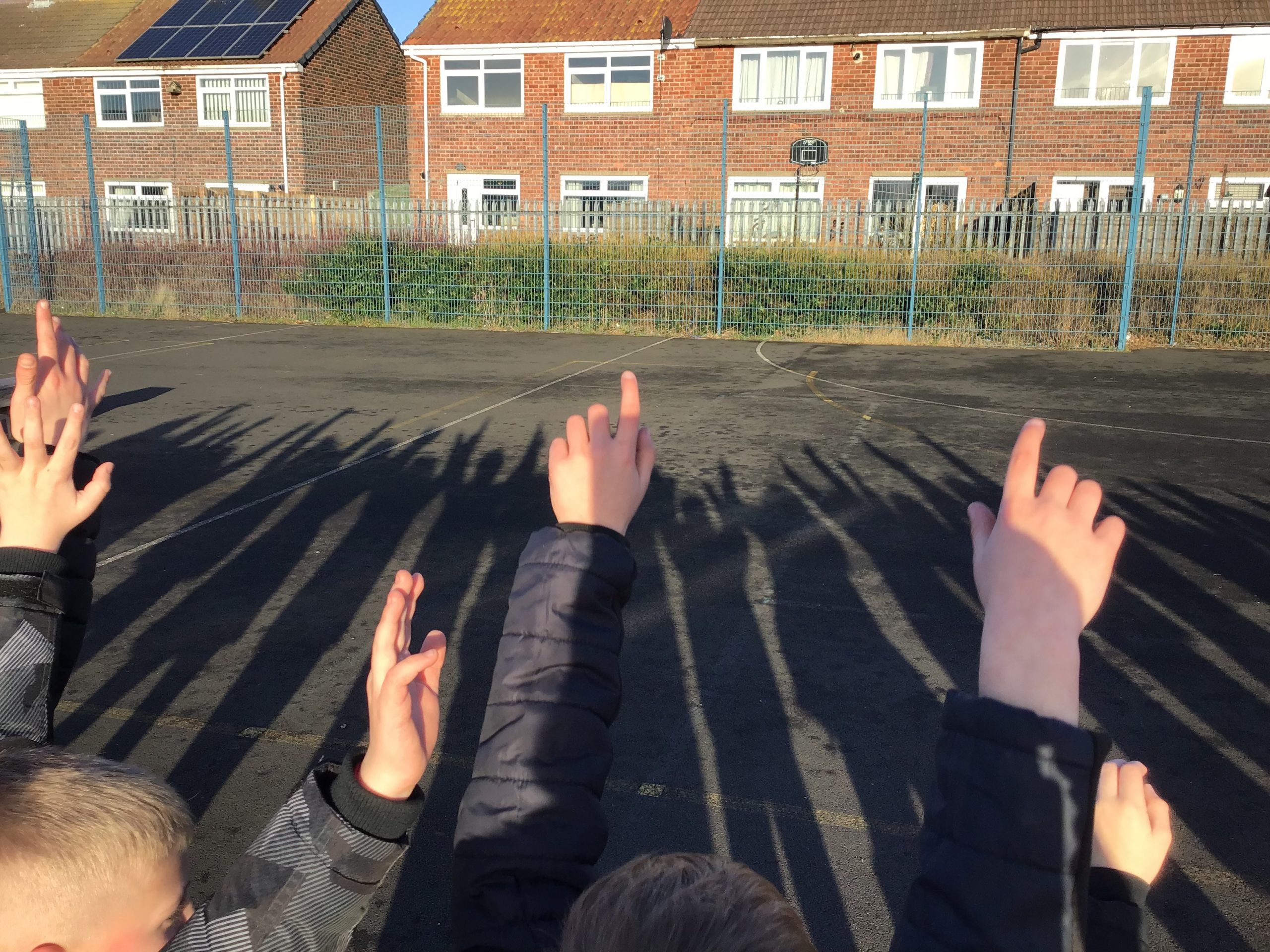
In partners, we investigated how shadows behave. We used the playground to move around in different ways to see how our shadows change size. We noticed that the closer we moved towards the light source, the bigger our shadow became. This is because our body was blocking more of the light. As we moved further away from the light source, the smaller our shadow became. This is because our body was blocking less of the light.
This week we have been taking part in the Big Schools’ Birdwatch. The children looked for birds in our Nursery garden and recorded them on ten frames.
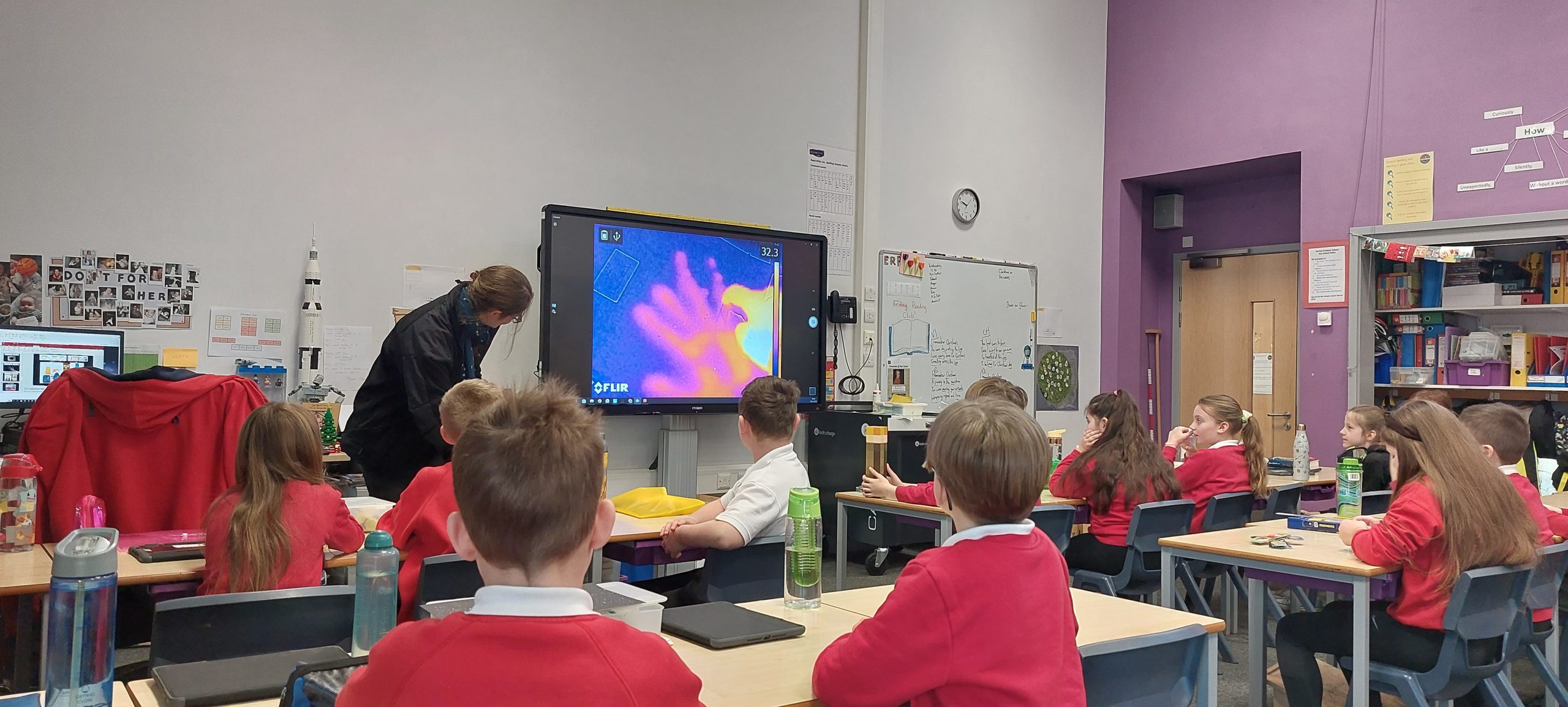
To round off our work on Earth, Sun and Moon, we had a visit from Kielder Observatory.
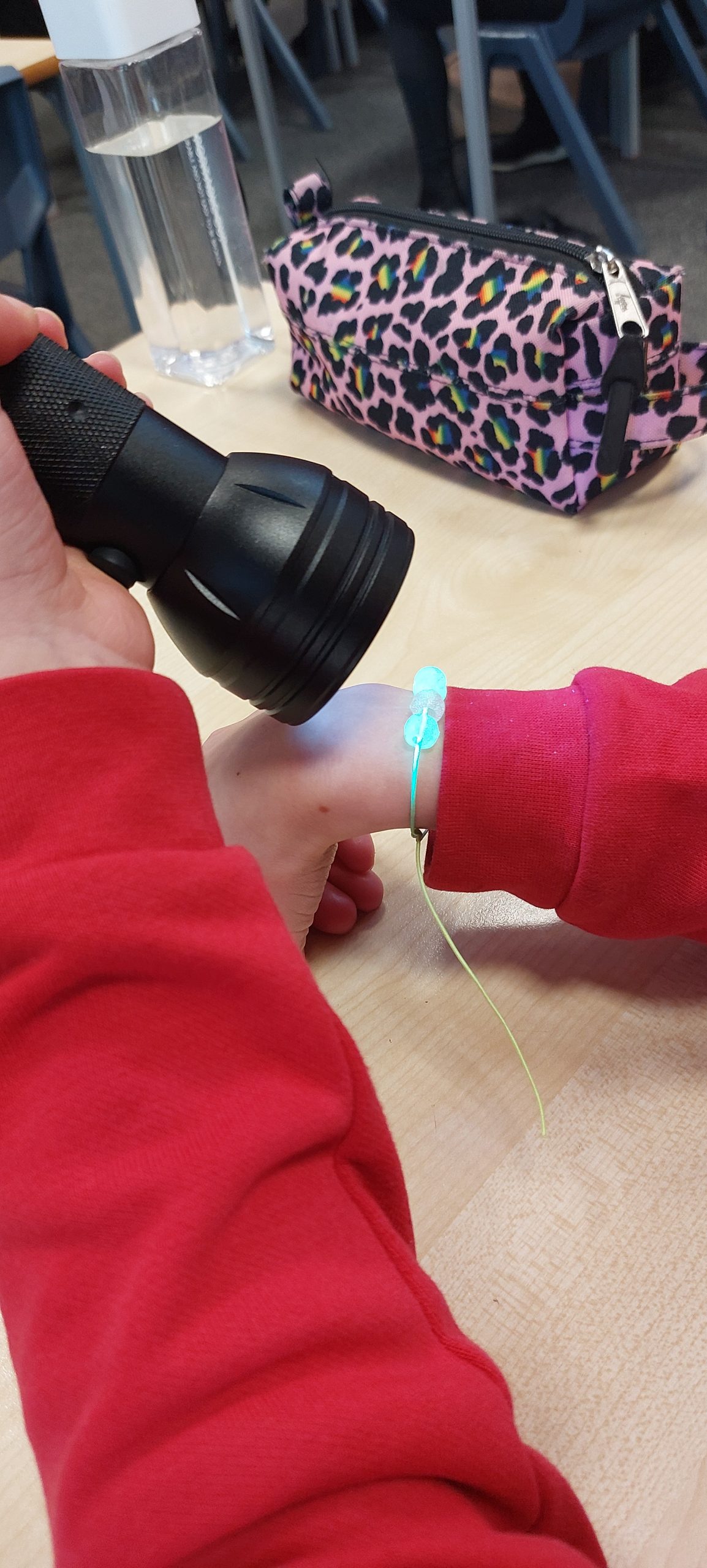
We looked discussed the different types of light and created UV bracelets.
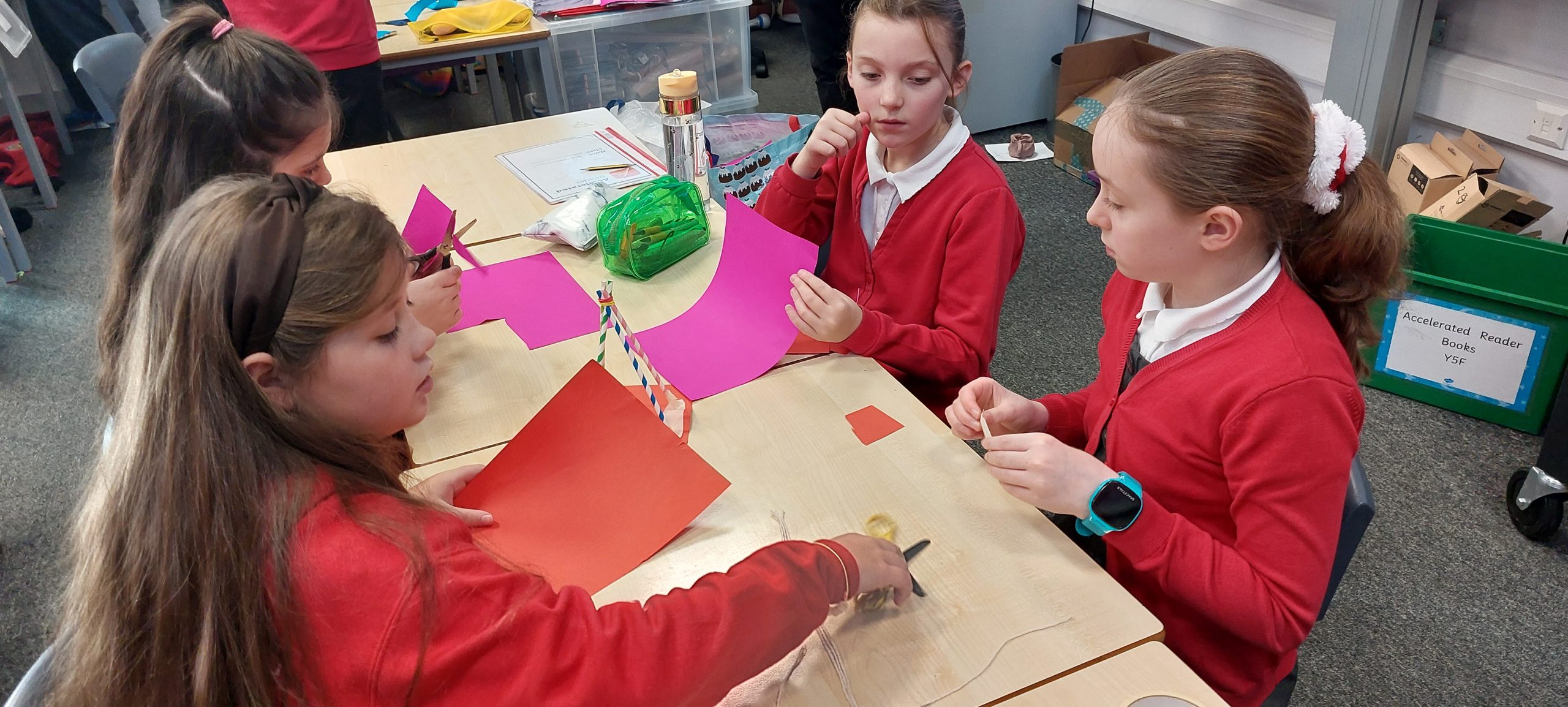
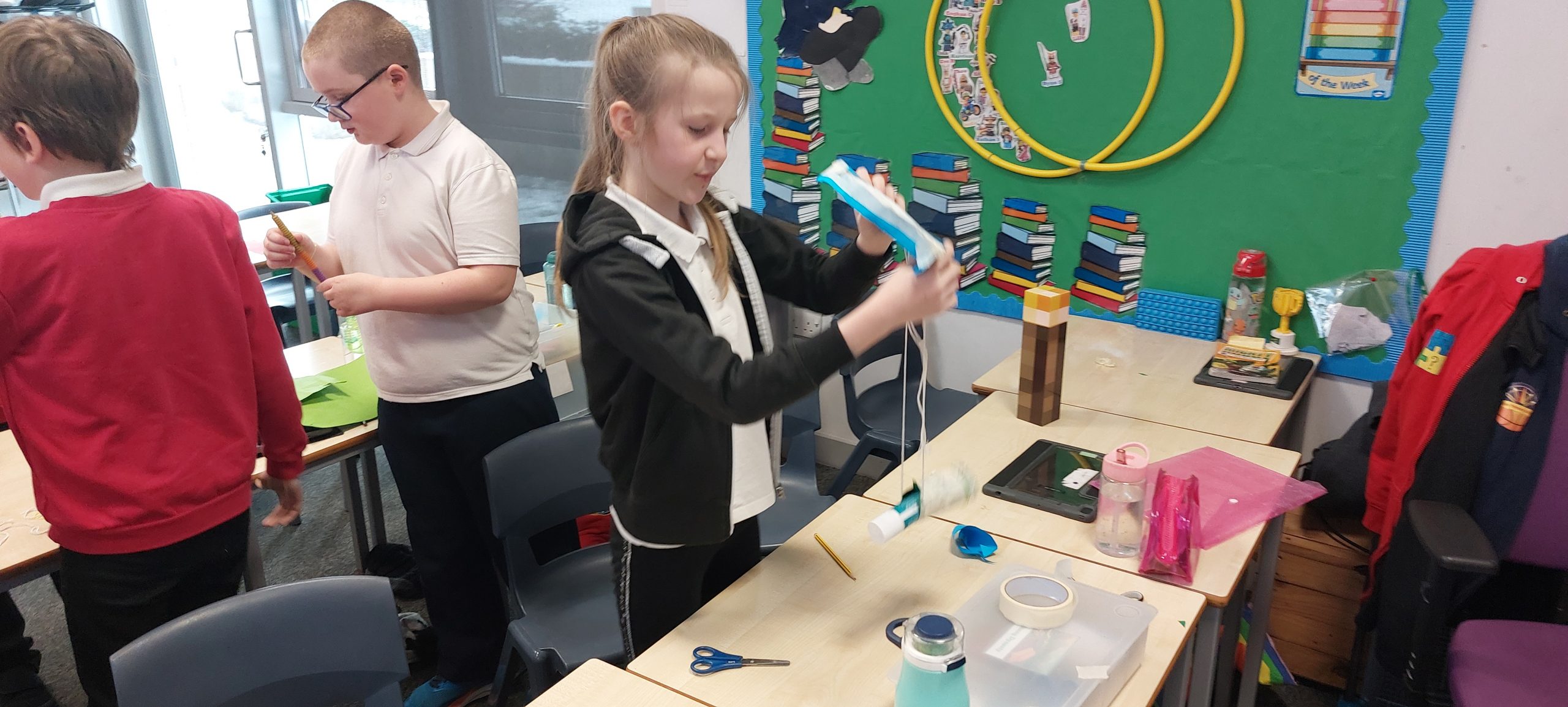
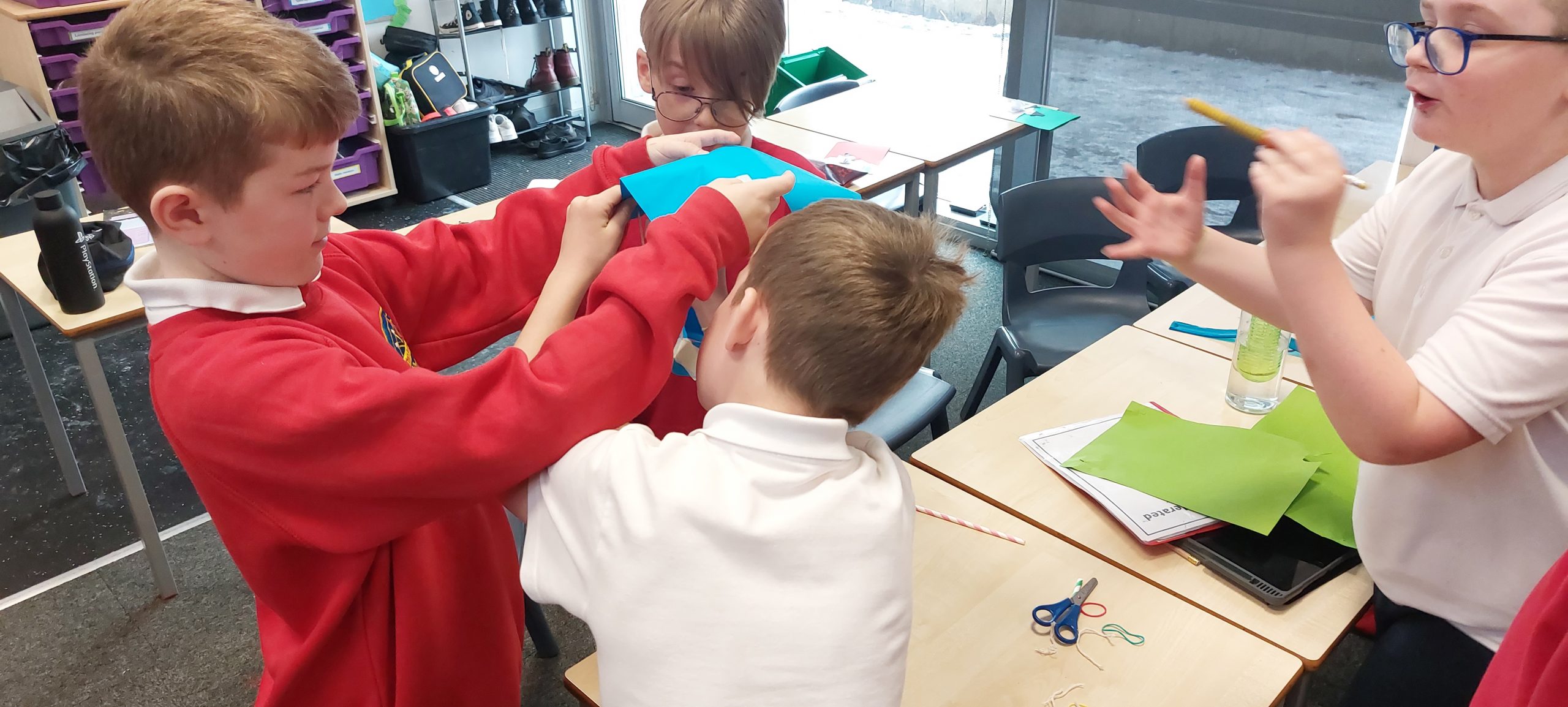
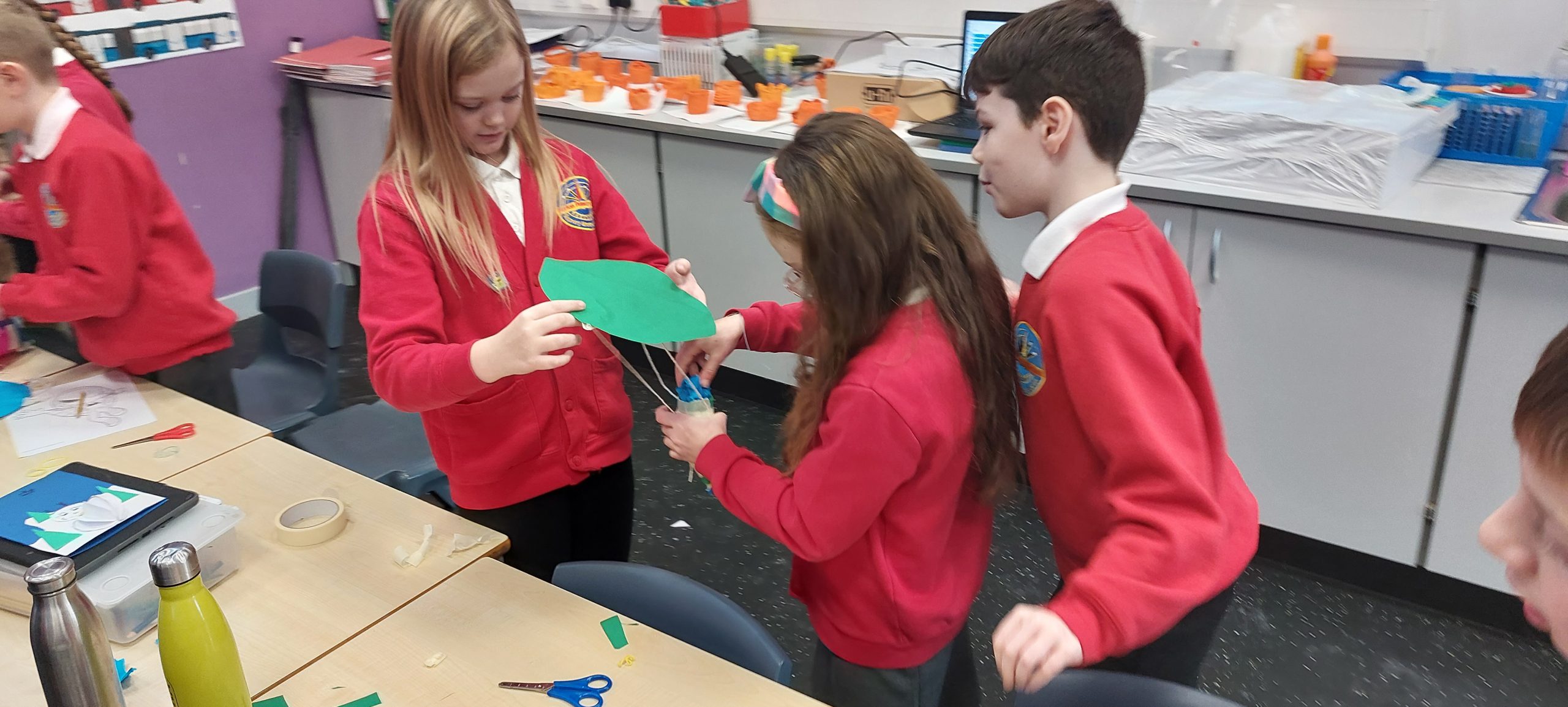
We then had to create landers to safely transport an egg to the ground – similar to the space capsule.
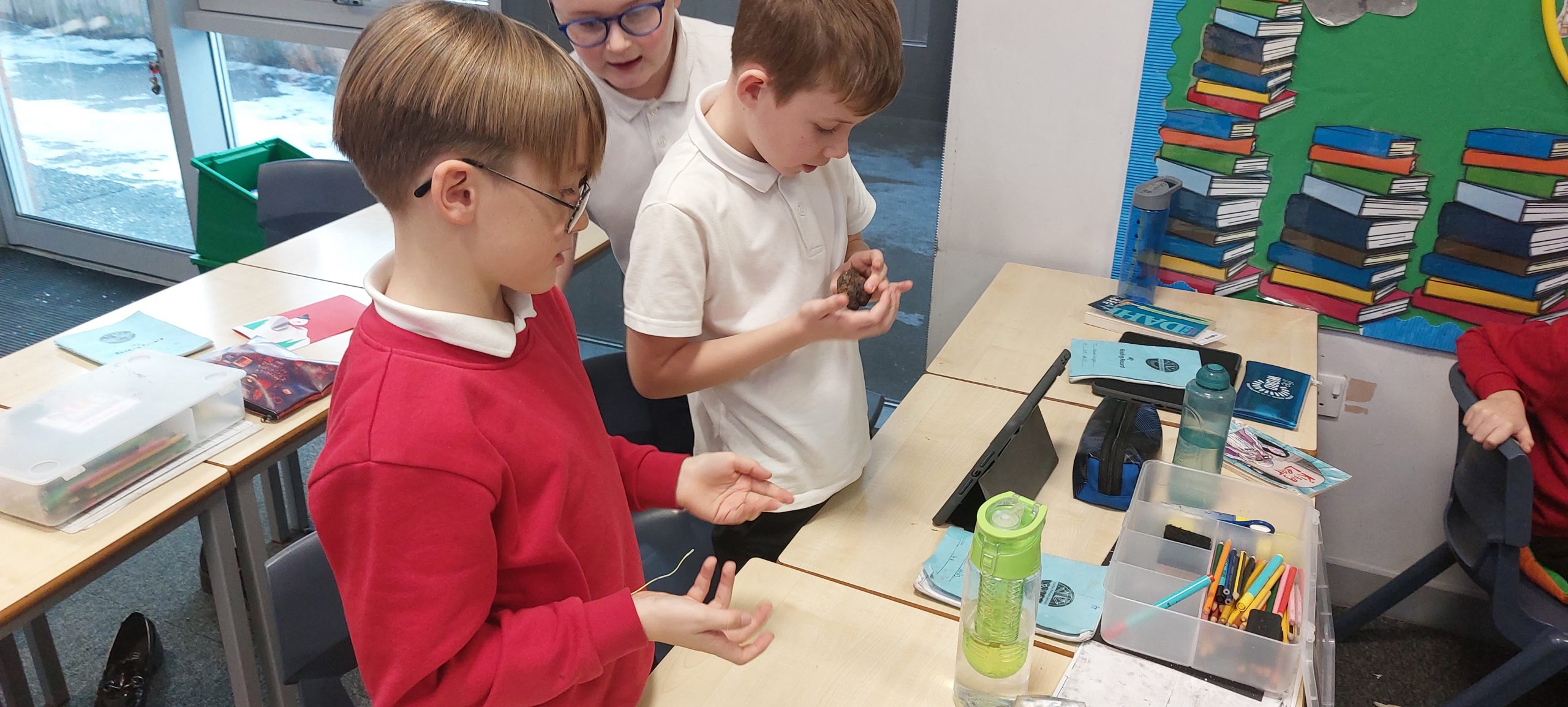
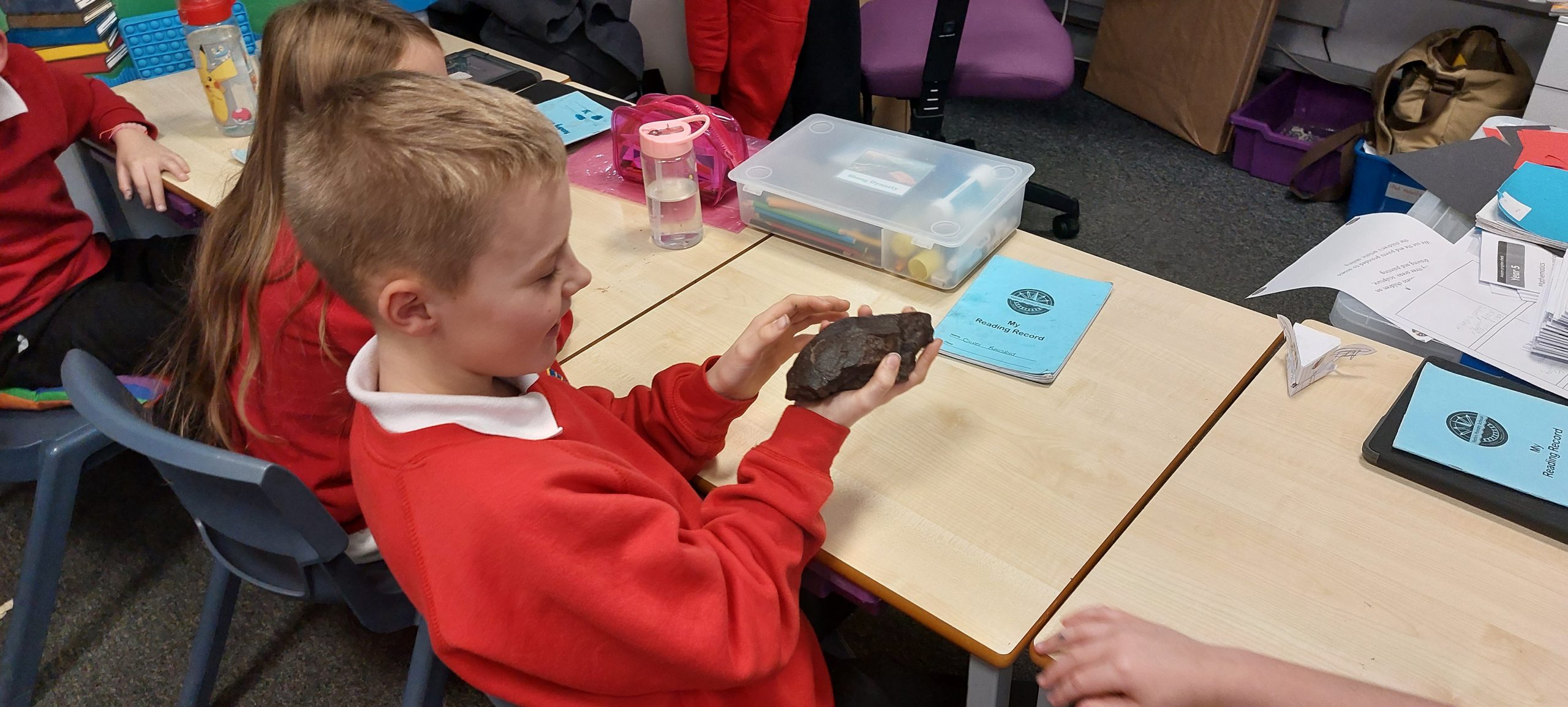
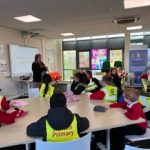
To start the afternoon, we worked together to order the planets correctly, before examining different types of rock – including rocks, some that were once asteroids and even rocks from the moon.
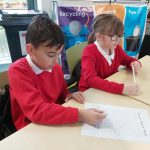
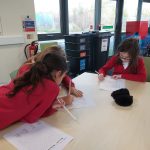
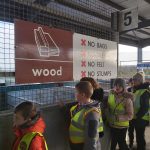
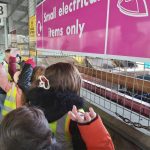
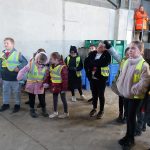
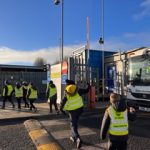
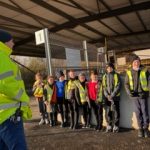
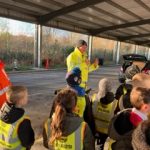
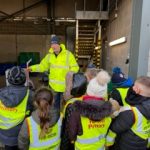
Year 4 loved their visit to Wrekenton Waste and Recycle Centre. We explored the site and gained a greater understanding of how different materials are reused or recycled. We were also fascinated to learn about the Energy From Waste plant at Teeside. During our trip, we discussed what each of our different coloured bins were for and we even brought a battery bin to school. It’s important that we dispose of batteries properly and they should never be put in household waste. We also used our science knowledge to sort different materials at the centre into solids, liquids and gases.
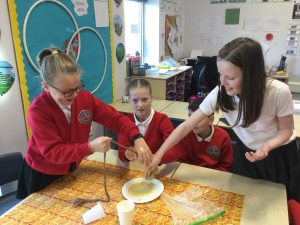
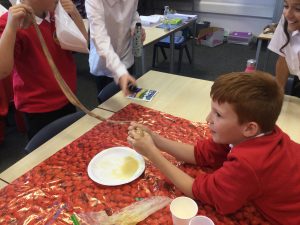
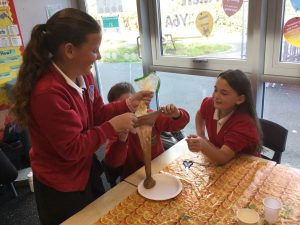
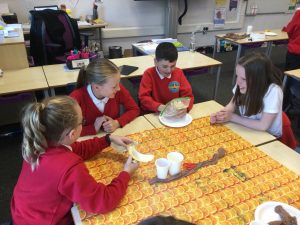
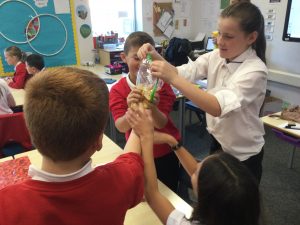
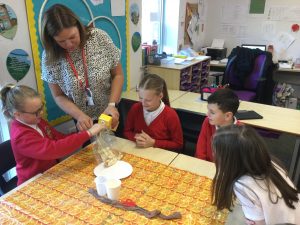
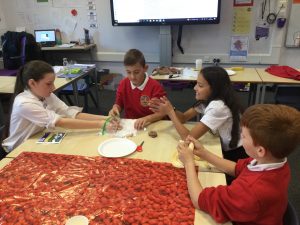
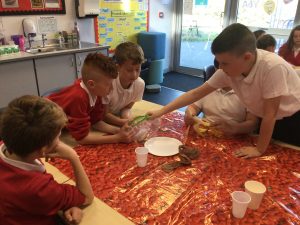
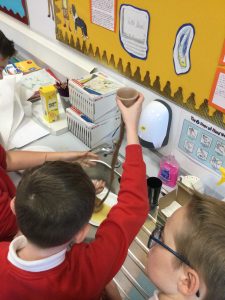
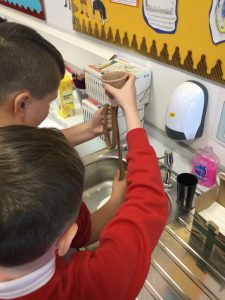
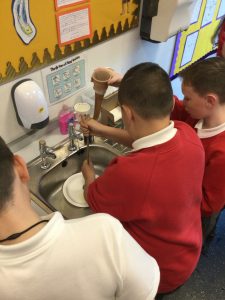
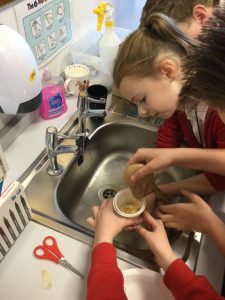
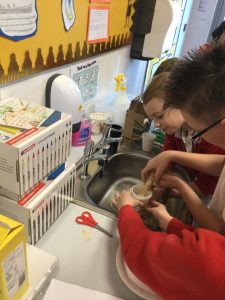
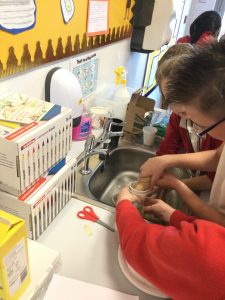
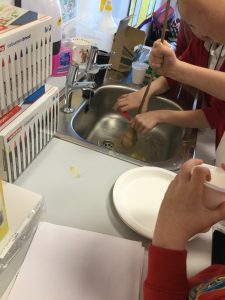
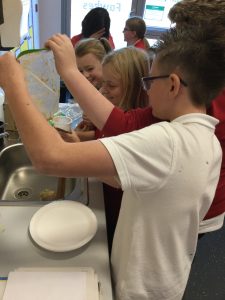
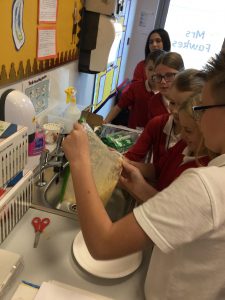
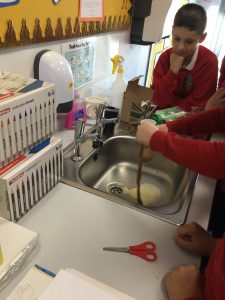
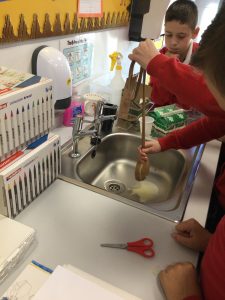
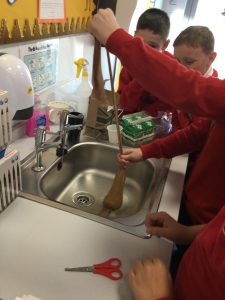
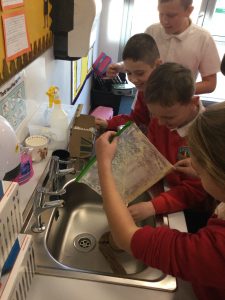
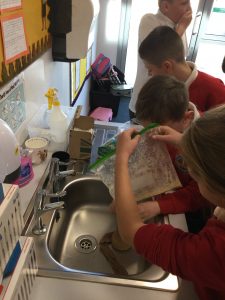
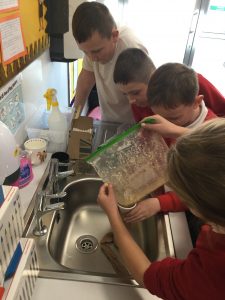
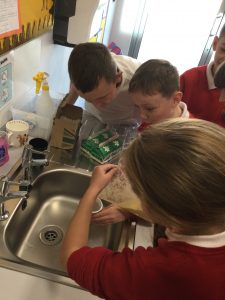
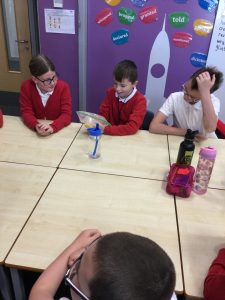
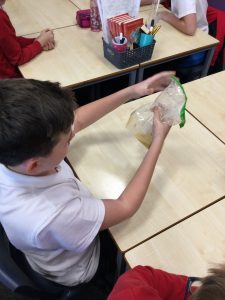
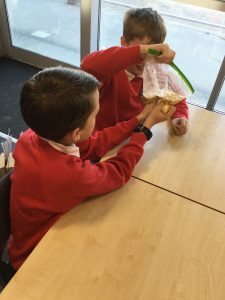
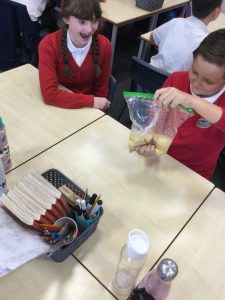
In Year 6 we have been learning all about the human body this half term as part of our unit of work Animals including Humans. We carried out an experiment to examine how the digestive system worked. A bag was used to represent the stomach which was then filled with a banana and some biscuits. Orange juice was then added to represent the acid in our stomachs and the children had a go at mushing it all up, just like the muscles in our stomach would do. We then passed this through a pair of tights which represented our intestines and looked at how the nutrients would be absorbed into the bloodstream. It was a bit messy but the children really enjoyed it.
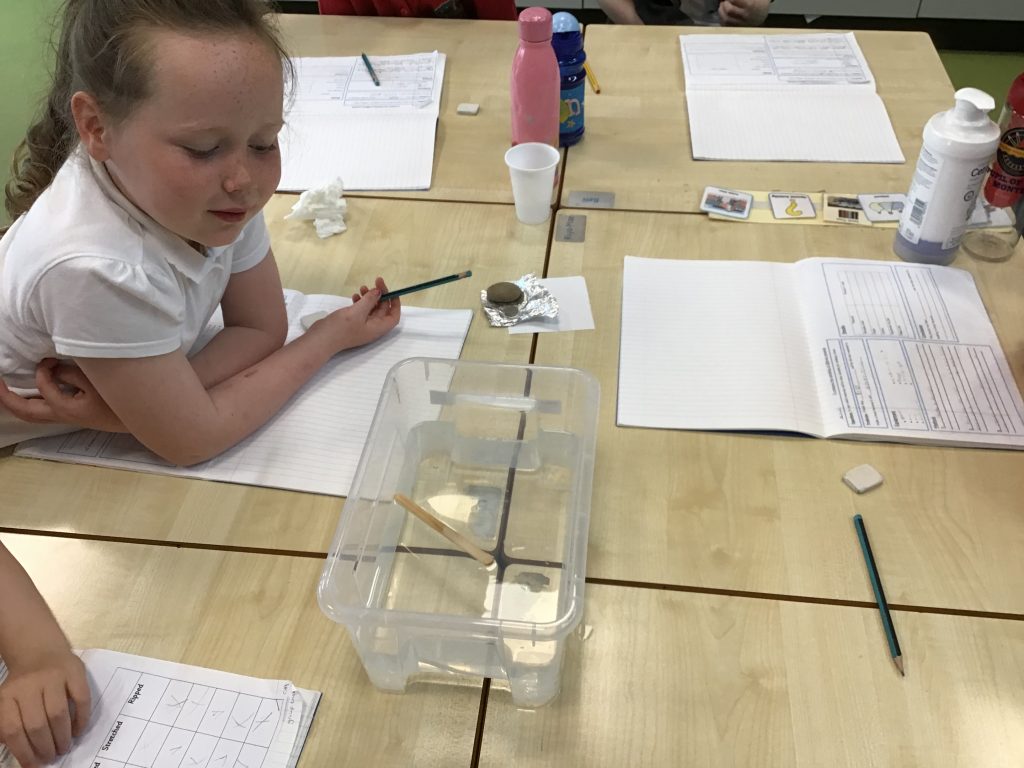
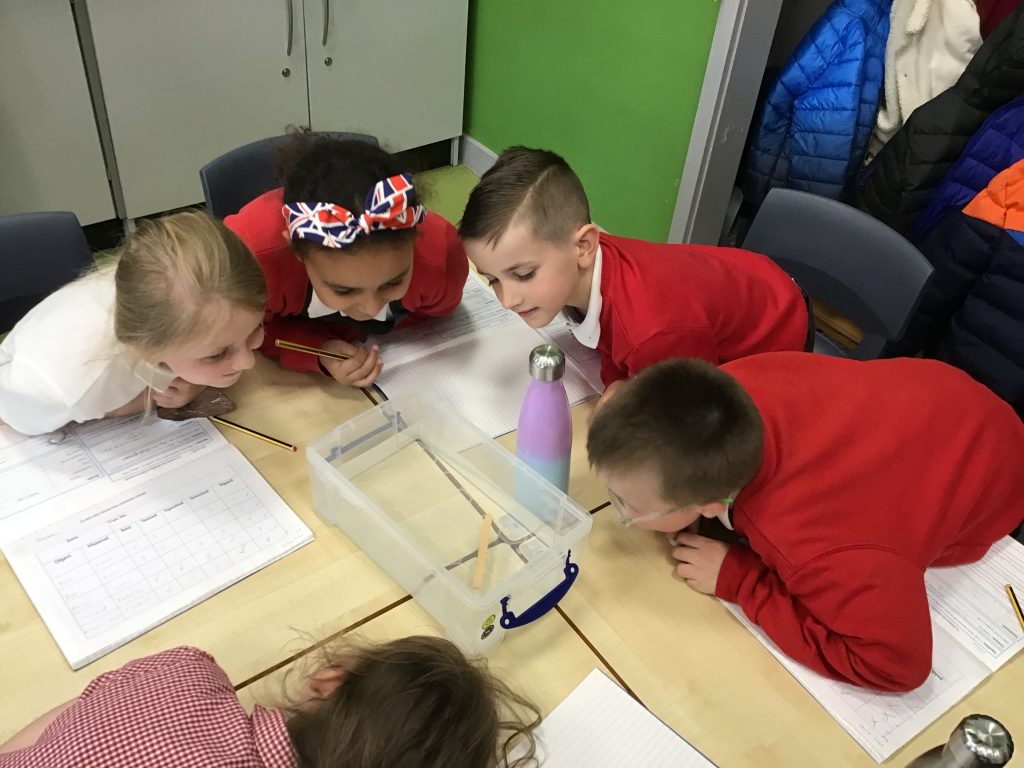
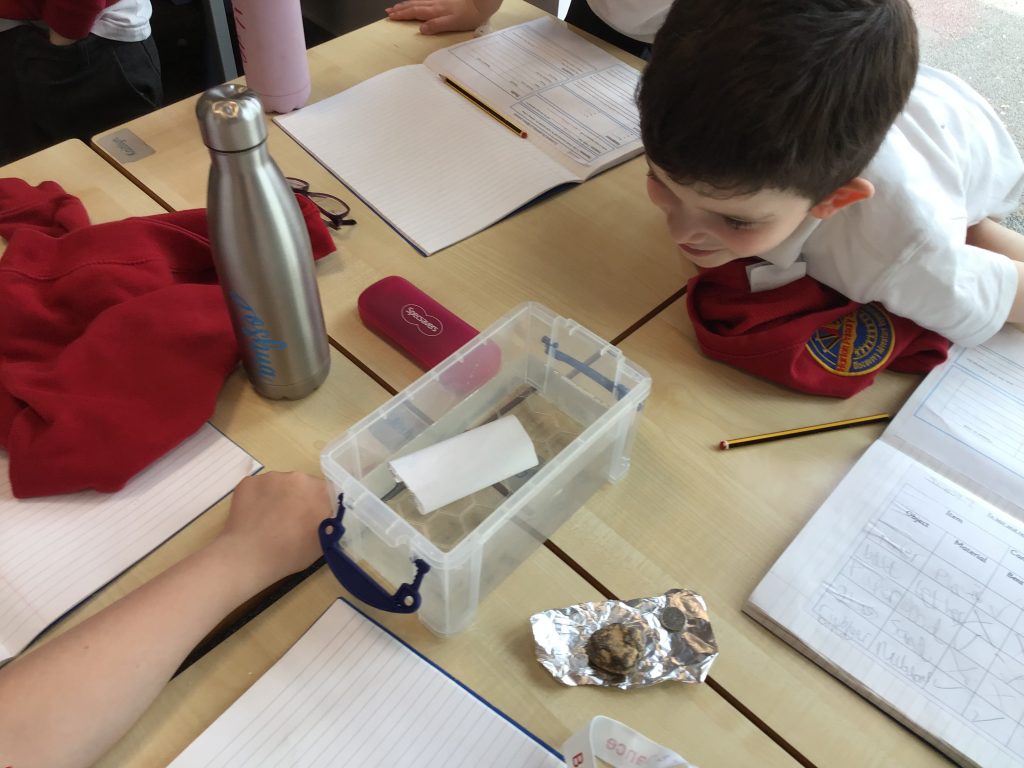
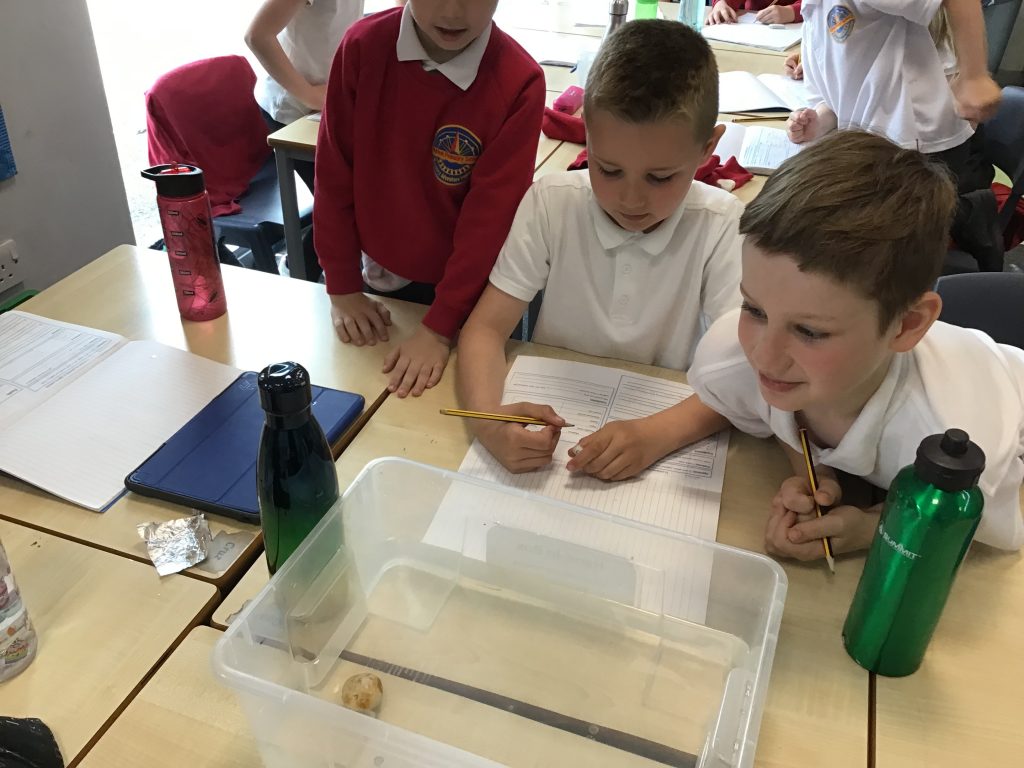
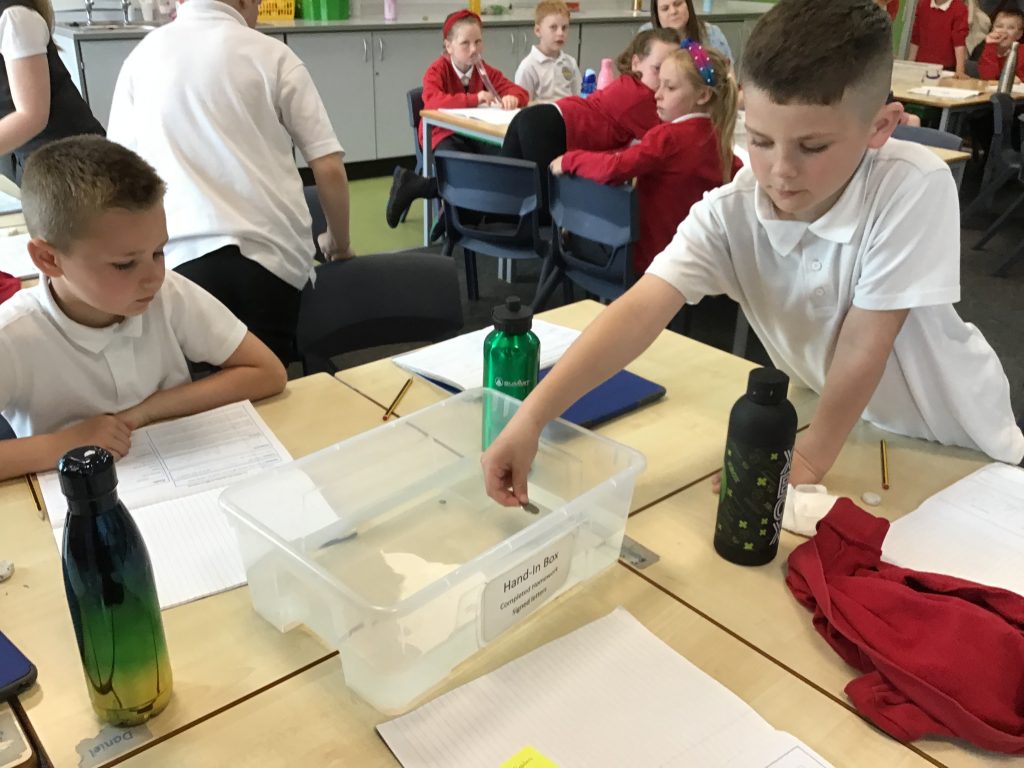
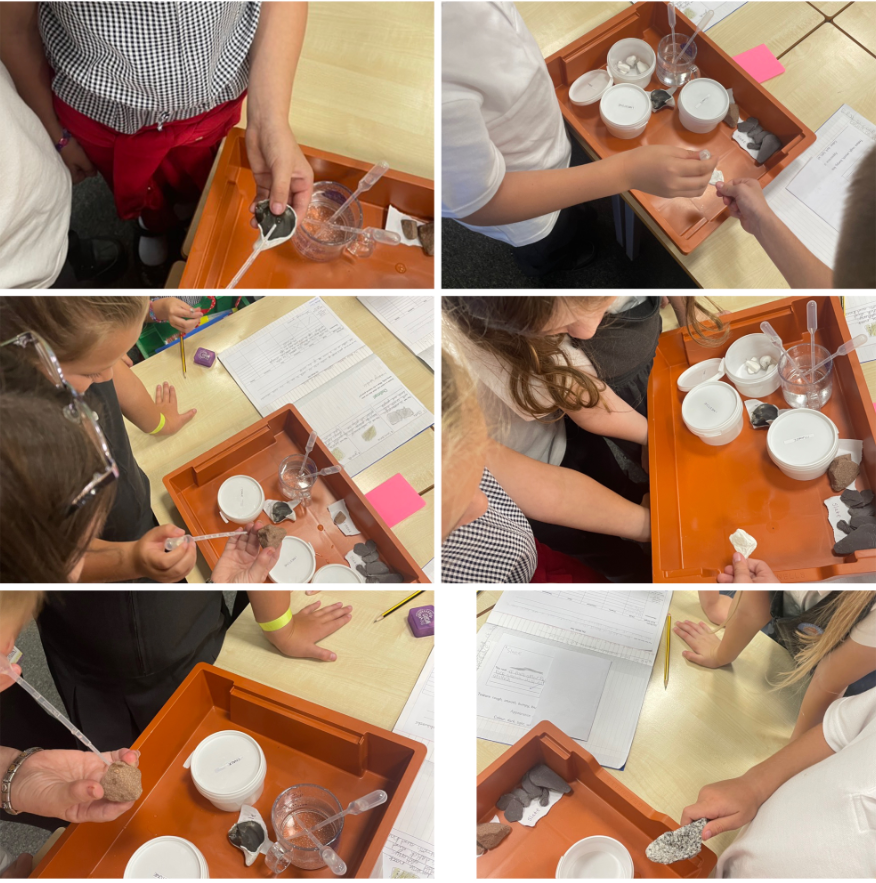
Y3 became rock detectives this week! We have been testing the permeability of different rocks.
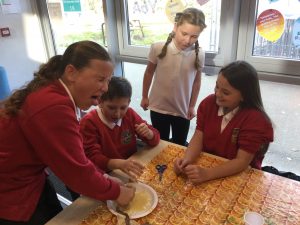
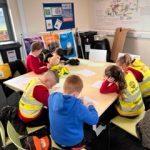
We learnt about completing a comparative test where we changed the rocks and compared how much water absorbed or ran off different types of rock. We then recorded our results in a table and thought about which rock would be most suitable for Ug to create a new pair of shorts!
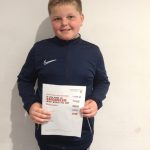
The Primary Science Teaching Trust are launching an exciting competition for primary school children aged 4 – 11. They would like children to use their imaginations to design a beautiful object that could be made from glass, which they think would also be useful in a primary science classroom.
Children can draw or paint their designs to show how it will look beautiful and annotate it to explain how the object or any specific features will make it useful for a primary science classroom.
It is an excellent opportunity for the children to showcase their wonderful imaginations and creativity. If your child would like to take part, they can submit their designs at home using the link provided or they can bring them to school where we can submit them. Entries must be submitted by 7th October.
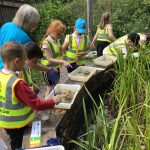
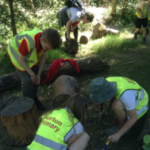
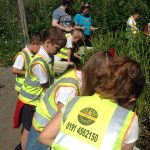
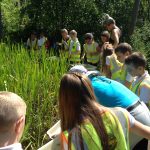
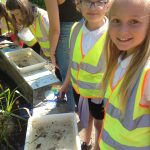
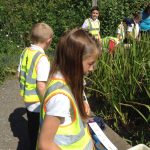
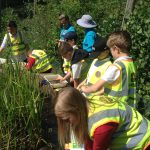
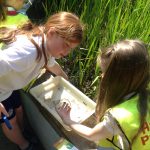
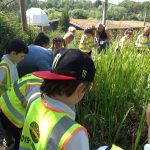
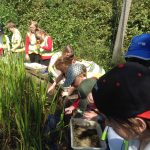
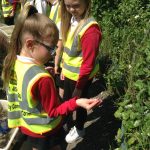
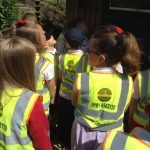
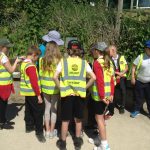
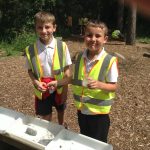
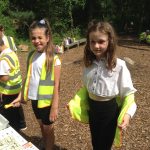
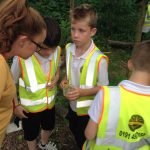
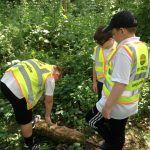
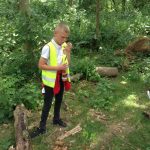
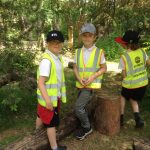
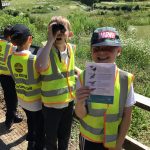
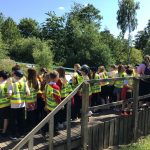
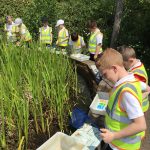
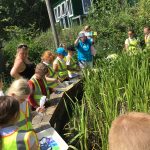
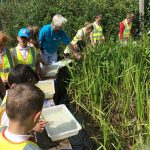
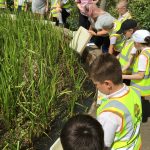
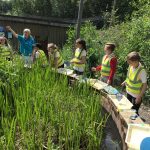
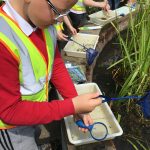
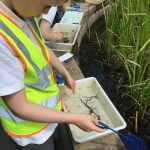
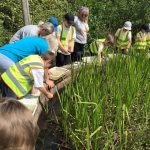
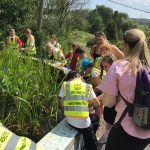
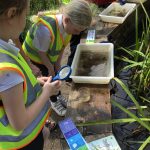
In science, we’ve been learning about different habitats. We’ve found out which organisms are found there and we thought about why they live in certain conditions. We’ve also been discussing the impact that humans have on different habitats and what we can do to help. We had a great time on our trip to Washington Wetlands. Pond dipping was one of our favourite activities – we found loads of invertebrates!
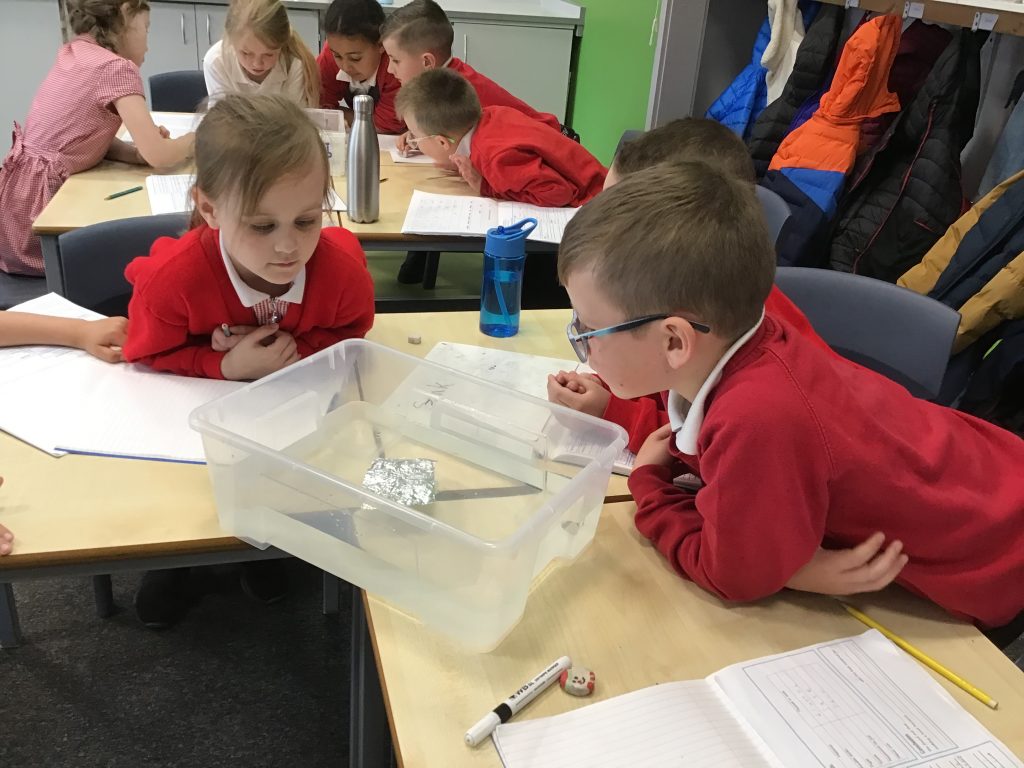
This week in Y2L, we investigated the properties of materials. Our task was to identify the best material to make a boat for Toby to cross the river away from the Great Fire of London. We had lots of fun observing closely and recording our results.