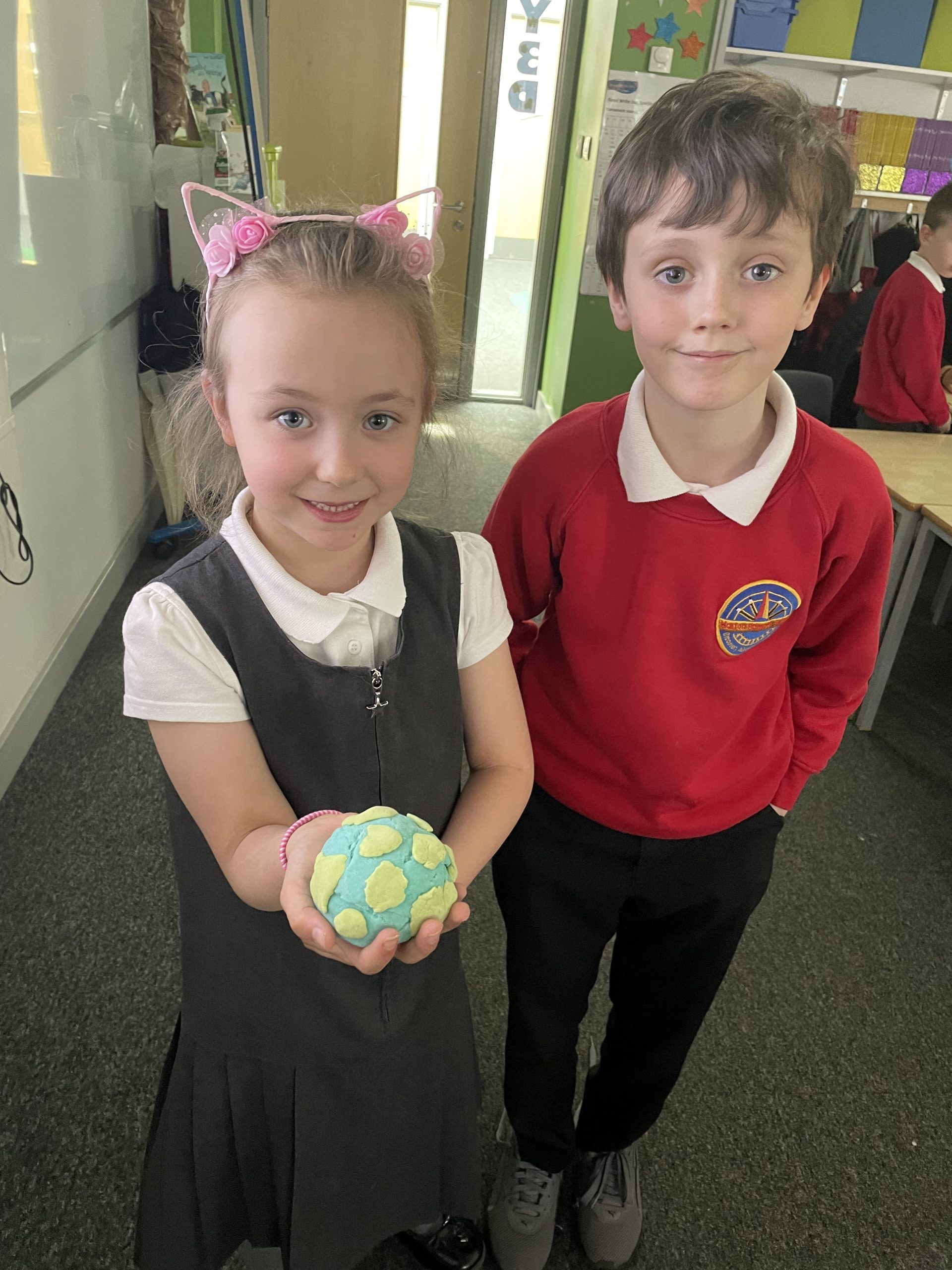
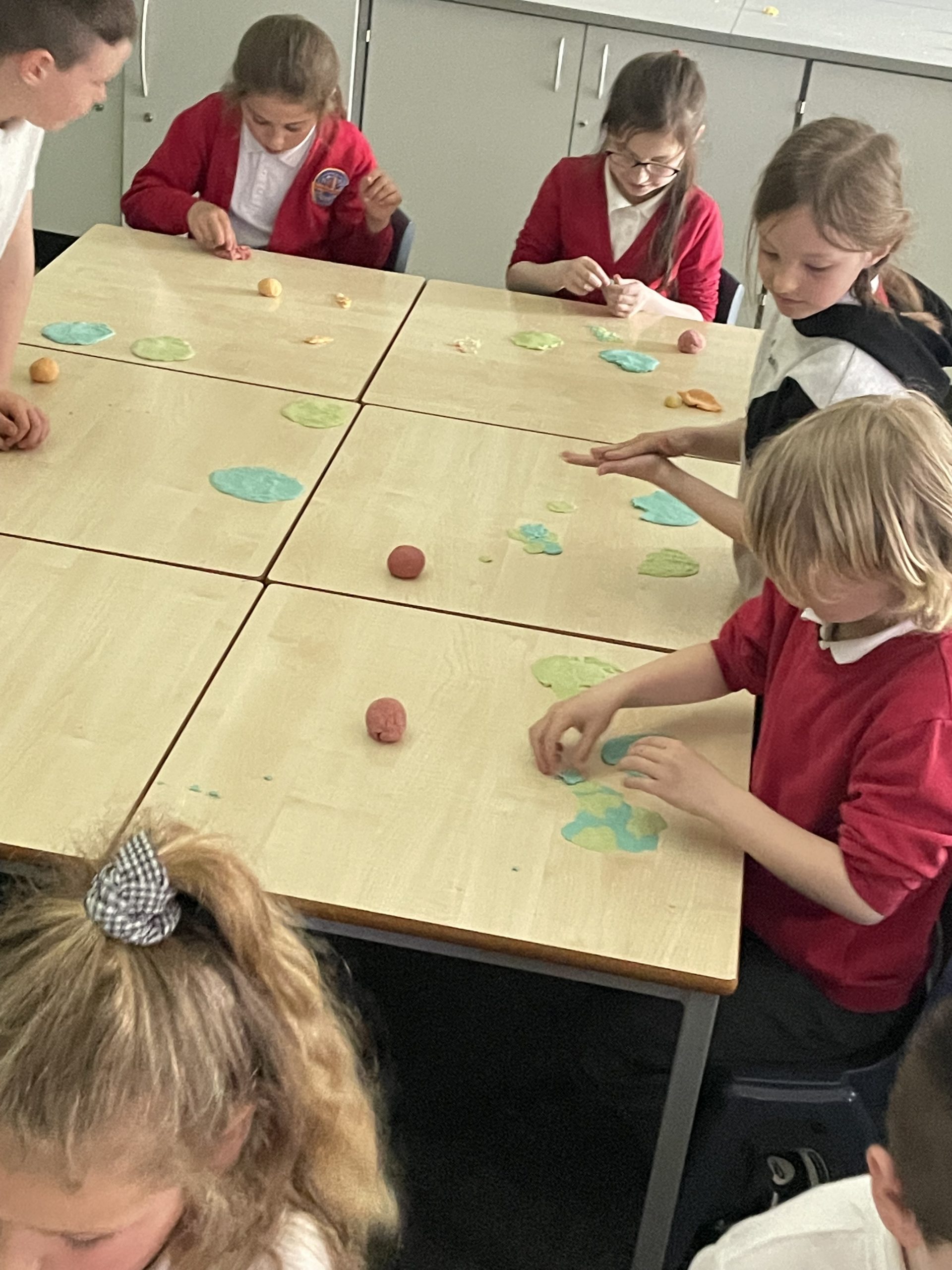
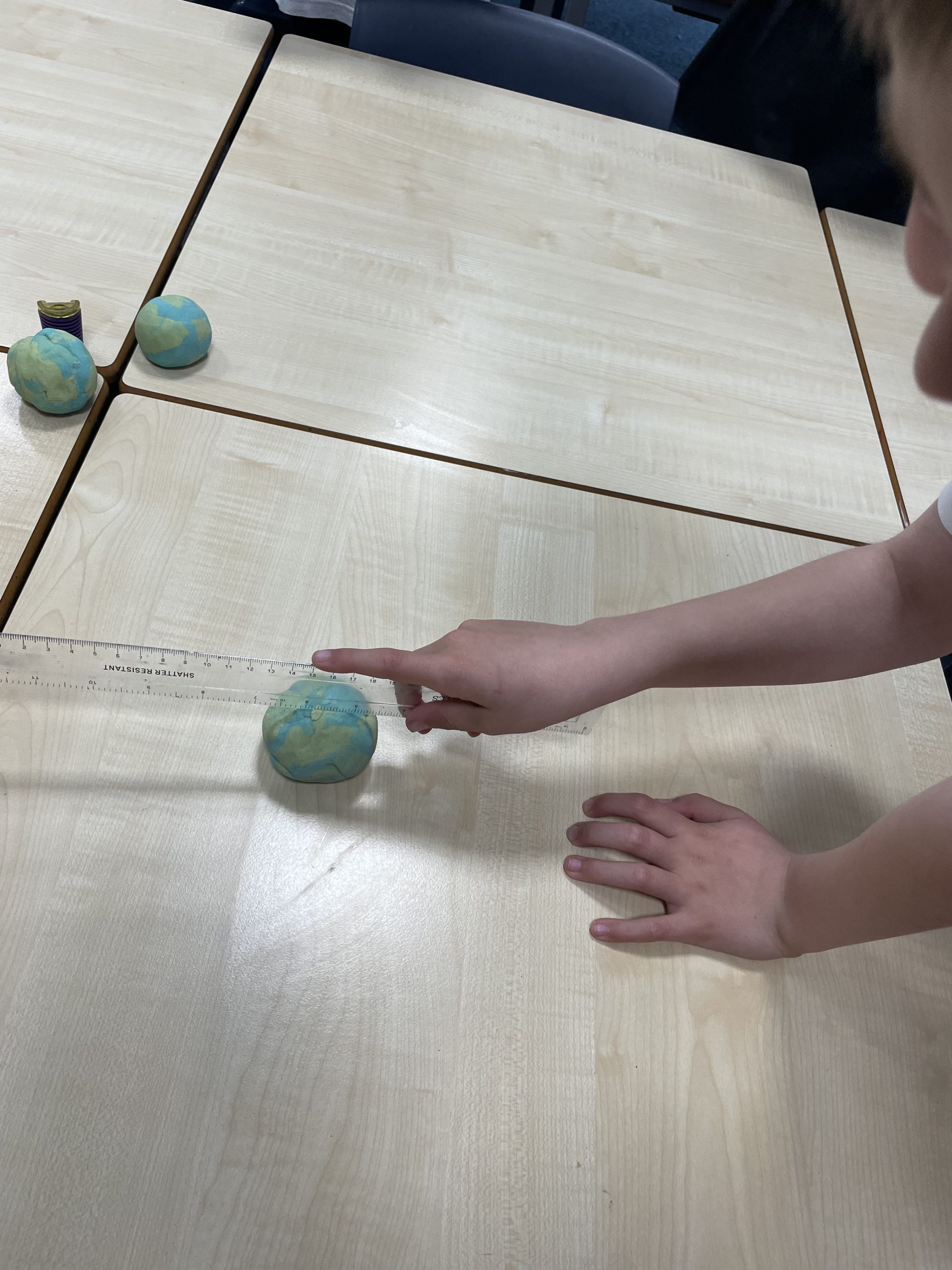
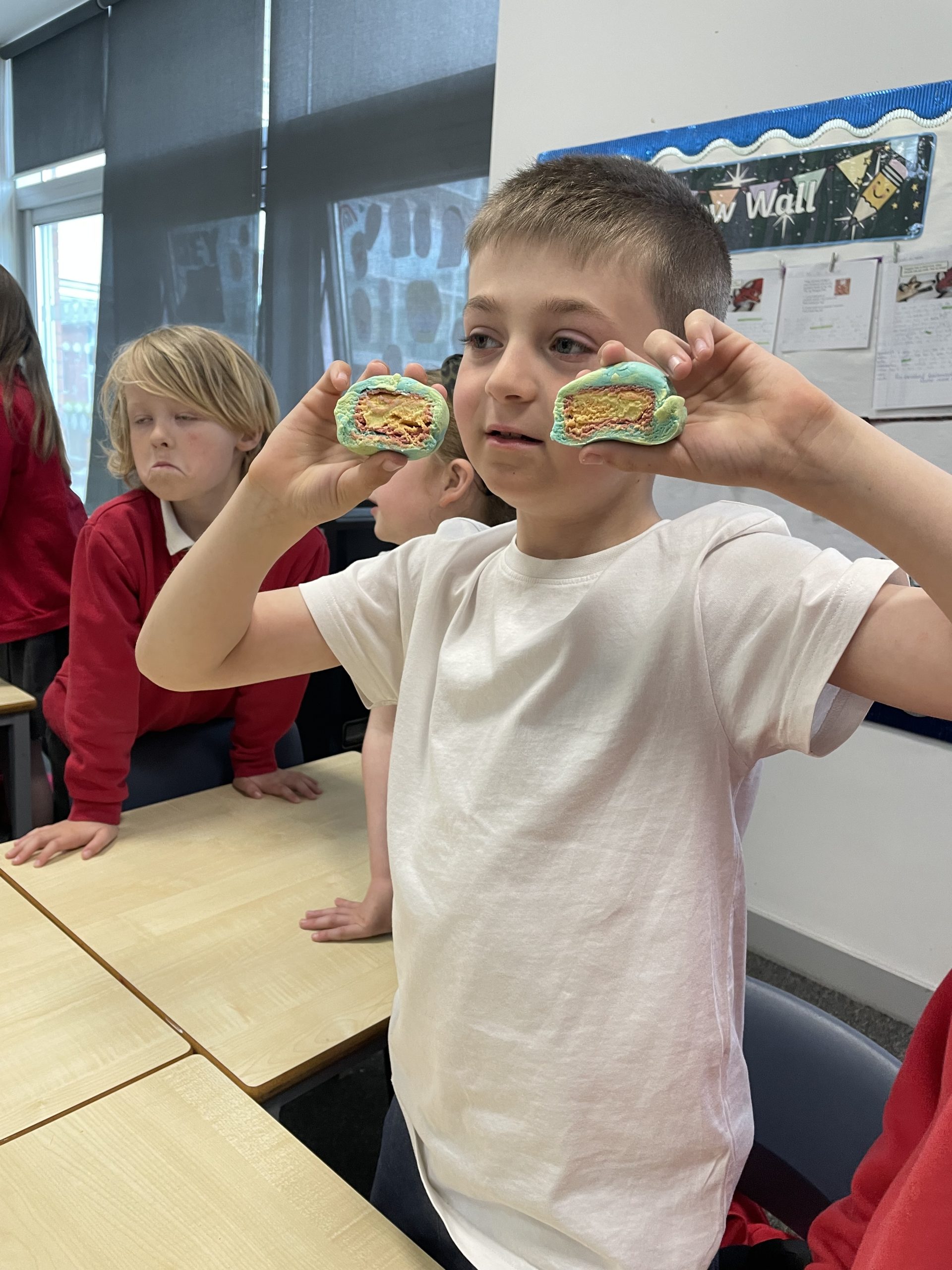
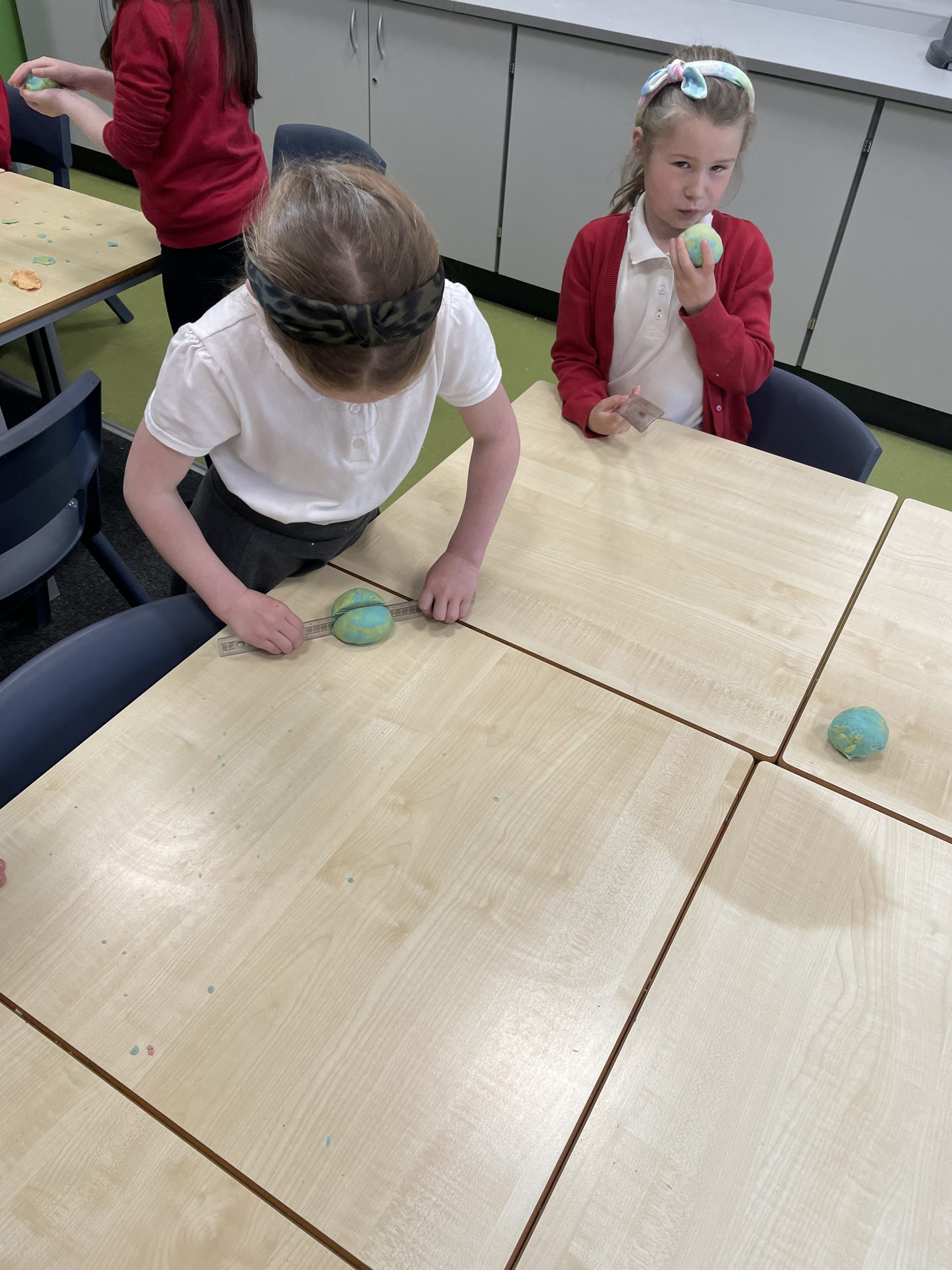
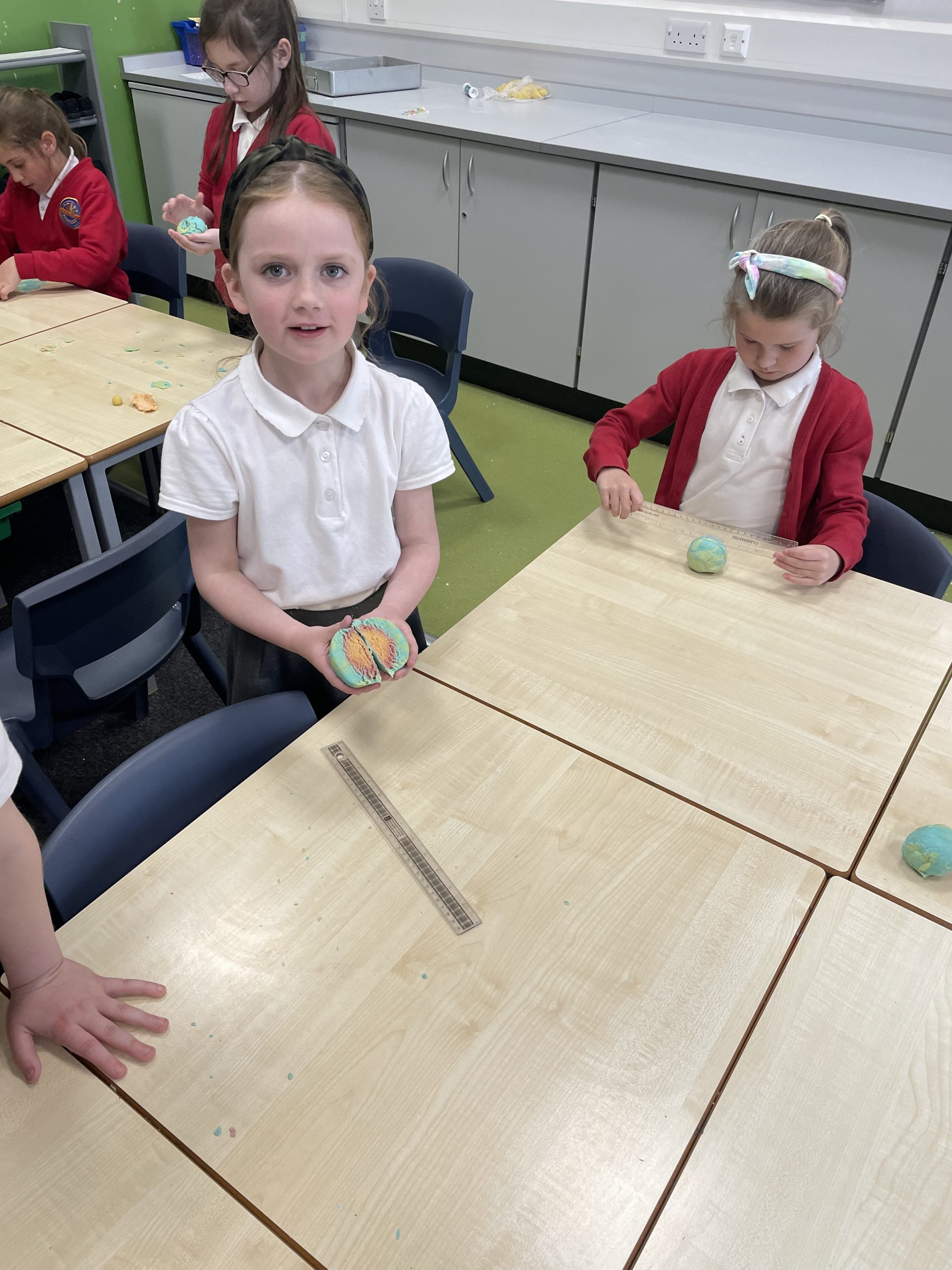
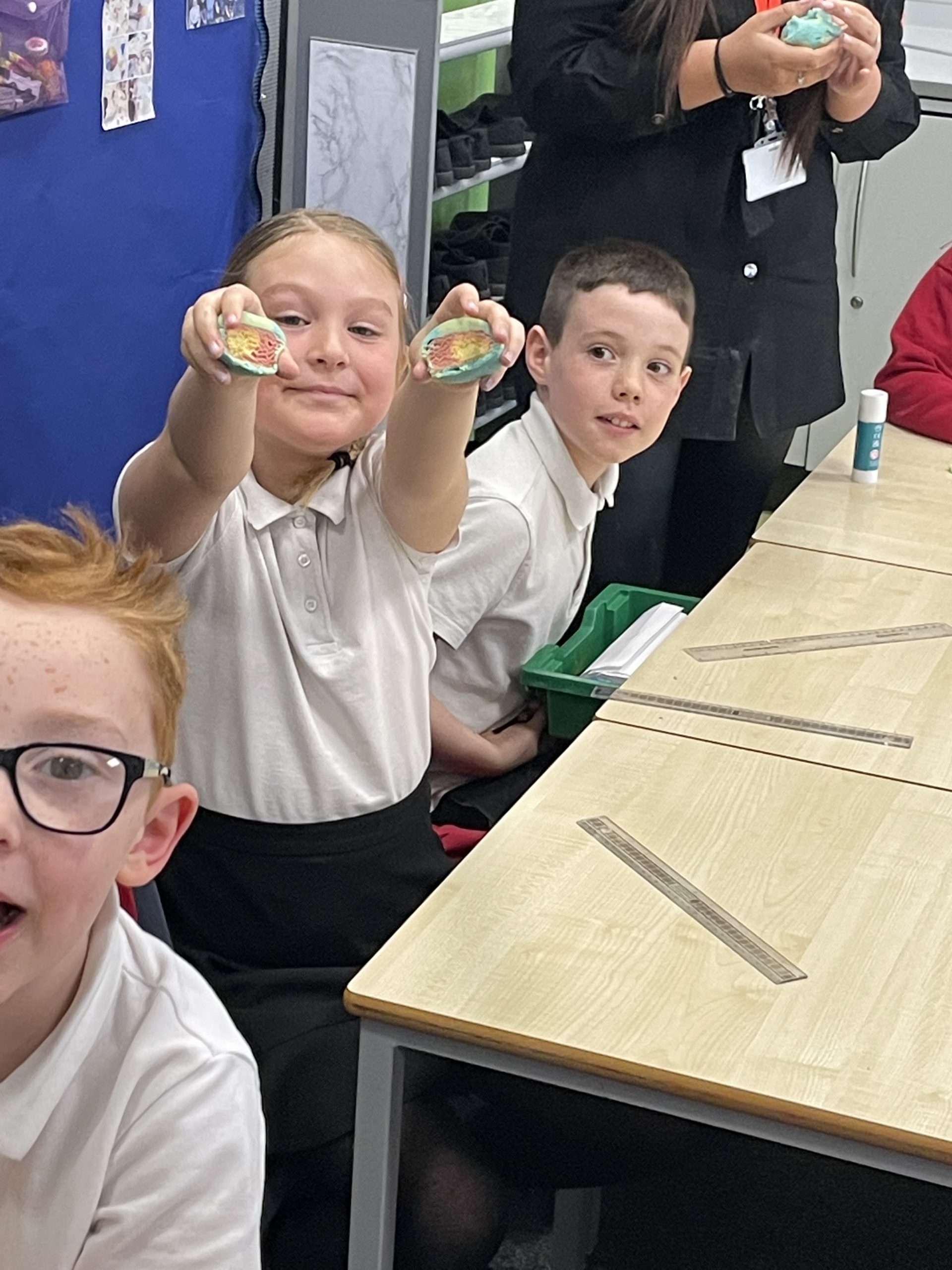
Y3 had so much for today looking at the different layers of the Earth. We created our own Earth to show all of the layers. We created the inner core then covered it with the Earths outer core, mantle then finally the Earth’s crust. We then compared the layers of the Earth to a peach. We looked at the inside of a peach and imagined the peach’s stone was the Earth’s core, the surrounding soft bit of the peach is like the Earth’s mantle filled with magna and finally the skin is like the Earth’s crust.
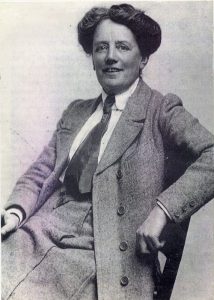
This terms Musician of the Term is Ethel Smyth (born in 1858 and died in 1944).
Who was she?
Ethel Smyth’s music consisted of masterpieces for the violin, horn and orchestra and her opera ‘The Wreckers’ was considered the most important English opera of the time. However, it was not until her 75th birthday in 1934, that her work was celebrated at the Royal Albert Hall in front of the Queen. Heartbreakingly, at this moment of long-overdue recognition, Smyth was completely deaf could hear neither her own music, nor the cheering of the crowds.
Interesting Facts!
Ethel Smyth was caught throwing a brick through a politician’s window during the Suffragette movement, resulting in her being put in Holloway prison for two months.
While she was there, she was seen leaning through the bars, conducting her March of the Women with a toothbrush to the inmates!
As well as being a musician, Smyth was also a suffragette who devoted herself to the cause for women’s rights for two years, giving up her music in order to focus on it completely.
Ethel Smyth enjoyed tennis, golf and riding bikes which was seen as very ‘unladylike’ back then.
Famous Songs:
Variations on an Original Theme (Of an Exceedingly Dismal Nature) in D flat
String Quintet in E, Op. 1
Serenade in D
Mass in D
The Wreckers
March of the Women
The Boatswain’s Mate
Concerto for Violin and Orchestra
Watch the videos linked below to listen to some of Ethel Smyth’s famous music pieces and find out more about who she was.
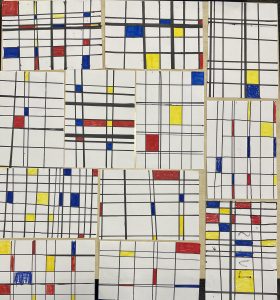
This week in Art, year 3 focused on mixing warm and cold colours. We discovered that red, yellow and blue colours are our primary colours and can not be made by mixing other colours. We focused on the artist Piet Mondrain, an artist who regularly used primary colours within his art work. We then created a Mondrain inspired painting- they were fabulous!
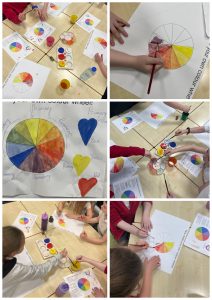
After this, we then created our own colour wheels. We learnt that secondary colours are made my mixing together primary colours. Take a look at our colour wheels- our secondary colours sit halfway between the two primary colours it is mixed from.
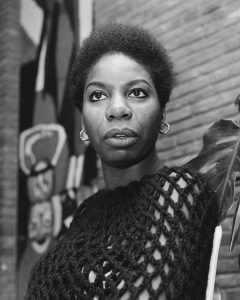
Our previous Musician of the Term was such a success! We all thoroughly enjoyed learning about ‘The Beatles’ and listening to some of their well-known songs. This term we will be focusing on the Musician ‘Nina Simone’.
Who was she?
Legendary performer Nina Simone was an American singer and songwriter who sang a mix of jazz, blues and folk music in the 1950s and 60s. Apart from creating original tracks, she also created cover versions of songs by famous musicians, such as Bob Dylan and our previous Musician of the Term ‘The Beatles.’ Her ability to make original songs sound completely different was unique to her style with many artists admitting they preferred her version of their own!
Fascinating Facts!
Nina was one of eight children, born into a poor family in North Carolina, USA.
After she was rejected from the Curtis Institute of Music, she gathered a job at Atlanta City, playing what her father called ‘The Devil’s Music’ and changed her name so that her parents would not find out.
She gathered a following of fans before receiving a record deal.
Nina Simone released over 40 albums during her decades-spanning career
Nina Simone never did get a number one selling single.
Famous Songs:
I Loves You, Porgy 1959 – Originally written in 1935 by Anne Brown and Todd Duncan but she made her own successful version.
My Baby Just Cares for Me, 1962 – Simone made financial mistakes in her early career, but this song featured on an advert in 1987 and her fortune was finally made.
Mississippi Goddam, 1964 – This song was a cry for mercy, an angry voice of defiance and reason against the way black communities were being treated in America.
Feeling Good, 1965 – This song used a big-band sound and is now one of her most famous.
Why? (The King of Love is Dead), 1968 – Written by Simone’s bass player Gene Taylor and was about Martin Luther King and his death.
I Ain’t Got No / I Got Life, 1968 – A joyous anthem which celebrated the things we all have and reached number 2 in the U.K. charts.
I Put a Spell on You, 1969 – Originally written by Screamin’ Jay Hawkins, this song was a huge success and sounded very different from the original.
To Be Young, Gifted and Black, 1970 – Written by Simone, this uplifting gospel song continued linking her music to the civil rights movement.
Baltimore, 1978 – The critics loved this song but she was not fond.
Listen to one of Nina Simone’s most famous songs ‘Feeling Good’ below:
You can listen more of her music on Spotify, iTunes, Apple Music, Amazon Music and Youtube.
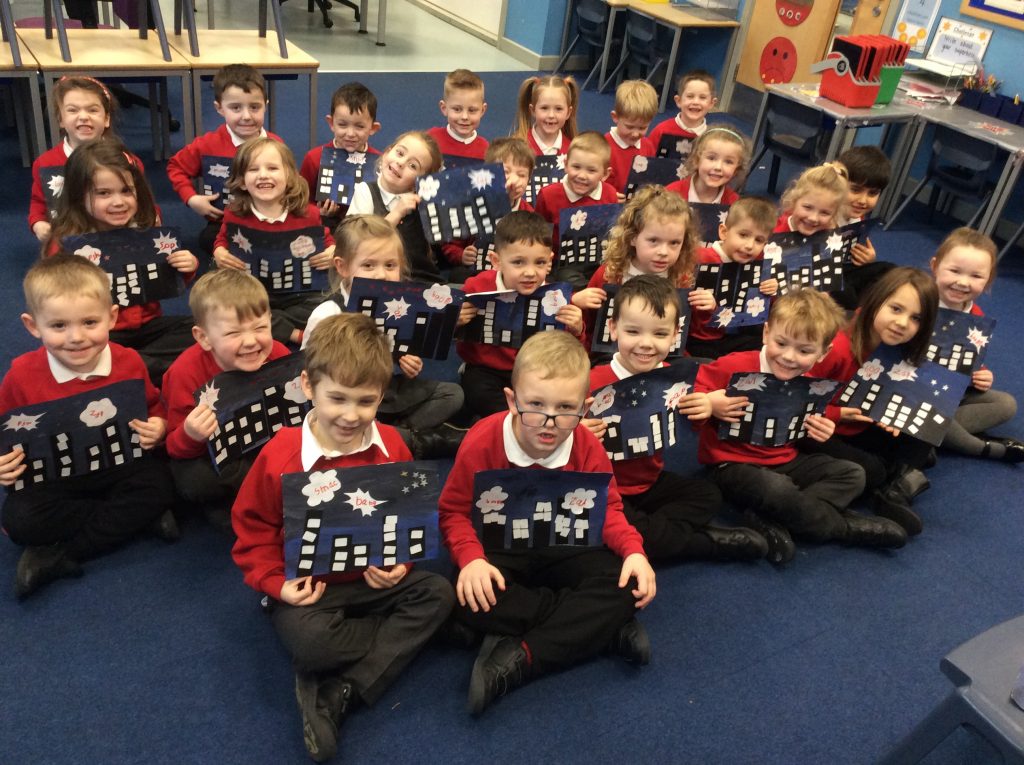
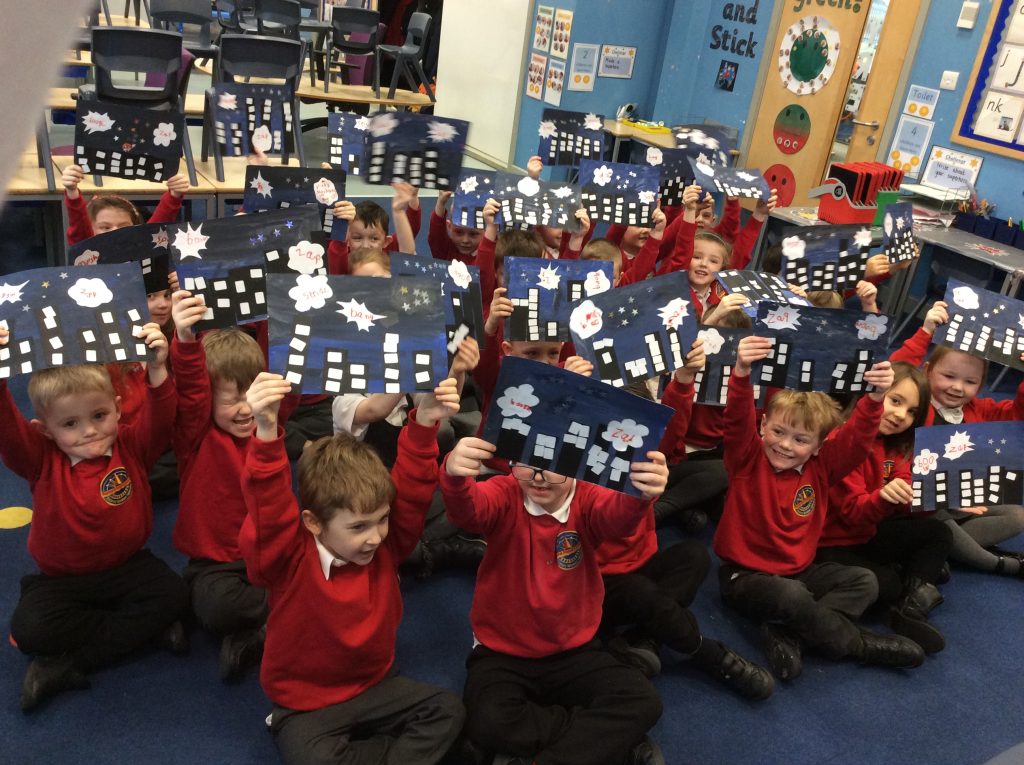
Take a look at our superhero cities. We are so proud of them! First we mixed black with our blue paint and it made the colour darker. Then we used squares and rectangles to create our tall and short buildings. Finally we added some superhero words. We came up with POW, BOOM, CRASH, SMASH and ZAP!
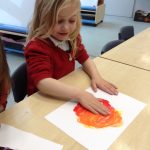
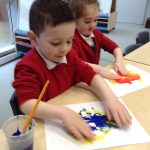
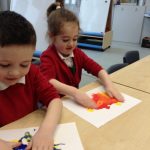
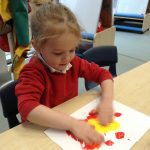
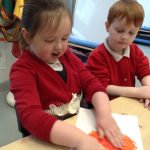
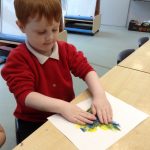
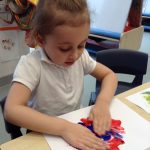
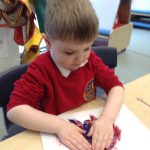
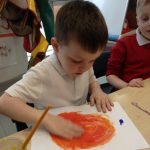
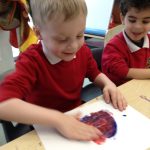
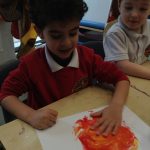
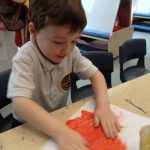
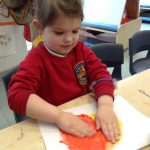
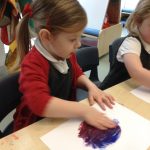
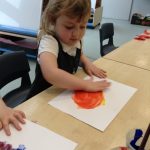
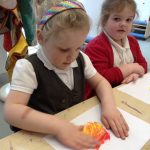
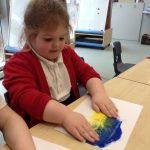
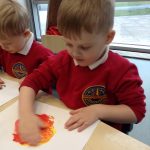
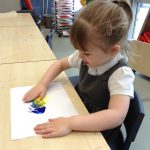
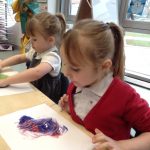
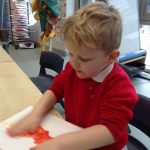
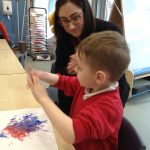
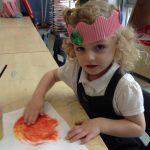
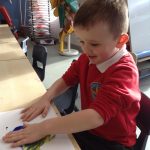
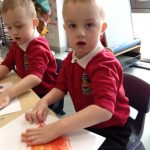
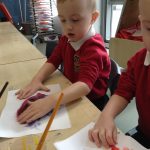
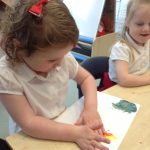
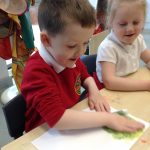
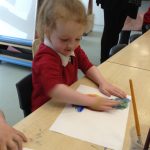
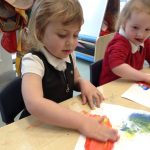
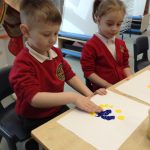
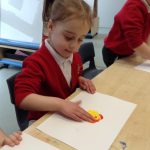
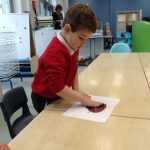
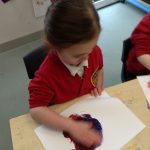
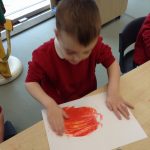
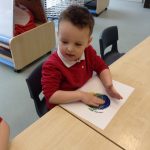
This week we have been exploring colour mixing. We picked two primary colours and used our hands to mix them together. We enjoyed seeing how the colours changed and talking about the new colours we had made.
This week, we had a special visitor from Beamish who came into Year 3 to tell us all about the artist Norman Cornish. Norman Cornish was a miner from Spennymoor as well as an artist. We focused on Normal Cornish because Beamish are building a new 1950’s town and Norman’s studio will be part of that. This year will mark the hundredth anniversary of Norman’s birth. In the session, we looked closely at his artwork and then had our own turn at sketching and shading observational drawings. We learnt many new artistic skills such as cross hatching to help add more textures to our drawings. At the end of the session, we looked and handled many artefacts from Beamish such as the miners lamps. We thoroughly enjoyed the session and are looking forward to our upcoming to trip to Beamish where we will get the chance to visit the pit village, 1950 Front Street and carry out some sketching on locations similar to those in Norman Cornish’s sketches.
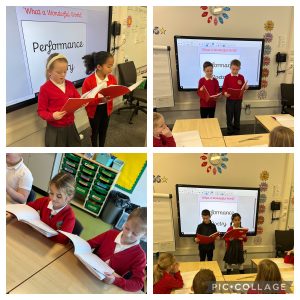
In Literacy this week, Year 3 worked in small groups to write and perform our own individual poems to the music of ‘What a wonderful world’ by Louis Armstrong. Our poems consisted of wonderful things in our lives. We focused on the following topics for our verses: special people in our lives, important moments and memories, examples of kindness and the environment and animals. As a class, we picked our favourite verse and discussed what we liked most about them. We are all very proud of our performances and our poems!
We are starting musician of the month at Harton where we will focus on a musician each term. The children will find out all about the artist or band, listen to their songs and talk about whether they enjoy their music. The first band we are looking at is…
Who were they?
The Beatles were an English rock band formed in Liverpool in 1960. They began by playing in bars and clubs in Liverpool but found international fame with their modern musical style. They mixed skiffle, beat and rock and roll and even included elements of classical music in some of their songs. The Beatles are the best-selling band in history, with estimated sales of over 800 million records worldwide. They changed pop music forever and had a huge influence on culture in the UK and America.
There were 4 members:
John Lennon – lead singer, guitarist, songwriter.
Paul McCartney – bass guitarist and singer, songwriter.
George Harrison – lead guitarist and singer
Ringo Starr – drummer
Fascinating facts
They were originally called Beatals then they changed their name to Silver Beetles and then finally to The Beatles.
The Beatles were also known by their nickname, ‘The Fab four’.
Their first hit was ‘Love me do’ in 1962
After their first hit there followed an intense fan frenzy which was called Beatlemania.
The Beatles have had more number-one albums on the British charts, and have sold more singles in the UK, than any other act.
In April 1964, the Beatles had songs at numbers 1, 2, 3, 4 and 5 in the charts.
There were several other members of the band over the years but these four are considered the real Beatles.
The Beatles played mostly in The Cavern Club in Liverpool until they reach international fame.
The Beatles recorded over 200 songs – these include:
Love me do
Help Yesterday
Twist and Shout Hey Jude
I wanna hold your hand Yellow Submarine
Octopus Garden Here comes the sun
Eleanor Rigby
The band split up in 1970 due to musical differences.
Only Paul McCartney and Ringo Starr are still alive.
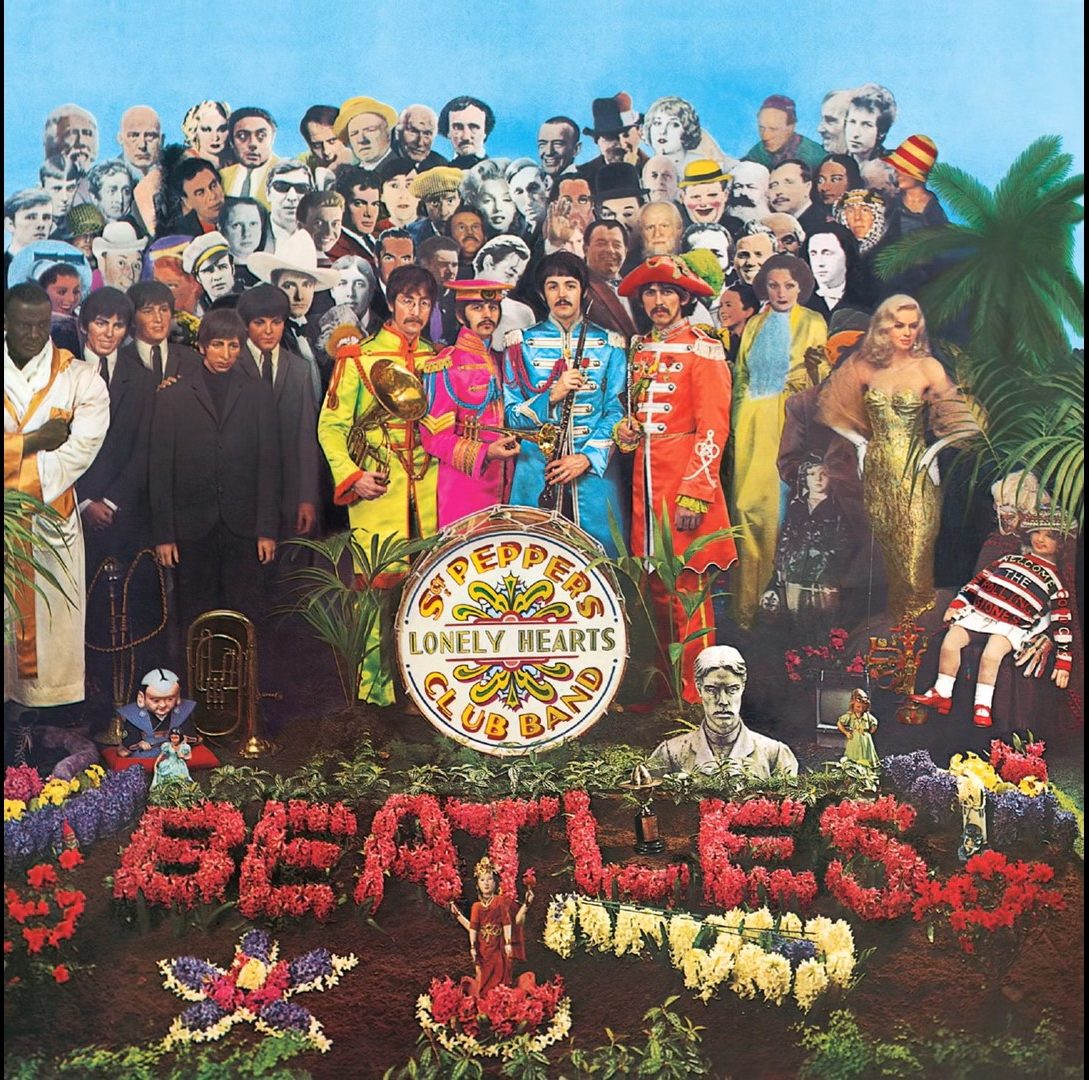
Listen to one of the Beatles’ hits below, Sgt. Pepper’s Lonely Hearts Club Band (iTunes).
You can listen more of their music on Spotify, iTunes, Apple Music, Amazon Music and Youtube.
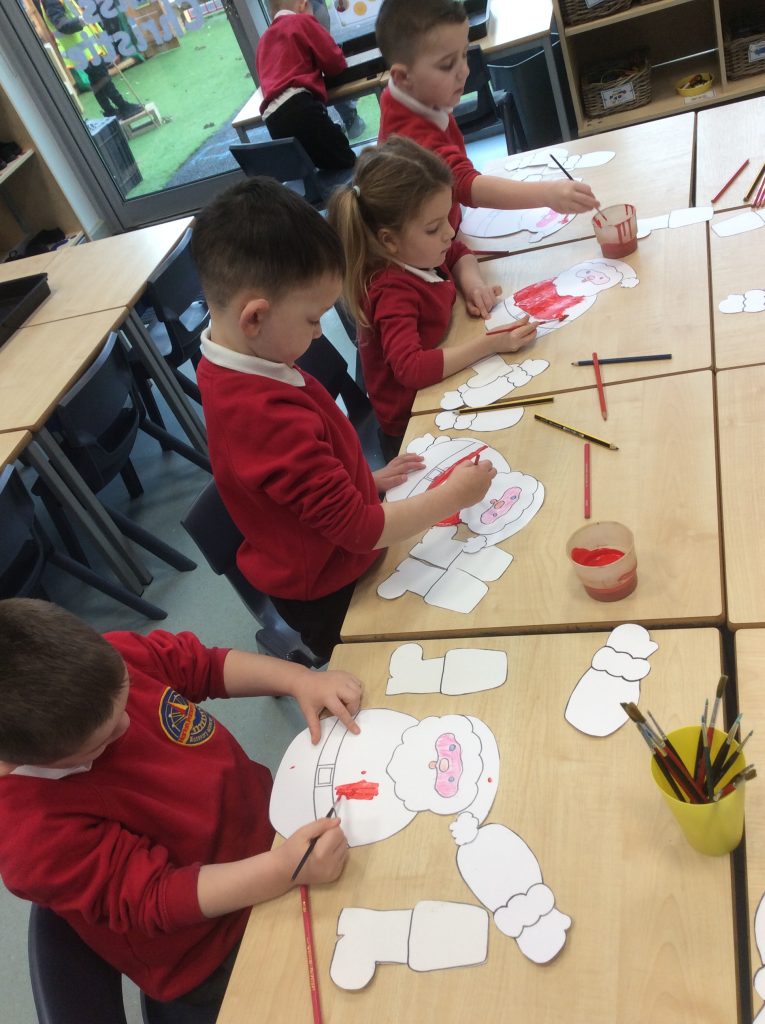
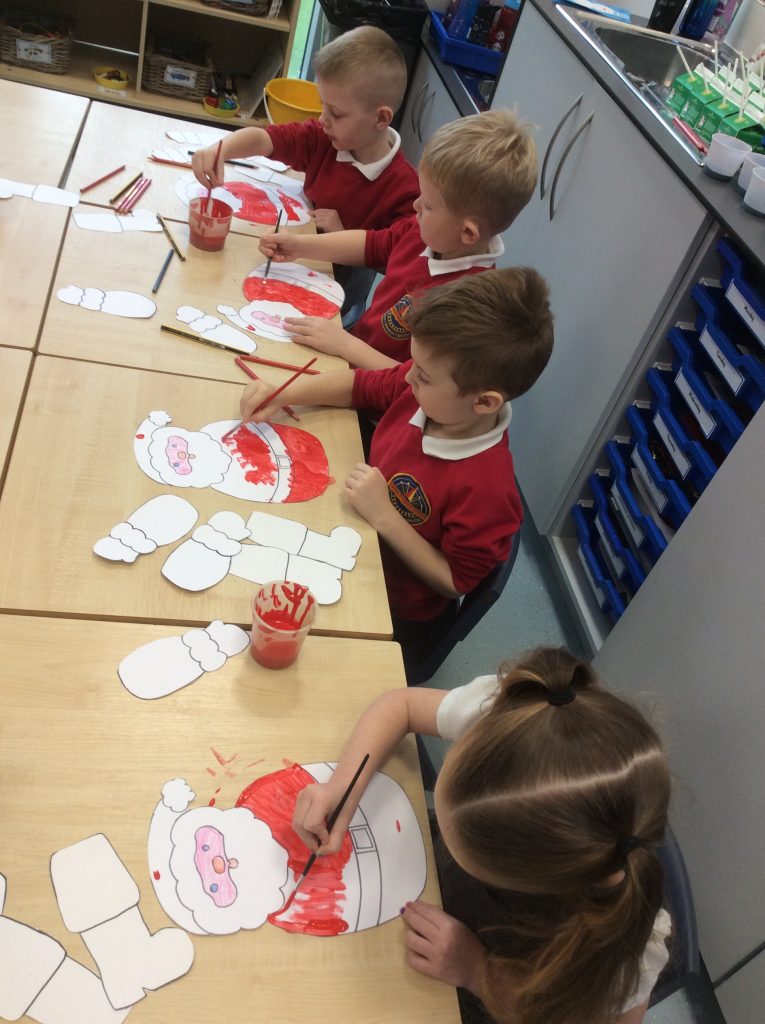
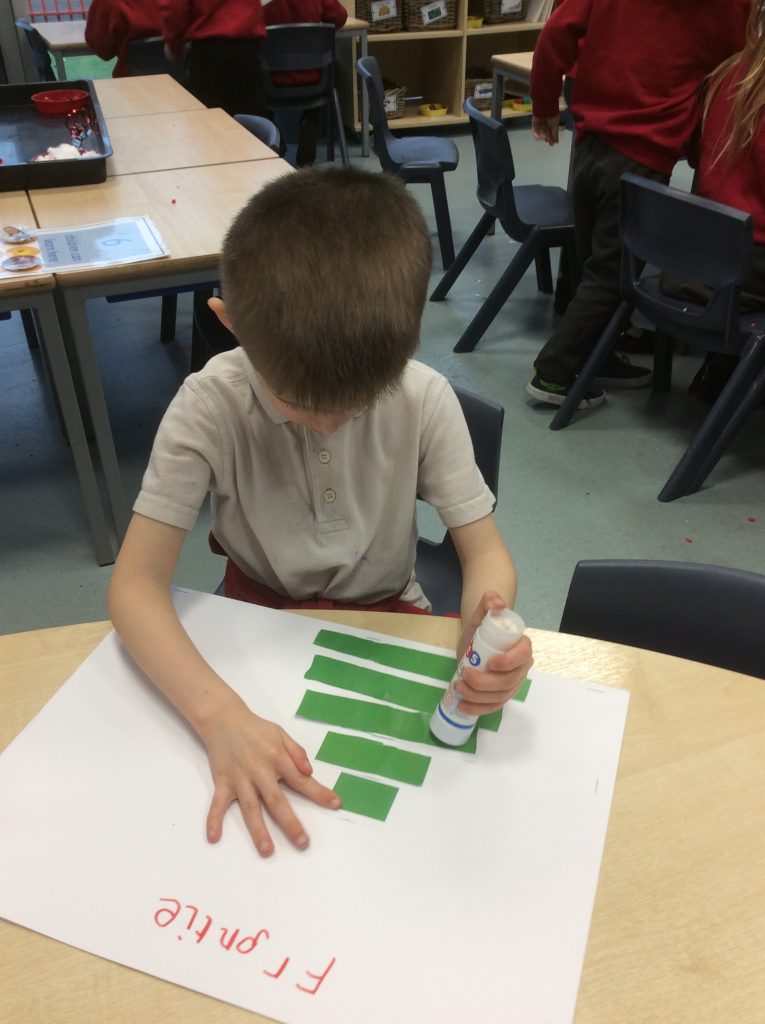
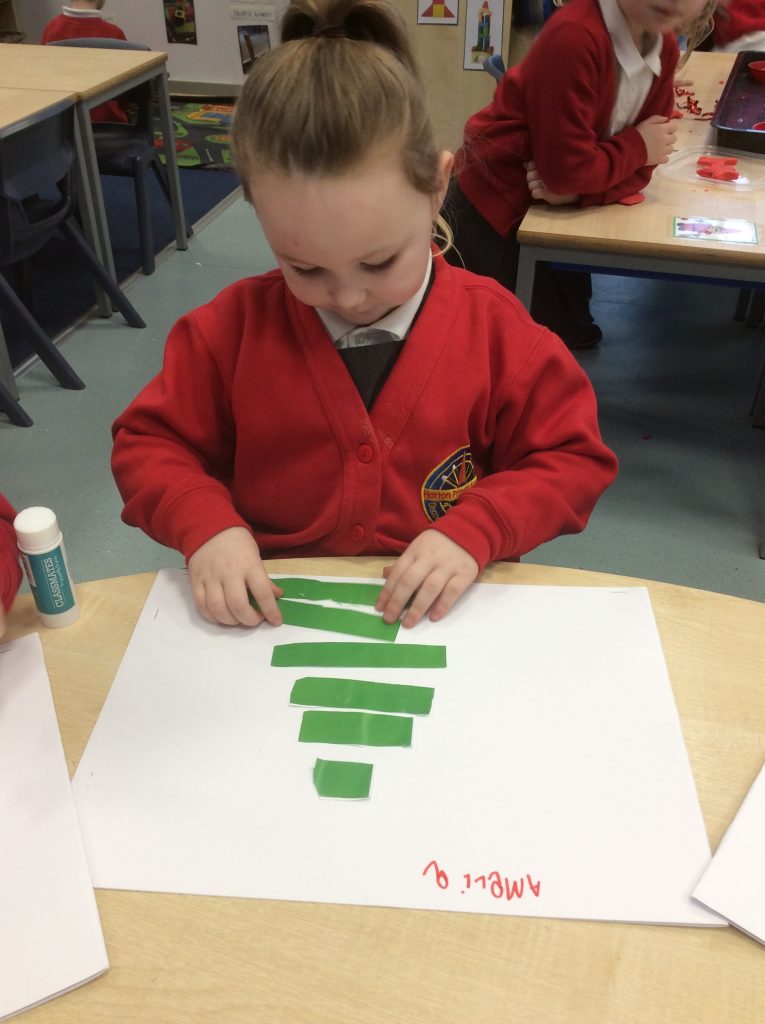
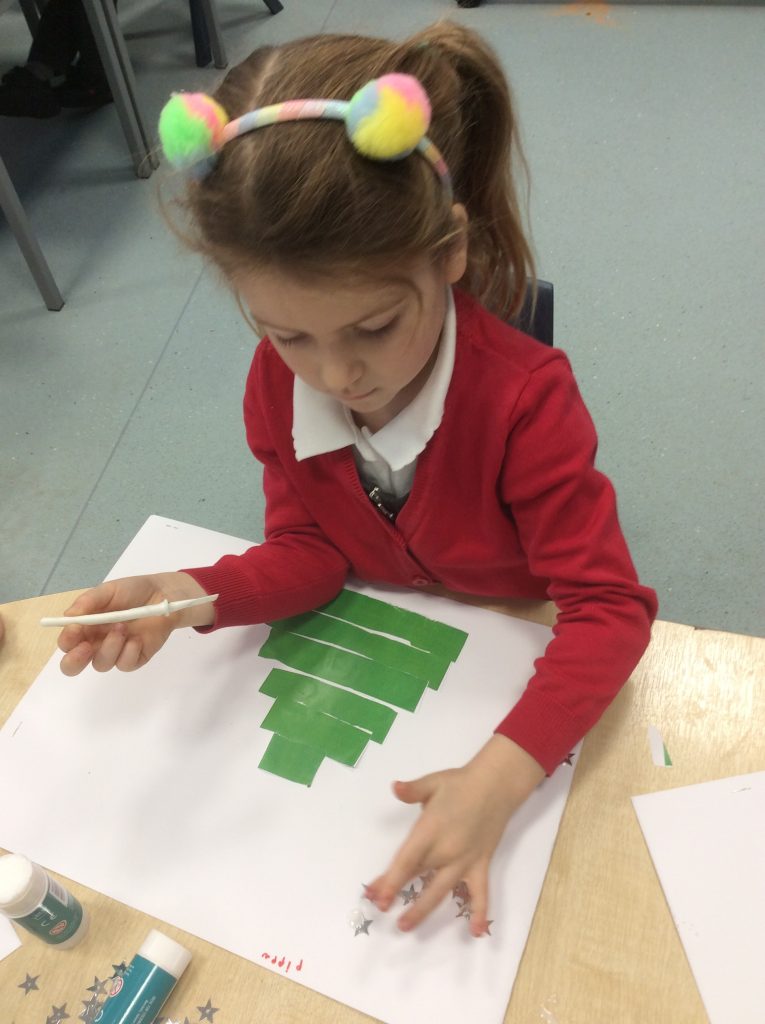
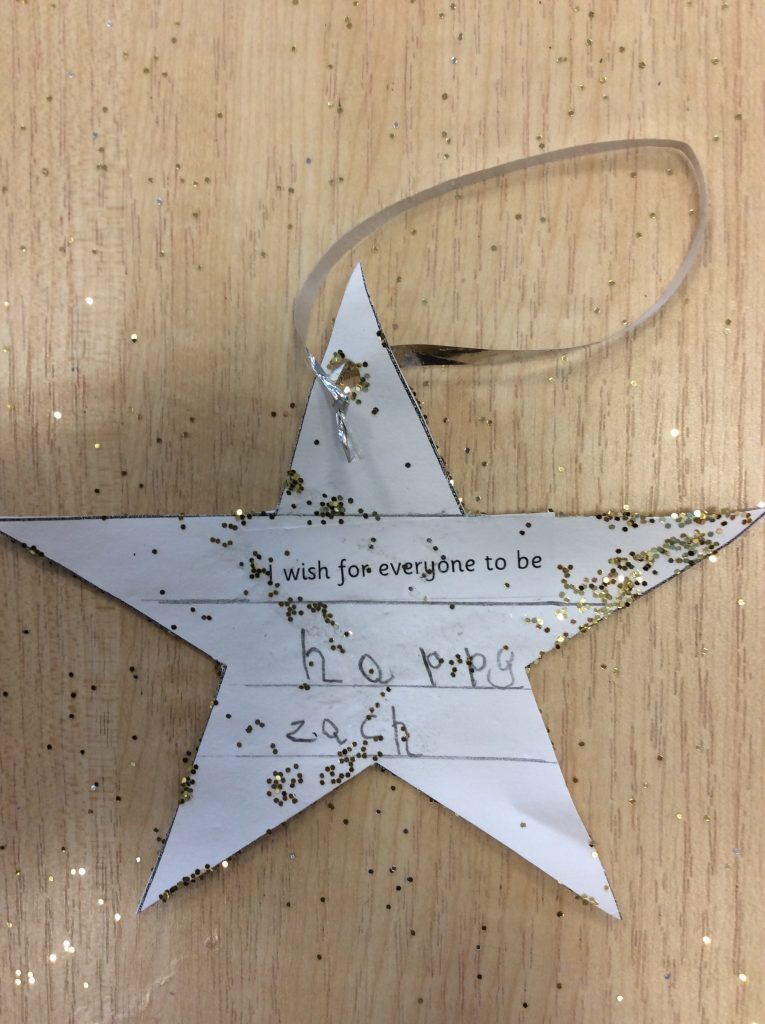
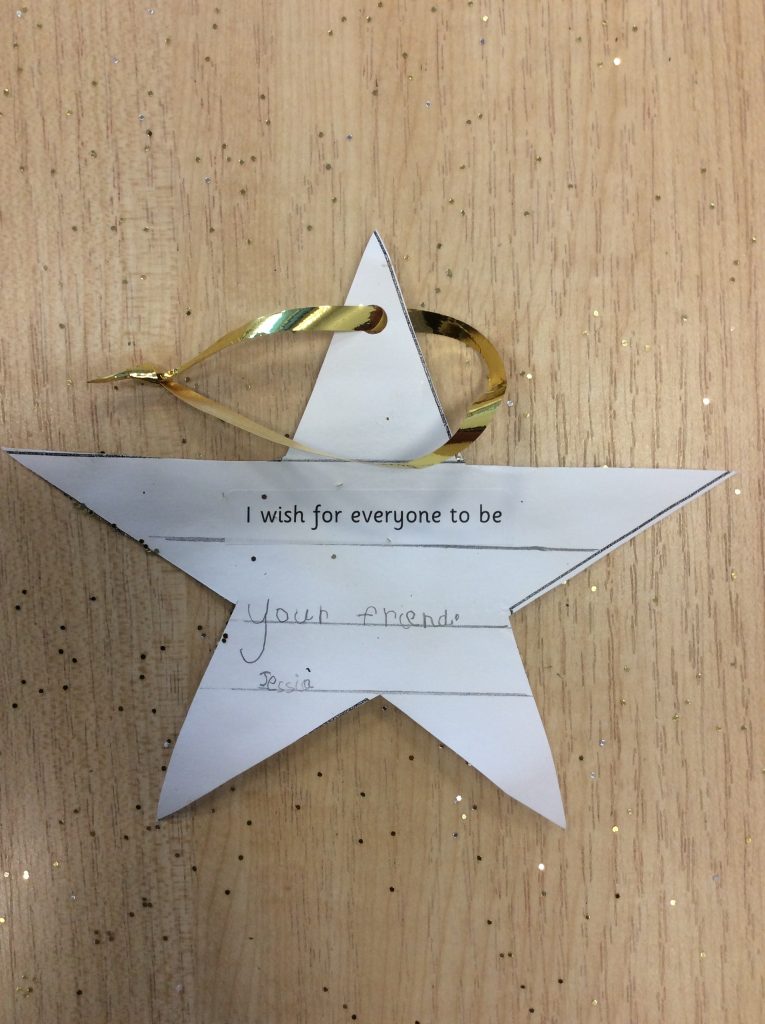
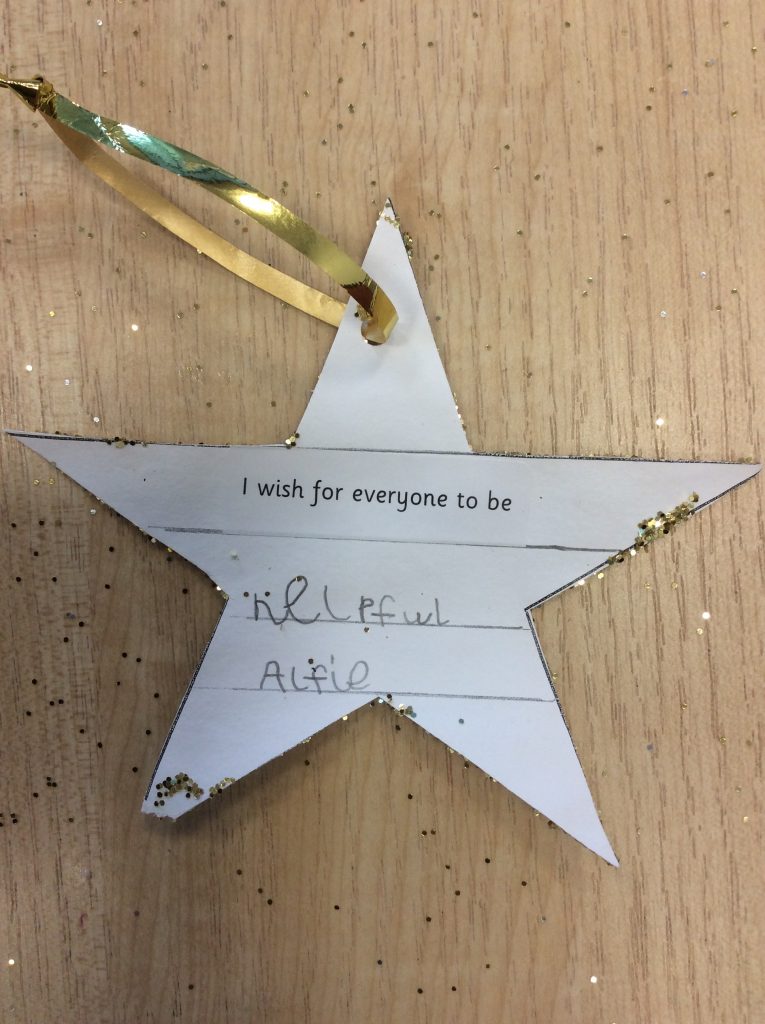
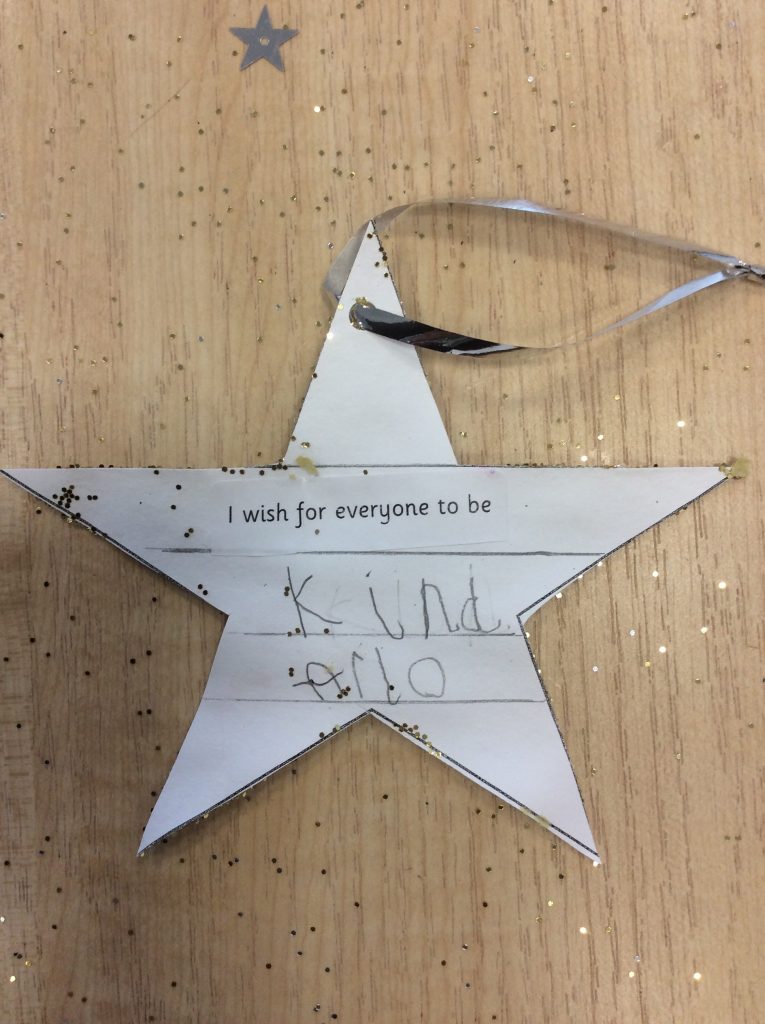
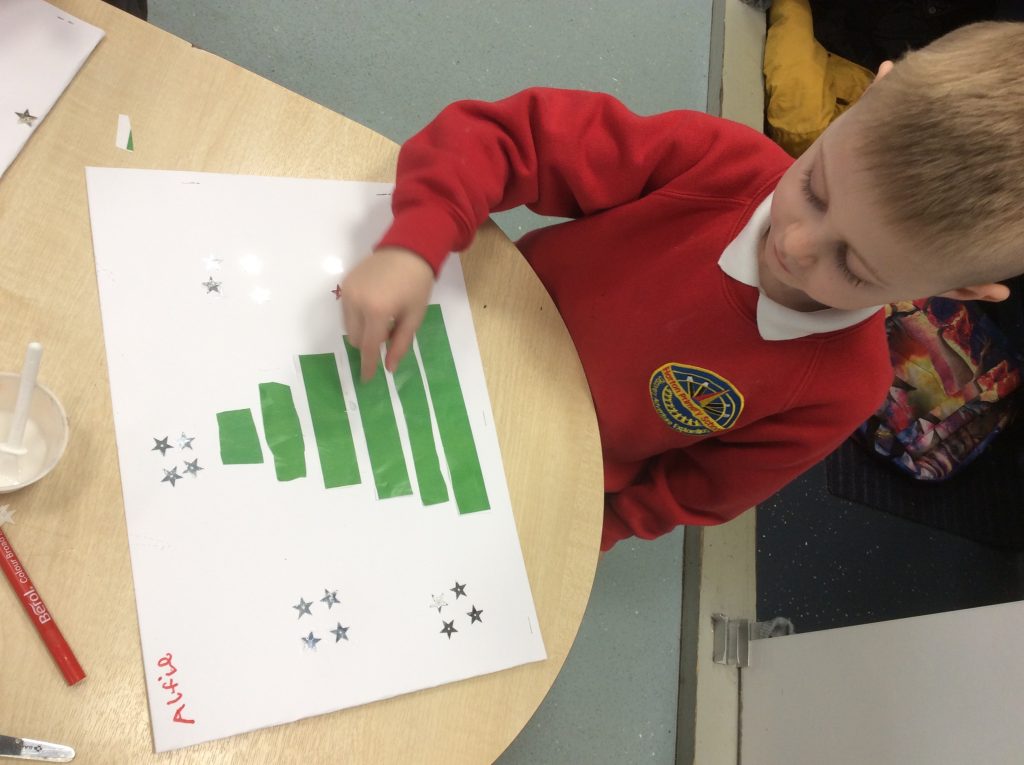
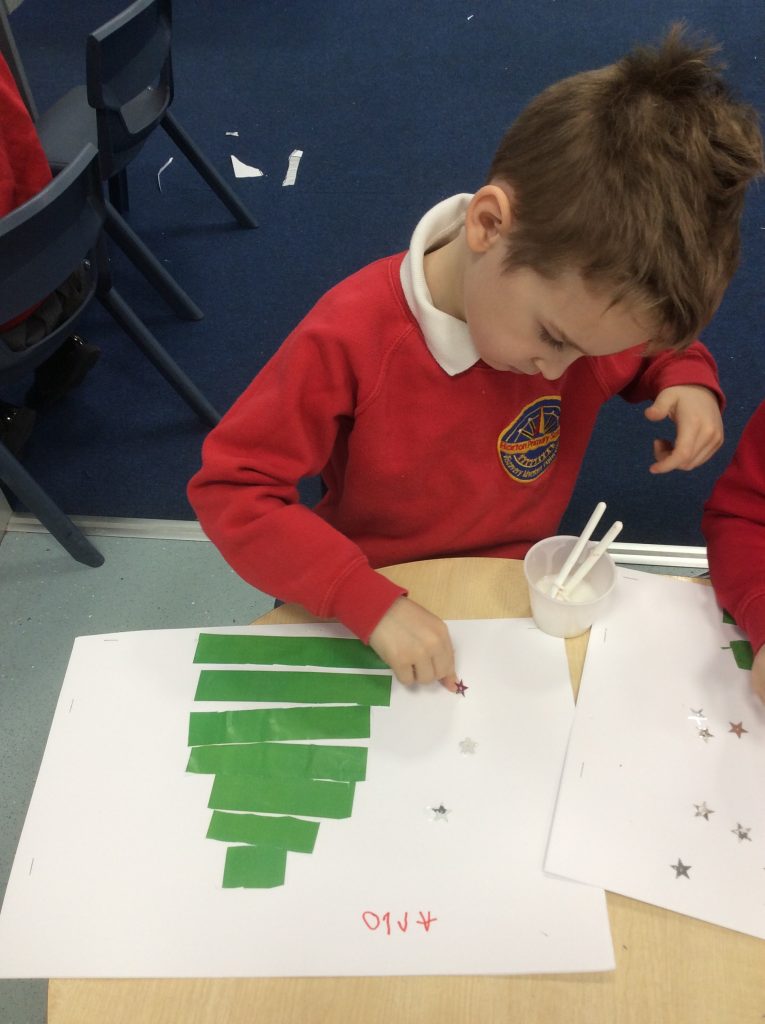
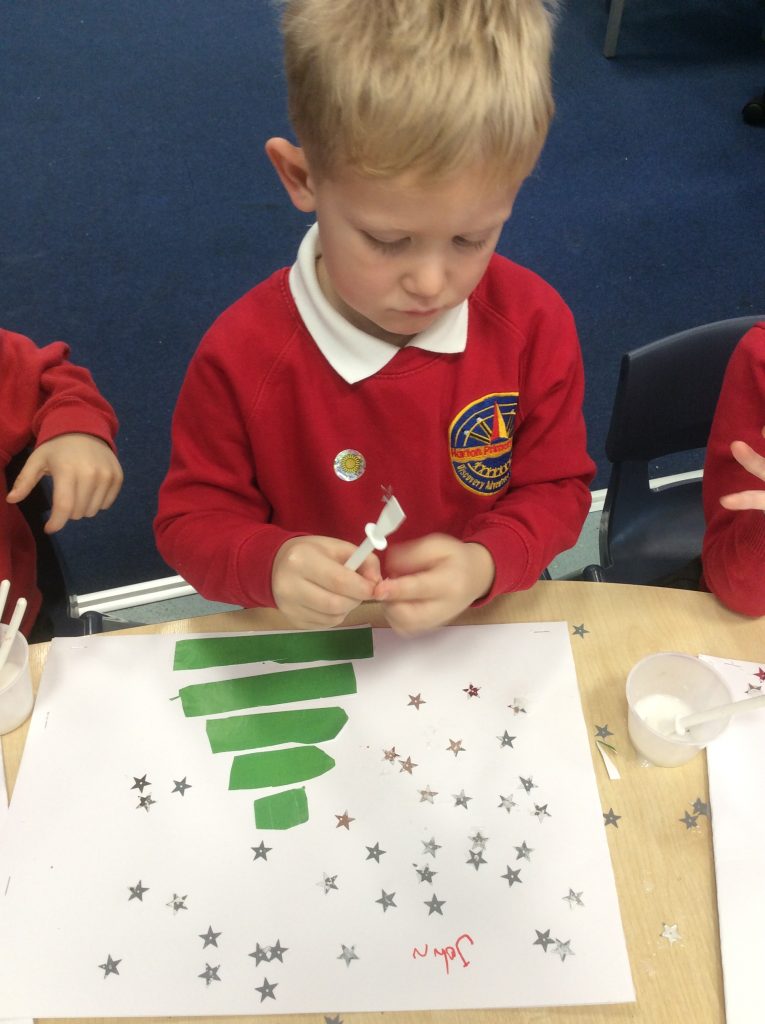
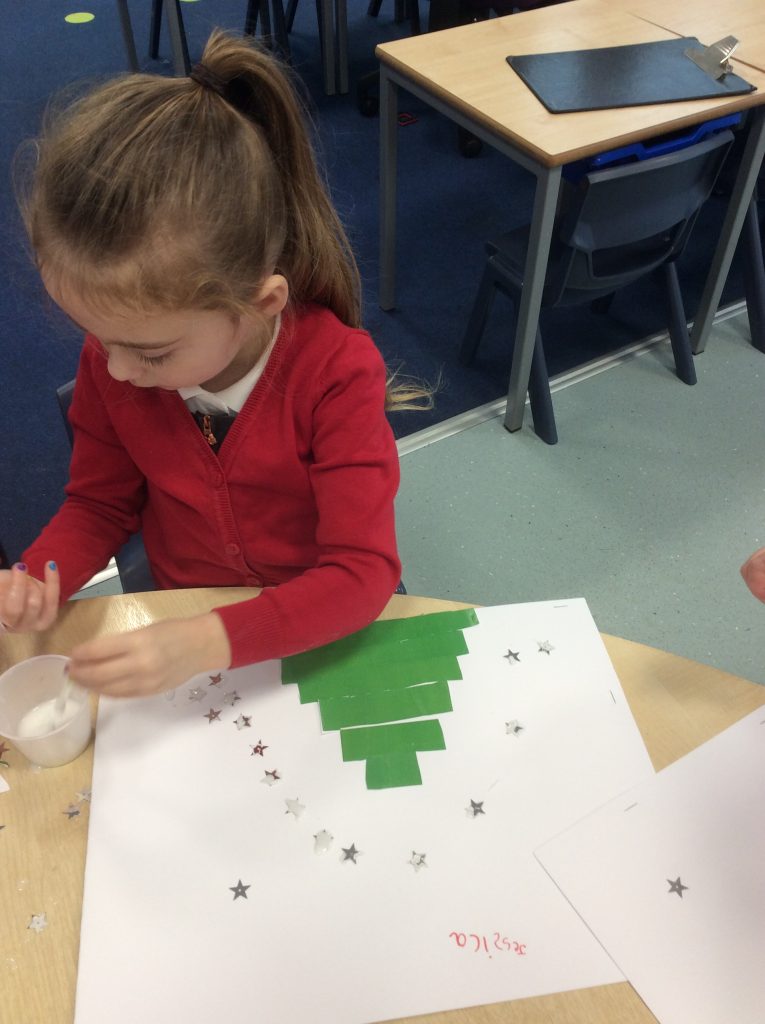
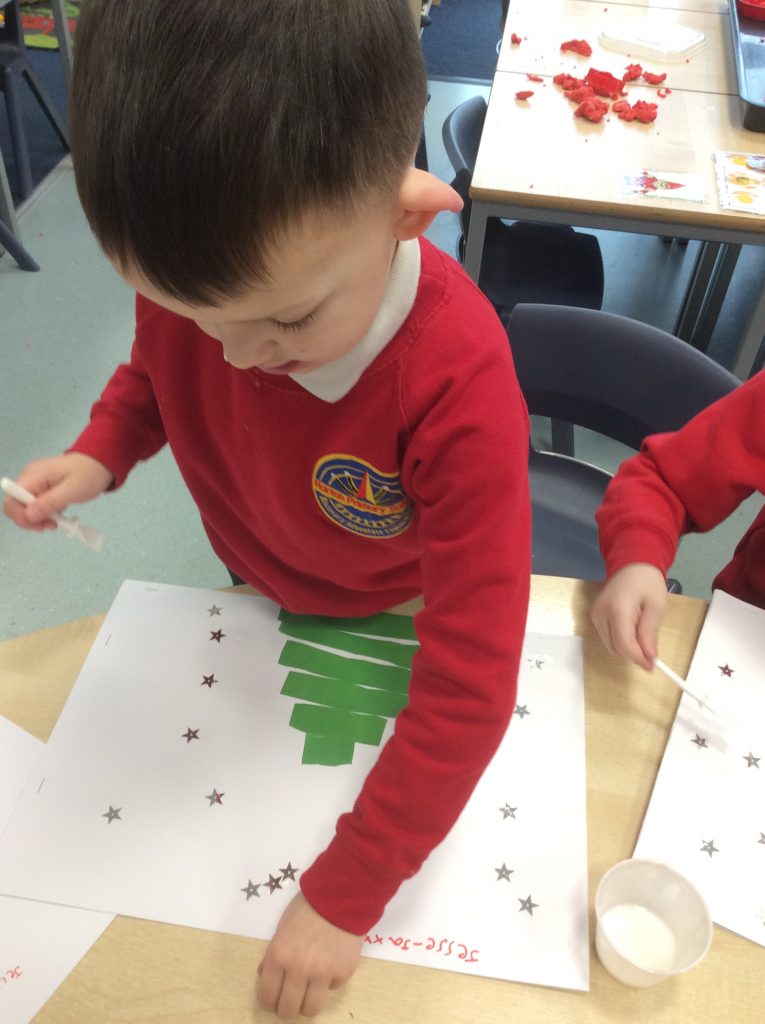
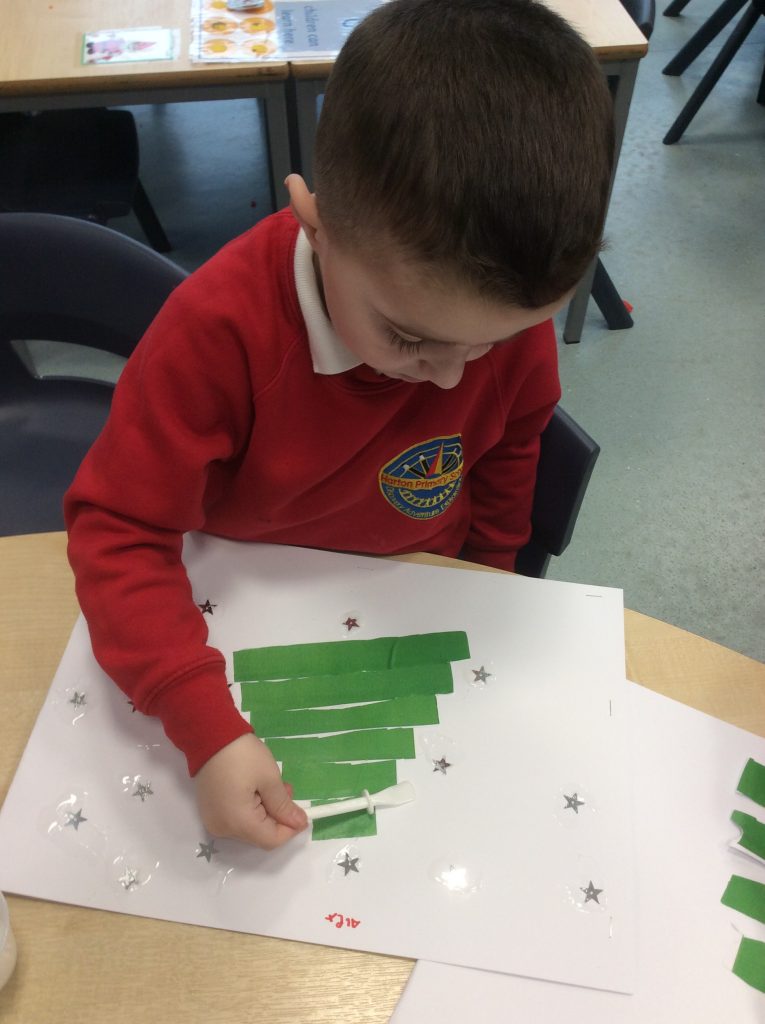
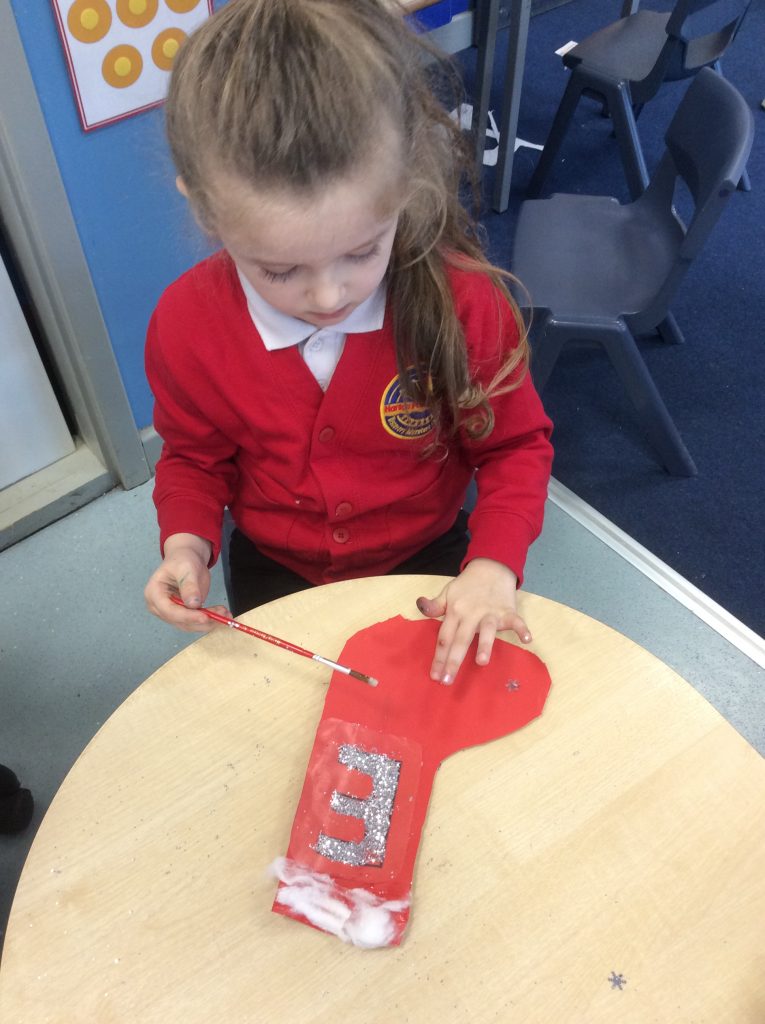
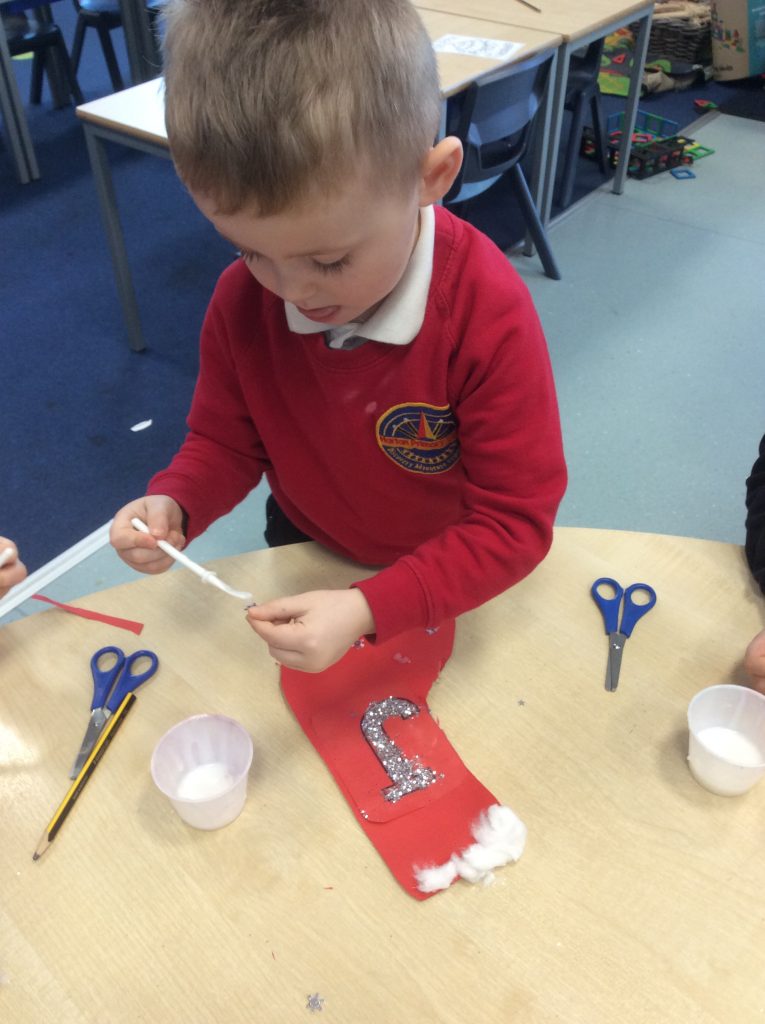
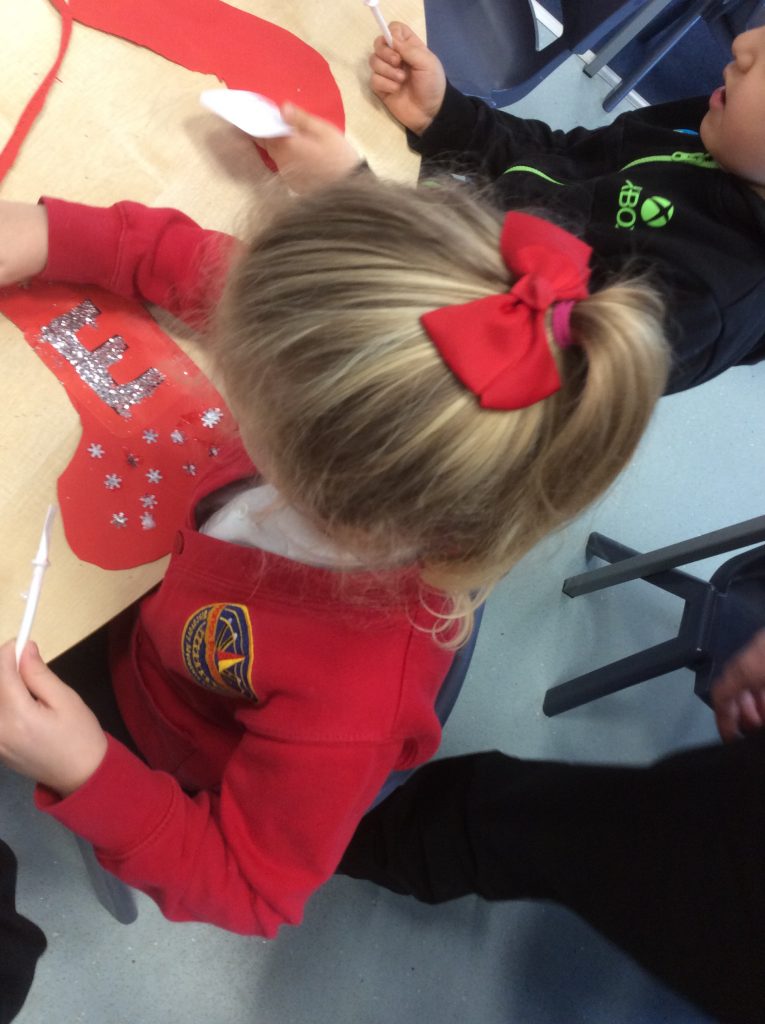
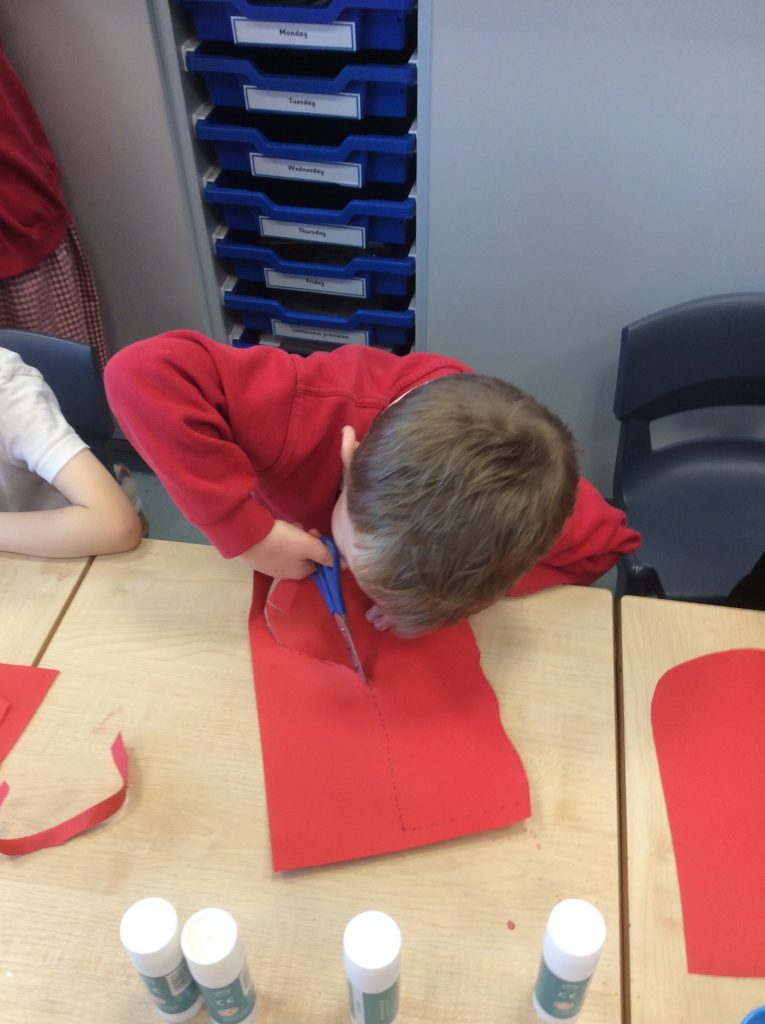
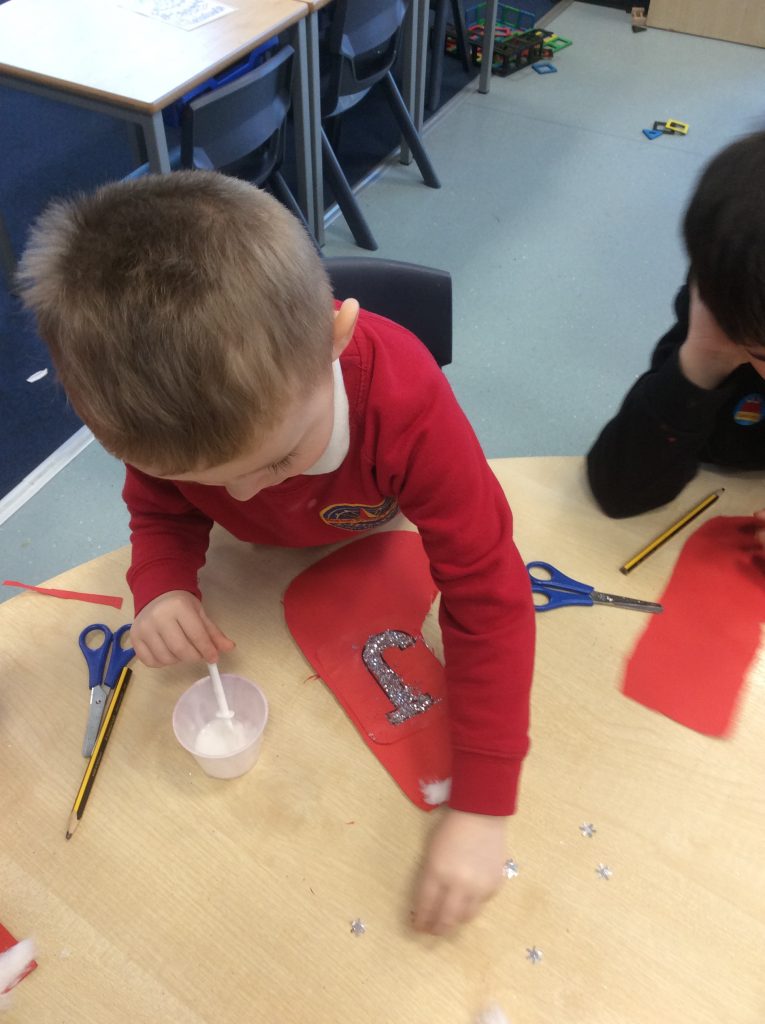
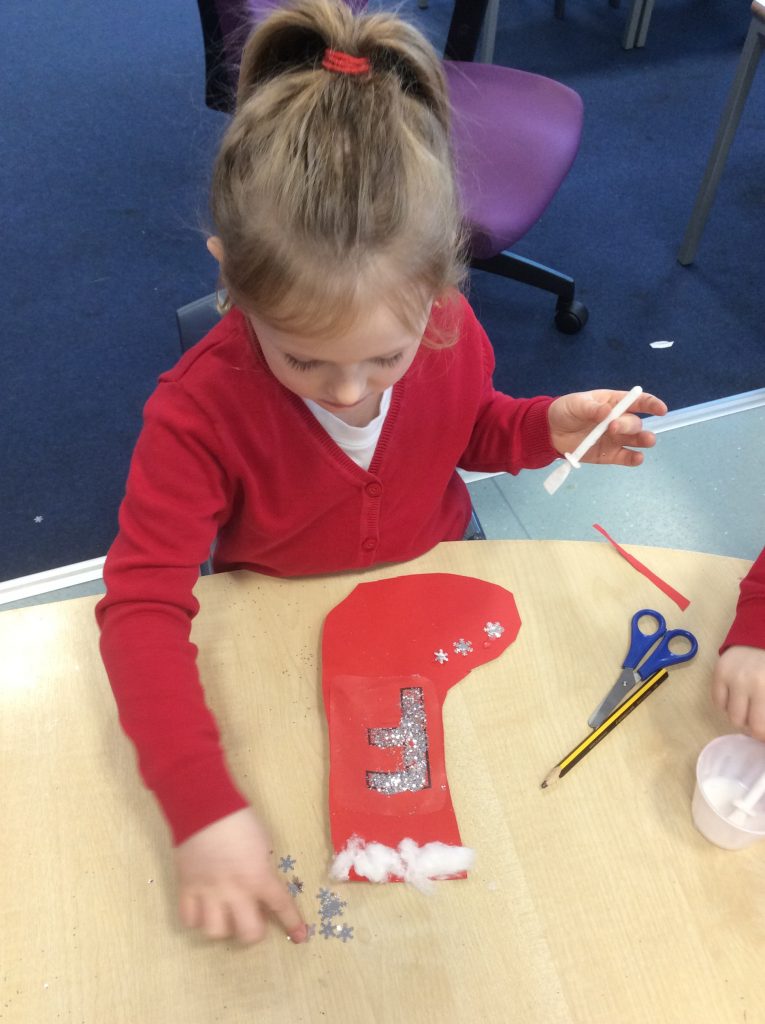
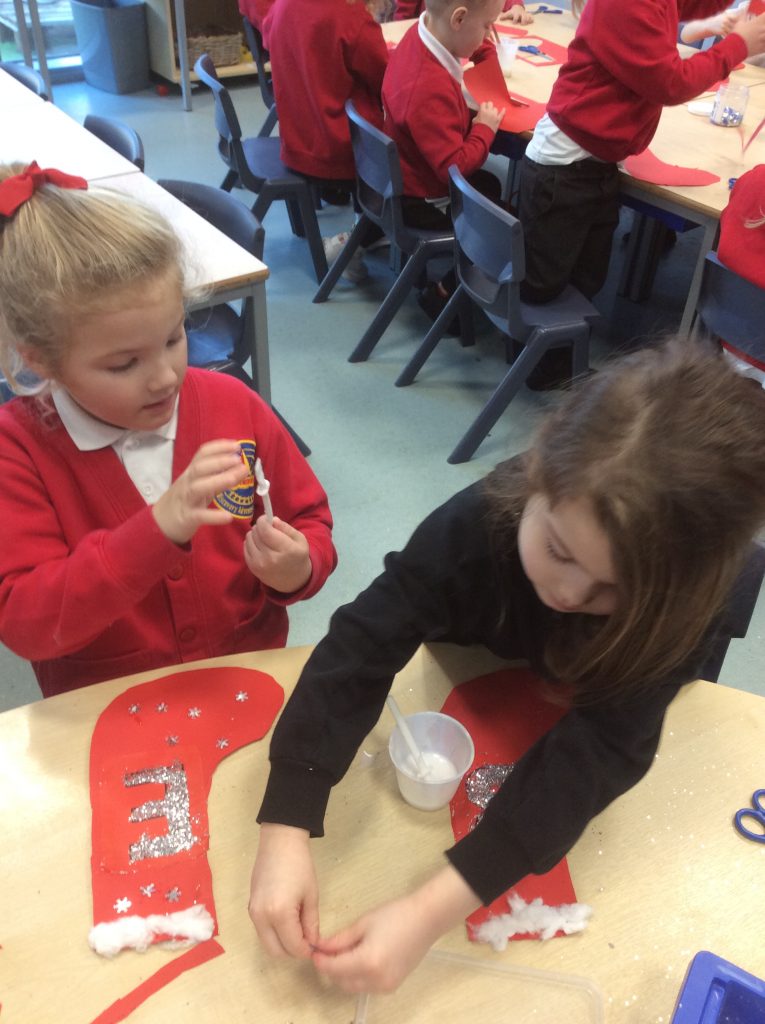
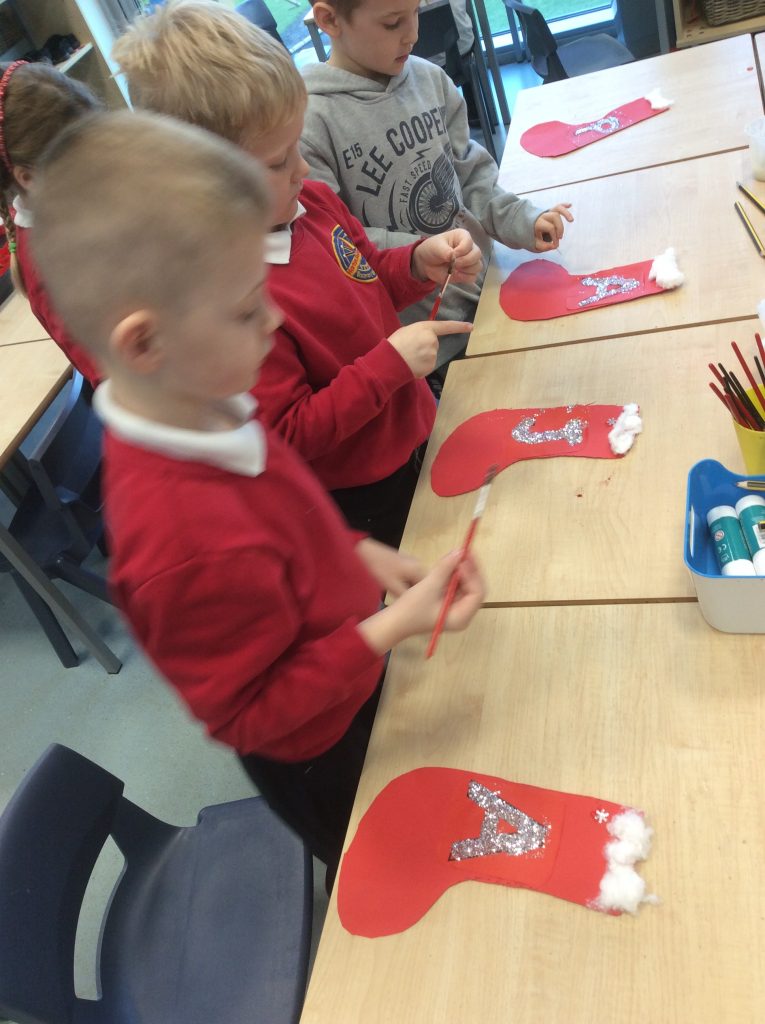
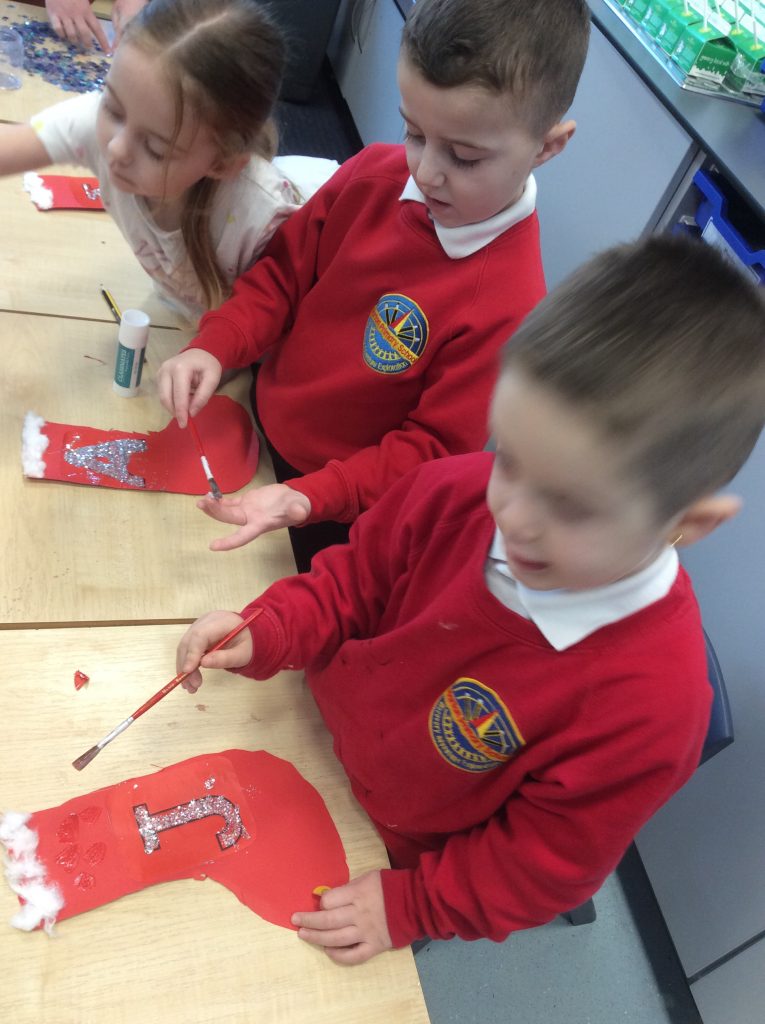
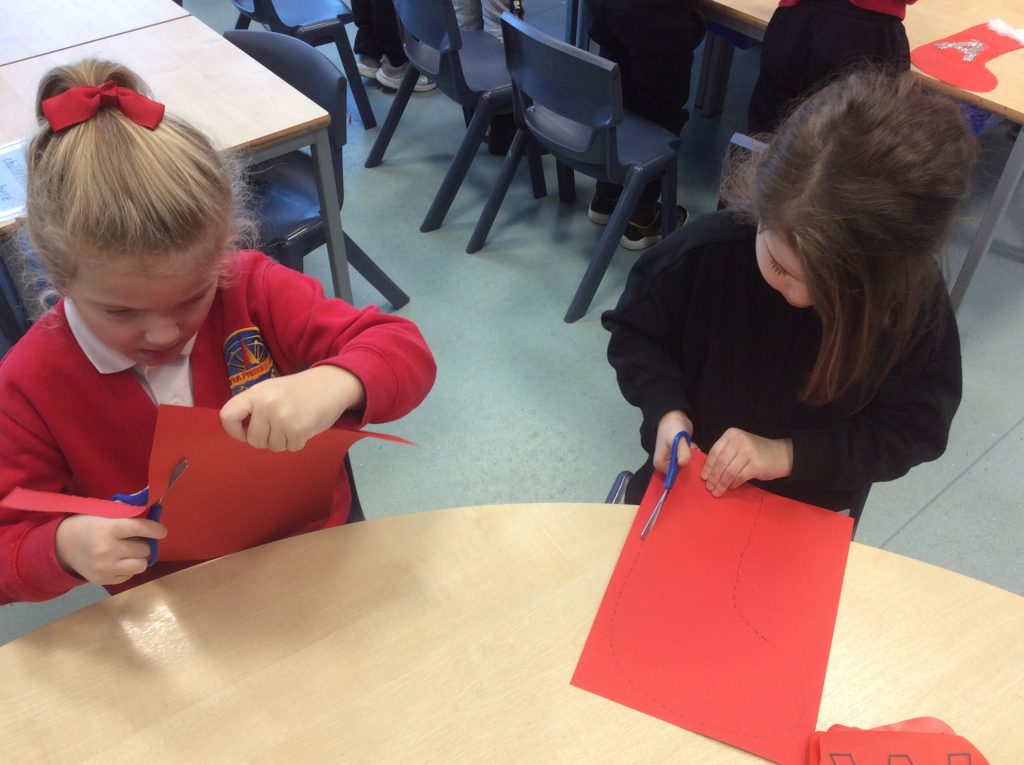
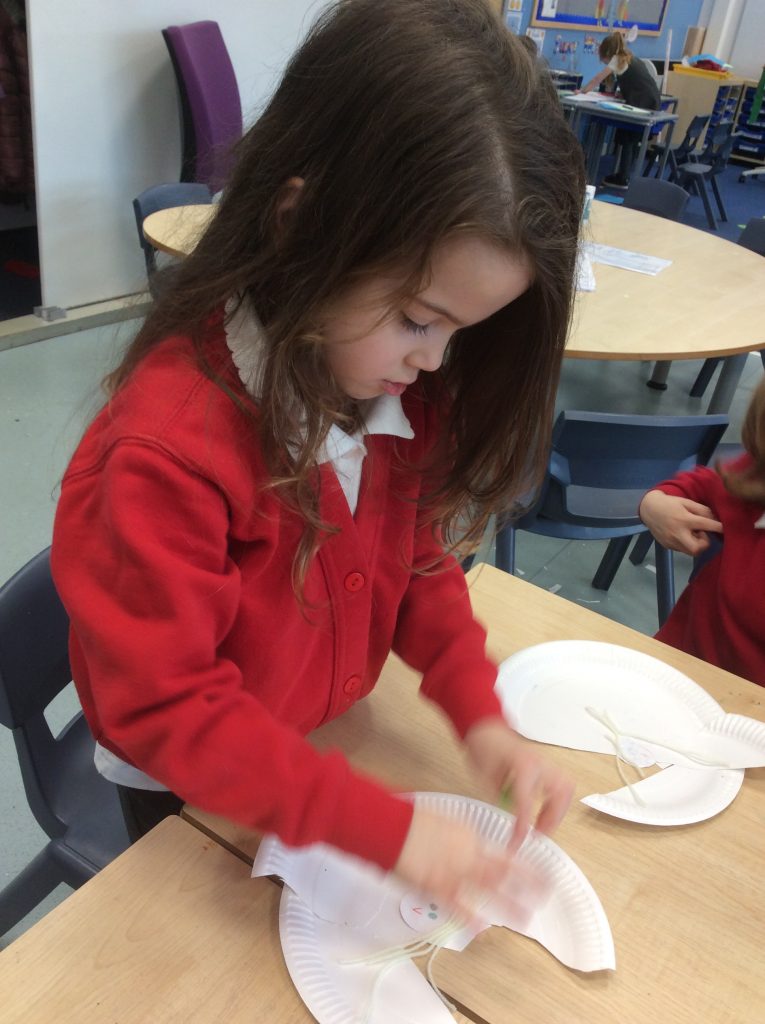
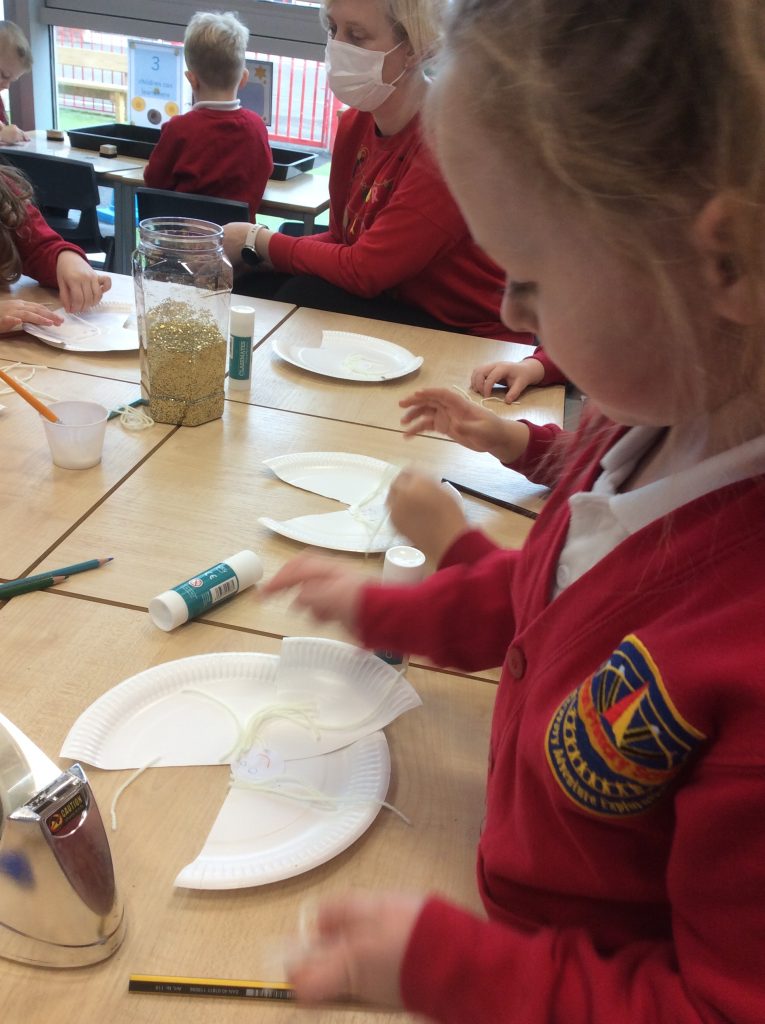
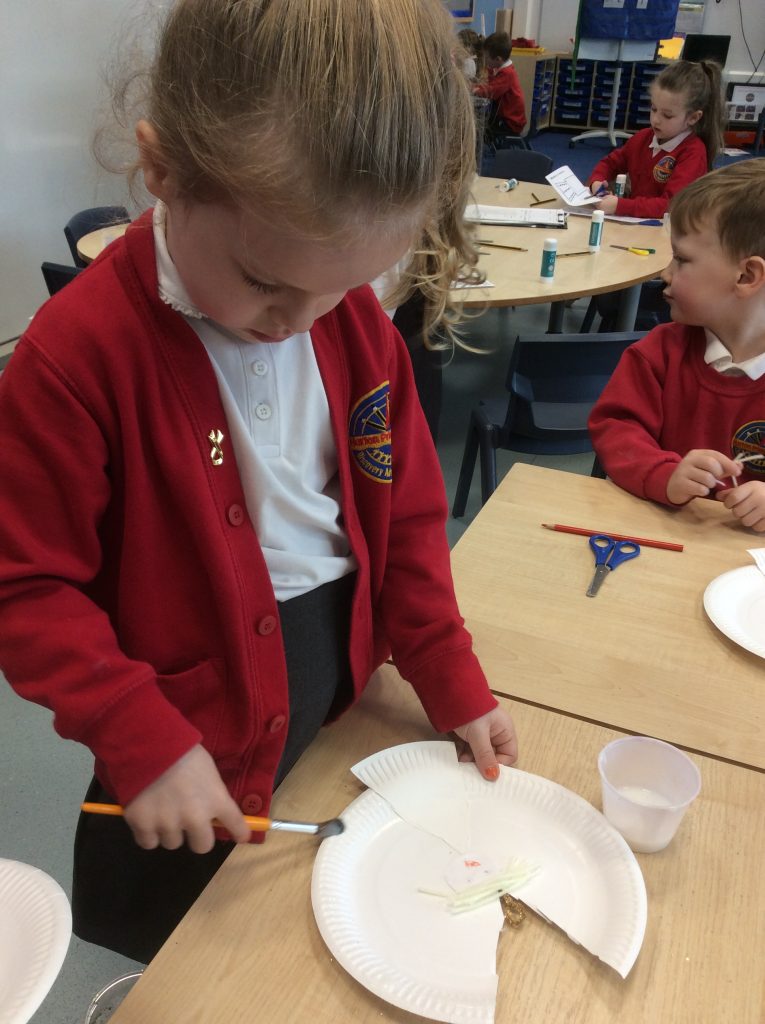
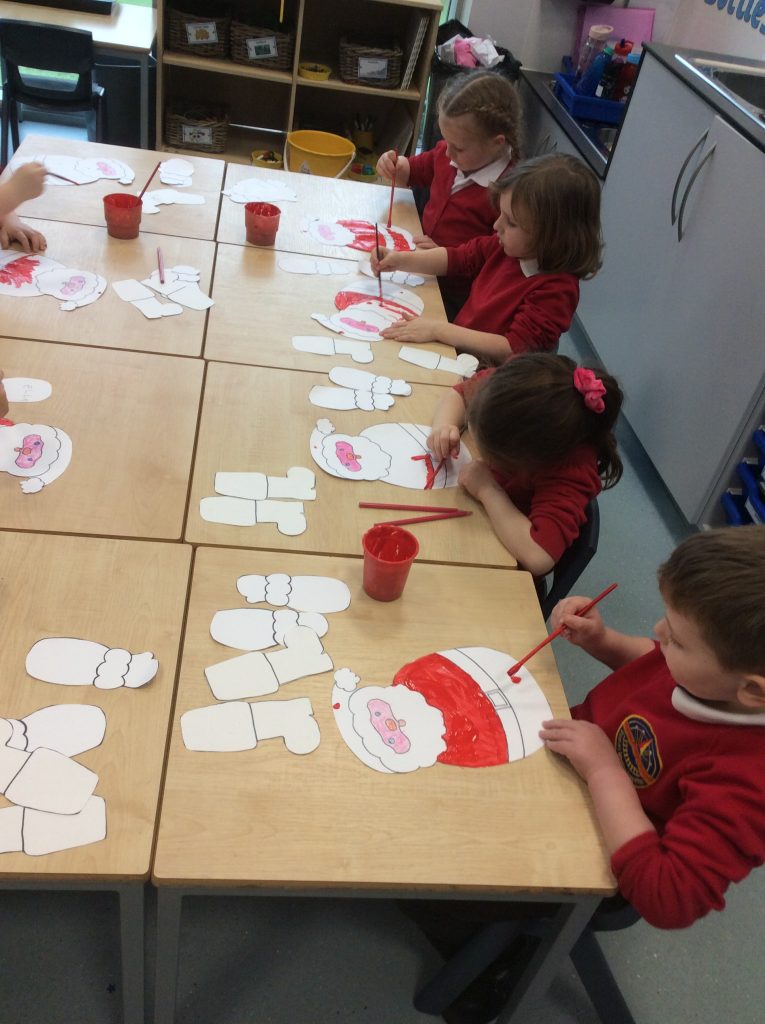
The children in Reception have been working hard to complete their Christmas crafts. They have followed instructions, used lots of different materials and different methods. They are looking forward to sharing their crafts with their family at home!